8 States Where “Squatters Rights” Are Scaring Off Homeowners

Rising conversations around property rights have placed increased attention on how different states handle adverse possession and tenant protections, especially in situations where unauthorized occupants complicate eviction processes. Many homeowners feel uncertain when local regulations create lengthy legal steps or strict notice requirements that slow the removal of individuals staying on private property without permission. These concerns grow stronger in regions where housing shortages, rental disputes, and changing court backlogs create additional delays. As national headlines highlight unusual property takeover cases, some residents worry about how long it might take to regain control of a home if such a scenario occurs. Understanding where protections for long-term occupants intersect with homeowner rights helps clarify why certain states appear more vulnerable to disputes that shape public perception and influence real estate confidence.
California

California’s tenant-friendly laws and complex eviction procedures have contributed to growing worries among homeowners, particularly in areas with high housing demand and rising transitional populations. Unauthorized occupants may gain temporary protections under certain emergency, rental, or notice requirements, which extend timelines for property recovery even when ownership is not contested. Dense metropolitan regions often experience slower court processing, increasing the length of time homeowners must wait for resolution. These extended procedures create a sense of uncertainty for individuals who fear the financial or emotional strain of regaining access to a residence. While the state maintains clear legal pathways for removal, the layered regulations and busy legal system heighten concerns surrounding unauthorized occupancy and long-term property security.
New York

New York’s longstanding tenant protections and detailed notice rules have fueled ongoing homeowner unease, especially in major metropolitan regions such as New York City where housing disputes frequently appear in public view. Unauthorized residents may fall under tenant definitions after specific time periods, making removal more complicated if immediate action is not taken. Court delays and administrative backlogs magnify this challenge by slowing down the formal eviction process. High real estate values also raise the stakes for homeowners who feel vulnerable to prolonged occupancy disputes. These combined factors contribute to a perception that unauthorized residents may gain leverage in conflicts, even though state law outlines procedures for lawful property reclamation.
Washington

Washington’s housing regulations and growing renter protections have intensified concerns among homeowners worried about unauthorized occupancy scenarios. Tenant-friendly laws emphasize extensive notice periods and structured eviction guidelines, which can slow the removal of individuals staying on a property without consent. Population growth in cities such as Seattle has added pressure to the court system, further extending resolution timelines. These factors contribute to a sense of unpredictability for homeowners seeking prompt action when facing occupancy disputes. Although regulations aim to balance fairness and safety, many property owners feel uneasy about navigating the legal landscape when timelines become prolonged.
Oregon

Oregon’s evolving housing policies and strong emphasis on tenant rights have led to increased homeowner anxiety about adverse possession misunderstandings and unauthorized occupancy cases. Lengthy notice requirements and step-by-step eviction rules often extend recovery efforts, especially in urban counties experiencing case backlogs. Population changes, rising rental competition, and seasonal migration patterns contribute to a greater number of housing-related disputes. Homeowners worry about financial implications and potential property damage that may occur while legal processes unfold. While the state maintains clear statutes to protect lawful ownership, the complexity of enforcement procedures creates ongoing uncertainty for individuals concerned about securing their properties quickly.
Illinois
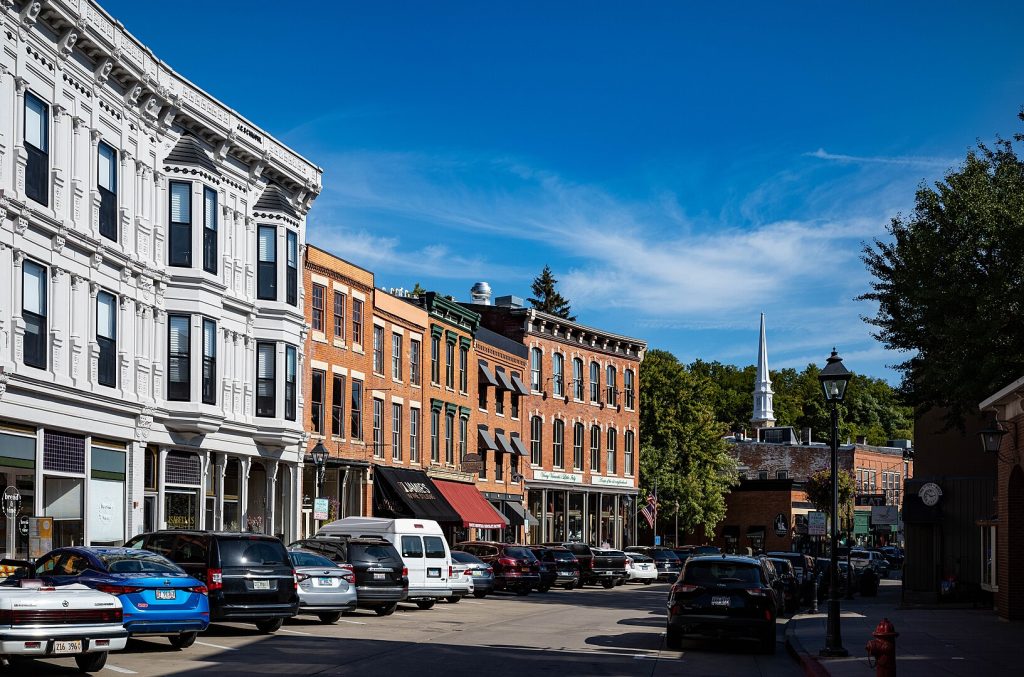
Illinois’ structured eviction system, combined with strict notice regulations, often creates extended legal timelines that worry homeowners when unauthorized residents occupy property. Larger counties, particularly those surrounding Chicago, face court congestion that slows processing significantly. These delays create an environment where homeowners fear prolonged disputes that limit access to homes or rental units. Tenant protections intended to prevent unfair removal can unintentionally complicate situations where individuals enter a property without permission. As cases occasionally surface in public discussion, concerns grow about the balance between tenant rights and property rights. The state’s formal legal pathways remain clear, yet homeowners continue expressing unease about lengthy resolution periods.
Georgia
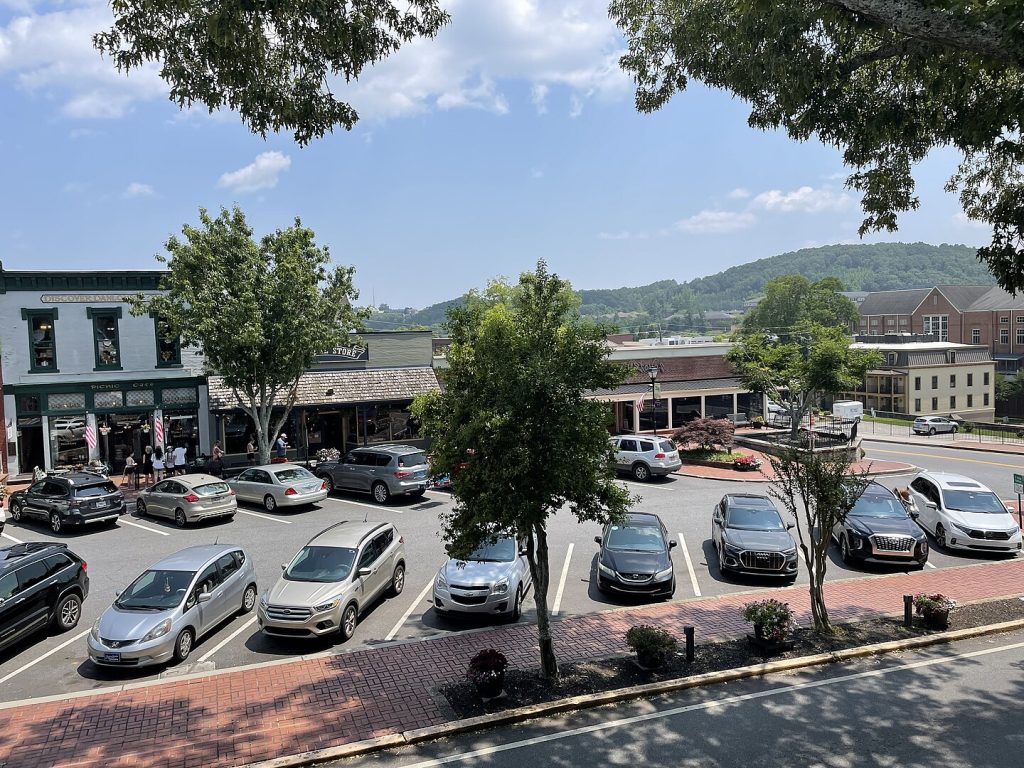
Georgia’s rapid population growth and rising rental demand have increased conversations about property security, particularly in neighborhoods experiencing quick turnover or vacant home vulnerabilities. Unauthorized occupancy disputes occasionally arise when individuals take advantage of transitional periods or unclear lease arrangements. Although Georgia law generally favors swift property recovery, homeowners still express concern about documentation requirements, law enforcement availability, and case-by-case variations that affect outcomes. Publicized incidents have heightened awareness and fueled worries about potential financial strain or repair costs linked to unauthorized stayers. These concerns influence discussions about homeowner preparedness and broader confidence in local property protections.
Florida
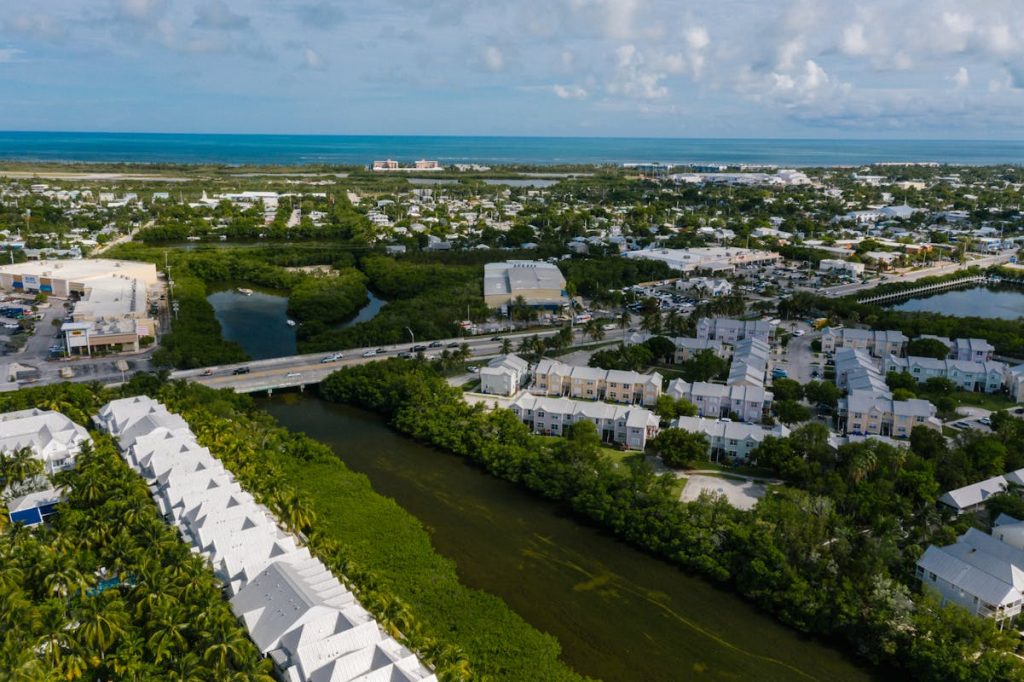
Florida’s mix of seasonal homes, rental properties, and rapidly shifting population patterns makes it a frequent focus of conversations surrounding unauthorized occupancy and adverse possession confusion. Homeowners worry about extended absences creating opportunities for property misuse or contested occupancy claims. While Florida law allows removal of unauthorized individuals, homeowners must follow specific documentation and procedural steps to avoid legal setbacks. Court delays in busy counties further complicate resolution timelines. Public attention on unusual occupancy cases amplifies perceptions of vulnerability, prompting ongoing discussion about property safeguards in both coastal and inland regions. These concerns shape statewide dialogue about balancing homeowner rights with regulated legal processes.
Texas

Texas faces growing public attention around unauthorized occupancy disputes as housing markets expand and vacant homes become more common in fast-developing areas. Although Texas law provides clear avenues for removing unauthorized residents, homeowners often feel uneasy about the time and documentation needed to initiate formal action. Large counties with high caseloads may experience slower processing, prolonging property access challenges. Publicized stories about adverse possession misunderstandings reinforce concerns about individuals attempting to claim abandoned or unmonitored properties. These trends contribute to increased homeowner vigilance and highlight ongoing conversations about maintaining property security in a rapidly changing housing landscape.