8 Tips to Plan an Entire Trip Using Only Reward Points

You might think planning a whole trip on points sounds tricky, but once you learn how these programs work, you start to see openings everywhere. You get clearer about which cards help you earn faster, how to compare flight charts, and when to shift points between partners. You also catch deals long before other travelers notice them. When you treat points like a currency, you stay in control of your budget and build a trip that feels surprisingly flexible and affordable.
1. Choose flexible points programs
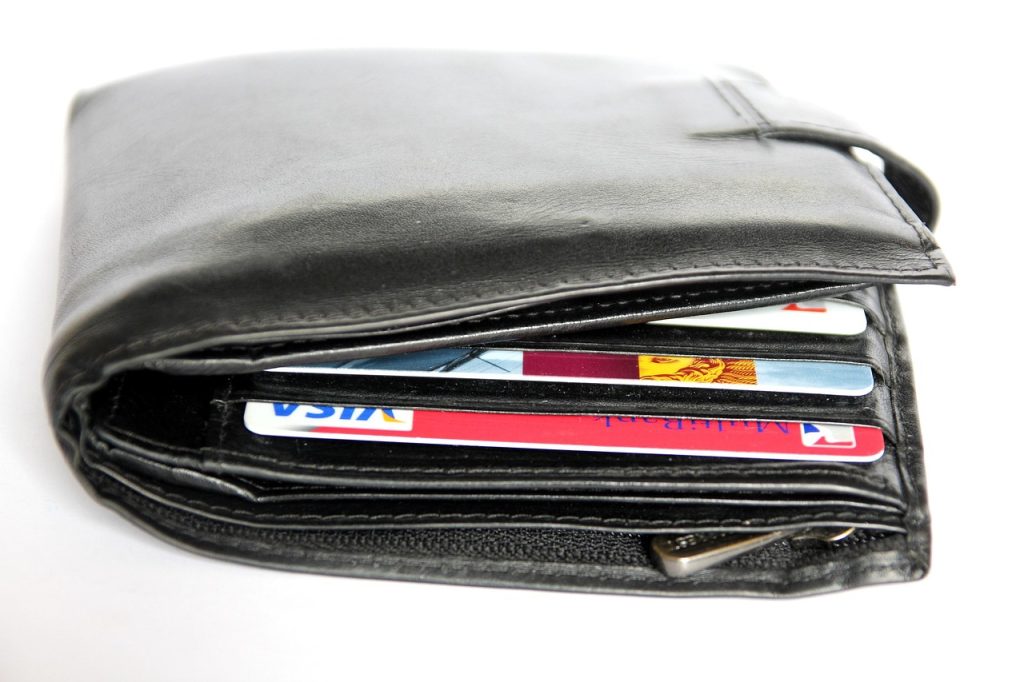
You set yourself up for an easier trip when you focus on cards that earn points you can move to airlines and hotels. These programs help you compare several partners before you commit, so you avoid getting stuck with a weak rate. You also get access to transfer bonuses that stretch your stash at the right moment. When you build from flexible points, you give yourself enough freedom to mix flights, stays, and upgrades without scrambling at checkout.
2. Track award charts before you lock plans

You avoid surprises when you keep an eye on how many points airlines and hotels usually charge for routes or nights you want. Award charts give you a steady baseline, so you know when a redemption is fair or when the price jumps. As you watch patterns, you learn which routes shift often and which stay steady. This lets you time your bookings with confidence and hold your points for truly valuable redemptions.
3. Move points only when a seat or room is available

img: person booking flight online
You protect your balance when you transfer points after you confirm the award you want is open. Once you move points to a partner, you can’t undo it, so you stay patient until you see the exact seat, cabin, or room you want. This habit saves you from wasted transfers and lets you jump on openings that match your schedule. You end up using your stash with intention instead of reacting out of urgency.
4. Use airline sweet spots to save big

You stretch your stash when you learn which airlines offer low redemption rates for certain routes. These sweet spots help you book long flights for fewer points than you expect. As you explore partners, you notice which ones price flights by distance and which use zones. This helps you plug in your own route and spot rare bargains. You use your miles with purpose instead of locking into the first familiar carrier.
5. Mix airlines and hotel points to fill gaps

You can cover more ground when you combine flight and hotel points instead of leaning on just one program. This approach lets you build an itinerary where each piece works harder for you. You might use airline miles for long hauls and hotel points for short stays to balance the load. As you blend programs, you fix gaps without spending cash and keep your trip moving in the direction you want.
6. Watch for transfer bonuses

You give your points a lift when you look for bonuses that multiply your transfer. These offers can boost your balance with little effort, especially when you already know which partner you want to use. You just wait for the right moment and move points when the rate works in your favor. This habit adds real value to your stash and makes planning a full trip feel more realistic and doable.
7. Use free night certificates and companion perks

You get more mileage from your cards when you use perks like free night certificates or companion passes. These benefits cover long stretches of your trip without touching your main stash. You can use a free hotel night to bridge awkward gaps or bring a traveler along for almost no cost. These perks work best when you track expiration dates and plug them into your plan early.
8. Book early so you can adjust as needed

You give yourself breathing room when you book flights and stays as soon as you spot a good redemption. Many programs let you cancel or change awards with minimal penalties, so early action helps you lock value without stress. As your dates settle, you tweak the pieces until everything lines up. You stay ahead of schedule and avoid the scramble that drains your confidence at the end.