8 Tourist Areas Designed to Protect the Environment and Local Culture
Popular destinations are often sold as easy escapes, but the best-managed places are built on limits. They ask travelers to slow down, follow rules, and accept that access is a privilege, not an automatic right. That shift can feel restrictive at first, especially for visitors used to open, self-directed itineraries.
Yet those limits are not random. In many places, they are designed to protect fragile ecosystems, preserve sacred landscapes, and keep local communities from being pushed to the margins by mass tourism. When policy is clear and enforcement is real, tourism can fund conservation instead of eroding it.
Across Asia, Oceania, Europe, and South America, some tourism zones now use permits, timed entries, capped access, conservation fees, and guide requirements as everyday tools. These systems do not remove wonder. They protect the conditions that make wonder possible in the first place.
What stands out is how differently each place applies the same core idea: fewer impacts, better behavior, stronger local control. From mountain kingdoms to marine reserves, these areas show that good travel policy is not anti-tourism. It is pro-future.
Bhutan’s High-Value, Low-Volume Approach
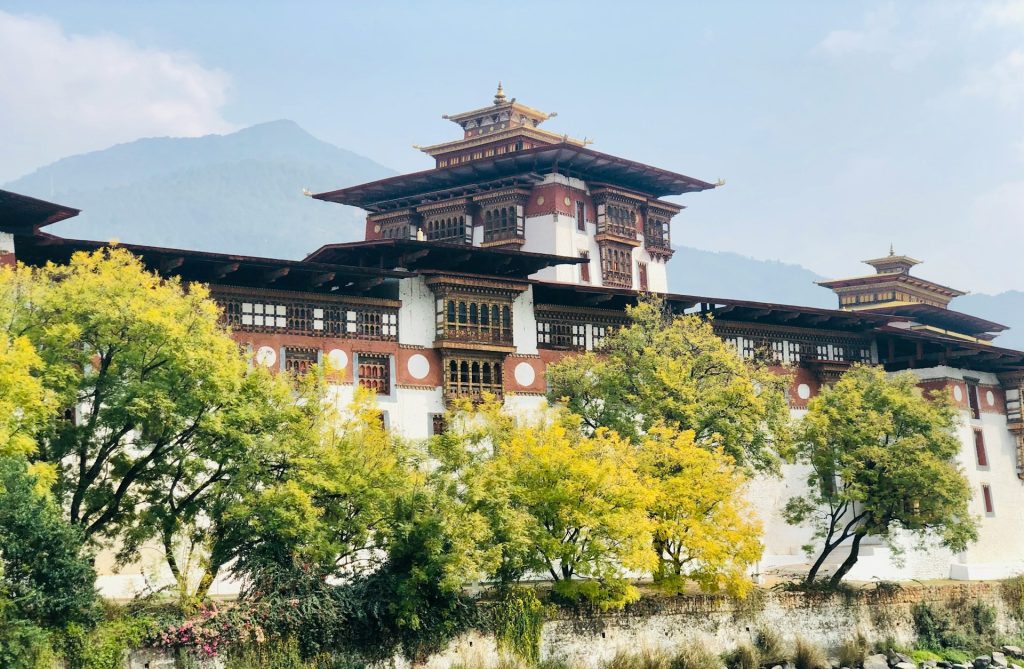
Bhutan’s tourism model is built on intentional restraint. Its policy language is explicit about high-value, low-volume tourism, with visitor volume tied to carrying capacity across nature, infrastructure, and culture. That framing turns conservation and cultural continuity into planning rules, not just promotional slogans.
The country also uses a Sustainable Development Fee structure to channel tourism revenue into national priorities, including social and environmental goals. Instead of chasing pure arrivals, the model pushes for higher-quality stays and lower aggregate strain on communities and landscapes.
For travelers, this changes behavior before the trip even begins. Budgeting, itinerary design, and trip length all become more deliberate, which naturally filters out quick, high-footprint stopovers.
The result is not a closed-door destination. It is a place that prices and manages access in line with what it can responsibly absorb, while protecting the cultural texture visitors came to experience in the first place.
Palau’s Visitor Ethic With Legal Teeth
Palau treats tourism as an environmental governance issue, not just an economic one. Its legal framework includes a Pristine Paradise Environmental Fee statute, signaling that tourism must contribute to ecological stewardship, not simply consume it.
At the same time, Palau became globally known for pairing arrival with a conservation pledge concept, pushing visitors to acknowledge responsibility as part of entry culture. That message matters because it sets expectations before anyone reaches reefs or coastal habitats.
This combination of fee-based funding and values-based messaging helps keep policy practical. Money supports management, and public norms support enforcement.
It also reframes the visitor identity. Tourists are not treated as outsiders buying access to a playground. They are temporary participants in a place where ecosystems and local priorities come first.
Galápagos With Controlled Entry and Visitor Tracking
The Galápagos system makes its priorities visible at the border. Official entry fees were restructured, with international visitor rates set at higher levels to support conservation and management pressures associated with high-demand tourism.
Authorities also require a Transit Control Card process tied to travel details. This is more than paperwork. It gives institutions a way to track flows, reduce unmanaged movement, and align tourism logistics with island capacity.
Behavior on the islands is governed as tightly as entry. Visitor rules emphasize marked trails, wildlife distance, and guided access in protected zones, reducing informal exploration that can harm sensitive habitats.
That design can feel structured compared with open-destination travel. But structure is exactly why the islands retain ecological integrity despite global popularity and constant demand.
Machu Picchu’s Shift From Free Roaming to Defined Circuits
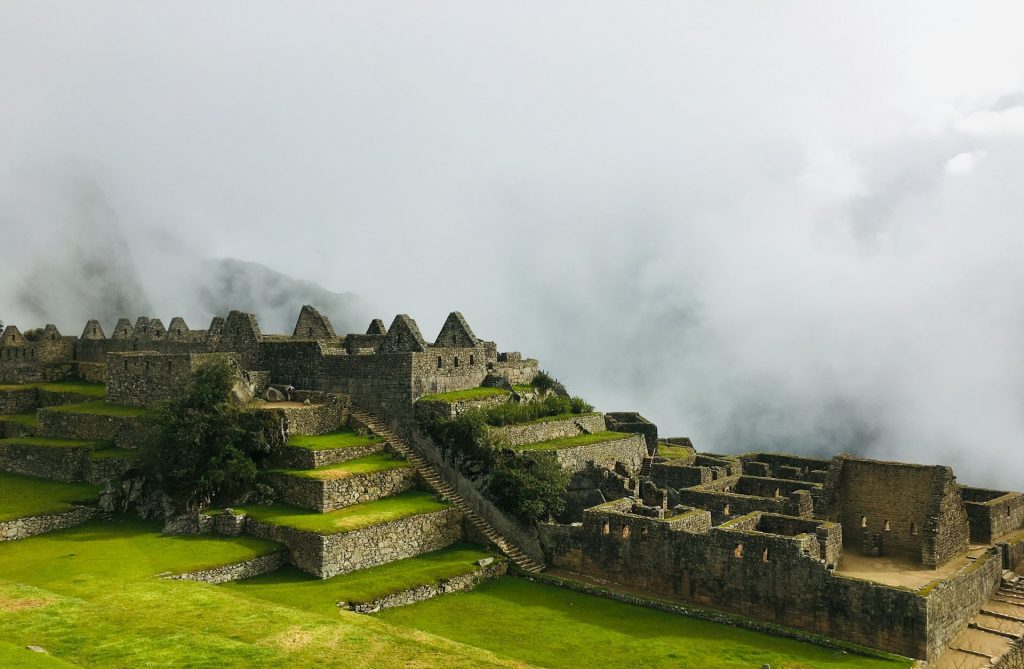
Machu Picchu now operates through formally defined circuits and routes, replacing the older idea of loosely wandering the entire site. Official updates established three main circuits grouped into ten routes, effective from June 1, 2024.
This redesign addresses crowd concentration and site wear. Different routes disperse movement and reduce bottlenecks at iconic points, which helps protect archaeological fabric without shutting down access entirely.
For visitors, the practical implication is clear: route choice now determines experience. Planning ahead matters more than ever, and the right ticket is no longer a generic pass but a specific pathway through the sanctuary.
That may sound restrictive, but it solves a real problem. Heritage sites at this scale cannot survive unlimited, unstructured foot traffic and still offer a meaningful experience a decade from now.
Uluru-Kata Tjuta and the Priority of Living Culture
Uluru’s climb closure in October 2019 marked a major shift from spectacle-based tourism toward culturally grounded stewardship. The decision aligned visitation with Anangu law and long-standing requests to treat the site as sacred country, not a challenge course.
Governance also reflects local leadership through joint management. The board structure gives Traditional Owners a decisive role in major policy choices, with day-to-day operations implemented through Parks Australia.
Park pass economics reinforce this framework. Official guidance notes that part of visitor revenue supports Anangu traditional owners, including homelands, training, and business pathways.
Taken together, these choices show what culture-first tourism looks like in practice. Visitors still get access, but on terms that protect meaning, not just scenery.
Venice’s Access Fee as Overtourism Management

Venice’s access-fee framework for day visitors is a direct response to overtourism pressure in a city with fragile infrastructure and limited physical capacity. The goal is not to block tourism, but to smooth peak surges that overwhelm streets, transit nodes, and civic services.
Operationally, the system uses digital payment and exemptions, which allows targeted control rather than blanket restriction. That creates a more nuanced model than simple caps, especially in a living city that still has residents, workers, and students moving through the same space.
For travelers, the message is straightforward. Spontaneous day trips during high-demand windows now carry more friction, so timing and planning matter more than they once did.
For the city, the bigger point is governance capacity. Tourism policy finally operates as urban management, where preservation includes quality of life for locals, not only postcard preservation for visitors.
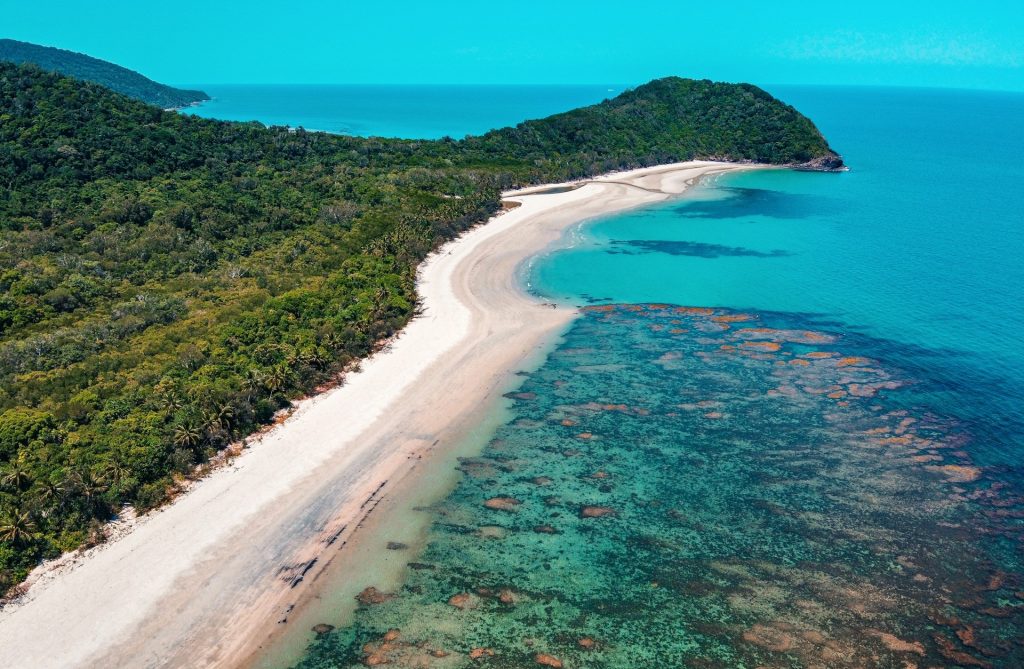
Great Barrier Reef: Permits, Use Limits, and Shared Stewardship
On the Great Barrier Reef, commercial tourism is not treated as open-access activity. Official permit systems apply to tourism and charter operations, which allows managers to regulate where and how activity occurs in marine park space.
That framework matters because marine ecosystems are cumulative-impact environments. Even individually small activities can scale into major pressure without zoning, operator standards, and ongoing compliance.
Management language also recognizes Traditional Owner custodianship and shared protection responsibilities. This acknowledges that ecological stewardship and cultural stewardship are intertwined, not separate agendas.
For visitors, the outcome is subtle but important. Better-regulated tourism may feel less improvisational, yet it is precisely what keeps reef experiences viable in the face of long-term environmental stress.
Antarctica’s High-Control Landing Rules

Antarctica is one of the clearest examples of rule-based tourism by necessity. Visitor guidance emphasizes wildlife protection, strict waste conduct, biosecurity cleaning, and minimal-trace movement in a highly vulnerable environment.
Operational caps are equally strict: one ship per site at a time, no landings from vessels carrying over 500 passengers, and a maximum of 100 passengers ashore with guide-to-passenger controls. These are not symbolic rules. They are central safeguards for impact control.
The system also relies on advance approvals and adherence to treaty-based guidance, which pushes responsibility upstream to operators and national authorities before travel even starts.
In practice, Antarctica shows the endpoint of managed tourism logic. If a place is ecologically extreme and globally shared, tourism can exist only when governance is precise, conservative, and consistently enforced.