8 Tourist Areas in China That Surprise Many American Visitors
Many American travelers land in China expecting the usual checklist: a few famous landmarks, fast photos, and a simple city-to-city loop. What they often find instead is a travel culture built around pace, sequence, and timing. A place is not just visited, it is approached in a particular order, often for practical reasons and sometimes for cultural ones.
That surprise starts before the first attraction. China’s 240-hour visa-free transit policy can be useful for eligible travelers, but it still comes with route conditions and designated entry points, so itinerary design matters from day one.
Payment habits can also feel different at first. Mobile payment is widespread, yet official guidance confirms foreign visitors can use international cards in supported apps, bank cards, and cash, which helps smooth the adjustment in major tourism zones.
Then there is movement between sites. In many cases, routes are easier when transportation and attraction slots are planned together, and official rail channels like 12306 are part of that rhythm. The result is not less freedom, but a different kind of freedom: one that rewards preparation over improvisation.
Beijing’s Imperial Core Feels Bigger Than a Single Stop
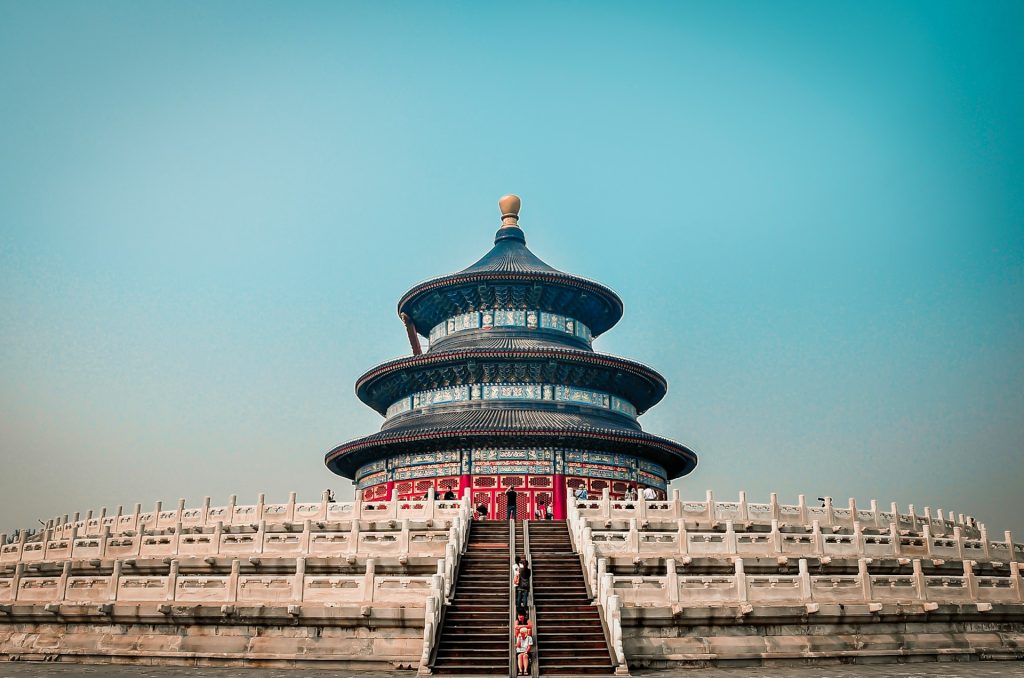
American visitors often enter central Beijing thinking the Forbidden City is a two-hour landmark. Instead, they discover an urban-scale historical zone, where Tiananmen, the palace complex, nearby parks, and museum routes connect into a full-day pattern. The scale changes expectations quickly.
What catches many people off guard is how much logistics shape the visit. For the Palace Museum, advance booking is standard, and official guidance for international visitors includes passport-based reservation and entry procedures.
The deeper surprise is not just operational, it is interpretive. The Imperial Palaces of the Ming and Qing Dynasties are recognized by UNESCO, and that context reframes the site from a photo location into a long arc of political design and ceremonial space.
Once visitors slow down, the route begins to make sense. Courtyards, axes, and gates are experienced as narrative chapters, not isolated spots. Many Americans leave realizing Beijing’s center is less about checking one attraction and more about understanding how power, ritual, and architecture were deliberately fused.
Xi’an Turns Ancient History Into Something Physical and Immediate
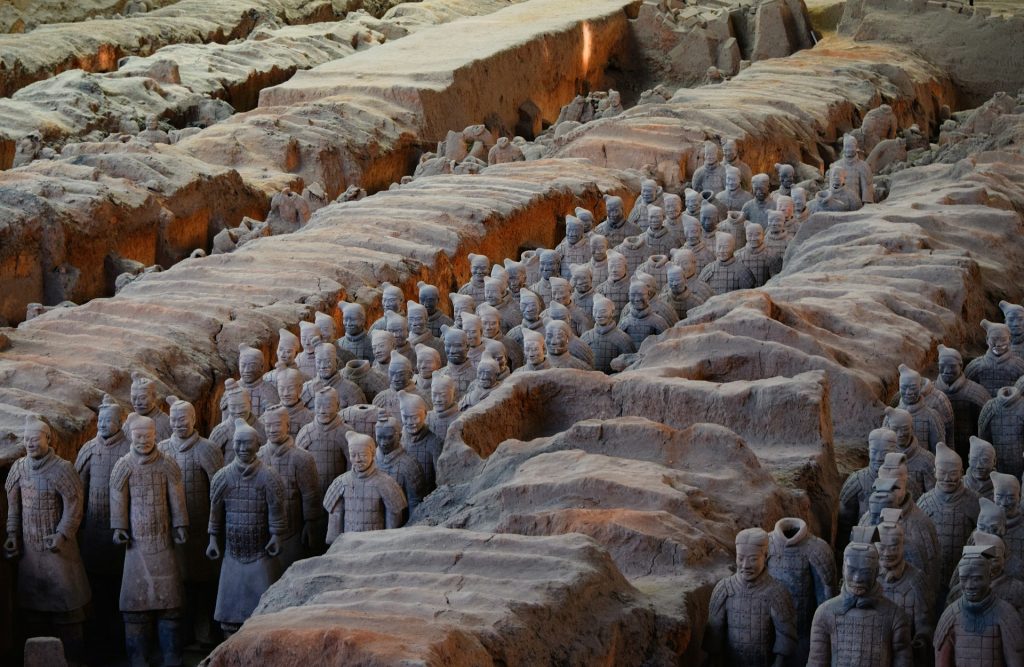
Xi’an often surprises American travelers because history here is not abstract. At the Terracotta Army site, visitors are not looking at a single statue behind glass, they are looking across excavation pits that reveal military formation, craftsmanship, and imperial ambition at massive scale.
The site’s global status reinforces that first impression. UNESCO lists the Mausoleum of the First Qin Emperor, including the Terracotta Warriors, as a World Heritage property, which helps explain why so many travelers treat Xi’an as essential rather than optional.
Another surprise is how naturally Xi’an blends eras. In one itinerary, travelers might move from Qin-era archaeology to the city wall, Muslim Quarter lanes, and modern food streets. The city does not force a strict old-versus-new split, and that makes it feel unusually lived in.
Visitors from the U.S. often expect a single headline attraction, then leave talking about texture: evening lights on old walls, crowded dumpling houses, and the way local storytelling follows them through each stop. Xi’an rewards those who give it more than a half-day glance.
Zhangjiajie Makes Landscape Planning Feel Like Route Strategy
Americans who know Zhangjiajie from photos are still shocked by how dramatic the terrain feels in person. The sandstone pillars rise out of mist and forest with a vertical scale that can distort distance perception, so familiar assumptions about walking times and viewing angles break quickly.
UNESCO recognition helps explain why this region receives global attention. Wulingyuan Scenic and Historic Interest Area is listed for its distinctive sandstone formations and natural value, and that designation matches what visitors experience on the ground.
What surprises many travelers most is the choreography of movement. Elevators, cableways, shuttle buses, and designated paths create a flow that can feel highly structured at first, especially for visitors used to freer trail networks in U.S. parks.
By the second day, that structure often feels helpful instead of restrictive. The landscape is so large and layered that route discipline protects time and energy. In Zhangjiajie, planning is not bureaucracy, it is the difference between a rushed look and a genuinely immersive visit.
Hangzhou’s West Lake Feels More Curated Than Casual
Some American visitors arrive expecting West Lake to behave like a broad waterfront promenade. Instead, they find a landscape composed as a cultural artwork, where bridges, causeways, pagodas, and framed views are intentionally arranged to produce mood and sequence.
UNESCO’s listing of the West Lake Cultural Landscape of Hangzhou supports that reading. The site is recognized not only for scenery, but also for how landscape design, poetry, painting traditions, and built elements developed together over centuries.
That context changes how people move. Rather than racing for a single lookout, many travelers naturally build a loop across multiple vantage points, temples, tea-related stops, and shoreline walks. The lake starts to feel like a curated narrative, not a one-angle postcard.
American visitors often describe the surprise in simple terms: they expected beauty, but not composition. Hangzhou shows how a destination can be both restful and highly intentional, with each segment shaping what comes next.
Suzhou’s Gardens Redefine What Big Travel Moments Look Like
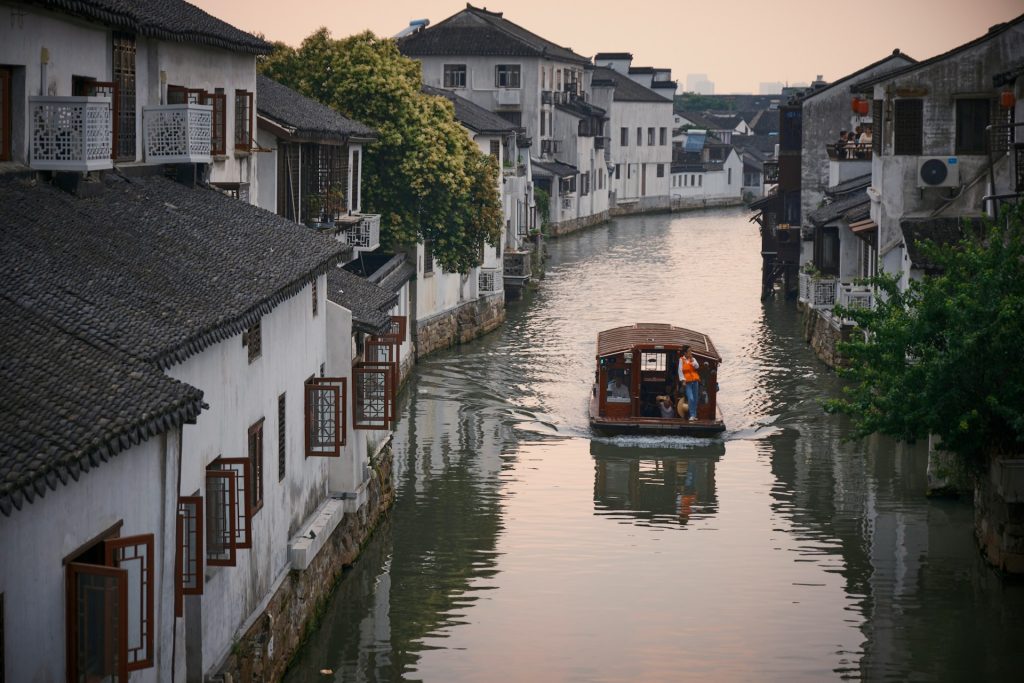
For many U.S. travelers, Suzhou is the place that resets scale. After monumental plazas and mega-sites, these gardens feel intimate, even quiet. Then the detail starts to register, and visitors realize each doorway, pond reflection, and corridor turn is doing careful visual work.
UNESCO lists the Classical Gardens of Suzhou as World Heritage, emphasizing their long influence on Chinese garden art and design thinking. That framing helps explain why the spaces feel less decorative and more philosophical.
The practical surprise is timing. Smaller spaces can feel crowded if entered at peak hours, so route planning across multiple gardens, canals, and nearby museums usually produces a better rhythm than staying too long in one place.
By the end of the day, visitors who expected modest sites often describe some of the strongest memories of the trip. Suzhou proves that travel impact does not always come from size. It can come from precision, stillness, and the discipline of design.
Jiuzhaigou Rewards Travelers Who Respect the System
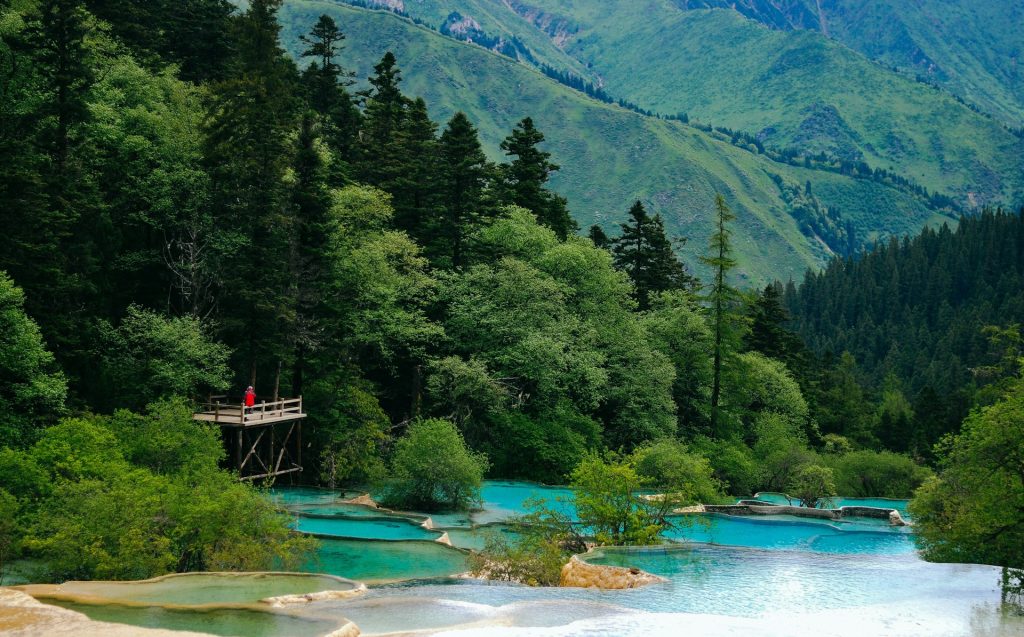
Jiuzhaigou is frequently imagined as a pure nature escape with minimal structure. American visitors often arrive expecting flexible movement similar to open national-park driving loops. What they encounter is a protected valley where routing and pacing are actively managed.
UNESCO recognizes Jiuzhaigou Valley Scenic and Historic Interest Area for exceptional natural values, which helps explain why conservation-focused visitor systems are central to how the destination operates.
That structure can feel unfamiliar at first, especially to travelers who equate spontaneity with authenticity. Yet the managed flow often makes sense once people see how fragile colors, forests, and lake margins are across seasons and visitor volumes.
The emotional surprise is strong. Jiuzhaigou looks almost edited in real life, with layered blues and greens that feel unreal until weather shifts and water clarity prove otherwise. Visitors usually leave with a stronger appreciation for the tradeoff between access and preservation.
Chengdu Balances Panda Dreams With Real Urban Rhythm
Many Americans come to Chengdu focused on one thing: pandas. That expectation is understandable, but the deeper surprise is how quickly the city expands beyond a single wildlife headline into food culture, tea traditions, and an easy, social pace that rewards unhurried plans.
UNESCO’s Sichuan Giant Panda Sanctuaries include key conservation areas such as Wolong and surrounding mountain zones, reminding visitors that panda culture is tied to large-scale habitat protection, not just urban viewing facilities.
At popular panda venues, timing and route choices matter more than people expect. Morning entries, transport planning, and realistic pacing can completely change the experience, especially for travelers who want both animal viewing and city exploration in the same day.
By evening, many visitors discover Chengdu’s bigger gift: balance. Serious conservation, everyday street life, and long-table dining all coexist. The city often surprises Americans by feeling both globally known and deeply local at the same time.
Lhasa Changes Expectations About Travel Pace and Purpose
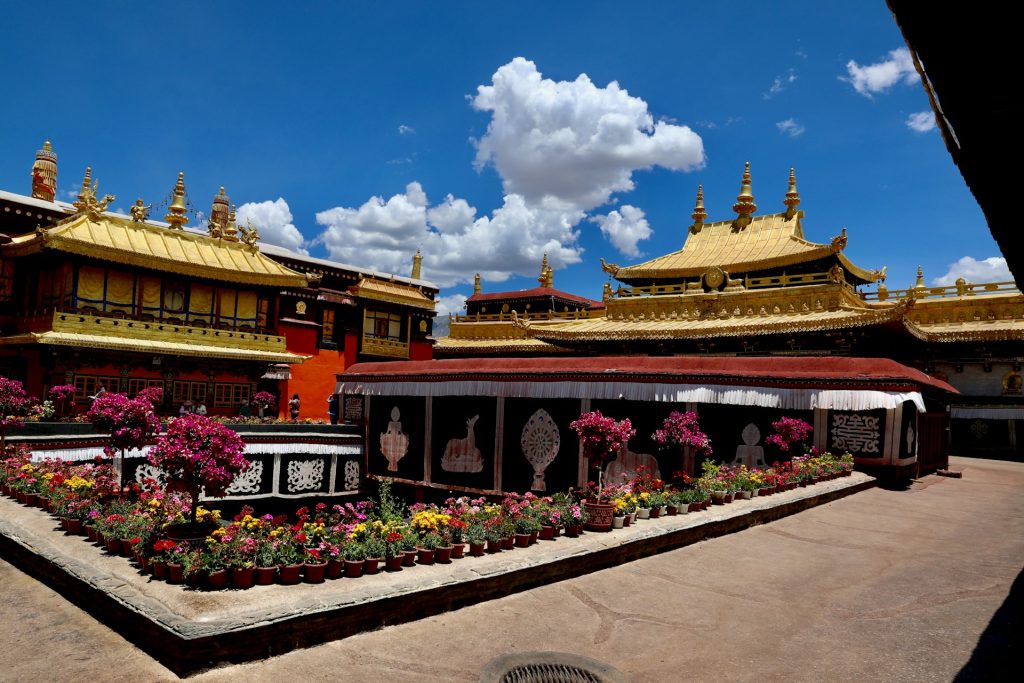
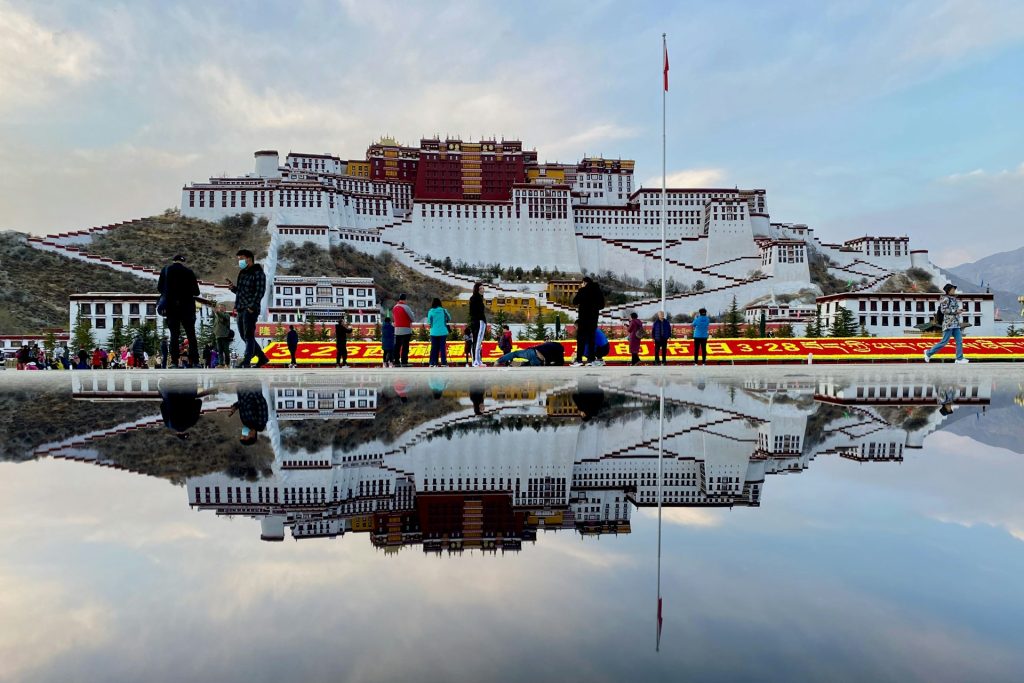
Lhasa surprises American visitors first through atmosphere. The city sits at high elevation, and the visual impact of mountain light, religious architecture, and ceremonial movement creates a sense that travel here is not only about sightseeing, but about orientation and respect.
The Historic Ensemble of the Potala Palace in Lhasa is UNESCO-listed, and U.S. travel guidance also notes that foreign travelers to the Tibet Autonomous Region generally need additional permits and are usually subject to organized travel arrangements.
For many Americans, that structure feels more formal than expected. It can limit last-minute improvisation, but it also creates clearer routing through complex sites where altitude, security, and heritage protection all matter at once.
The lasting surprise is often personal. Lhasa slows people down, and that slower pace changes what they notice: not just monuments, but gestures, prayer patterns, and street-level rituals. Visitors leave with fewer rushed photos and a stronger sense of place.