8 Tourist Cities That Shut Down Early in Fall
Many destinations thrive on summer crowds but slow dramatically once fall arrives. Shorter days, seasonal businesses, and local rhythms reshape daily life. Travelers expecting lively streets often encounter shuttered shops and early evenings. This shift reflects climate, tourism patterns, and local customs rather than decline. Understanding where fall brings quiet helps avoid mismatched expectations. These eight tourist cities noticeably wind down early in the fall season. Each remains appealing in its own way, yet operates on a reduced tempo that surprises visitors accustomed to peak energy, extended hours, and constant activity during warmer months globally. This seasonal slowdown often feels abrupt to first time fall travelers.
Santorini
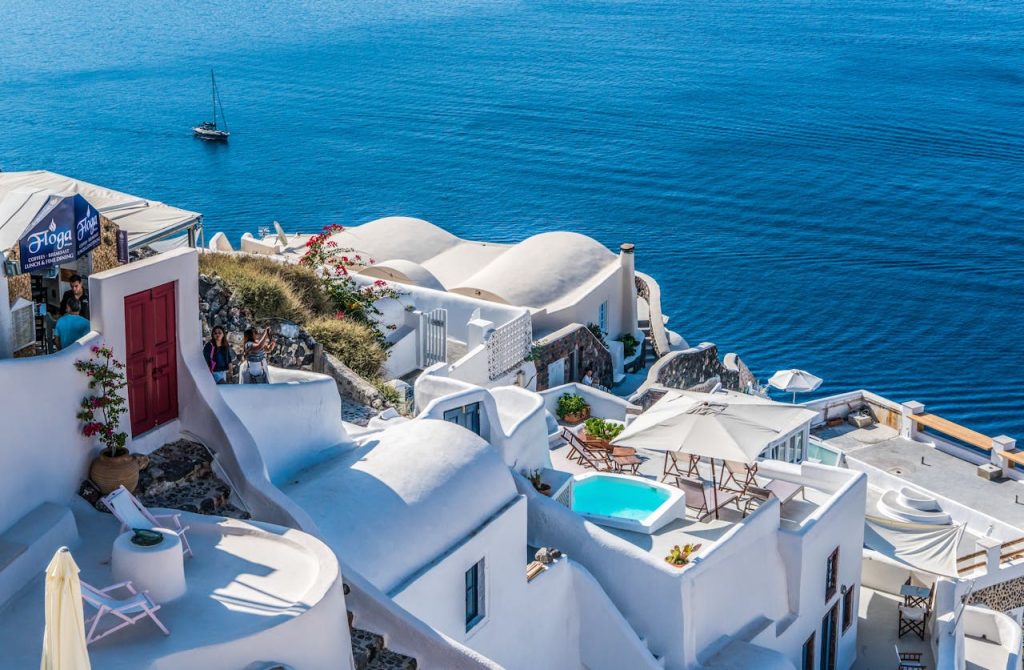
Santorini shuts down quickly once early fall arrives. Cruise traffic drops sharply. Seasonal hotels close by October. Restaurants reduce hours or stop service entirely. Ferry schedules thin out. Beach clubs dismantle setups. Local life becomes quieter. Sunsets still glow, but crowds vanish. Travelers expecting vibrant nightlife encounter calm streets. The island transitions to resident routines fast. Wind increases, and swimming declines. Santorini remains beautiful, yet infrastructure scales back noticeably. Fall visitors experience limited dining choices and reduced transport. The dramatic summer atmosphere fades early, making Santorini feel subdued well before winter officially begins across the Cyclades.
Dubrovnik
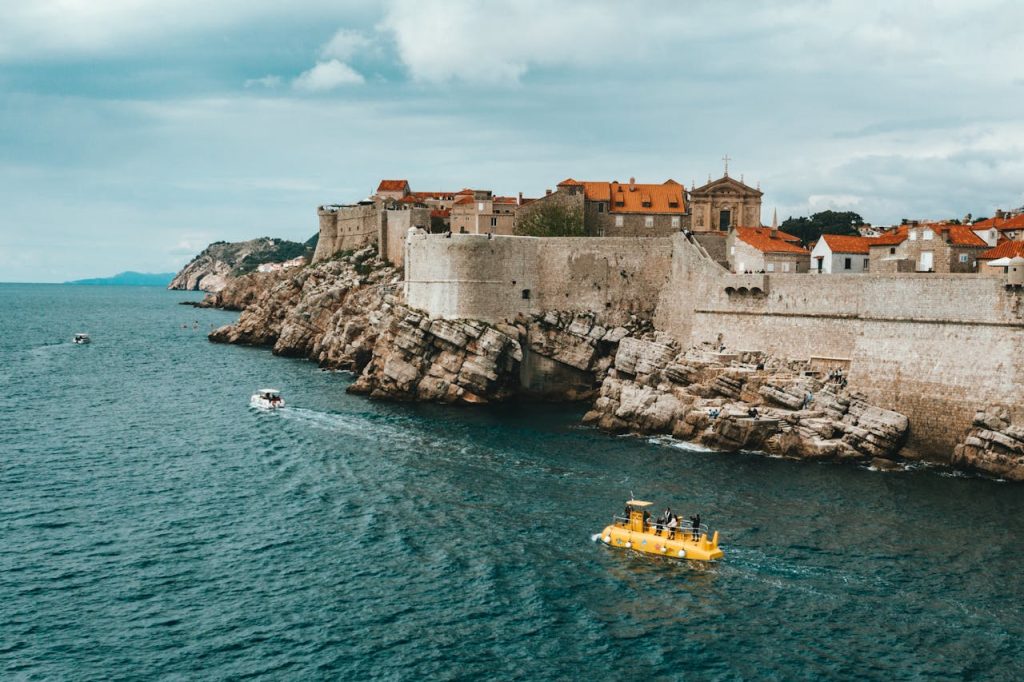
Dubrovnik quiets earlier than expected in fall despite mild weather. Cruise ships depart by late September. Guided tours thin quickly. Restaurants near the Old Town reduce hours. Shops close earlier each evening. Locals reclaim public spaces. Beach activity fades rapidly. Visitors expecting bustling streets find calmer walks along the walls. The city feels more residential. Transportation options decrease. Dubrovnik remains scenic, yet its tourism engine slows fast. Fall brings a noticeable shift away from hospitality focused operations. Travelers arrive expecting peak Mediterranean energy but encounter a city already transitioning into its off season rhythm. This contrast often catches first time visitors off guard unexpectedly.
Mackinac Island
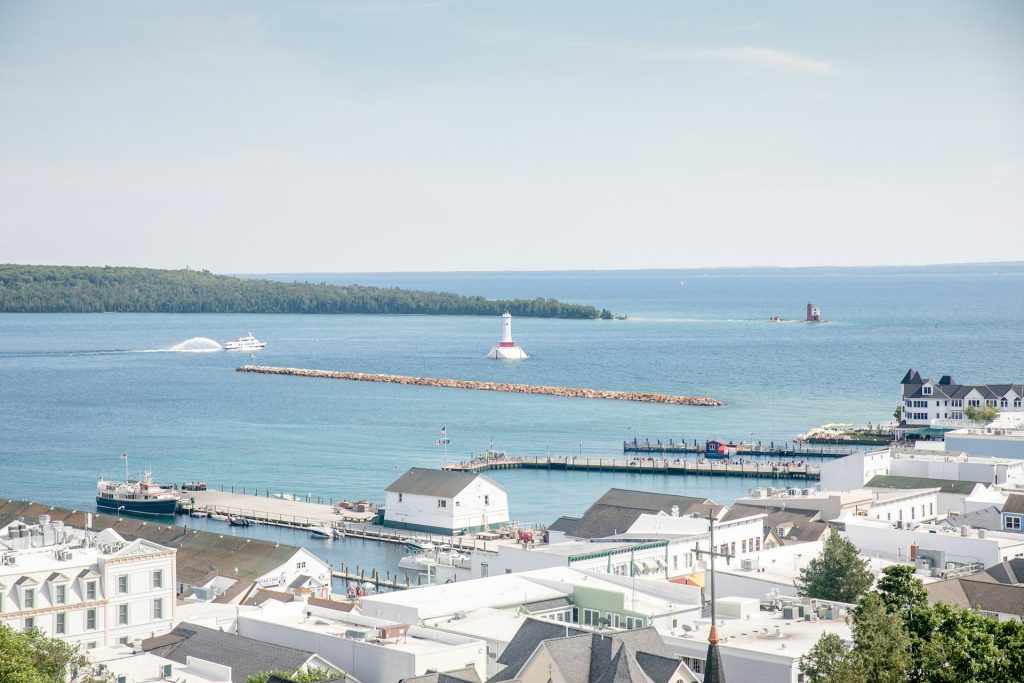
Mackinac Island shuts down rapidly after summer ends. Seasonal hotels close soon after Labor Day. Restaurants reduce menus or stop service. Ferry schedules become limited. Shops close for the year. Horse drawn transport continues, but activity drops. Fall weather cools quickly. Tour groups disappear. Evenings grow quiet early. Visitors expecting lively charm encounter near stillness. The island shifts fully toward off season life. Mackinac remains picturesque, yet tourism infrastructure retracts fast. Fall travelers must plan carefully, as options for dining, lodging, and activities decline sharply within weeks of summer’s end. This seasonal slowdown surprises visitors accustomed to longer tourist seasons.
Banff
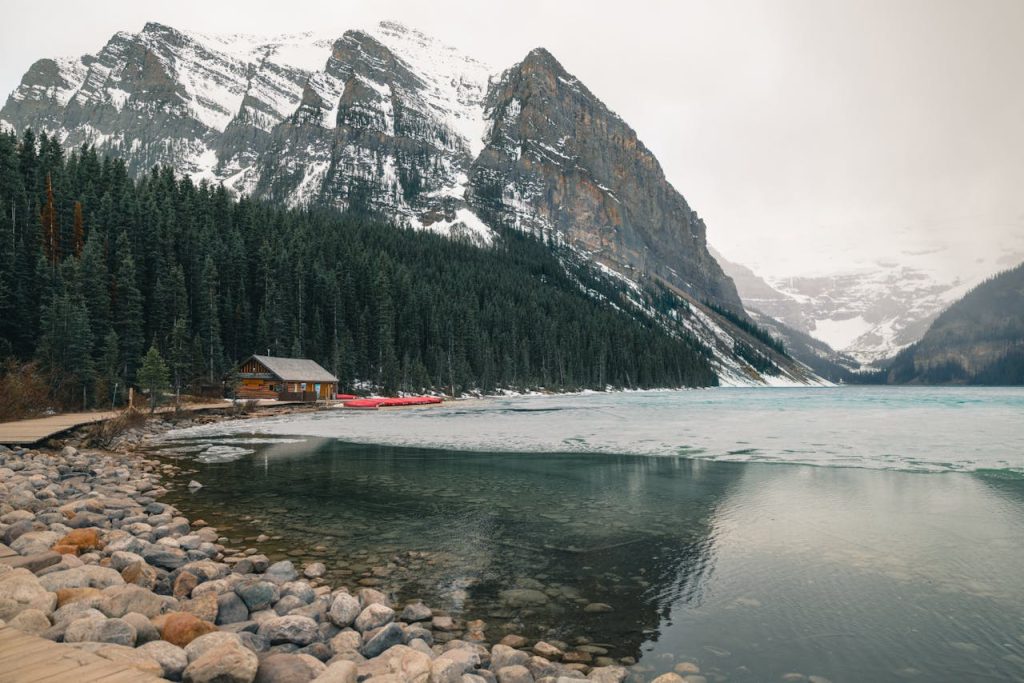
Banff slows earlier in fall as seasonal tourism declines. Summer hiking traffic drops fast. Guided excursions end by late September. Some lodges close temporarily. Restaurant hours shorten. Wildlife activity shifts. Weather becomes unpredictable. Daylight decreases quickly in the mountains. Travelers expecting summer accessibility encounter reduced services. Gondolas and attractions move to limited schedules. Banff remains scenic, yet its tourism pace changes abruptly. The town transitions toward winter operations sooner than expected. Fall visitors find fewer options and quieter streets, experiencing a destination already preparing for snow season rather than lingering in peak autumn travel mode.
Reykjavik
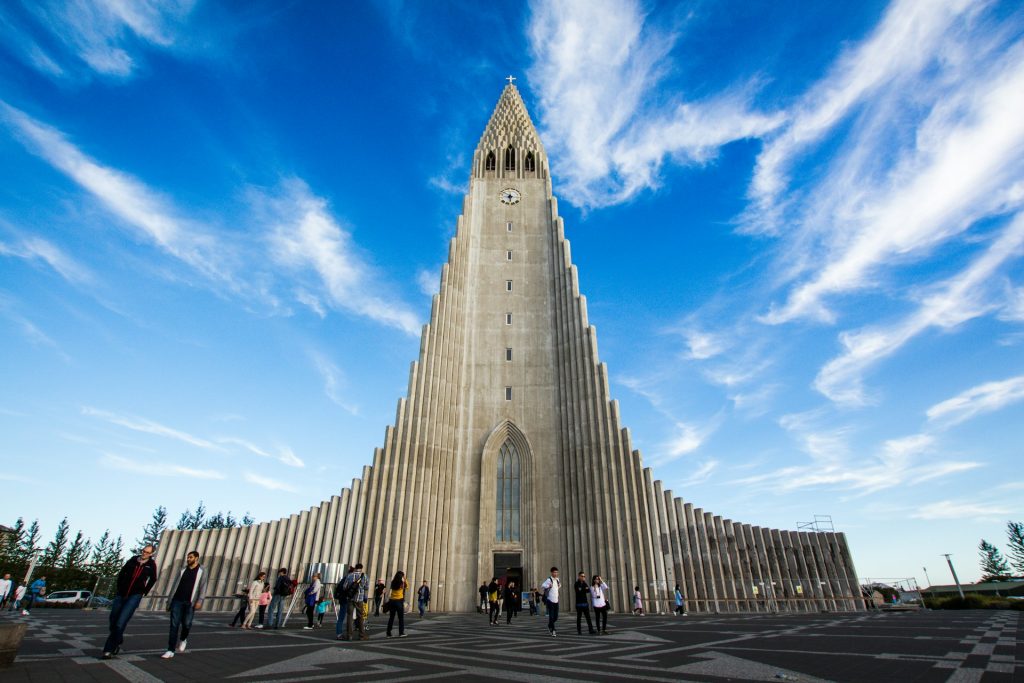
Reykjavik quiets notably in early fall as tourism transitions. Summer festivals end by September. Guided tours scale back. Daylight shortens rapidly. Smaller businesses close earlier. Cruise traffic declines. Visitors expecting lively late nights encounter calmer evenings. The city shifts toward local routines. Weather changes quickly, affecting travel plans. City culturally rich, yet its tourist infrastructure slows sooner than anticipated. Fall brings a visible reduction in services and activity. Travelers arriving after summer peak often experience a city already easing into winter mode, with fewer options and earlier closures. This seasonal change surprises visitors accustomed to extended summer travel rhythms.
Positano
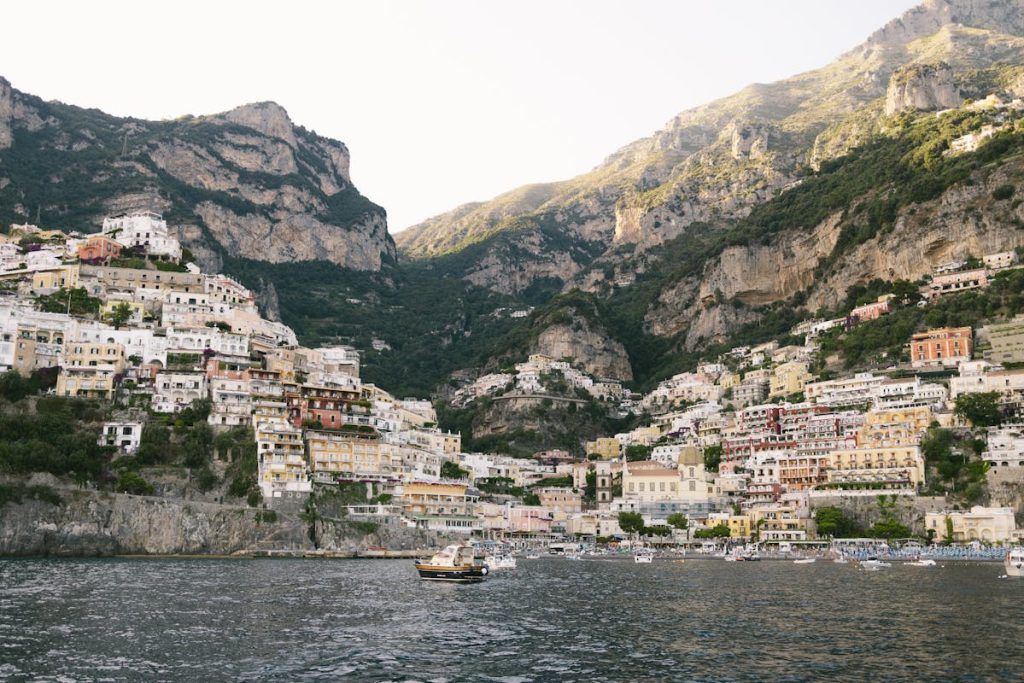
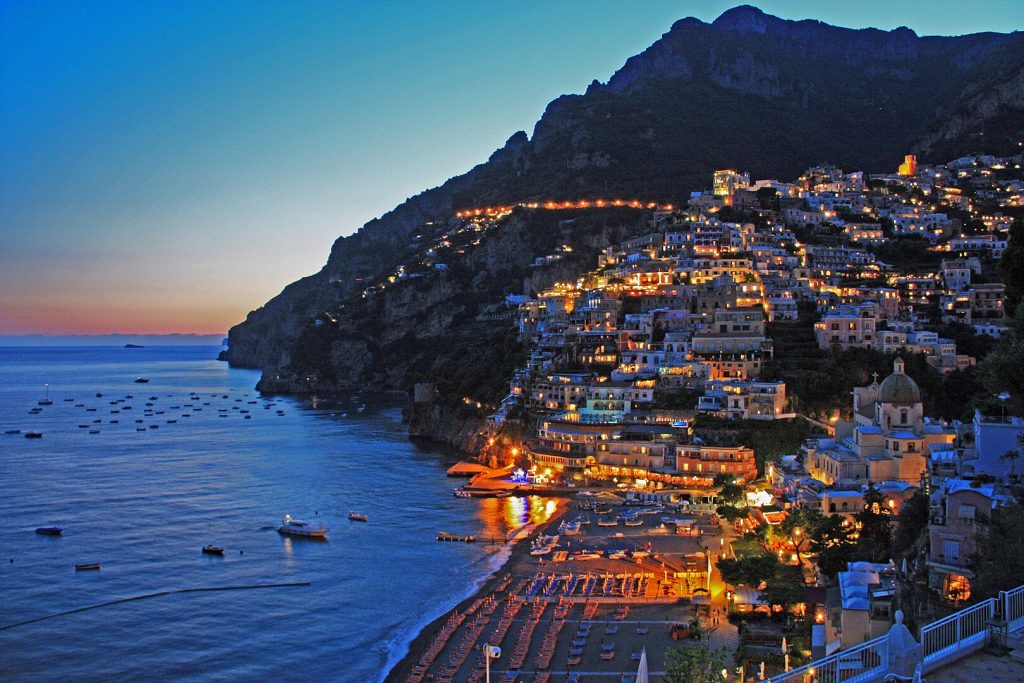
Positano shuts down swiftly once fall begins. Seasonal hotels close by October. Beach clubs remove loungers. Ferry routes reduce frequency. Restaurants scale back hours. Nightlife disappears quickly. The village grows quiet. Locals prepare for winter. Travelers expecting lively coastal evenings find subdued streets. Weather cools, limiting swimming. Positano remains visually striking, yet tourism operations contract fast. Fall visitors encounter limited dining and transport choices. The iconic summer energy fades early. Positano transitions from bustling resort to sleepy hillside town well before winter, surprising travelers who expect extended Mediterranean seasons. This seasonal shift reshapes daily rhythms and visitor expectations.
Capri
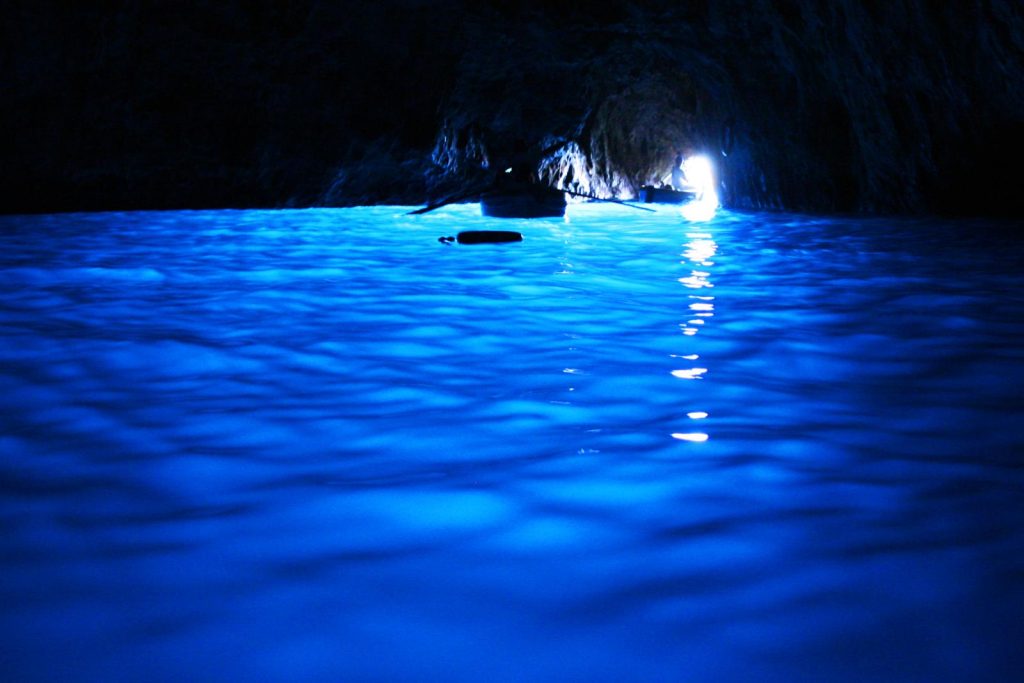
Capri winds down early in fall as luxury tourism declines. Day trippers vanish quickly. High end shops close or reduce hours. Restaurants scale back menus. Ferry schedules thin. Beach clubs dismantle facilities. The island feels calmer. Local routines return. Travelers expecting glamorous evenings find quiet piazzas. Weather cools enough to deter swimming. Capri remains beautiful, yet its seasonal economy contracts fast. Fall brings fewer services and limited nightlife. Visitors arriving late season experience a destination already shifting toward off season operations rather than maintaining peak summer vibrancy. This shift surprises many travelers accustomed to Mediterranean resort seasons.
Interlaken
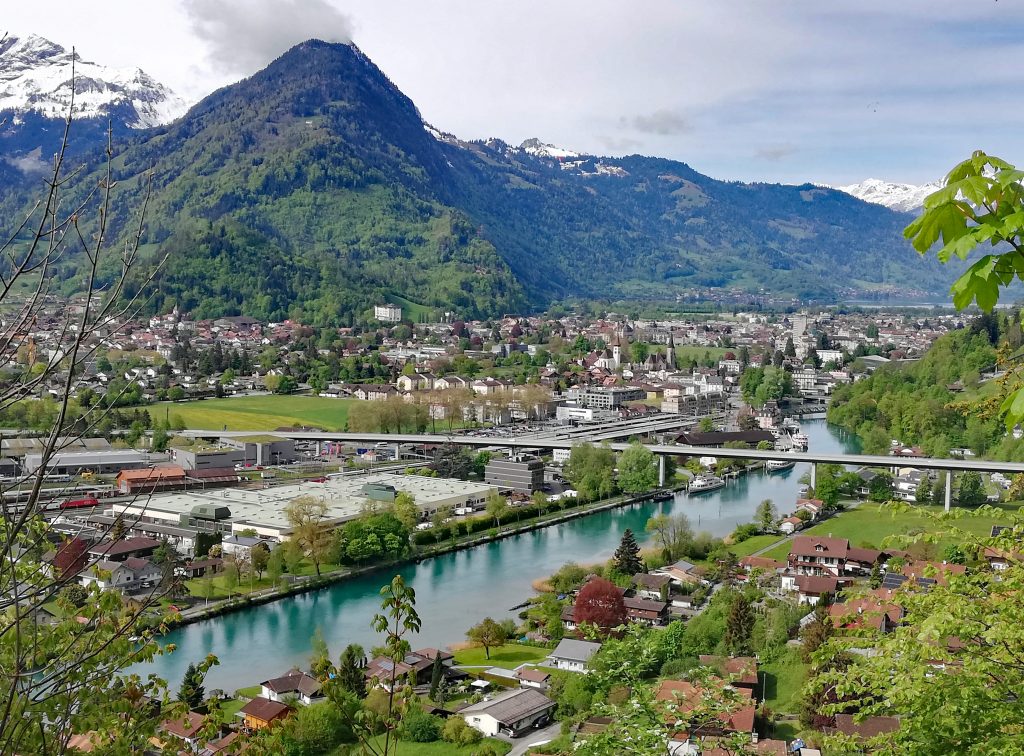
Interlaken slows noticeably once early fall arrives. Summer adventure tourism declines quickly. Guided excursions reduce frequency. Some hotels close between seasons. Restaurants shorten hours. Outdoor activities depend heavily on weather. Mountain conditions change rapidly. Travelers expecting nonstop energy encounter quieter streets. The town prepares for winter sports. Transportation remains functional but less frequent. Interlaken stays scenic, yet its tourism rhythm shifts abruptly. Fall visitors experience fewer options and reduced activity. The destination transitions out of summer faster than expected, creating a calm atmosphere that contrasts sharply with its peak season reputation for constant movement and adventure.