8 Tourist Cities Where Food Prices Shock First-Time Visitors
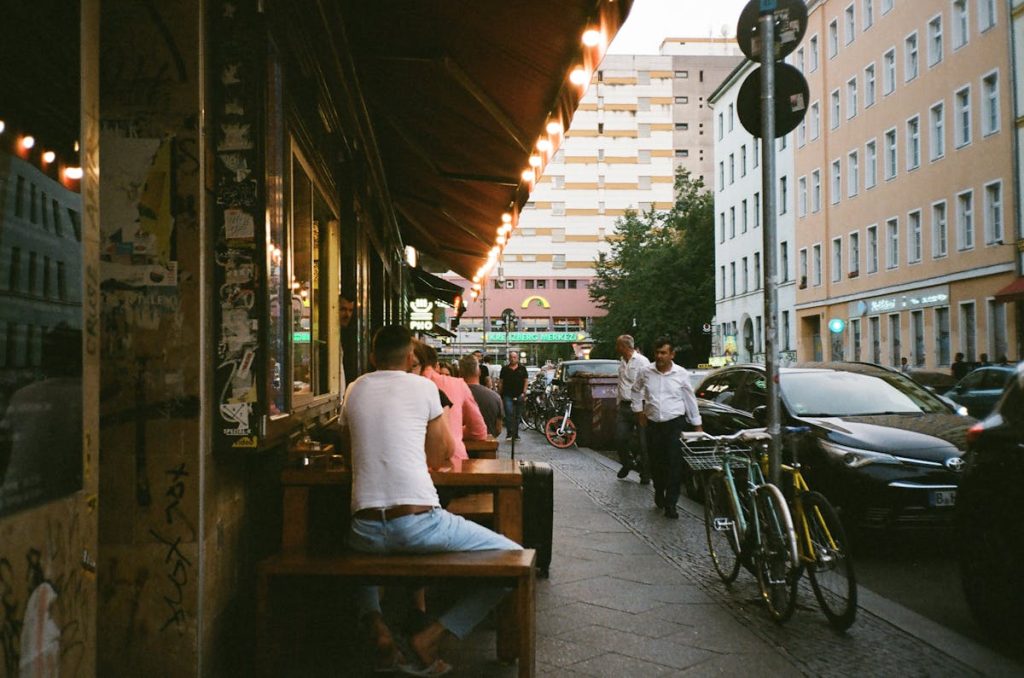
Food costs often surprise travelers more than lodging or transportation, especially in popular tourist cities. Menus rarely reflect everyday prices locals pay. High demand, limited space, and tourism driven economies push restaurant costs upward quietly. First time visitors arrive expecting regional affordability, only to encounter premium pricing for ordinary meals. Taxes, service charges, and tipping customs add to the shock. These cities remain desirable destinations, yet food expenses reshape travel budgets quickly. Understanding where prices spike helps set realistic expectations. The following cities highlight places where dining costs feel unexpectedly high for newcomers navigating famous streets, landmarks, and neighborhoods.
New York City
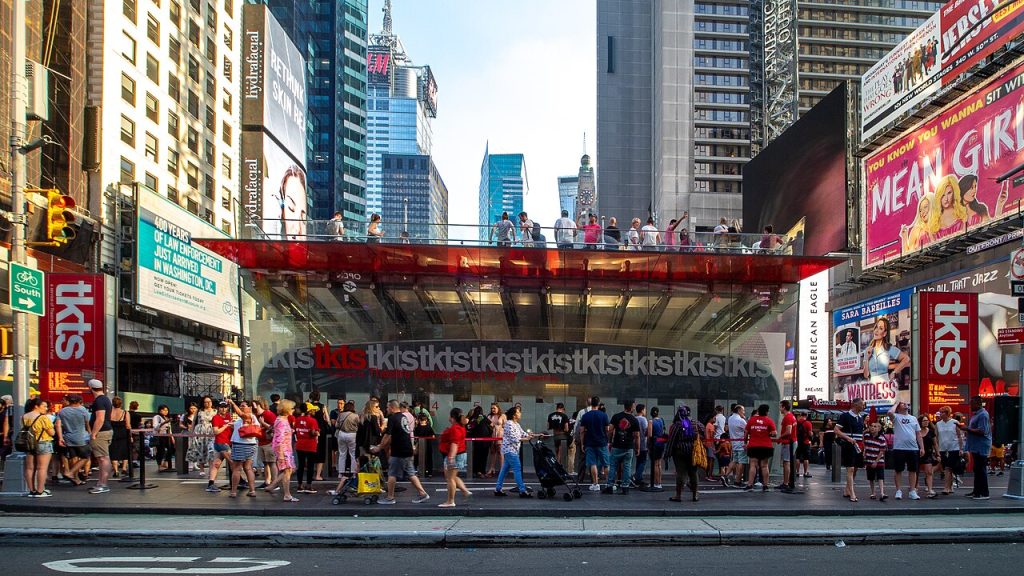
New York City’s food scene attracts global attention, but prices surprise many visitors. Simple breakfasts cost more than expected. Casual lunches rival fine dining elsewhere. Neighborhood differences matter, yet tourist areas dominate itineraries. Taxes and tipping inflate final bills quickly. Portion sizes do not always match price. Convenience meals feel premium. Grocery stores charge higher baseline rates. Delivery fees add further expense. Marketing highlights variety, not cost. First time visitors often underestimate daily food budgets. The city rewards culinary exploration, but dining requires financial planning. New York’s constant demand and high operating costs shape prices far beyond what newcomers anticipate initially.
Paris
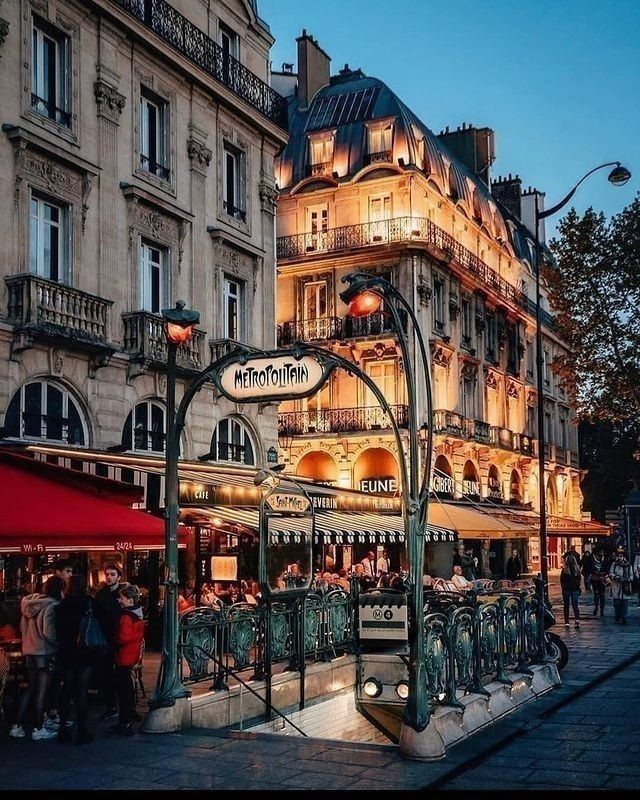
Paris carries a reputation for everyday café culture, yet food prices may shock many travelers. Sidewalk cafés charge premium rates near destination and landmarks. Even basic croissants cost more in tourist districts. Set menus inflate quickly with drinks. Service charges appear embedded but still surprise. Portion sizes remain modest. Casual dining feels formal and costly. Grocery shopping near attractions costs more. Dining expectations clash with reality. First time visitors expect affordability from tradition. Paris still values quality, but location drives price. Understanding neighborhood differences helps, yet central dining often strains budgets faster than anticipated during initial visits.
London
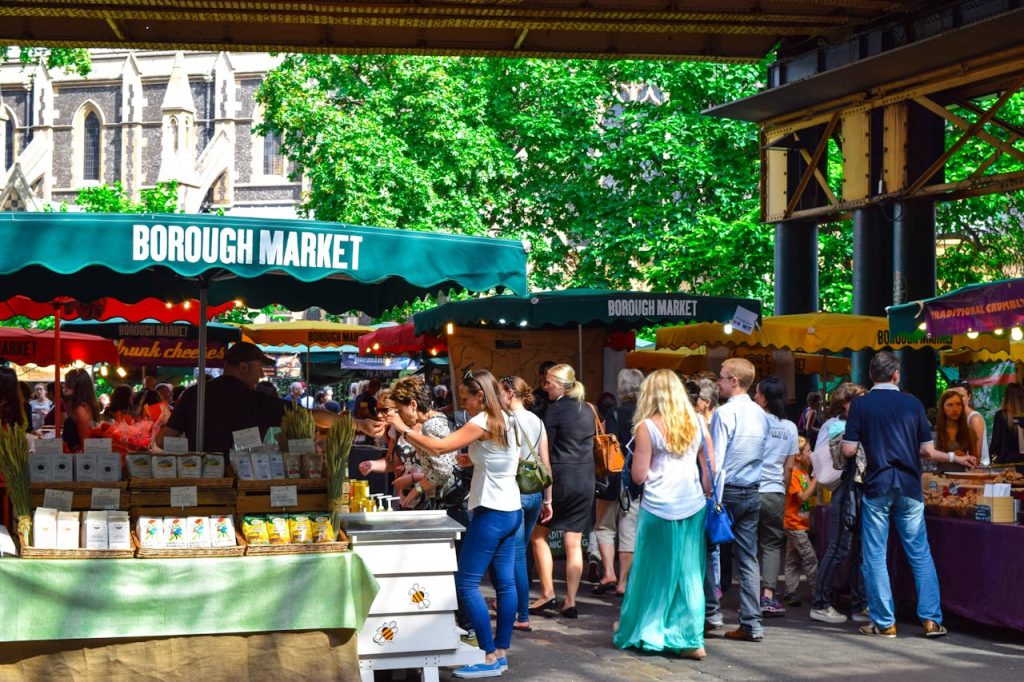
London’s dining costs surprise travelers expecting pub affordability. Central areas charge premium prices for ordinary meals. Coffee prices rival full meals elsewhere. Taxes and service charges increase totals quietly. Portions feel restrained. Tourist neighborhoods dominate itineraries. Grocery prices shock visitors as well. Marketing emphasizes culture, not cost. Currency conversion adds confusion. First time visitors underestimate daily expenses. London’s real estate costs influence menus heavily. Dining remains enjoyable but financially demanding. Without careful planning, food budgets escalate quickly, reshaping itineraries and limiting spontaneity for newcomers navigating famous districts and historic streets.
Tokyo
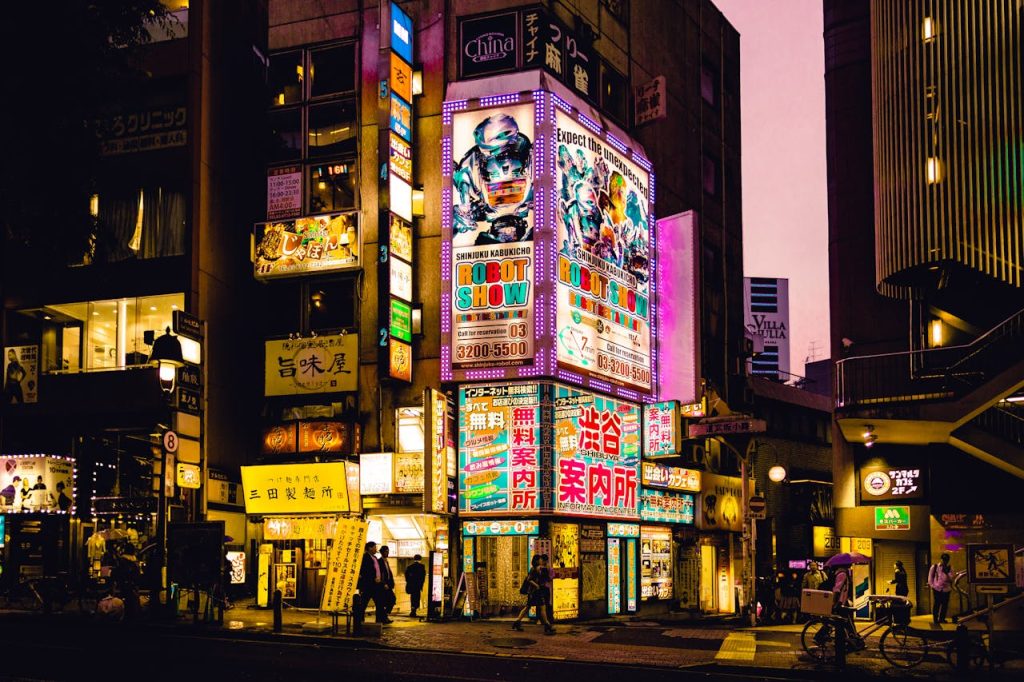
Tokyo’s food reputation suggests affordability, yet prices surprise visitors. Tourist districts charge more than local neighborhoods. Casual meals near attractions cost significantly higher. Portion sizes feel smaller than expected. Specialty items add cost quickly. Convenience stores remain affordable, but restaurants inflate pricing. Currency differences confuse budgets. Service expectations vary. Marketing highlights value dining without context. First time visitors gravitate toward popular areas. Tokyo offers range, but location dictates price strongly. Understanding local dining zones helps control spending. Without awareness, food costs rise rapidly despite perceptions of Japan as budget friendly for everyday meals.
Rome

Rome’s culinary image suggests rustic simplicity, yet food prices shock newcomers. Restaurants near historic sites charge premium rates. Tourist menus inflate costs quietly. Bread and service fees add unexpected charges. Portion sizes vary widely. Simple pasta dishes cost more than expected. Water often costs extra. Dining near landmarks dominates first itineraries. Marketing emphasizes tradition, not expense. First time visitors underestimate costs. Rome rewards exploration away from attractions, but central dining strains budgets. Without research, travelers pay significantly more for meals than anticipated while navigating iconic streets and ancient landmarks throughout the city.
Dubai

Dubai’s dining scene reflects luxury, surprising many visitors. Even casual restaurants charge premium prices. Imported ingredients raise menu costs. Alcohol increases bills dramatically. Service charges add quietly. Mall dining dominates tourist experiences. Portion sizes do not justify prices always. Currency perception skews expectations. Marketing emphasizes glamour over expense. First time visitors underestimate food budgets. Local eateries exist but feel less accessible. Dubai’s tourism driven economy pushes pricing upward consistently. Dining remains polished yet costly. Without planning, travelers encounter sticker shock quickly while navigating famous districts, waterfronts, and shopping centers during initial visits.
Sydney
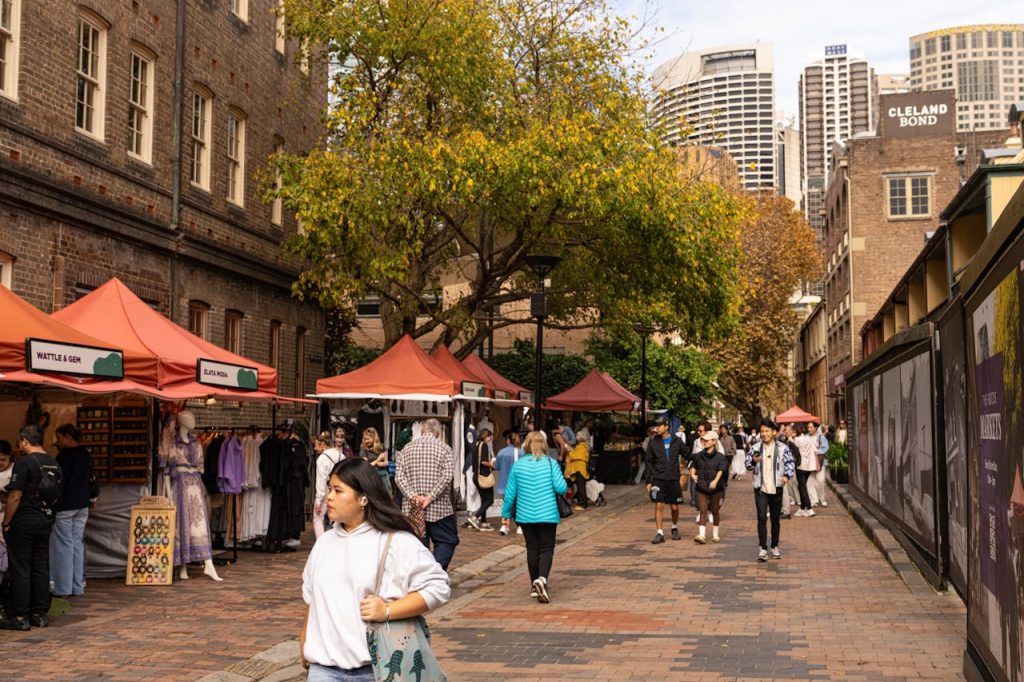
The restaurants in Sydney’s food prices surprise visitors expecting relaxed coastal dining. Cafés charge premium rates for basics. Coffee costs escalate quickly. Casual lunches feel expensive. Taxes embed into prices subtly. Portion sizes feel moderate. Tourist neighborhoods dominate dining choices. Grocery prices shock newcomers. Currency conversion complicates budgeting. Marketing highlights lifestyle, not cost. First time visitors underestimate daily spending. Sydney’s high operating costs drive menus upward. Dining remains high quality but costly. Without preparation, travelers experience budget strain while exploring harbors, beaches, and central districts throughout their stay.
Reykjavik
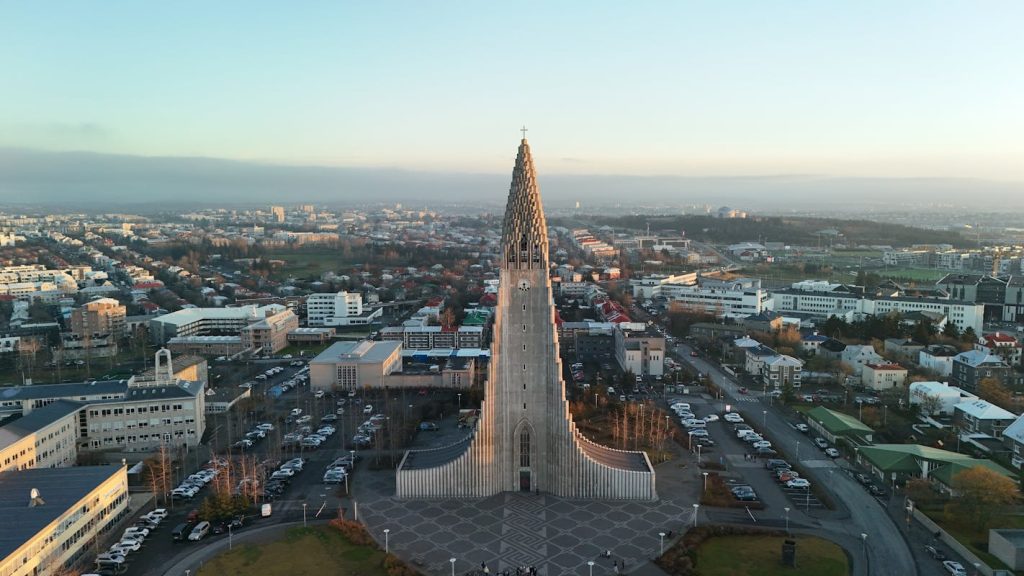
The restaurants of Reykjavik consistently shocks visitors with food prices. Imports dominate menus which affected with raising costs. Simple meals cost significantly more than expected. Casual dining feels premium. Alcohol prices amplify bills. Limited competition affects pricing. Portion sizes remain modest. Grocery shopping offers little relief. Currency conversion worsens perception. Marketing emphasizes nature, not dining expense. First time visitors underestimate food budgets drastically. Reykjavik’s isolation drives costs higher. Dining becomes a calculated choice. Without preparation, travelers face rapid budget exhaustion while exploring Iceland’s capital and surrounding attractions.