8 Travel Spots Where Freedom Feels Reduced
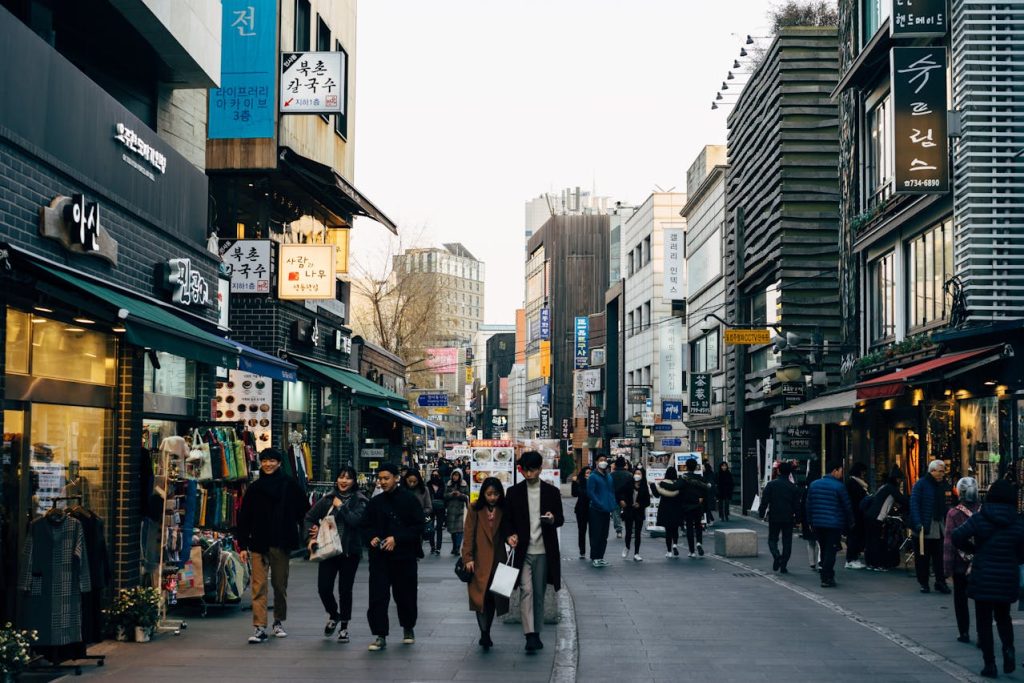
Travel still offers wonder, but in many headline destinations, movement now feels more managed than spontaneous. What used to be an open day of wandering is increasingly shaped by entry slots, neighborhood curfews, route controls, and pre-booked windows meant to protect local life and fragile heritage, especially in historic cores.
The change is not about closing doors. It is about drawing clearer boundaries after years of crowd pressure at scale. The result is a different kind of trip: still memorable, but less improvisational, with freedom filtered through timing rules, fees, and limits that barely existed a decade ago.
1. Venice, Italy

Venice now requires many day visitors to register and pay on designated peak dates, and the city expanded that system for 2025 with more chargeable days and a higher fee for late booking. Officials kept the regular entry charge at 5 euros for early registration, then doubled it to 10 euros for last-minute access on covered dates.
That one change reshapes how people move through the city. A spontaneous stop can still happen on non-charge days, but high-demand periods now run on planning discipline and checkpoint verification. The old habit of drifting in at will has been replaced, in part, by a timetable, a code, and a cost signal.
2. Rome, Italy
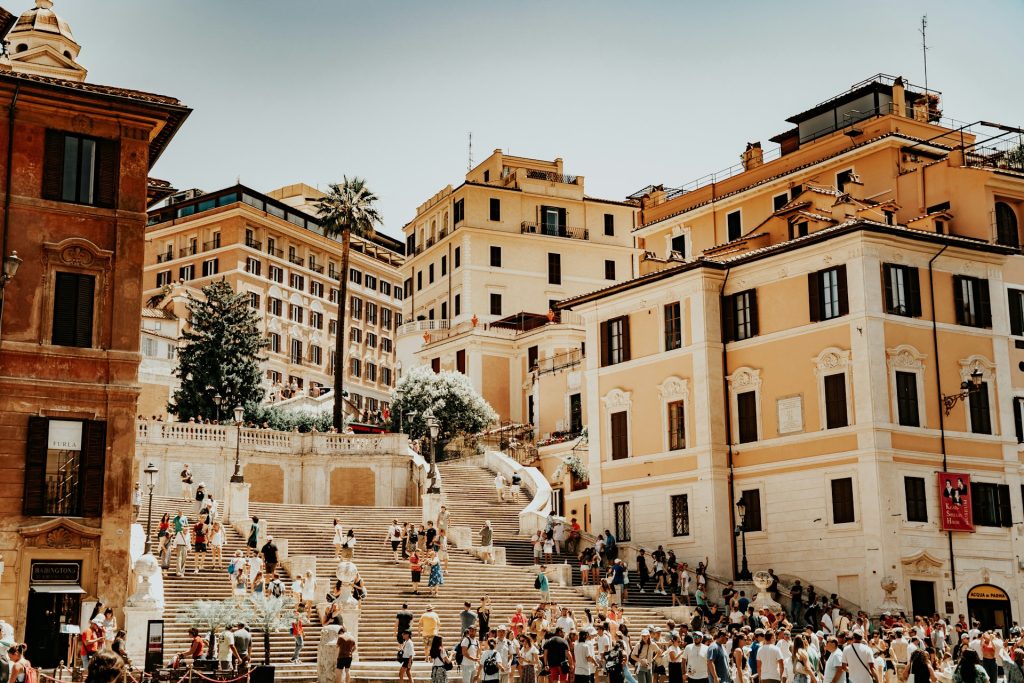
Rome introduced a 2-euro access fee at Trevi Fountain in Feb. 2026 for people entering the close basin area during controlled hours, while the upper piazza remains open without charge. City officials framed the move as a crowd-management and maintenance tool after intense footfall around one of Italy’s most photographed landmarks.
The practical effect is subtle but real. Visitors still reach the site freely, yet the most immersive viewing zone now depends on timing and payment, not simply arrival. That creates a tiered experience in a place once defined by open, shared proximity and spontaneous lingering at all hours for all.
3. Barcelona, Spain
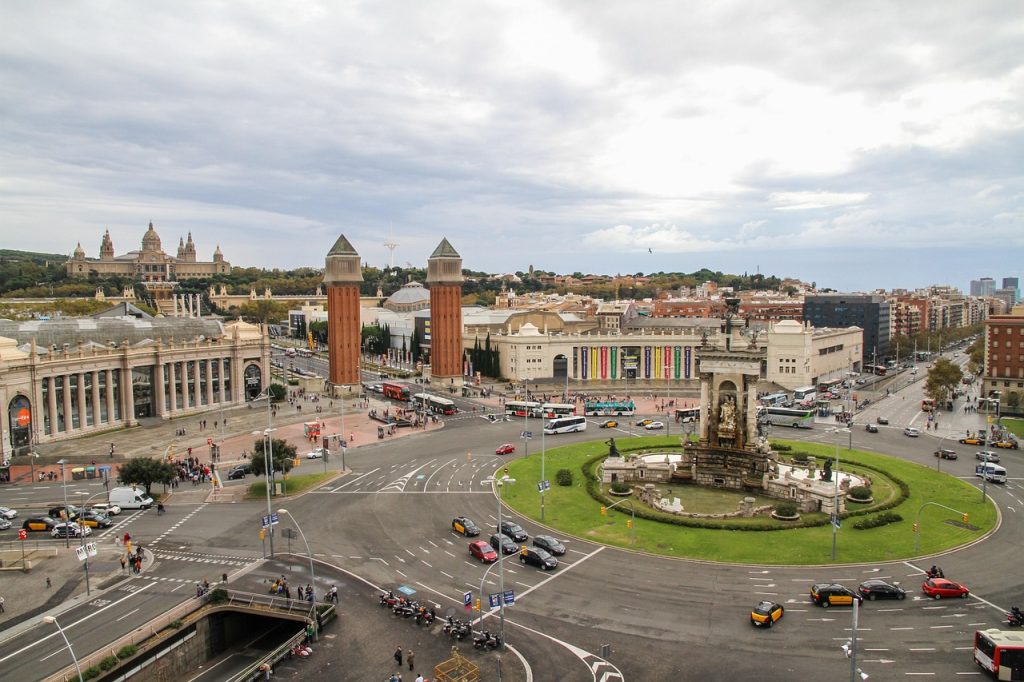
Barcelona announced that licensed tourist apartments will be phased out by 2028, then gained legal reinforcement when Spain’s Constitutional Court backed the measure. City leaders tied the policy to housing pressure, saying resident affordability and neighborhood stability had been strained by short-stay conversion.
For travelers, reduced freedom shows up in lodging flexibility more than at monument gates. Fewer short-let options in central districts can mean less last-minute choice and more dependence on hotels. The city is still open and culturally rich, but its stay model is being intentionally narrowed to protect urban livability.
4. Amsterdam, Netherlands
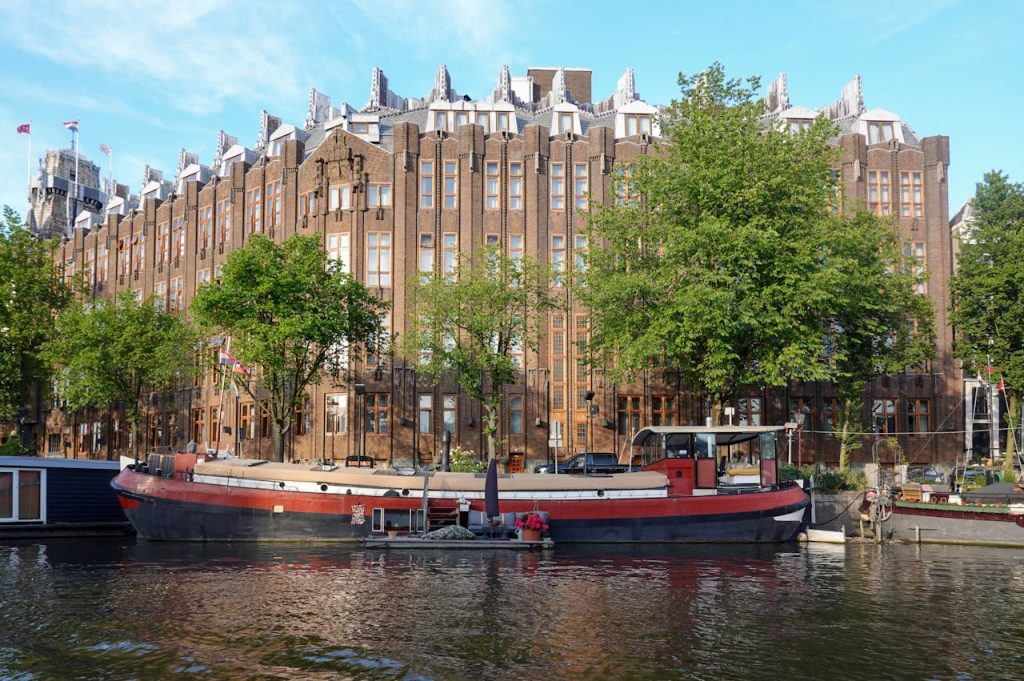
Amsterdam has curtailed tourism expansion by blocking most new hotel construction unless an existing property closes, keeping overall bed capacity from rising. Officials linked the policy to livability targets and repeated concerns that central districts were carrying more visitor pressure than residents could comfortably absorb.
Nothing about the canals or museums has disappeared, yet the city’s growth logic changed. Expansion used to be the default response to demand; now restraint is built into policy. That means fewer fresh room openings in core areas and less room for spontaneous peak-season overnights when demand surges quickly.
5. Seoul, South Korea
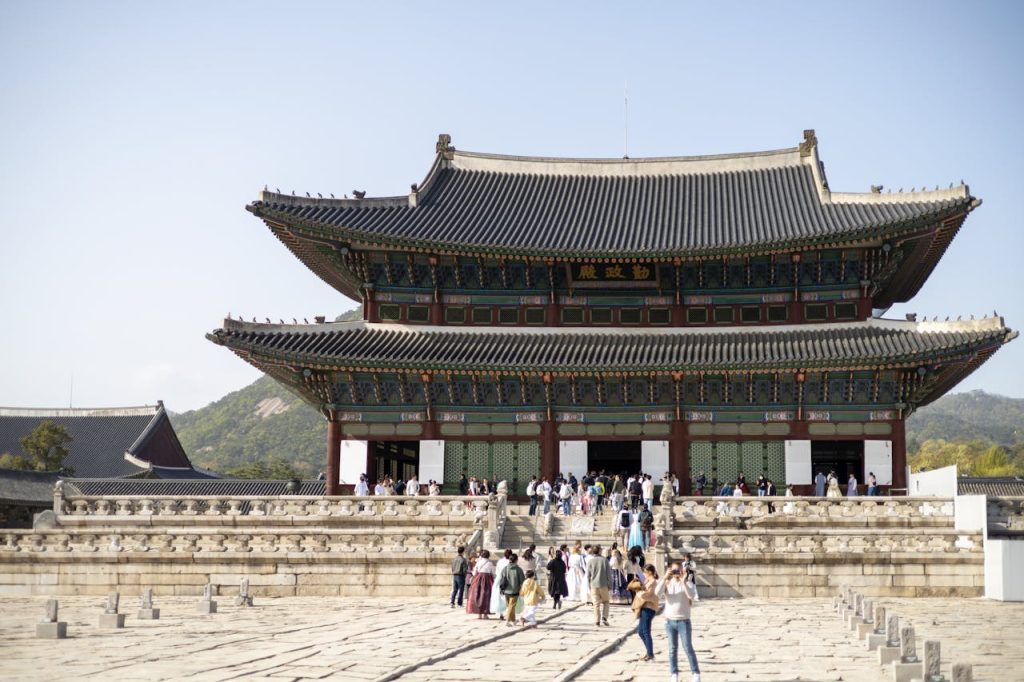
Seoul’s Bukchon Hanok Village now limits tourist access in its Red Zone from 5:00 p.m. to 10:00 a.m., following city guidance issued in late 2024. The policy responded to resident complaints about noise, privacy loss, and dense foot traffic in narrow lanes that function as lived-in housing.
The rule does not erase cultural access, but it changes the district’s rhythm. Evenings and early mornings now prioritize neighborhood life over sightseeing flow, and enforcement signals that boundaries are no longer symbolic. Movement remains possible, yet it is timed, conditioned, and clearly secondary to local routines each day for all.
6. Kyoto, Japan
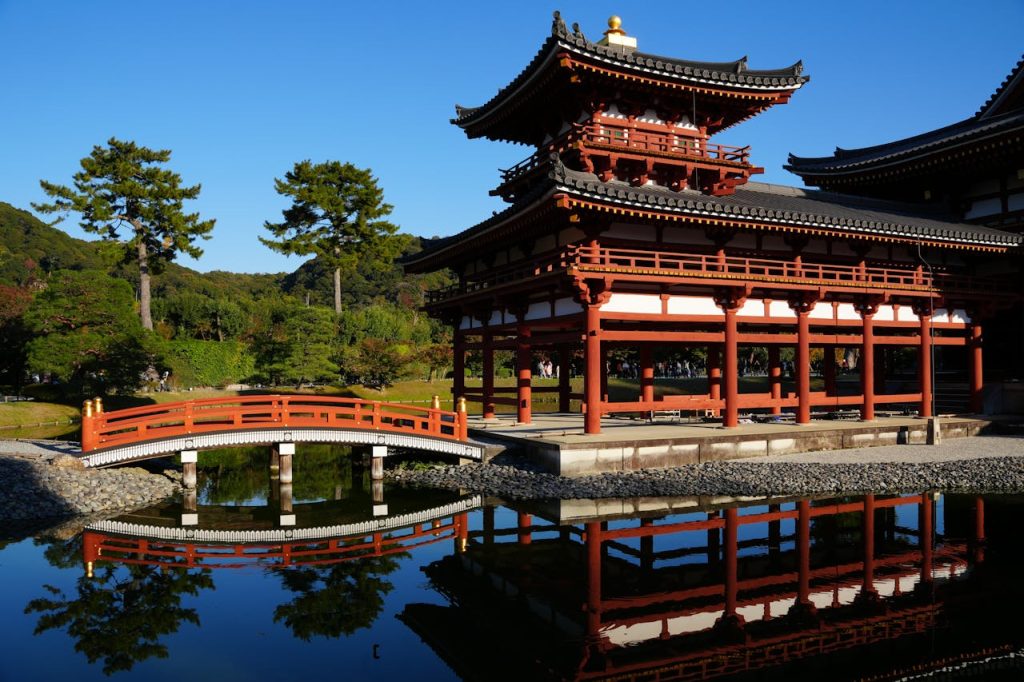
Kyoto’s Gion district tightened private-street boundaries after repeated complaints about intrusive behavior around geiko and maiko communities. Local notices and reporting stressed that tourists should not enter certain alleys, with signs referencing penalties and reminding visitors these are lived streets, not staged attractions.
That distinction changes movement on the ground. Main public roads remain open, but visual openness no longer equals public access in every lane. The experience is still rich, yet it now depends on reading local etiquette carefully and accepting that some photogenic passages are intentionally off-limits.
7. Mount Fuji, Japan
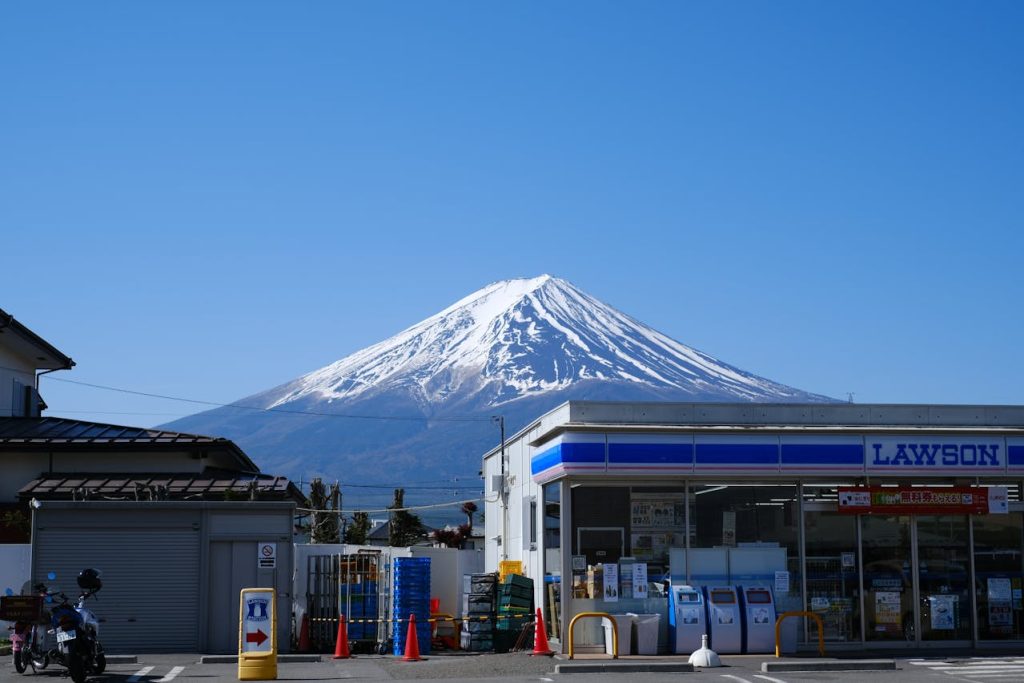
Mount Fuji’s climbing system now runs with tighter controls than many travelers remember. Official guidance for recent seasons introduced a mandatory 4,000-yen hiking fee on major routes, gate rules, and reservation management to reduce dangerous congestion and environmental strain during peak periods.
The mountain remains accessible, but spontaneity has narrowed. Climbers are expected to plan earlier, respect entry conditions, and align timing with route controls that can affect late starts. The shift improves safety and stewardship, yet it marks a clear move away from the older model of deciding everything at the trailhead on the same day.
8. Machu Picchu, Peru
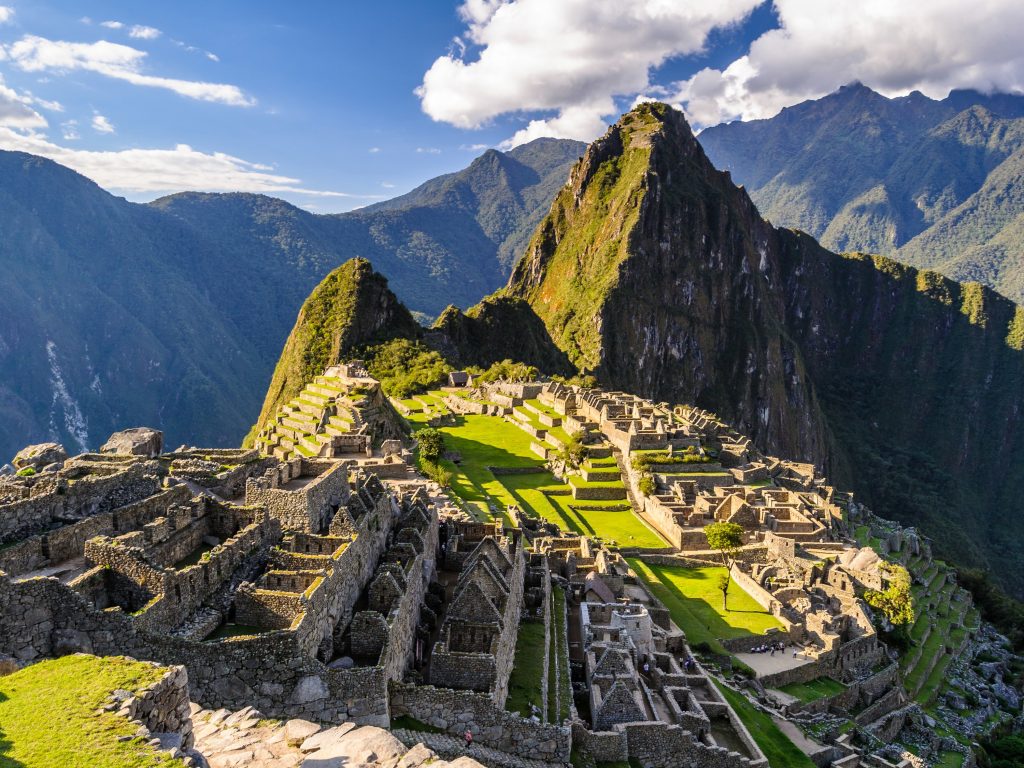
Machu Picchu now uses structured visitor circuits and route-specific tickets under updated Ministry of Culture rules in force since June 2024. The framework groups access into three main circuits with defined paths, limiting free-form movement inside the sanctuary to protect fragile architecture and reduce bottlenecks.
The site remains extraordinary, but it unfolds with less improvisation than before. Once a route is assigned, circulation follows that design rather than wandering. Preservation goals are clear and necessary, yet the experience has shifted from open exploration toward guided flow, timed entry, and tighter spatial discipline.