8 Travel Stays Where History Dictates The Experience
I used to default to the same kind of stay every time, a high-demand coastal resort zone, a familiar international chain near a central business district, or a well-known expat hub with predictable amenities. I treated the room as a neutral base, then built the trip around museums and neighborhoods.
I started rethinking that formula in 2025, and the recalculation continues into 2026. Hotel prices in crowded markets keep reflecting housing pressure, climate and disruption concerns influence insurance and cancellation math, and quality-of-life friction shows up in noise, long transfers, and overbooked attractions. That is the shift. Hospitality researchers, heritage institutions, and travel risk analysts often point to one reliable alternative, choose stays where the building, layout, and local rules carry the story, then let the past shape the pace in a way that feels clearer and more grounded than the old default.
Kyoto, Japan
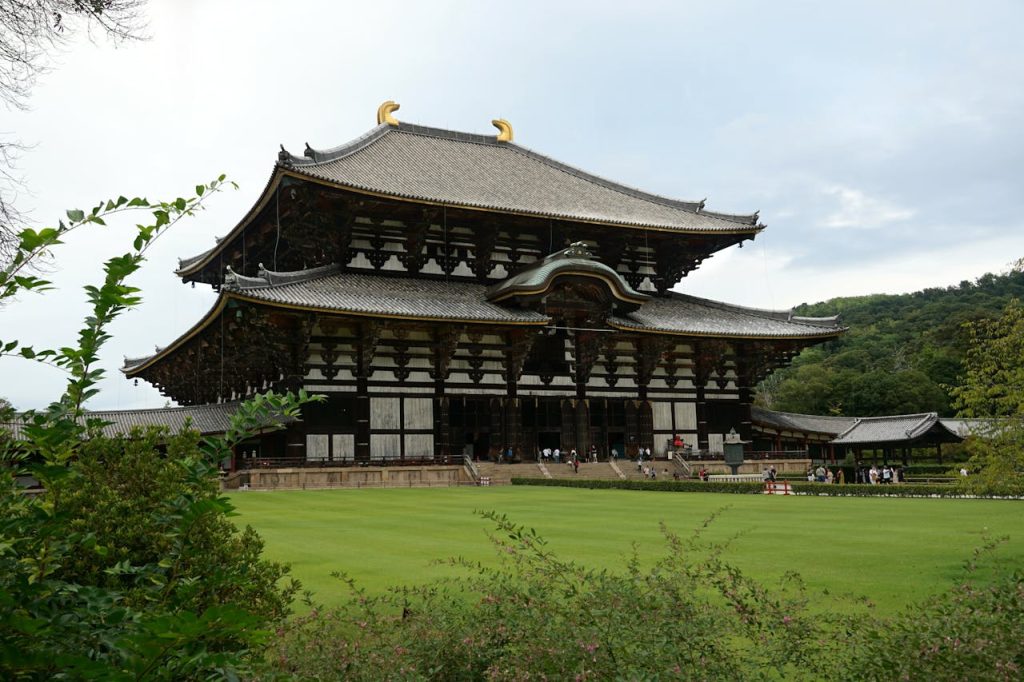
Kyoto stays often become more meaningful inside a traditional machiya townhouse, where architecture and neighborhood norms shape daily rhythm. Cultural preservation experts commonly describe machiya as wooden townhouses tied to merchant life, with narrow facades, inner courtyards, and rooms that open and close to manage light, heat, and privacy. That structure turns the stay into a lesson in how older city living balanced density and calm, which can feel more restorative than the crowded default hotel corridor.
Travel logistics matter more in 2025 and 2026, and planners who track visitor flow often note that Kyoto rewards stays that reduce transfers and early-morning stress. A machiya setup tends to anchor the itinerary in walkable districts, with short links to rail and bus lines, and a quieter residential pace that supports museum days without constant commute time. That tradeoff matters when cost pressure pushes travelers away from premium hotspots that charge for location while delivering little context.
A downside comes with comfort expectations and house rules. Heritage stays can include steep stairs, compact bathrooms, sound sensitivity, and stricter guidelines around noise, trash, and entry routines, and language can add friction during check-in and support.
Marrakech, Morocco
Marrakech stays often feel most coherent inside a riad, a courtyard house rooted in older urban patterns. Architectural historians and heritage professionals frequently note that riads were designed inward, prioritizing privacy, shade, and airflow, which still shapes how a visitor experiences heat, sound, and street life today. A riad stay turns the medina into a lived environment rather than a day-trip backdrop, which changes how the city reads from morning through night.
Tourism studies often describe the medina as a place where navigation, access, and timing shape comfort more than a typical grid city. A courtyard-based stay can reduce the need for constant taxis, and it can support a slower itinerary that relies on nearby heritage sites, craft quarters, and food markets instead of the expensive default of a modern resort zone with long shuttles. That is why the math changes when budgets tighten and travelers look for value that comes from proximity and atmosphere, not square footage.
A tradeoff sits in logistics and variability. Lanes can be confusing, arrival can require coordination for luggage, and room layouts vary widely, so planners often treat reliable communication and clear transfer planning as essential.
Cartagena, Colombia

Cartagena stays inside the historic walled city often place colonial-era urban design at the center of the trip. Heritage institutions and urban historians commonly describe the old city as a fortified port shaped by imperial trade, defense needs, and layered social geography, which still influences street patterns, building types, and neighborhood pricing. A restored courtyard house or colonial-era residence stay makes that history tangible through thick walls, shaded patios, and compact blocks built for walking.
Economic researchers often note that high-demand coastal markets can become expensive and crowded once global travel cycles rebound, and that pressure can weaken the appeal of the standard waterfront hotel strip. A walled-city stay often shifts value toward walkability and shorter daily logistics, with museums, plazas, and waterfront promenades reachable without constant transportation costs. That tradeoff matters when the old default promises convenience but delivers traffic, noise, and higher total spend.
A downside comes with seasonal intensity and uneven comfort. Humidity, nightlife noise, and variation in building updates can affect sleep and reliability, and local inflation or currency swings can complicate budgeting across restaurants and services.
Istanbul, Turkey
Istanbul stays inside an Ottoman-era wooden mansion style, a historic han-inspired lodging, or a preserved late-imperial neighborhood building can make politics and empire feel embedded in the floor plan. Museum professionals and architectural historians often frame Istanbul as a city where imperial governance, trade networks, and modernization reshaped districts in visible layers, from waterfront residential zones to older commercial corridors. A heritage stay can translate that complexity into daily experience through room proportions, street orientation, and proximity to major religious and civic sites.
Risk analysts and travel planners often emphasize planning flexibility in large, high-traffic cities, especially in 2025 and 2026 when disruption risk and transit strain can disrupt tightly packed schedules. A centrally placed historic stay can reduce transfer time and support a museum interpretation style itinerary, where the day relies on nearby heritage sites rather than long commutes to trendy zones. That is the shift away from the old default that overpays for a generic room in a congested area.
A tradeoff appears in noise, access, and building constraints. Older structures can have limited elevators, tighter bathrooms, and street sound, and neighborhoods vary sharply block by block, so careful location choice matters.
Tallinn, Estonia
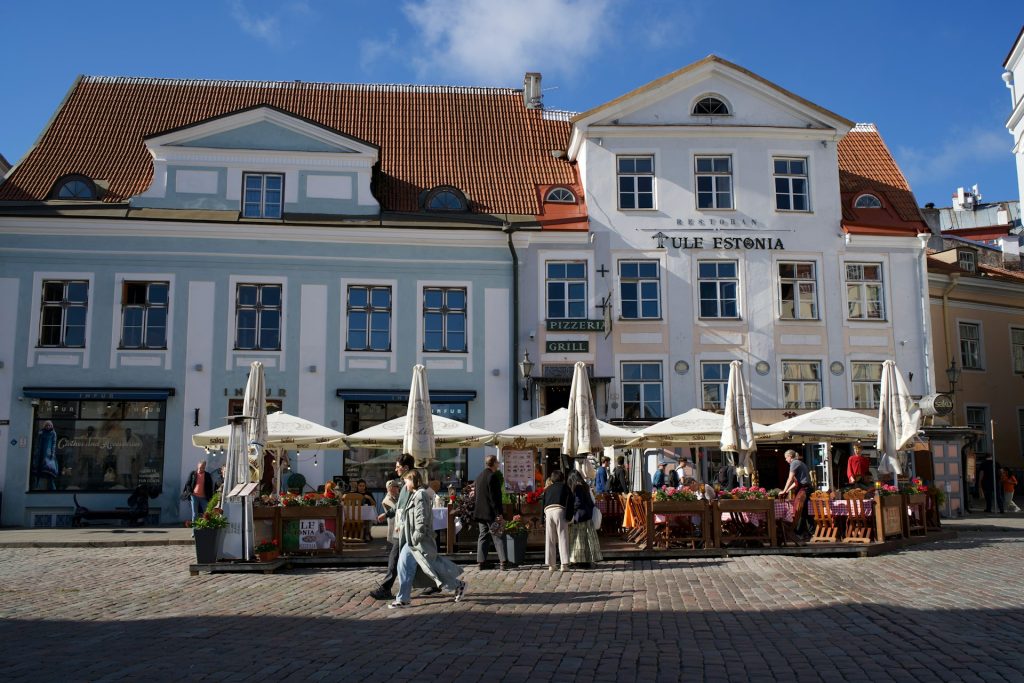
Tallinn stays in a medieval merchant-house style building or an Old Town heritage property can make the city’s Hanseatic trade past feel unusually direct. Urban historians often describe Tallinn’s preserved core as a rare example of medieval street continuity, where guild structures, merchant wealth, and defensive planning shaped building forms that remain visible. A stay inside thick-walled stone rooms and narrow corridors tends to slow the day in a way that matches the city’s compact scale.
Tourism studies often note that smaller European cities can offer stronger value when major capitals face lodging spikes tied to housing pressure and crowding. Tallinn supports a walking-first itinerary, with heritage sites, viewpoints, and museums connected by short distances, which reduces transport costs and planning complexity. That tradeoff matters when the old default hub feels overbooked and overpriced without delivering better understanding.
A downside is seasonality and limited inventory. Weather can affect comfort and daylight, and Old Town lodging can book quickly, while accessibility can be challenging due to stairs and uneven surfaces.
Hanoi, Vietnam
Hanoi stays in a French colonial-era villa style property or a preserved Old Quarter building can frame the city through colonial administration, independence movements, and postwar modernization. Historians often describe Hanoi as a place where colonial planning introduced boulevards and civic buildings while older commercial streets kept their own rhythms, and that contrast still shapes how neighborhoods feel from block to block. A heritage stay can make that contrast legible through ceiling height, shutters, courtyards, and street-facing balconies.
Economic researchers often point to cost pressure as a reason travelers move away from the default of the most famous, most crowded regional hubs. Hanoi can support long stays that rely on museums, food culture, and day trips, and a well-placed historic stay can reduce transfer fatigue by keeping major districts close. That is why the math changes when travelers prioritize time efficiency and predictable daily logistics over prestige addresses.
A tradeoff sits in humidity, street sound, and infrastructure variability. Older buildings can transmit noise, and traffic patterns can complicate pickups and drop-offs, so planners often treat flexible timing as part of the stay.
Edinburgh, Scotland
Edinburgh stays in a Georgian townhouse guesthouse or an Old Town stone building can turn the city’s political and literary past into a daily setting. Cultural institutions and historians often frame Edinburgh as a capital shaped by Enlightenment-era civic development and layered governance, with Old Town density contrasting sharply against planned New Town order. A period-style stay makes that split feel real through stairwells, room proportions, and neighborhood walkability.
Travel planners often describe 2025 and 2026 as years when crowded headline cities push visitors toward stays that reduce friction, especially when lodging costs rise fastest in the most concentrated tourist cores. Edinburgh supports a transit-friendly, walking-first plan, with museums, historic streets, and viewpoints within compact ranges, which can improve value when the old default hotel district charges a premium for generic convenience. That tradeoff matters because the most distinctive parts of Edinburgh sit where cars and modern hotel footprints fit poorly.
A downside is physical access and seasonal variation. Stairs, narrow entries, and uneven streets can challenge mobility, and festival seasons can strain availability, raise prices, and increase noise.
Oaxaca City, Mexico

Oaxaca City stays in a restored colonial courtyard house or a traditional neighborhood inn can connect daily life to colonial governance, indigenous continuity, and modern civic identity. Heritage professionals often describe Oaxaca’s historic center as a place where colonial-era civic planning shaped plazas and churches while indigenous communities maintained strong cultural and market traditions that still anchor the city’s economy. A courtyard-based stay supports that understanding by placing mornings and evenings inside the same spatial logic that shaped the city’s older streets.
Consumer travel analysts often point out that the old default of a famous beach corridor can lose appeal when insurance volatility, crowding, and rising rates weaken the value proposition. Oaxaca City can deliver a lower-transfer itinerary built around museums, markets, and walkable streets, which helps control costs and planning stress in 2025 and 2026. That is the shift toward stays where context does more work than amenities.
A tradeoff involves altitude adaptation, regional variation in services, and language. Comfort levels differ by property, and planning can require more research on neighborhood fit, accessibility, and late-night noise patterns.
Sources
Kyoto Nagaeke Residence Heritage Stay Opening 2026
Marrakech Riad Navigation and Booking Trends 2026
Cartagena Colonial Walled City History and Stays 2026
Istanbul Sanasaryan Han Historic Lodging Updates 2026
Tallinn Merchant House Hotel Heritage Features 2026
Oaxaca City UNESCO Living Heritage Management Plan 2026