8 Travel Trends That Are Already Fading Away

Travel trends used to shift slowly, carried by guidebooks and word of mouth. Now they rise in a season, peak on social feeds, and fade when the practical costs show up. In 2025, the travel mood feels less about chasing the loudest idea and more about protecting time, money, and energy. Crowds, higher prices, and new local rules are pushing travelers to question old defaults. What remains is not less curiosity. It is more selective planning, with fewer performative moves and more choices that still feel good after the camera is off.
Revenge Travel Splurges
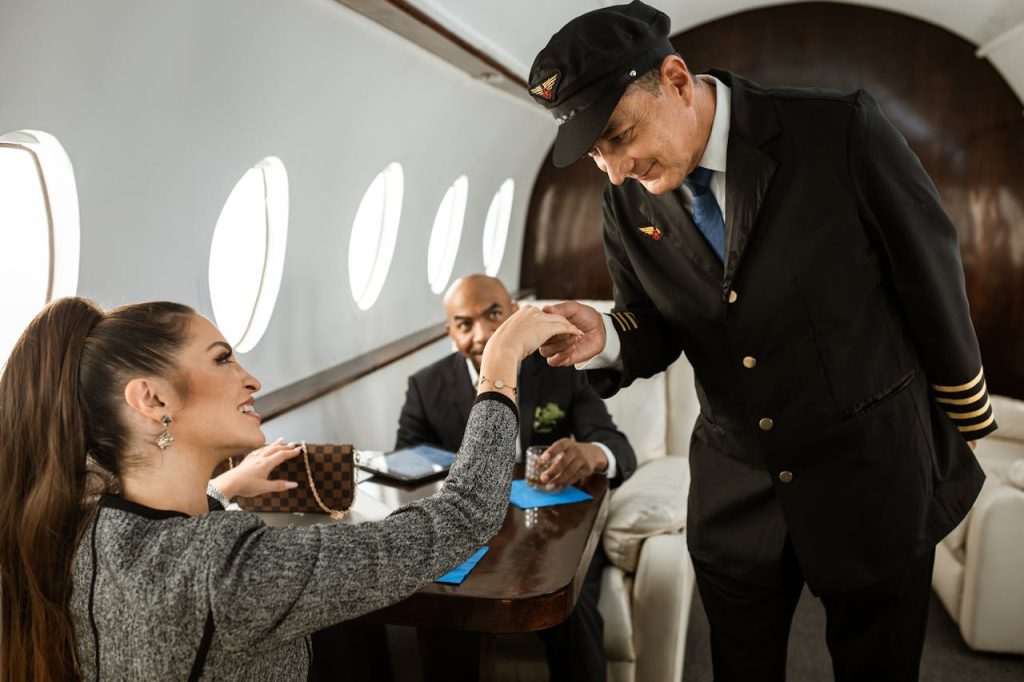
The rush to book the biggest trip possible is cooling. After the first wave of pent-up demand, higher prices, fuller flights, and limited vacation days pushed many travelers to rethink the all-or-nothing getaway, and the braggy upgrade culture feels worn out. The splurge still happens, but it is planned with sharper math: shorter breaks, off-peak timing, and one or two standout experiences instead of a cart full of pricey add-ons, with comfort chosen on purpose, money left for the life waiting at home, slack for a spontaneous museum hour, and fewer rigid reservations that turn a day into a timetable.
Anything-Goes Short-Term Rentals

Short-term rentals once felt like a cheat code: more space, a kitchen, and the promise of living like a local. That promise has collided with stricter rules, resident pushback, and the creeping sense that fees, cleaning tasks, and vague check-in instructions can become a surprise right when patience is thin. As licensing and enforcement tighten, the anything-goes era is fading, and travelers are drifting back toward hotels and regulated stays where support exists at midnight, refunds have a path, expectations are clear, small problems get solved fast, and standards for noise and safety feel more consistent.
Hidden-City Ticketing Hacks
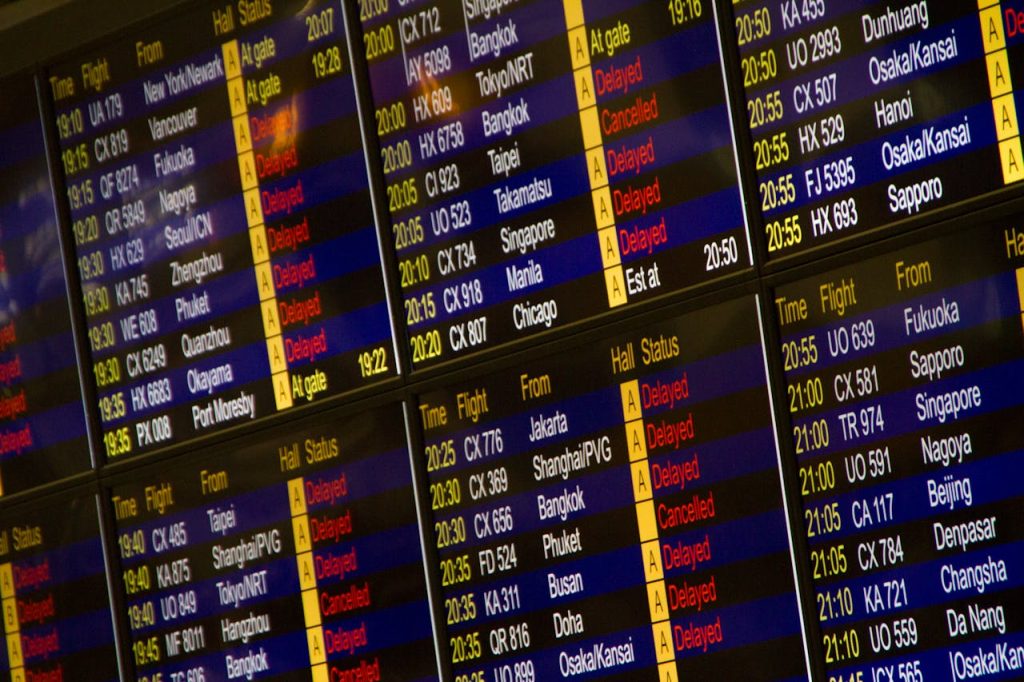
Hidden-city ticketing used to circulate as a clever loophole, shared like insider wisdom in comment threads and group chats. It now comes with louder consequences, as airlines scrutinize patterns and the risks can spill into the rest of an itinerary, from checked bags that fly onward to return segments that can vanish. What once sounded like a smart trick increasingly reads as a gamble that can unravel a trip, so more travelers are choosing straightforward tickets, honest routings, and plans that do not depend on a hack surviving contact with reality, especially when tight connections and family schedules are involved.
Laptop-on-the-Beach Workations

The laptop-on-the-beach fantasy peaked when remote work felt endless and every cafe looked like an office with a view. Reality has been less pretty: time-zone strain, unstable Wi-Fi, noisy rentals, and the slow burnout of trying to be present in a meeting while sitting in a new city with limited time and a brain full of logistics. As more teams nudge workers back into offices, the performative workation is fading, replaced by trips that separate work from rest or anchor remote days in one stable base with routines that hold, evenings that feel free most nights, and weekends not sacrificed to catch-up.
Full-Time Van Life as a Flex

Van life sold a clean story: open roads, sunrise coffee, and a home that followed every impulse without anyone asking questions. The daily truth is more logistical, with repairs, parking limits, weather surprises, fuel costs, and campgrounds that book out early, turning spontaneity into constant planning and a steady drain on energy. The influencer version is thinning as people admit the grind behind the photos, and the trend is cooling into shorter stints, smarter routes, occasional hotels, and more nights in fixed places where rest is part of the plan and the road feels like a choice, not a maintenance project.
Checklist Itineraries

The old status move was speed: three cities in five days, photos as proof, and a schedule tight enough to leave no room for a slow meal. Rising costs and heavier crowds have made that style feel less rewarding, and many travelers notice how little they remember from a trip spent rushing between checkouts, lines, and transit hubs while watching the clock. Checklist itineraries are fading in favor of fewer stops and longer stays, where one neighborhood, one trail, or one market gets time to become familiar, and names on the map turn into stories instead of screenshots, making return visits feel worth it.
Geotagging Every Secret Spot
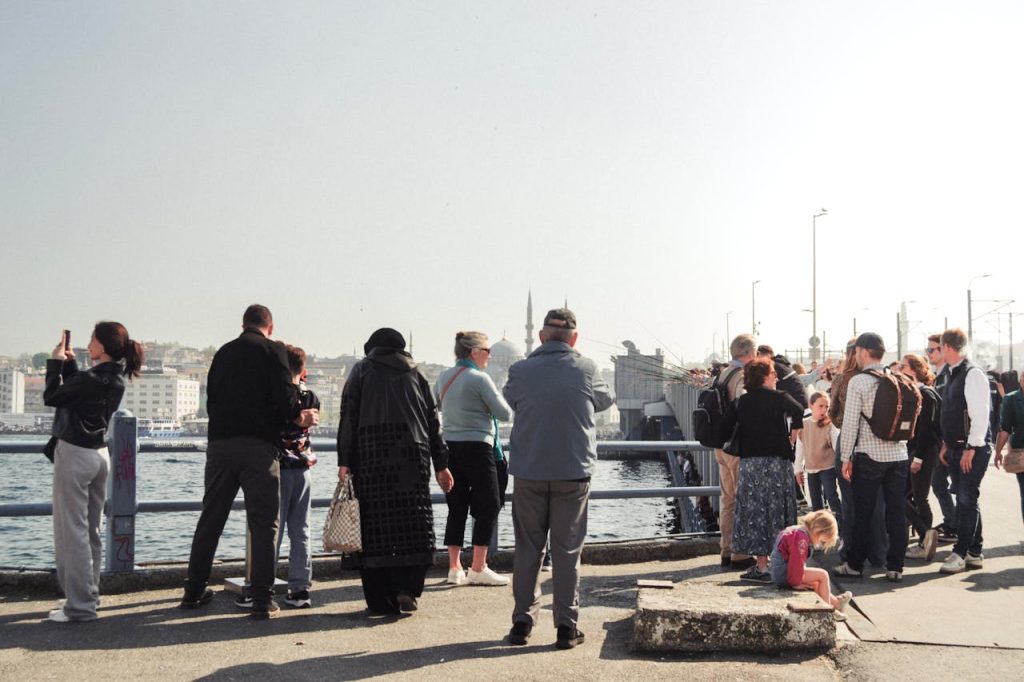
Pinning every hidden viewpoint once felt like generous sharing, a digital postcard sent to friends and strangers alike. Then viral posts started turning quiet trails into lines, and small places began feeling like sets instead of communities, with locals and land managers left to handle overflow, parking messes, and frayed tempers. More travelers and creators are pulling back on precise geotags, choosing broader regions, seasonal guidance, and etiquette notes instead, because protecting a place, its residents, and its calm can matter more than a perfect pin and letting discovery stay partly offline.
Peak-Season Hot-Spot City Breaks
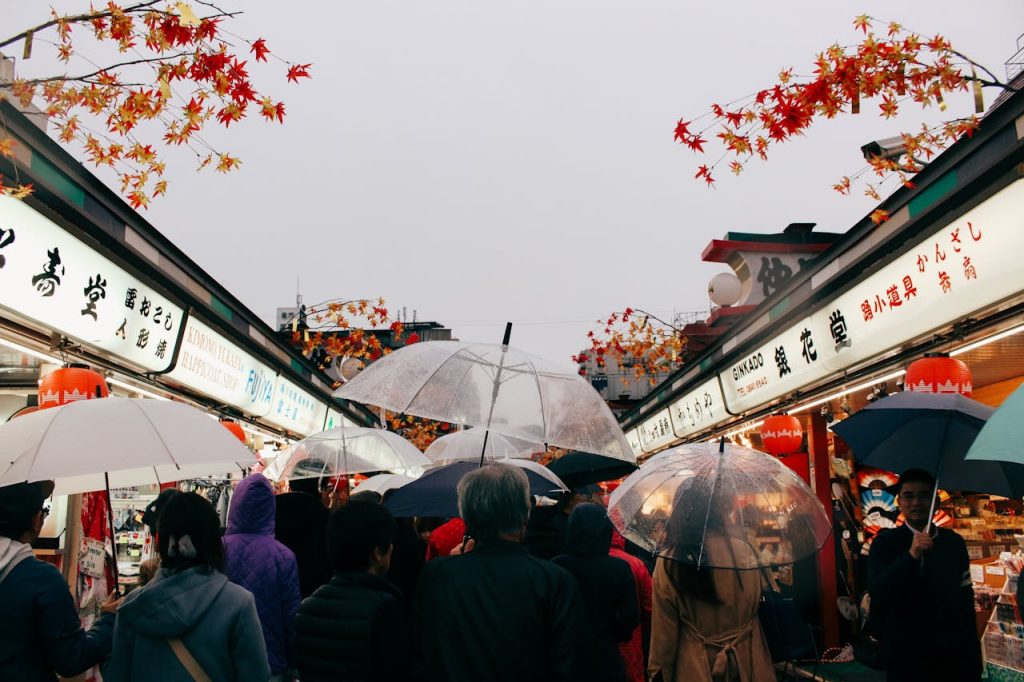
The default city break used to mean flying into the same headline capitals at peak season and squeezing highlights into two packed days. Now higher taxes, reservation systems, and local frustration in many hot spots are nudging travelers to rethink timing and targets, and even simple meals can feel like a queue with a surcharge attached. Shoulder seasons and smaller cities feel calmer, prices are less punishing, and the culture has room to breathe, with quieter mornings, simpler bookings, and fewer lines for basics, so the peak-season hot-spot sprint is starting to look dated and squeezed overall.