8 U.S. Cities That Destroyed Their Own Tourism Appeal
Tourism plays a crucial role in supporting local economies, yet several major U.S. cities experienced notable drops in visitor activity that reshaped how travelers view once bustling urban destinations. Economic pressures, rising travel costs, infrastructure challenges, and global events contributed to measurable downturns, with many cities recording historic declines of forty to seventy percent in 2020 alone. These reductions exposed vulnerabilities in regions heavily dependent on tourism-driven business, while also highlighting deeper issues related to affordability, public safety perception, and long-term urban planning. Although many destinations have begun to rebound, the earlier losses continue to influence public opinion and business recovery efforts. Understanding each city’s numerical downturn provides clearer insight into how travel patterns have shifted and why some locations now struggle to maintain the wide appeal they once enjoyed.
San Francisco
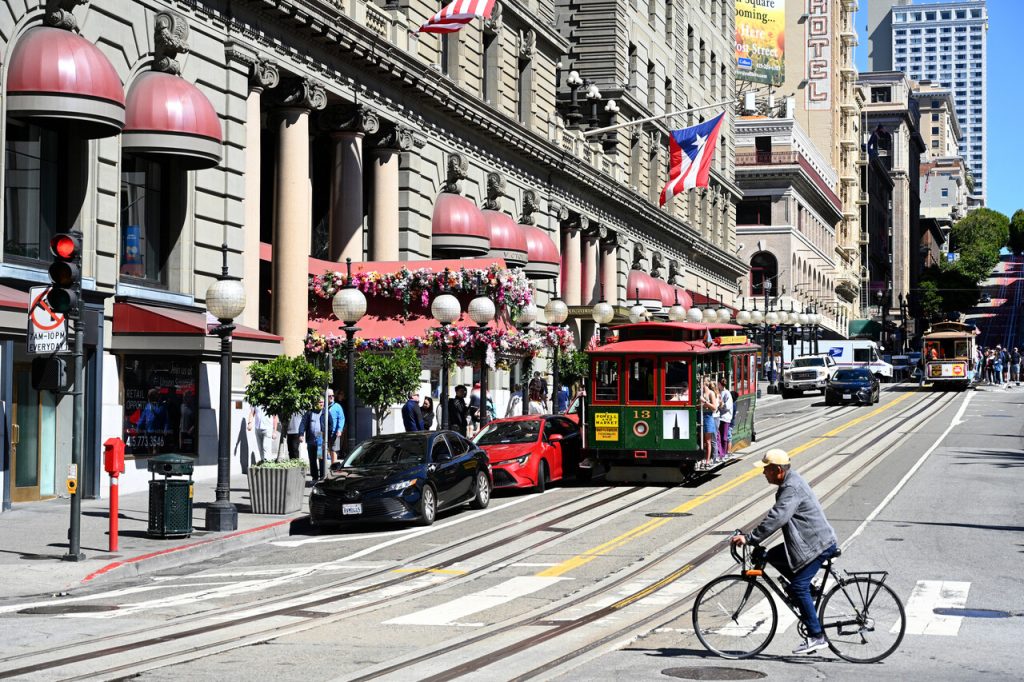
San Francisco experienced one of the most substantial tourism declines among major U.S. cities. Visitor totals dropped from more than 26 million in 2019 to roughly 12 million in 2020, a decline of about 55 percent. Visitor spending also fell dramatically, dropping more than 70 percent as hotels, restaurants, and cultural venues closed or operated with major restrictions. Although the city began recovering in 2021 with approximately 15 million visitors, this number remained far below pre-decline levels. Ongoing concerns about cleanliness, public safety, and small business closures influenced traveler perception even as attractions reopened. The steep decline showed how fragile tourism can be in a city shaped by high costs and complex social challenges.
New Orleans
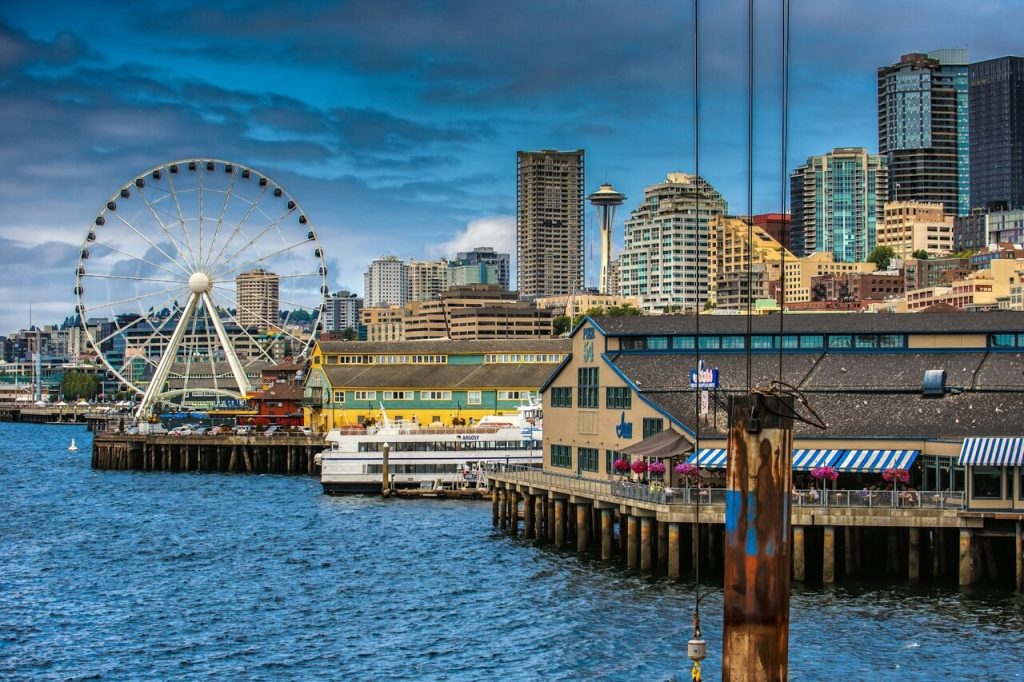
New Orleans saw visitor totals fall from nearly 20 million in 2019 to just over 12 million in 2020, a reduction of about 36 percent. Tourism revenue dropped sharply during this period, affecting the city’s hospitality industry, festivals, and music venues that typically draw international attention. While the rebound in later years has been strong, the downturn exposed long-standing vulnerabilities tied to infrastructure strain, neighborhood recovery, and safety concerns. Rising operational costs for small businesses in entertainment districts further affected the overall tourism atmosphere. Even with its cultural strengths intact, New Orleans experienced a real shift in how visitors navigate and interpret the city following its measurable decline.
Honolulu
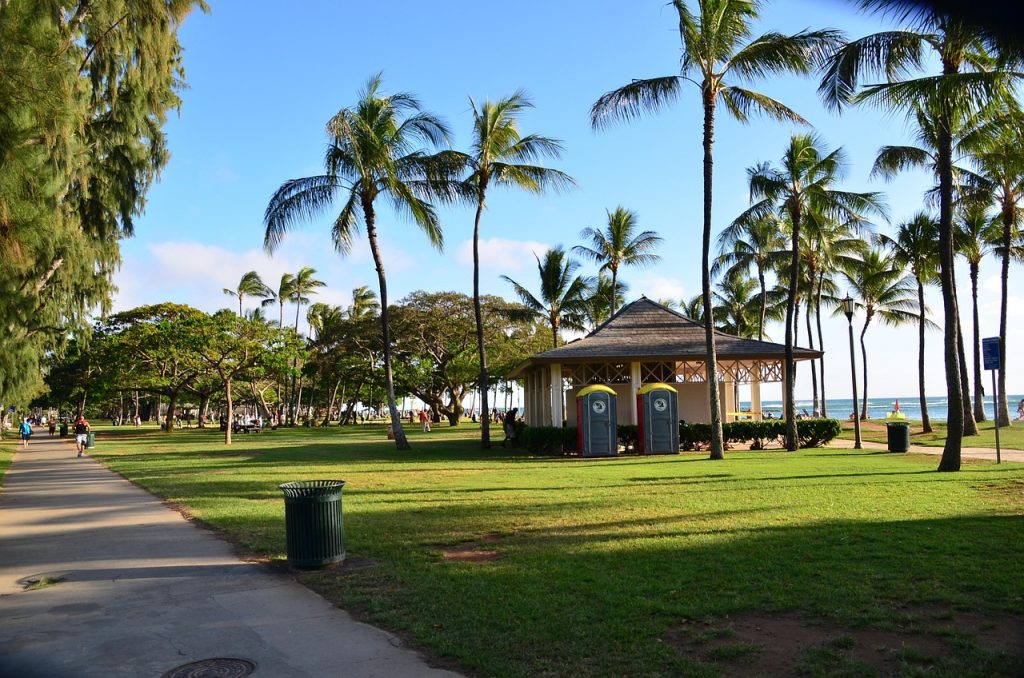
Honolulu’s tourism landscape shifted significantly when global travel restrictions caused arrivals to fall by more than 70 percent in 2020. International travel from key markets such as Japan and Canada dropped to historic lows, sharply reducing hotel occupancy and visitor spending. Even as tourism rebounded, Honolulu faced ongoing challenges tied to rising accommodation prices, crowded beaches, and environmental pressures on coastal ecosystems. Regulations meant to protect reefs, trails, and public spaces changed how travelers interacted with popular attractions. Although recovery continues, the dramatic decline highlighted the delicate balance between tourism demand and community capacity in one of the nation’s most visited island destinations.
Portland
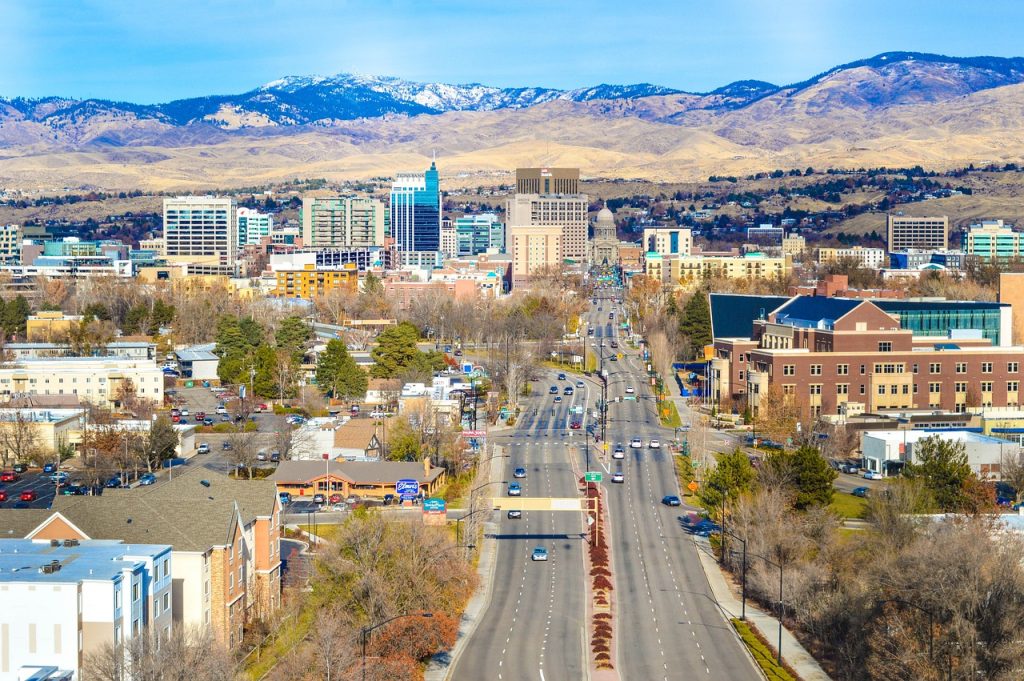
Portland experienced a tourism decrease estimated at roughly 40 to 45 percent in 2020, aligning with national declines while also reflecting local pressures that developed over several years. Public demonstrations, downtown closures, and staffing shortages across restaurants and hotels made recovery more difficult even after visitors began returning. Many small businesses reported lower foot traffic compared to pre-2020 levels, and concerns about cleanliness and safety influenced traveler decisions. These conditions created a more complex perception of the city, which once attracted visitors seeking a casual, creative, and walkable environment. Portland’s drop revealed how social changes and economic disruptions can reshape tourism even when cultural assets remain strong.
Chicago
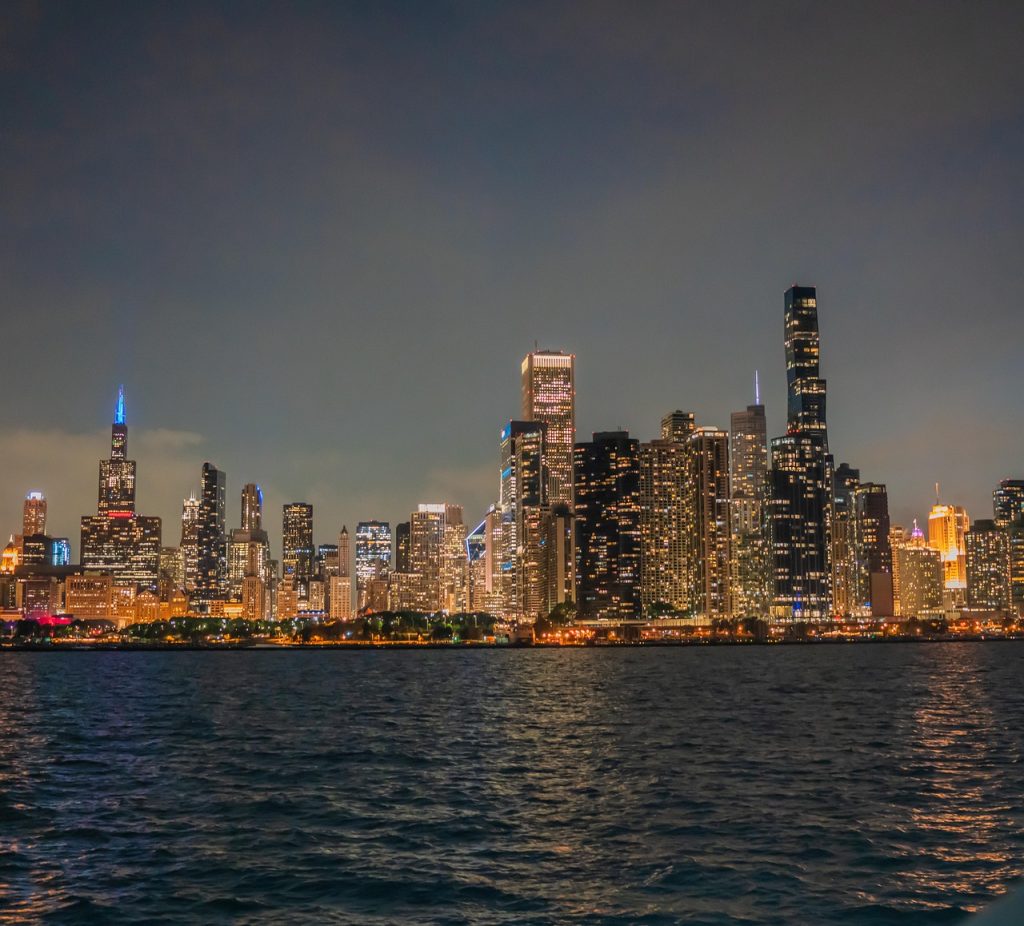
Chicago experienced a steep drop in tourism when visitor numbers fell from more than 60 million in 2019 to about 30 million in 2020, a decline of nearly 50 percent. Major conventions, sporting events, and museum attendance all suffered sharp downturns during this period. Although tourism has rebounded, continuing concerns about crime in certain neighborhoods and increased travel costs have affected visitor confidence. Traffic congestion and parking complexities further influence trip planning for many travelers. The documented decline demonstrated how large, diverse cities can face unique challenges during recovery, especially when public perception shifts alongside measurable tourism downturns.
Miami
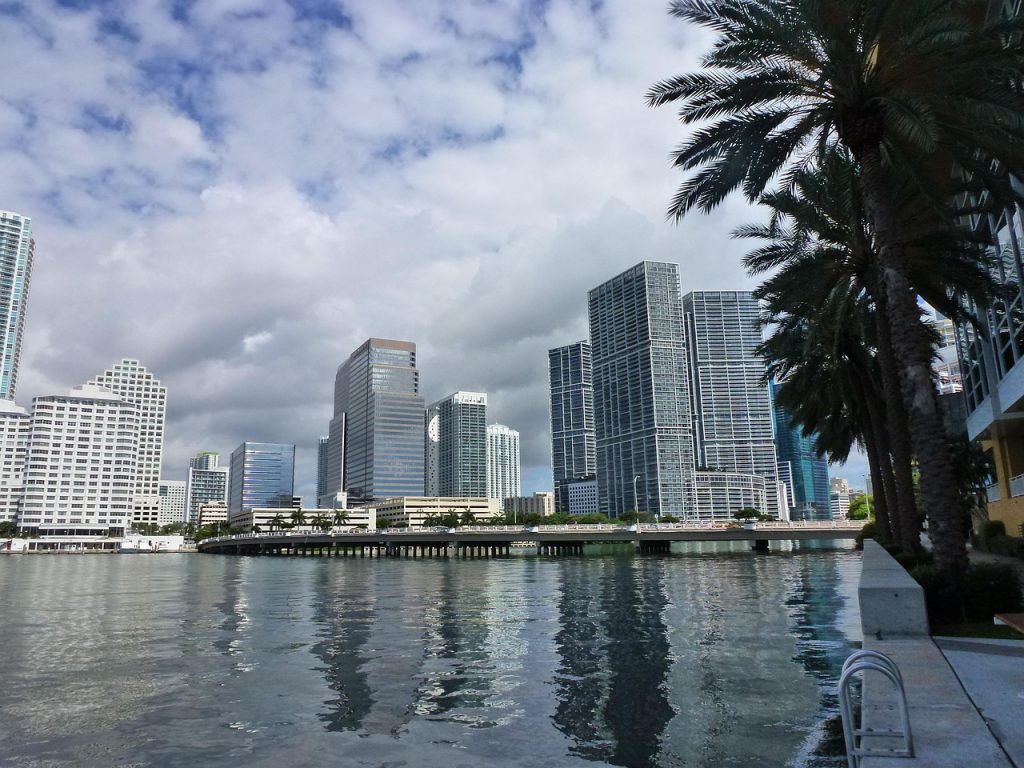
Miami recorded a tourism decline of roughly 45 to 50 percent in 2020 as international travel slowed and cruise departures were suspended for extended periods. Hotel occupancy dropped significantly, and visitor spending followed the national downward trend. Although Miami rebounded rapidly in the following years, increased development, higher prices, and crowded beaches have contributed to shifting traveler expectations. Environmental issues, including beach erosion and water quality concerns, added further complications. These combined factors influenced how visitors interpret value and accessibility in a destination known for nightlife, beaches, and warm weather, reshaping the tourism environment even after recovery began.
Las Vegas
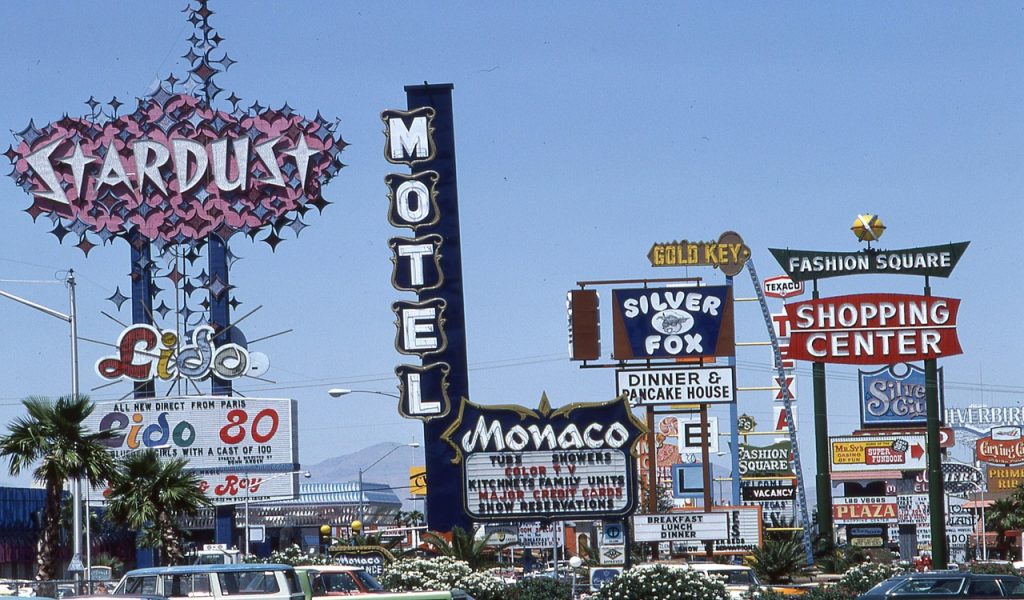
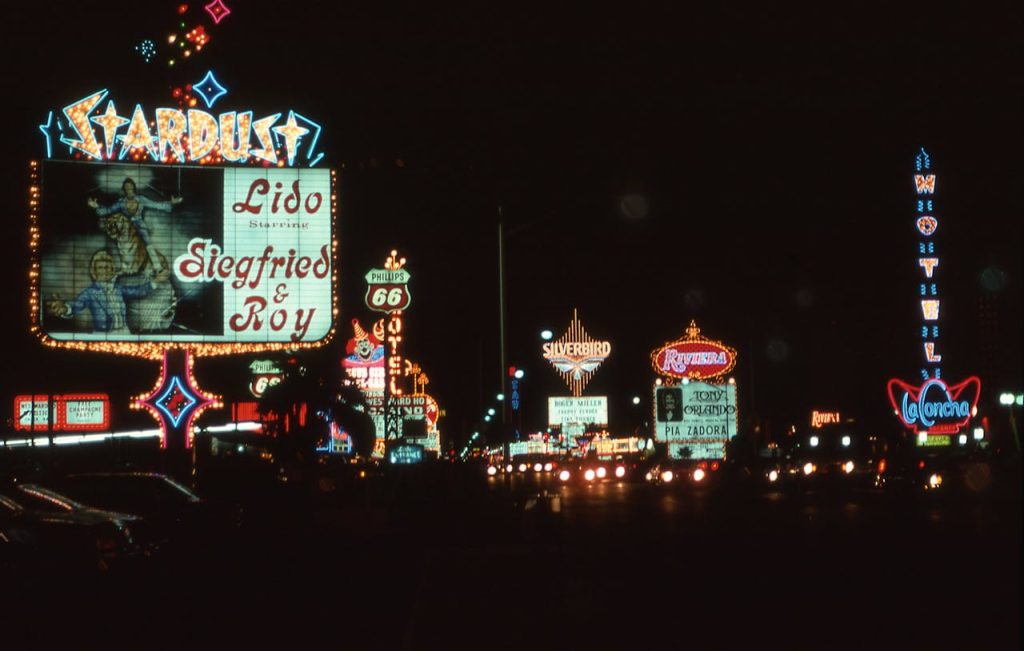
Las Vegas suffered one of the most dramatic tourism declines in the country, reflecting how vulnerable entertainment-driven destinations can be during periods of widespread disruption. Visitor totals dropped from about 42 million in 2019 to roughly 19 million in 2020, a decline greater than 55 percent that affected nearly every part of the city’s economy. Convention cancellations, reduced airline travel, and the closure of shows and casinos led to steep declines in hotel occupancy and gaming revenue. Although visitation has increased in the years since, rising resort fees, higher show prices, and increased dining costs have changed how travelers evaluate the overall experience. These shifts highlight how economic pressure and shifting expectations can reshape a destination built around affordability, spectacle, and constant activity even as tourism numbers move toward recovery.
Los Angeles
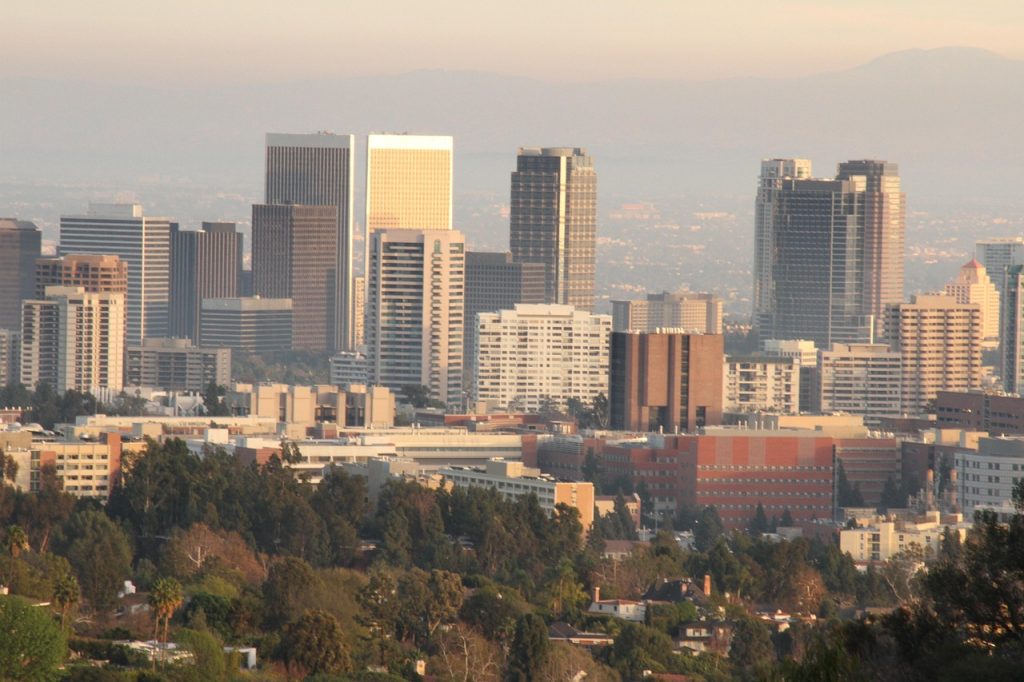
Los Angeles saw tourism fall from nearly 51 million visitors in 2019 to about 26 million in 2020, representing a decline close to 49 percent. Major attractions, including theme parks, studios, and museums, closed for extended periods, and international travel drops contributed heavily to overall losses. Even as visitors returned, concerns about rising hotel and dining prices, traffic congestion, and cleanliness in specific districts influenced how travelers experienced the city. Los Angeles’s decline highlighted both the fragility and resilience of a tourism economy tied to media, entertainment, and coastal leisure. The recovery process remains in motion, with visitor patterns continuing to shift as costs rise.