8 U.S. Cities Where Taxi Scams Still Happen
Taxis still play a quiet but important role in American cities, especially at airports, after concerts, or when rideshare prices spike. Most trips are uneventful, yet problems still surface in predictable situations, usually when riders are tired, rushed, or unfamiliar with local rules. Confusing totals, unclear payment methods, and unofficial pickups tend to appear where crowds gather and attention slips. These cities are not unsafe, but they are busy enough that structure matters. Clear terms, visible meters, and proper receipts remain the simplest way to keep a short ride from becoming a frustrating memory.
New York City, New York
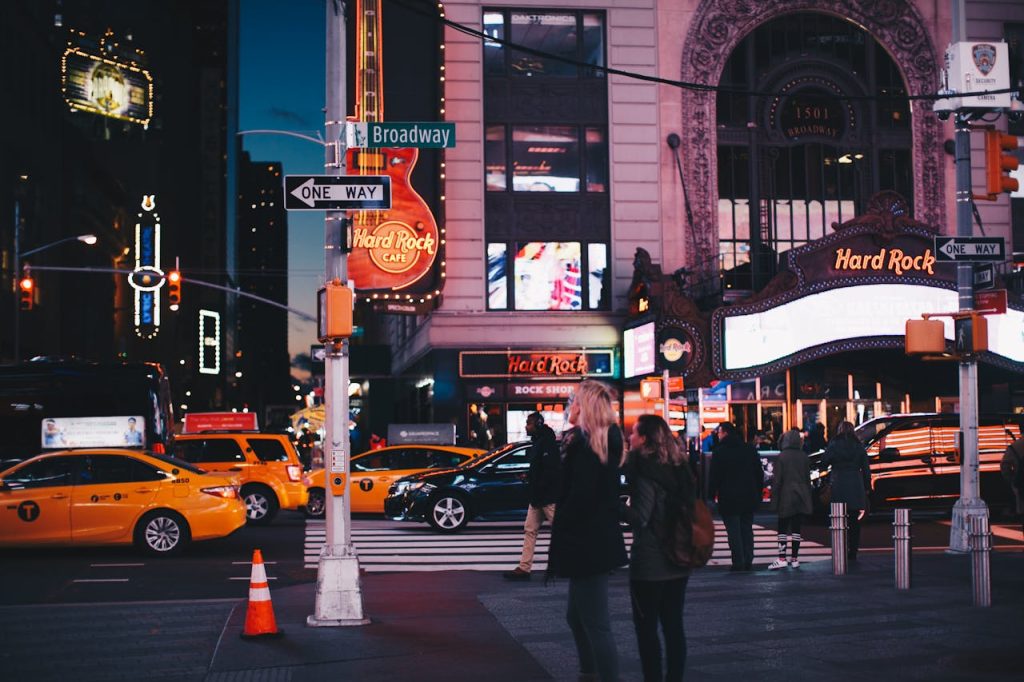
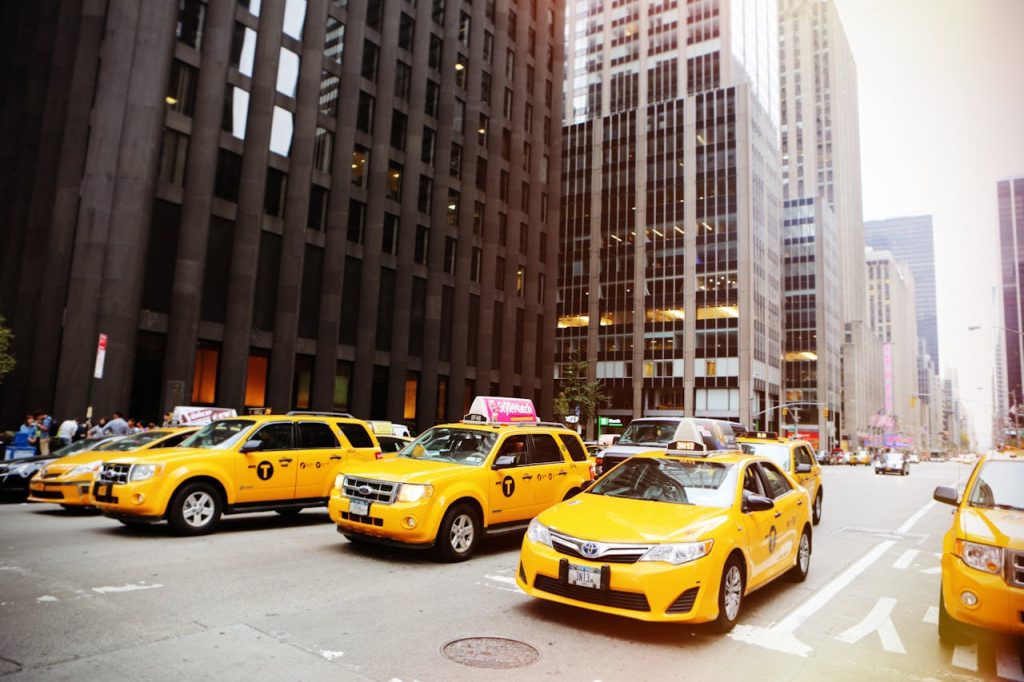
New York’s yellow cabs are among the most regulated in the country, yet issues still appear around airports and late night corridors. The most common complaints are subtle rather than dramatic. Card screens may rush past the total, push large tip options, or make it hard to review charges before approval. Unofficial drivers also linger near terminals hoping to pull riders away from taxi lines. A reliable ride begins in the official queue at JFK or LaGuardia, with a visible medallion number, a meter that starts immediately, and a printed receipt showing fare, tolls, extras, and tip. Holding onto that receipt until the charge posts keeps the math honest and prevents small surprises from becoming larger ones later.
Las Vegas, Nevada
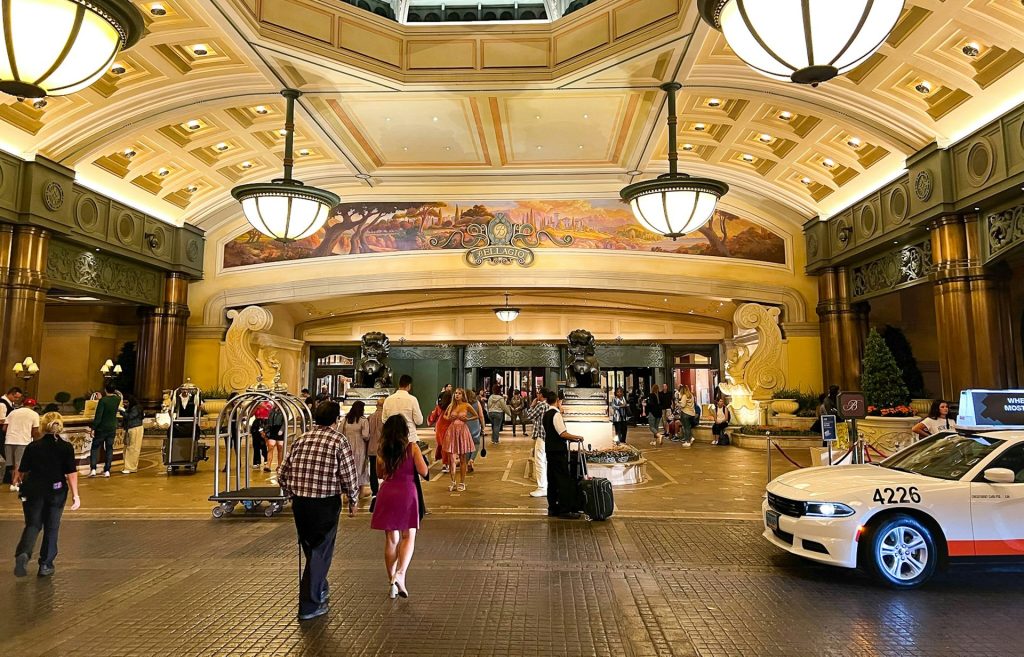
Las Vegas trips are often short, which makes unnecessary detours harder to notice until the fare climbs. The most frequent issue is long routing from the airport, where a driver takes a loop and explains it as traffic management while the meter quietly rises. Visitors rarely know the most direct path to the Strip, especially after late arrivals. The best protection is routine. Use the official taxi line, state the exact resort entrance, request the direct route by name when possible, and confirm the ride is metered before moving. A receipt showing time and distance makes it easy to compare the trip to a standard airport to Strip drive later.
Miami, Florida
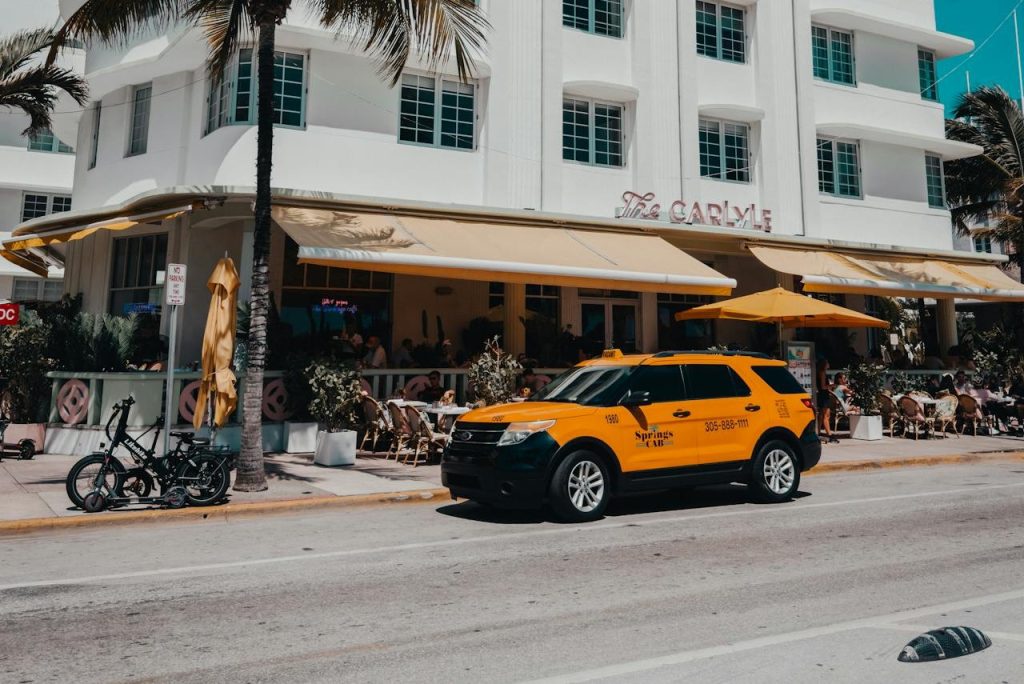
Miami’s problems often start before the door closes. Near airports, cruise terminals, and South Beach, unofficial drivers sometimes approach travelers with confident offers that feel legitimate in crowded spaces. Even in marked taxis, overcharging can slip in through cash only pressure, unclear card terminals, or fees explained only after arrival. A calm approach keeps things simple. Choose official stands, check company markings and cab numbers, agree on metered or flat pricing before moving, and request a receipt that separates fare, fees, and tip. When payment details are visible and slow enough to review, most problems disappear before they have room to grow.
New Orleans, Louisiana
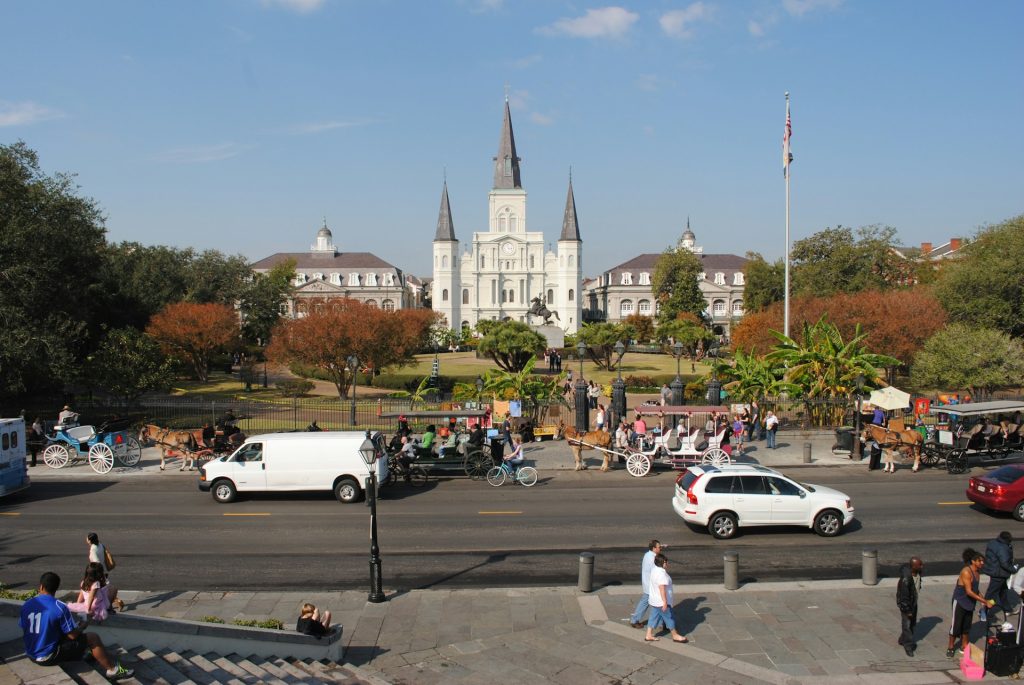
New Orleans runs late, and busy nights around the French Quarter can invite creative pricing when streets are packed and patience is thin. Drivers may push high flat quotes, claim the meter cannot be used, or add unclear extras during festival weeks when demand surges. The noise and energy make it tempting to accept the first offer just to leave the curb. A smooth ride comes from choosing a clearly marked cab at an established stand, confirming the destination and fare method before departure, and asking for a printed receipt at drop off. Clear terms settle the math before the next crowd arrives.
San Francisco, California
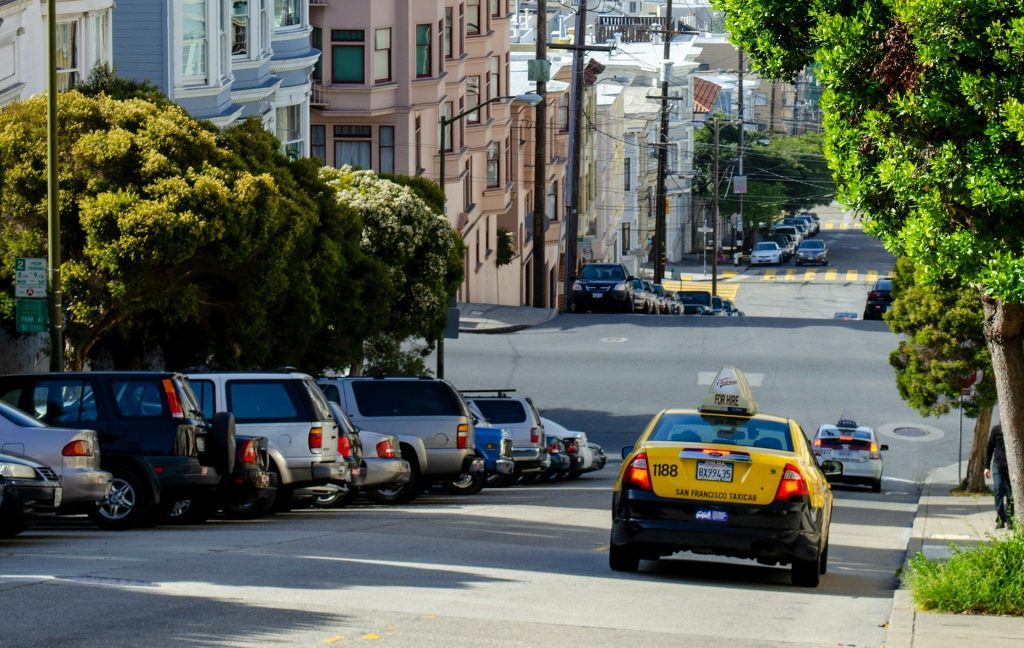
San Francisco fares can feel complex because hills, one way streets, bridge tolls, and airport fees are all legitimate factors. That complexity is also where confusion can hide. Riders still report meters starting late, longer routes from the airport framed as traffic savvy, or card reader issues used to steer payment toward cash. The solution is straightforward. Confirm the meter is running from the first block, request the most direct route unless congestion is obvious, and collect a receipt that itemizes fare, tolls, fees, and tip. When each charge is spelled out, the ride stays factual rather than emotional.
Washington, D.C.
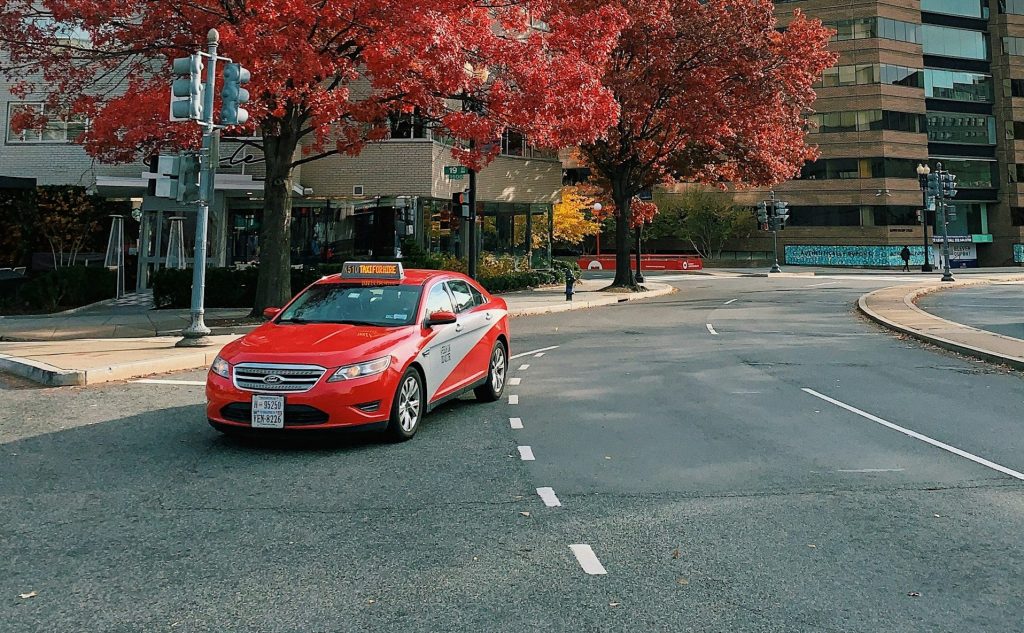
Washington, D.C. has many licensed taxis, but busy hubs like Union Station and popular museum areas attract aggressive solicitation. The usual problems include flat quotes instead of meters, sudden cash demands, or claims that card machines failed only after arrival. These moments rely on time pressure and crowded sidewalks. A clean ride begins with an official taxi line and a clearly marked vehicle. Fare terms should be agreed upon before moving, the meter used when required, and a printed receipt collected at the curb. Taking a quick photo of the cab number adds accountability without escalating the situation.
Chicago, Illinois
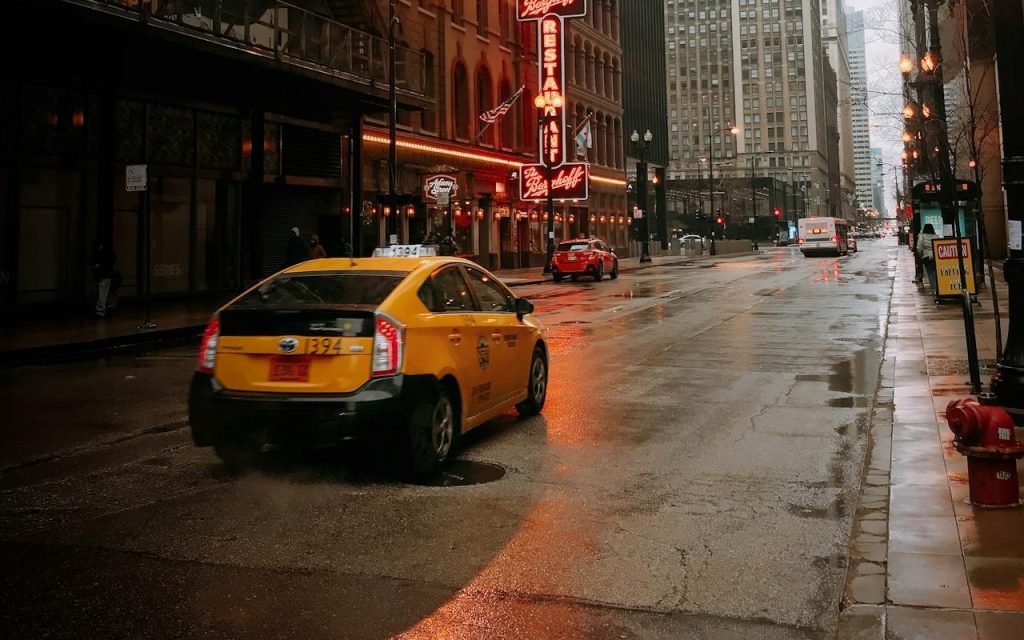
Chicago’s taxi rules are clear, yet large events, late nights, and winter weather can still open the door to overcharging. Riders encounter poorly marked vehicles that resemble licensed taxis, drivers who resist short trips, or arguments over special rates when demand spikes near arenas and hotels. Card payment issues also appear during busy hours. The best defense is consistency. Confirm branding and cab number, make sure the meter is active when required, and keep a receipt that matches the screen total. Noting the pickup location and time anchors the trip to a specific curb, which discourages careless pricing.
Los Angeles, California
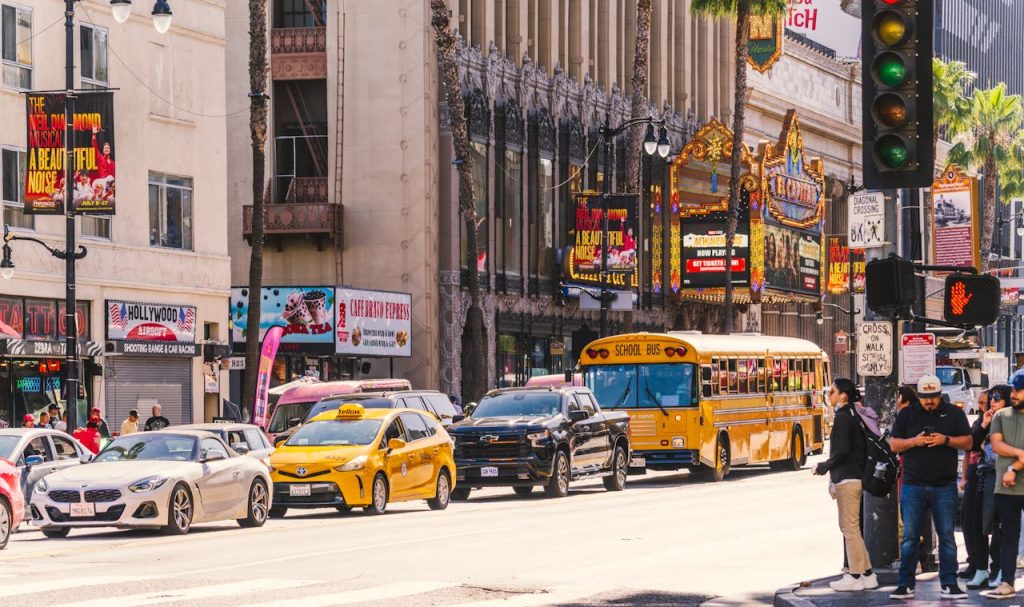
Los Angeles sprawl makes it harder to judge what a normal taxi fare should be, especially after long flights or late shows when traffic explanations sound convincing. Common problems include inflated flat quotes near airports, pressure to skip the meter, and card payment claims that surface only at the end of the ride. Unlicensed operators also linger near terminals and venues. A legitimate ride usually feels boring. It starts at an official pickup area, uses a marked cab, confirms metered or flat pricing before departure, and ends with a receipt listing fare, fees, and tip clearly. Boring is good when it comes to payment.