8 U.S. Highways Known as “Serial Killer Corridors”
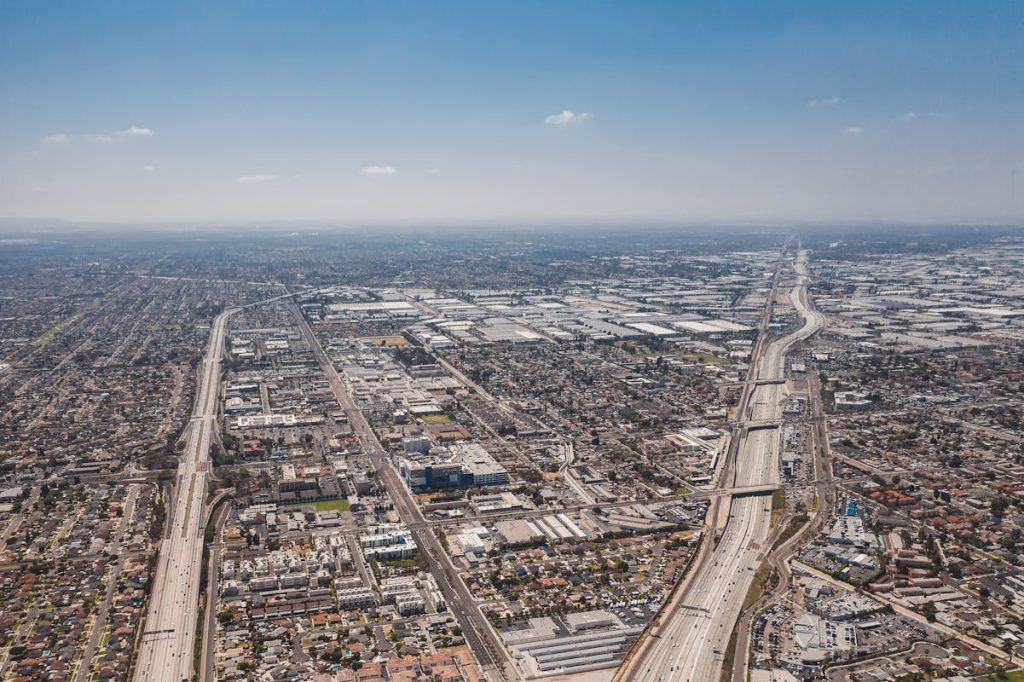
The United States contains thousands of highways that support daily travel, long-haul trucking, and cross-country exploration, yet a small number have gained notoriety because of disturbing criminal patterns documented over several decades. These stretches of road often share characteristics that complicate investigations, including remote landscapes, heavy freight traffic, limited surveillance, and transient populations that make tracking movements difficult. Law enforcement agencies across multiple jurisdictions sometimes collaborate to piece together clues, but the geographical scale adds challenges that smaller cases rarely encounter. While these corridors function normally for most travelers, their histories continue to draw public attention as investigators, journalists, and communities work to understand how certain routes became associated with repeated disappearances or violent crimes.
Interstate 40
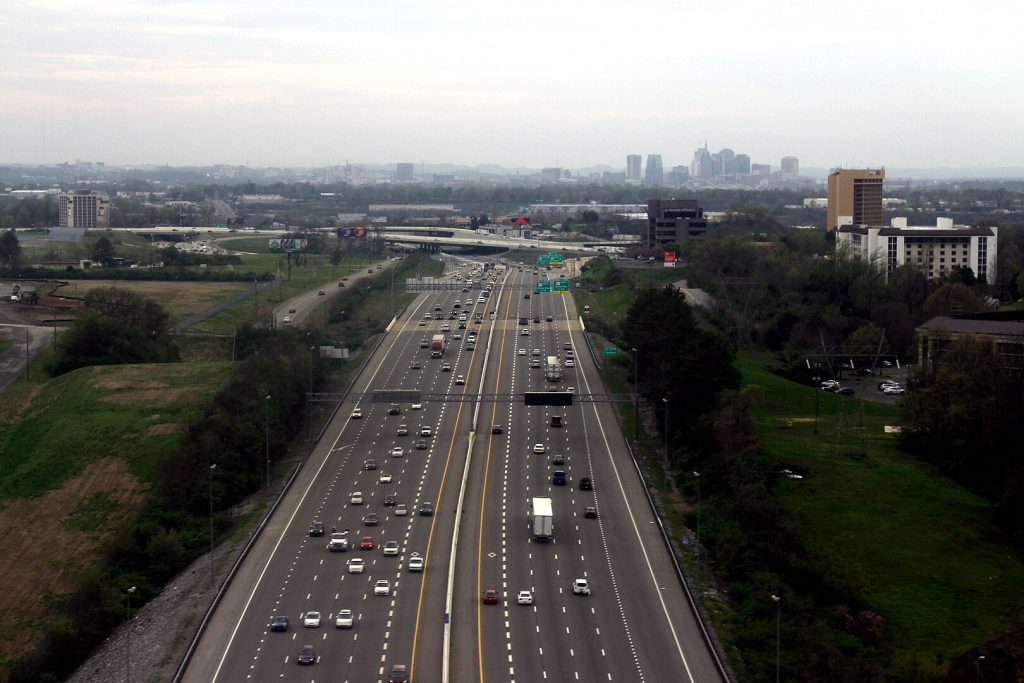
Interstate 40 spans the country from California to North Carolina, and its immense length, remote stretches, and heavy trucking traffic contribute to its unsettling reputation. Several portions of the highway pass through sparsely populated desert areas where few services exist, creating large gaps in surveillance and long distances between towns. Investigators across multiple states have documented cases involving abandoned vehicles, missing persons, and unsolved incidents along isolated segments. The vast geography requires coordination across jurisdictions, which can delay progress as information travels between departments. Although millions use I-40 safely each year, its more secluded regions have drawn persistent concern from communities and investigators studying patterns of criminal activity.
Interstate 10
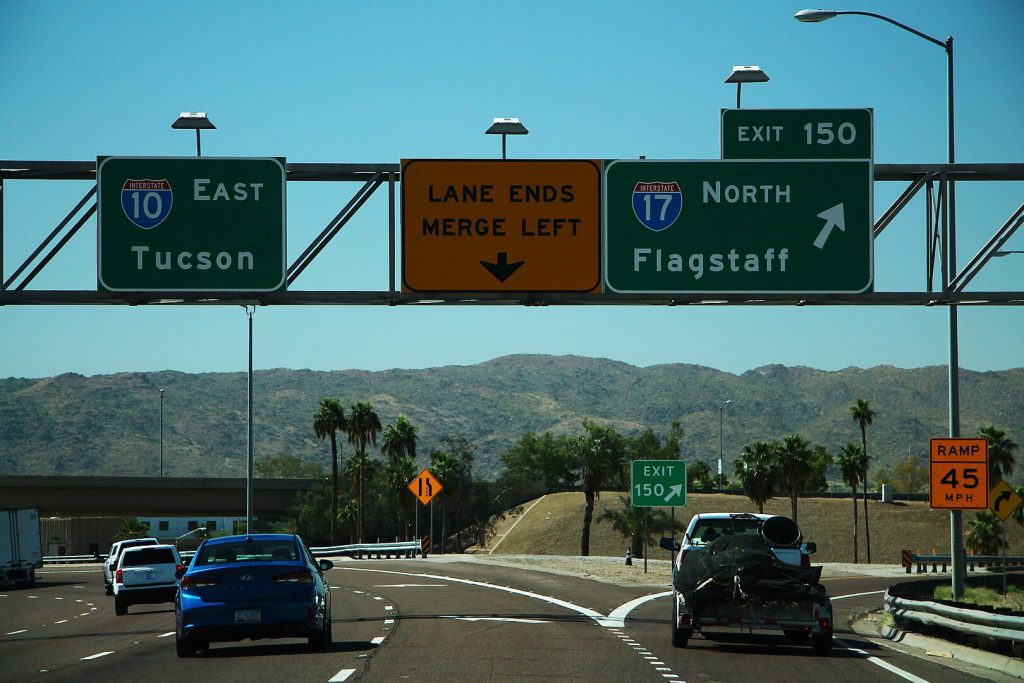
Interstate 10 stretches from California to Florida and crosses a wide variety of landscapes, including remote desert corridors, busy metropolitan zones, and rural regions with limited law enforcement visibility. Several states along the route have reported unsolved crimes or disappearances tied to sections where long distances separate services and traffic moves quickly through isolated areas. The constant flow of commercial vehicles complicates investigations because drivers from across the country pass through without extended stops. Authorities have examined clusters of incidents near remote exits and rest areas, noting how geography and high mobility create difficult conditions for tracking suspects. Despite its importance to national travel, I-10 carries a history investigators continue to study closely.
U.S. Route 20
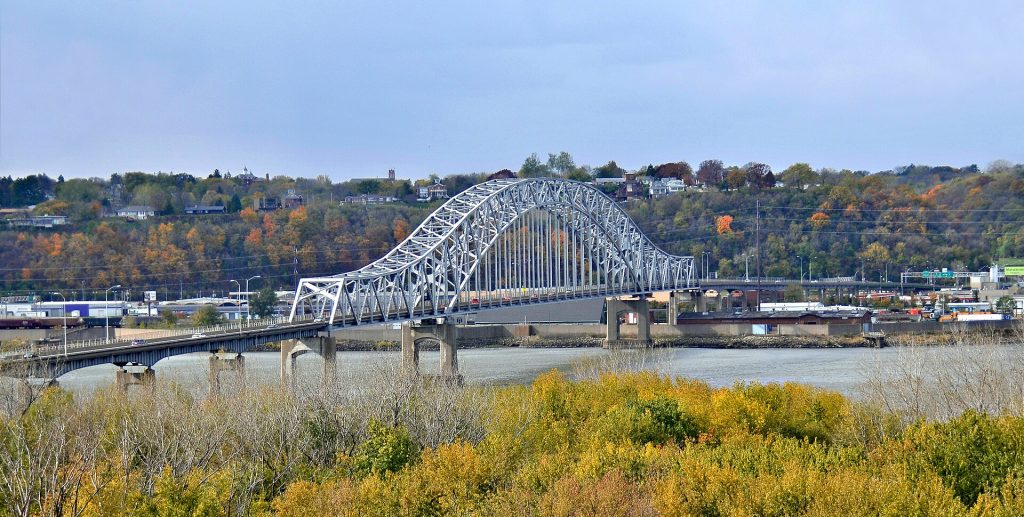
U.S. Route 20, the country’s longest continuous road, runs from Oregon to Massachusetts and features extensive remote segments across the northern United States. Certain rural portions, particularly in the Midwest and Mountain West, have drawn attention due to reports of abandoned vehicles, missing individuals, and isolated violent crimes documented over several decades. The route’s quieter stretches offer minimal lighting and limited cell service, making searches challenging for local responders. Heavy truck traffic and sparse population density add to investigative difficulty, as witnesses are often unavailable. Although Route 20 remains a vital cross-country roadway, its length and isolation contribute to a complex case history that continues to intrigue investigators.
Interstate 95
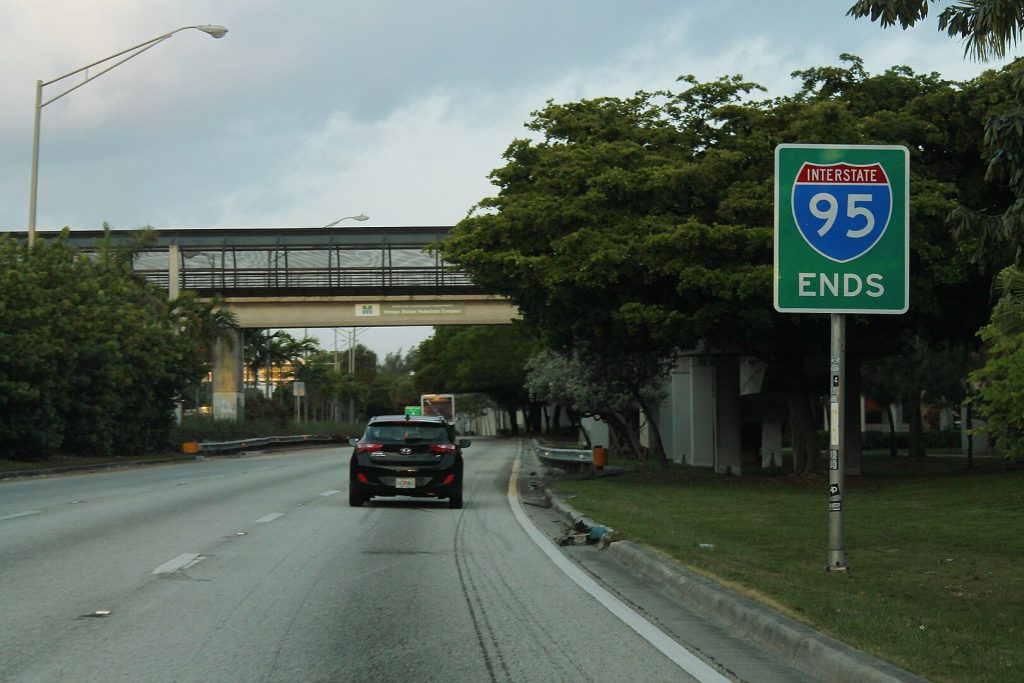
Interstate 95 follows the East Coast from Florida to Maine and remains one of the busiest highways in the nation, yet its extensive traffic and numerous interchanges create conditions where criminal activity sometimes goes unnoticed. Certain stretches have been associated with unsolved cases involving travelers who disappeared between major cities or near rest stops that experience high turnover. The dense population along the corridor paradoxically complicates investigations because movement is constant and suspects can blend into urban environments. Rest areas near rural borders add another layer of difficulty due to limited surveillance. While I-95 is essential to commerce and tourism, its vast footprint has produced a complex landscape for investigators studying repeated incidents.
Interstate 70
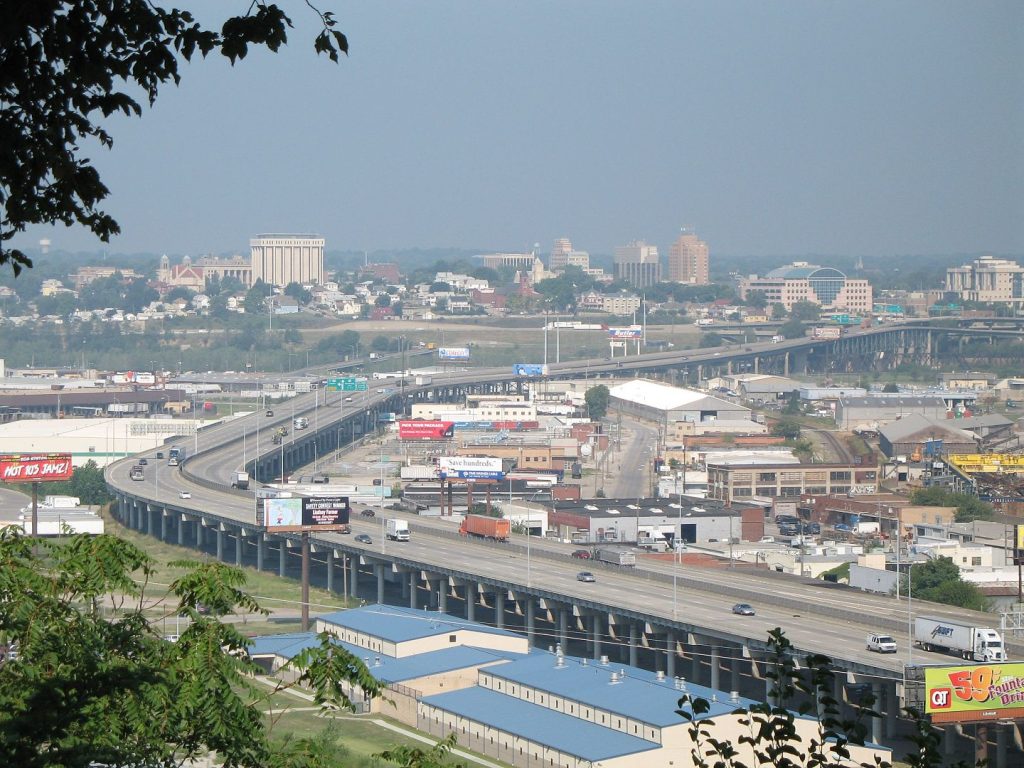
Interstate 70 crosses the country from Utah to Maryland and includes long, open stretches that pass through sparsely populated plains and mountain regions. Several high-profile unsolved cases, particularly those involving abandoned vehicles or unexplained disappearances across the Midwest, have drawn attention to the route. Investigators note that certain areas offer few services, leaving travelers isolated for many miles. Weather conditions, especially winter storms, can create additional complications by reducing visibility and slowing response times. The mix of rural landscapes and heavy interstate traffic presents challenges for law enforcement attempting to track patterns across multiple states. I-70 remains critical for cross-country travel, yet its history features incidents that continue to raise concern.
Interstate 45
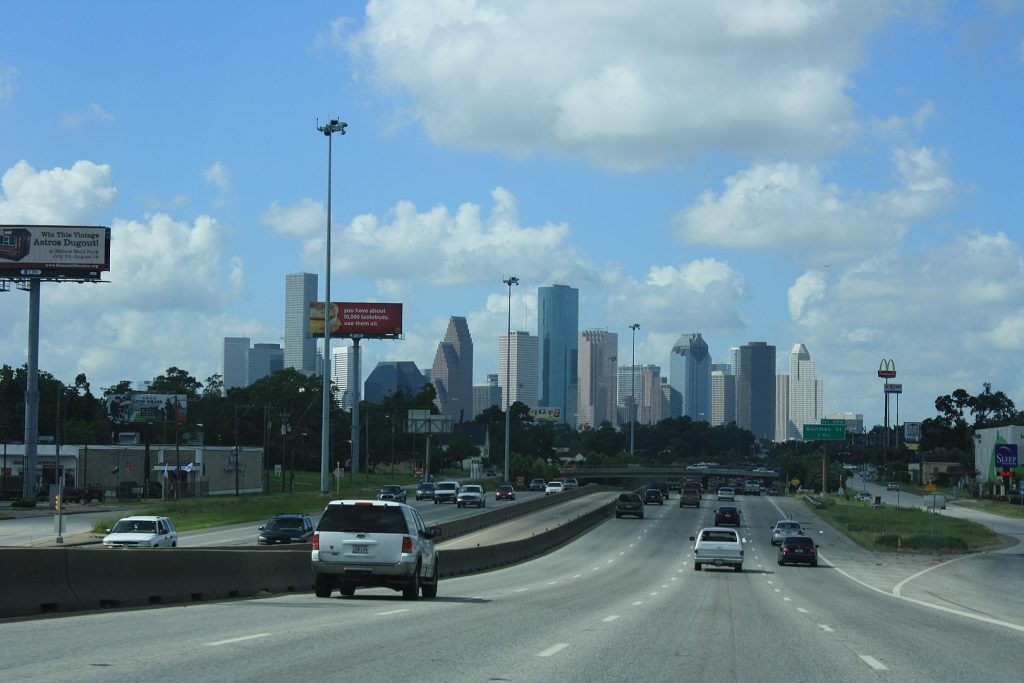
Interstate 45 in Texas stretches from Dallas to Galveston and has become one of the nation’s most frequently discussed “serial killer corridors” due to numerous unsolved cases concentrated along the route. The region between Houston and Galveston, often referred to as the Texas Killing Fields, includes marshlands and wide-open spaces that historically delayed searches and hindered investigations. High mobility along the corridor makes tracking suspects difficult, and multiple agencies must coordinate across large jurisdictions with varied resources. Media coverage and ongoing case reviews have brought national attention to the highway’s troubling history. Despite ongoing improvements in investigative techniques, I-45 continues to be associated with a long record of unresolved cases.
Interstate 35
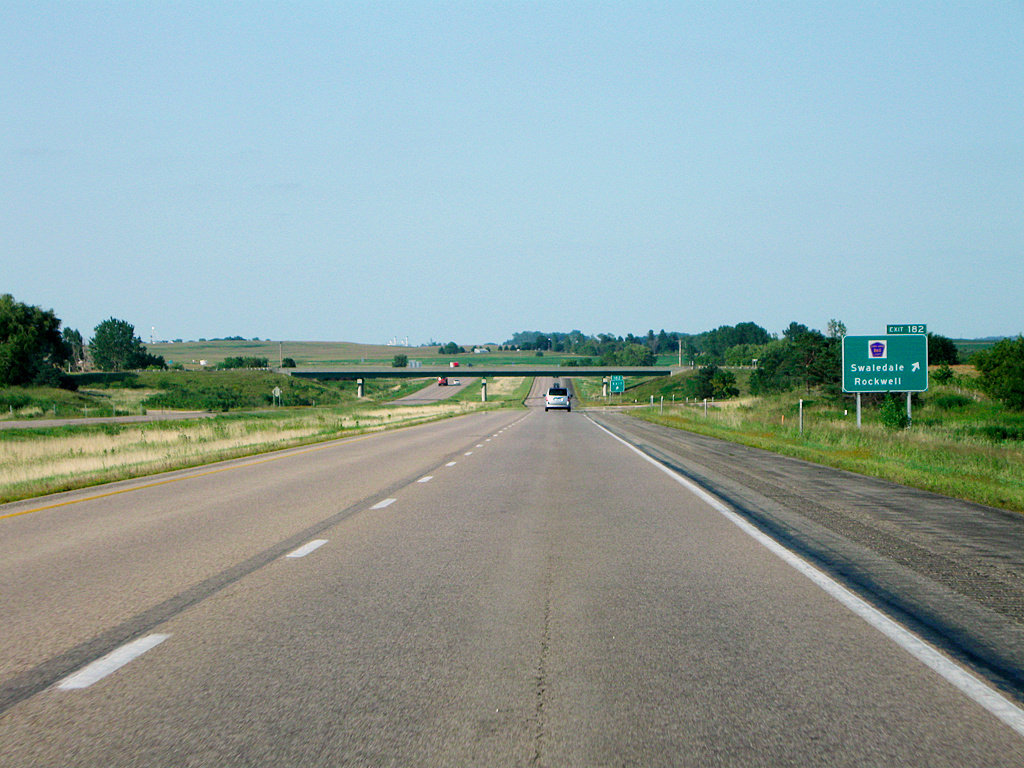
Interstate 35 runs from Texas to Minnesota and includes stretches of highway that pass through rural farmland, major cities, and busy transit hubs, creating varied environments that complicate law enforcement coordination. Several states along the route have linked missing persons cases or unsolved incidents to isolated rest areas or remote exits with limited lighting. Heavy trucking traffic adds another investigative challenge because drivers traveling long distances often move quickly between states. The mix of transient populations and minimal surveillance in key segments has prompted researchers to examine patterns along the corridor. While I-35 supports significant commercial activity, its length and varied geography contribute to a reputation that draws continued scrutiny.
U.S. Route 50
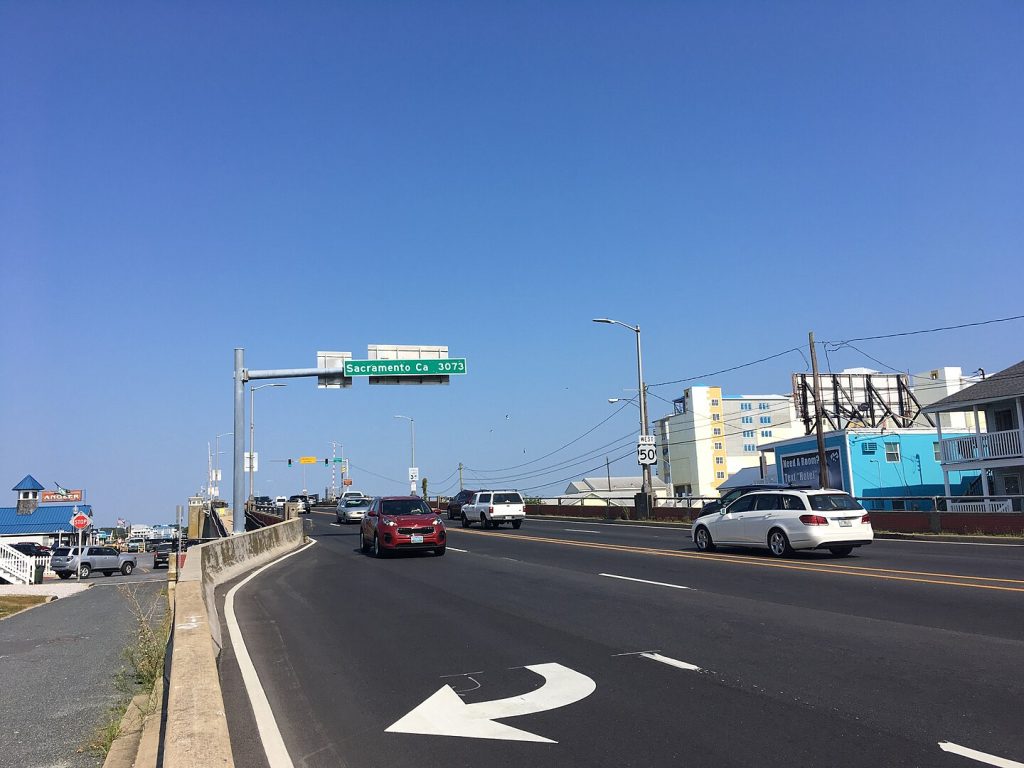
U.S. Route 50 stretches from California to Maryland and includes remote desert regions, mountain passes, and long stretches of rural highway with few services. Nevada’s portion of the route has been nicknamed the Loneliest Road in America due to its isolation, which can create difficult conditions for travelers experiencing breakdowns or emergencies. Investigators have documented incidents involving missing persons and unexplained events along quieter segments where traffic is sparse and communication remains limited. The combination of open landscapes and long travel intervals makes it challenging to track suspicious activity or gather timely witness accounts. Although Route 50 offers scenic beauty, its most secluded portions have gained a reputation that continues to draw attention from researchers and law enforcement agencies.