8 U.S. Historic Districts Tourists Say Are Scam Central

Travel historians and urban planners often observe a phenomenon where authentic heritage sites transform into high-density commercial zones. These areas frequently prioritize high-volume foot traffic over historical preservation. While these districts contain genuine architectural significance, the experience on the ground often involves inflated pricing and repetitive retail offerings that detract from the original cultural value.
Tourism experts and local preservationists suggest that certain districts have become synonymous with overpriced souvenirs and lackluster dining. These locations often leverage a historical reputation to justify premium costs for experiences that lack depth. Understanding which areas lean more toward commercial traps than cultural immersion helps travelers manage expectations and seek out more authentic alternatives nearby.
Times Square in New York City
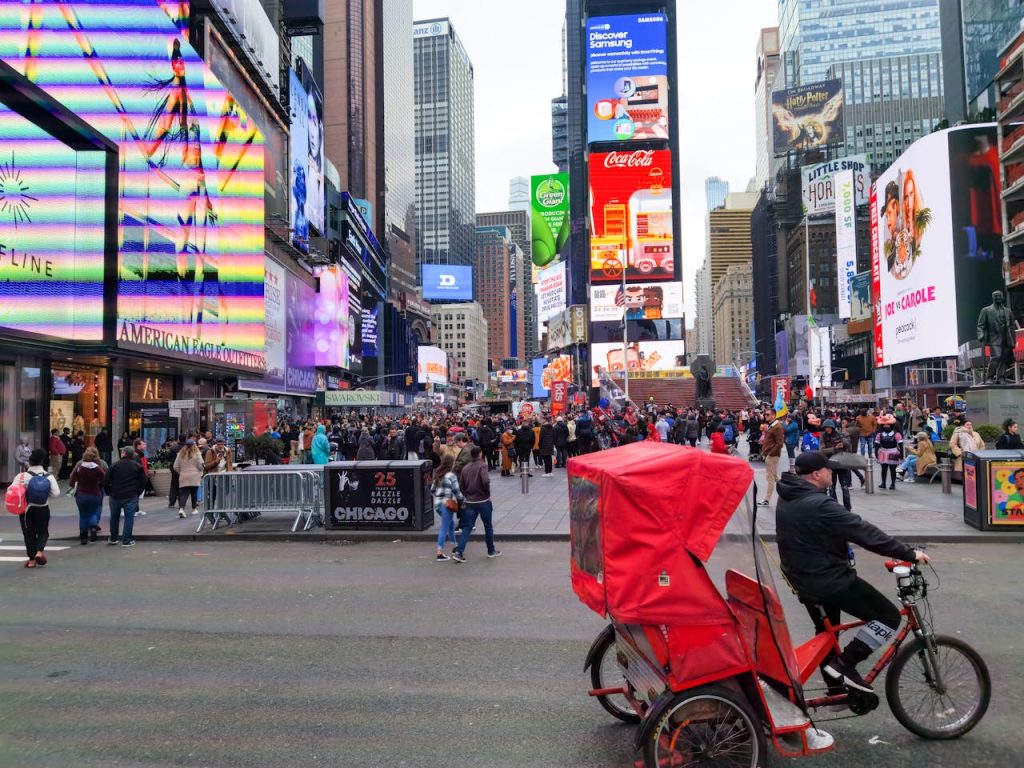
Urban historians categorize this district as a pinnacle of commercial evolution rather than a site for quiet historical reflection. While it serves as the symbolic heart of American theater and neon innovation, the area functions primarily as a high-priced hub for global retail chains. Locals and seasoned travelers frequently point to the overwhelming density of costumed characters and aggressive street vendors as a significant detraction from the intended experience.
The cost of simple goods in this zone often doubles or triples compared to neighboring blocks. Experts in city planning note that the infrastructure caters almost exclusively to transient crowds, leading to a sanitized version of New York culture. Many visitors find that the historical elements of the district are buried under massive digital billboards and repetitive flagship stores that offer little in the way of unique local flavor.
Fisherman’s Wharf in San Francisco
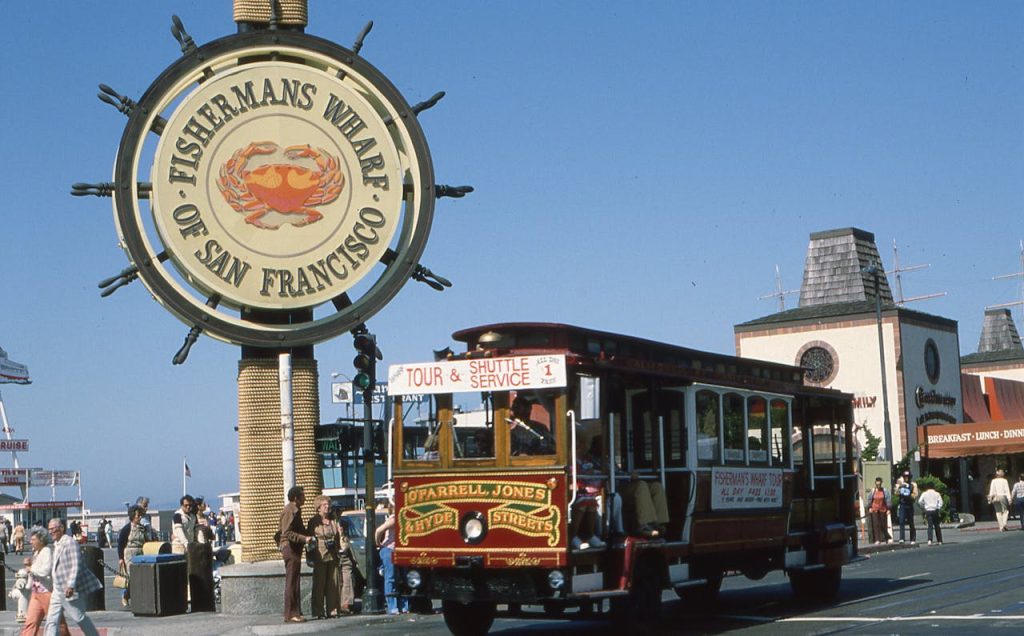
Maritime experts and local historians acknowledge the rich fishing heritage of this waterfront, but they also highlight its modern identity as a commercialized spectacle. The district primarily features souvenir shops selling generic merchandise and seafood restaurants with prices that far exceed the quality of the fare. Preservationists often lament that the authentic working-port atmosphere has been overshadowed by wax museums and carnival-style attractions.
Economic analysts observe that the financial model of this area relies on the high volume of first-time visitors who are unaware of the city’s more authentic culinary neighborhoods. While the views of the bay remain impressive, the immediate surroundings consist of chain establishments that provide a uniform experience found in many other major cities. Travelers seeking true San Francisco history often find it necessary to move several blocks inland to escape the inflated costs and repetitive retail loops.
The French Quarter in New Orleans
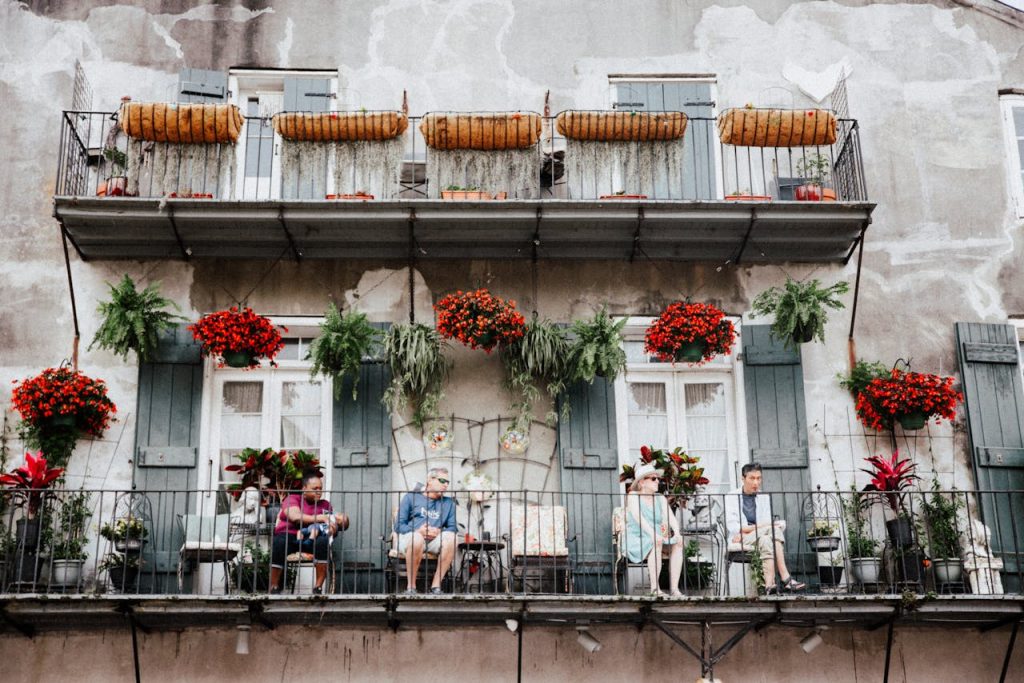
Cultural anthropologists recognize the French Quarter as a vital repository of Creole architecture and jazz history, yet the district suffers from extreme commercial saturation. State tourism officials and hospitality experts frequently discuss how the area around Bourbon Street has transitioned into a zone focused on high-priced novelty drinks and loud, repetitive music. The historic integrity of the neighborhood is often at odds with the modern demand for a party-centric atmosphere.
The pricing of food and beverages in the most frequented parts of the Quarter reflects a significant markup aimed at those unfamiliar with local standards. Experts suggest that while the architecture remains stunning, the street-level experience is frequently marred by aggressive solicitation and overpriced tour packages. Finding the genuine soul of the city often requires looking past the neon signs and seeking out quieter streets where the history feels lived-in rather than performed.
Hollywood Boulevard in Los Angeles
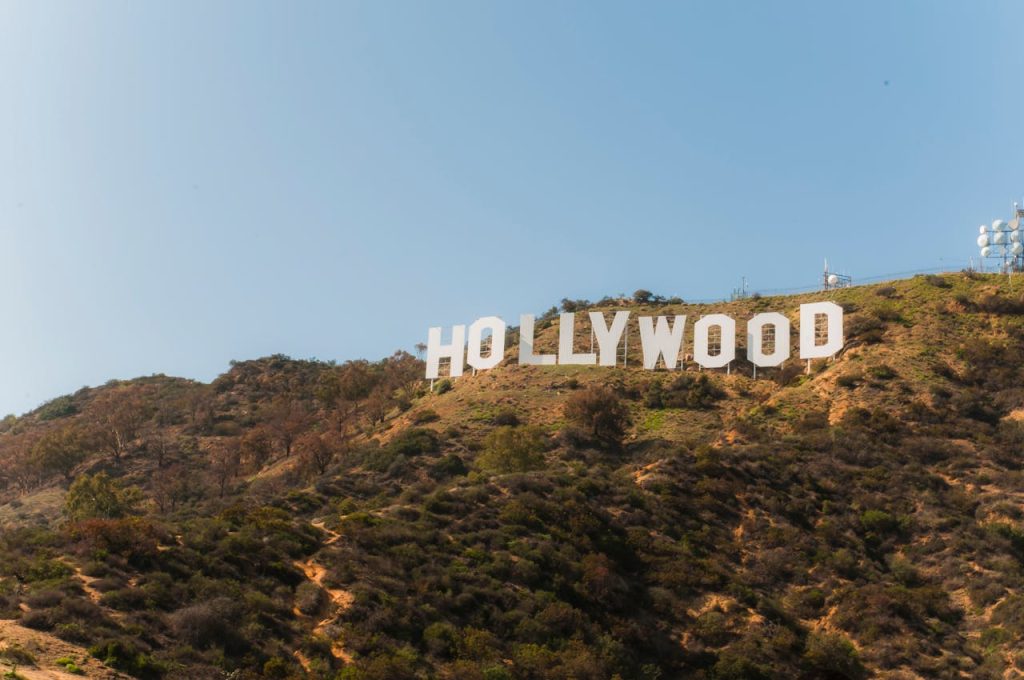
Film historians and city officials often describe the Walk of Fame as a prime example of a historic district that struggles with its own fame. The stretch of sidewalk dedicated to cinematic icons is frequently crowded with unvetted tour operators and individuals seeking tips for photos. Professional guides note that the physical condition of the area often surprises visitors who expect the glamour depicted in movies, finding instead a gritty commercial strip.
Retail experts point out that the shops lining the boulevard mostly sell low-quality memorabilia at premium prices. The lack of traditional museum-quality curation means that the historical significance of the theaters is often lost in the chaos of the street. Those studying urban tourism suggest that the district serves more as a transit point than a destination for meaningful engagement with the history of the motion picture industry.
Navy Pier in Chicago
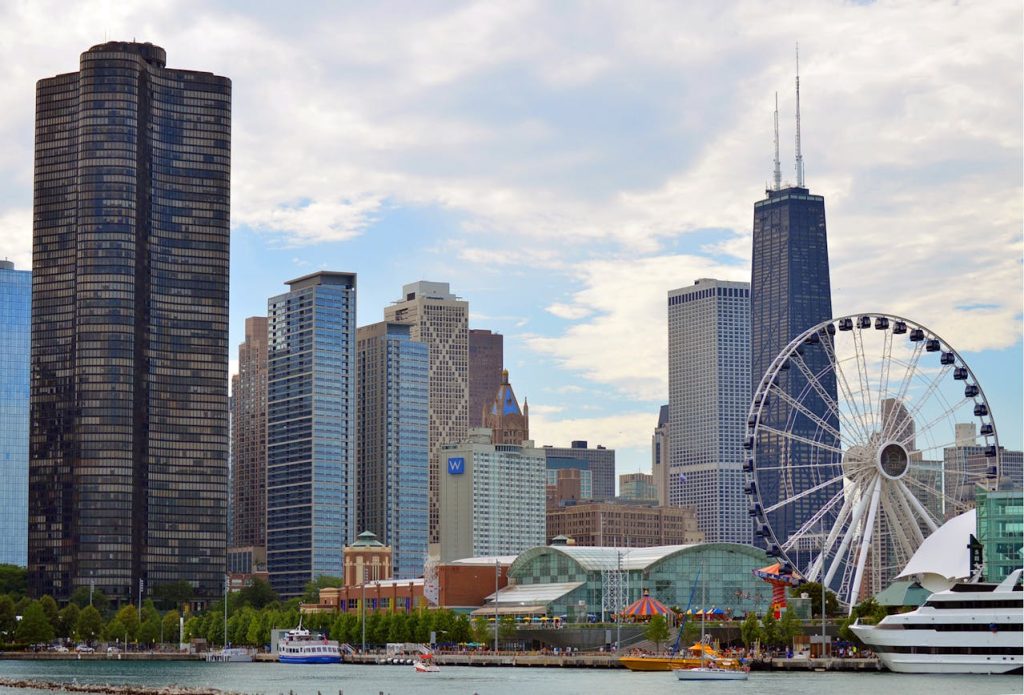
Architectural critics and local historians view this landmark as a feat of early 20th-century engineering that has become a magnet for standard mall-style retail. While the pier offers a unique vantage point of the lakefront, the interior space is dominated by food courts and generic entertainment options. Experts in urban development note that the pier functions as a self-contained ecosystem that keeps visitors away from the more diverse and historically rich neighborhoods of the city.
The expense associated with parking, dining, and basic attractions at this site is a common point of discussion among travel budget analysts. The experience is often described as a repetitive cycle of waiting in lines for activities that are available in many other suburban settings. Because the pier is physically separated from the rest of the city, it creates a captive market where prices remain high despite the lack of unique cultural offerings.
The Las Vegas Strip
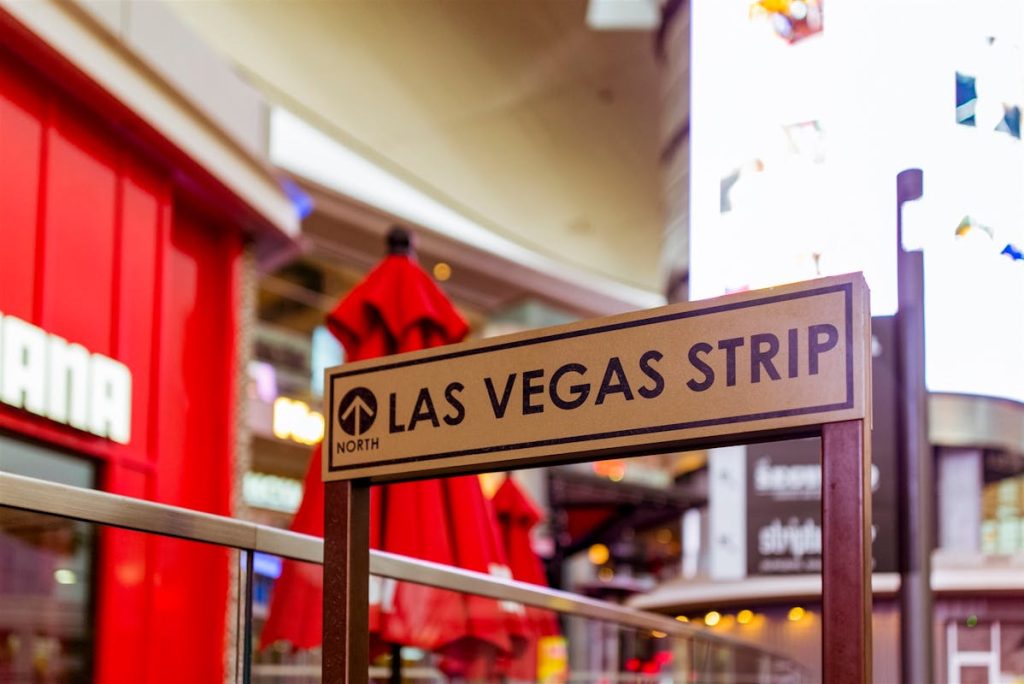
While not a traditional historic district in the colonial sense, the Strip is a designated National Scenic Byway with a distinct mid-century legacy that historians now study. However, hospitality experts emphasize that the modern iteration of the Strip is designed for maximum extraction of visitor funds. Every aspect of the environment, from the lack of clocks to the labyrinthine layouts of the resorts, is engineered to encourage spending on overpriced amenities and convenience items.
Economists note that the price of basic necessities like bottled water or a quick snack can be astronomical within the confines of the major resorts. The historical allure of the Rat Pack era has been largely replaced by mega-resorts that prioritize high-margin experiences over accessible history. Visitors often find that the spectacle comes with hidden fees and service charges that significantly inflate the total cost of a stay.
Faneuil Hall Marketplace in Boston
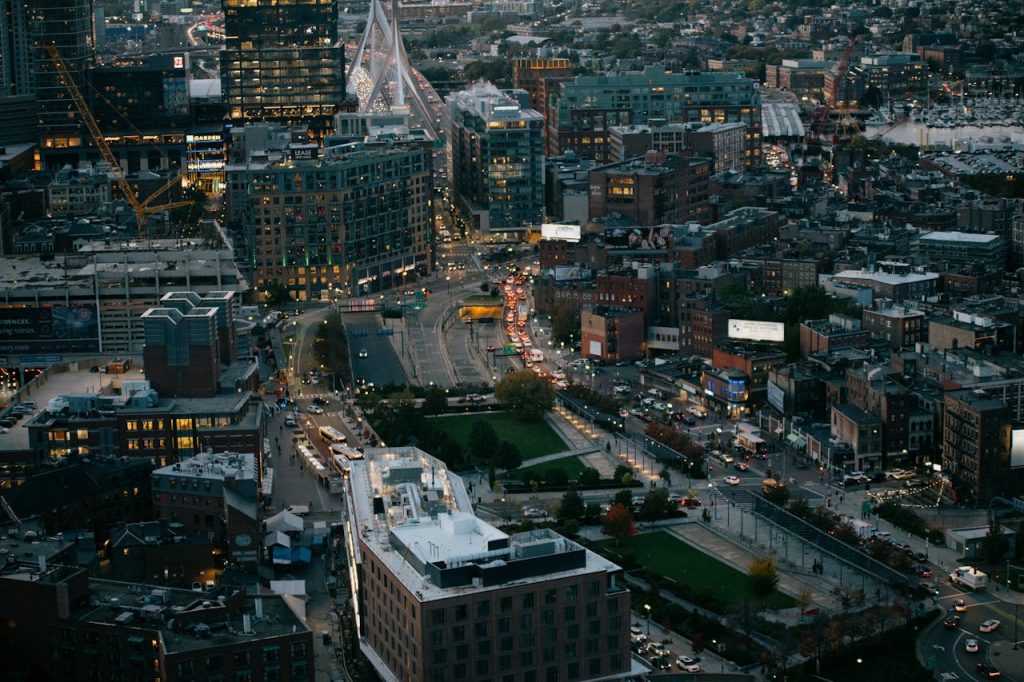
Preservationists and historians recognize Faneuil Hall as the Cradle of Liberty, yet the surrounding marketplace is often cited by experts as a cookie-cutter shopping center. The historic cobblestones lead to a series of buildings filled with national clothing brands and fast-food stalls that offer little connection to Boston’s revolutionary past. Urban planners suggest that the site has become a victims of its own success, prioritizing retail revenue over educational or local engagement.
The dining options in the central hall frequently charge premium prices for items like clam chowder and lobster rolls that can be found for much less at local spots. Experts in heritage tourism argue that the commercialization of the space makes it difficult for visitors to appreciate the gravity of the events that occurred there. The atmosphere is often one of a crowded mall rather than a site of profound historical significance.
Riverwalk in San Antonio
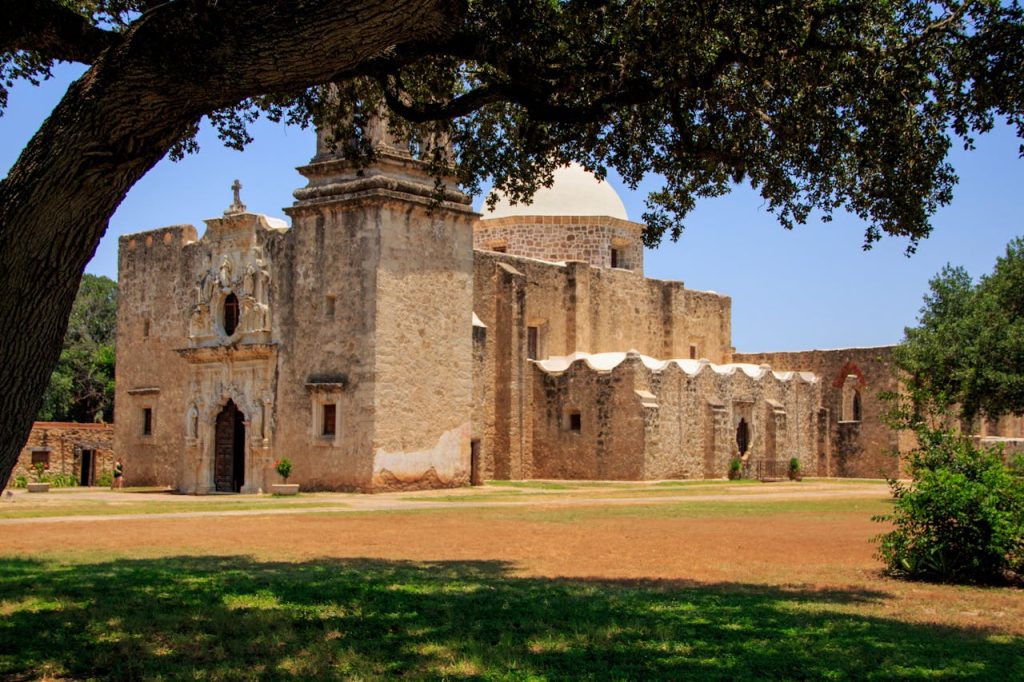
Engineering experts and landscape architects celebrate the Riverwalk as a masterpiece of flood control and urban design, but they also acknowledge its transition into a high-cost tourist bubble. The lower level of the city is lined with restaurants that often charge a location premium for menus that lack the authenticity of the city’s broader culinary scene. Local guides often suggest that while the walk is beautiful, the commercial offerings are largely targeted at a transient audience.
The density of the crowds and the repetitive nature of the souvenir shops can make the experience feel more like a theme park than a historic neighborhood. Experts in the travel industry note that the prices for boat tours and margaritas are significantly higher along the water than just a few blocks away at street level. Many find that the most rewarding way to experience the area is to appreciate the masonry and foliage while dining elsewhere in the city.