8 Unexplored Mountain Trails Hidden in U.S.
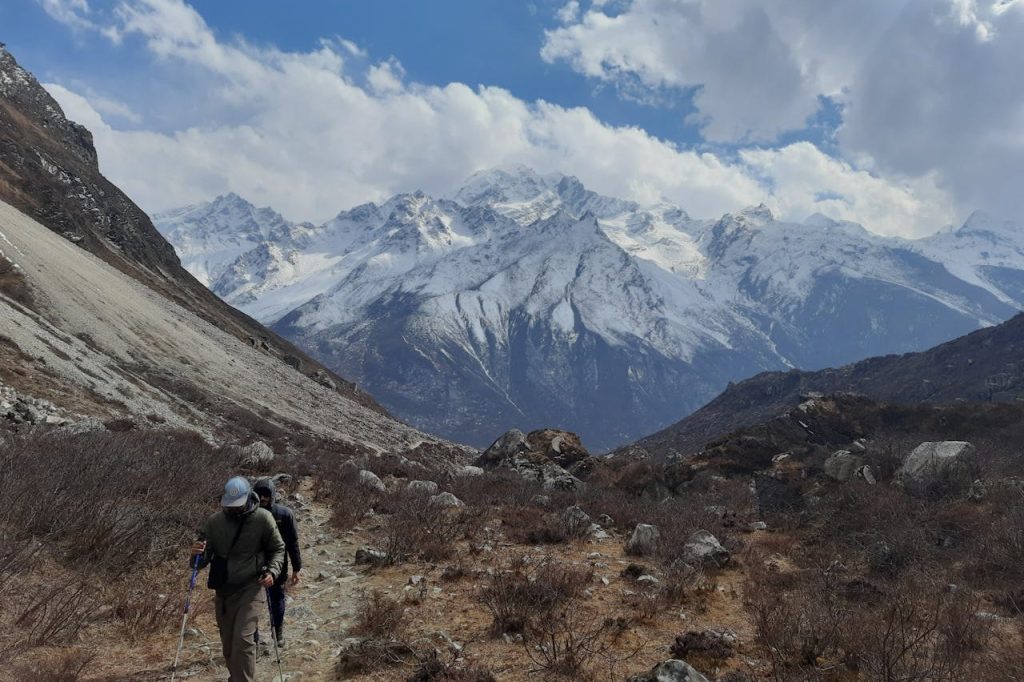
America’s busiest trailheads are getting louder each season. Parking fills before sunrise, social feeds steer foot traffic, and many mountain walks now feel shaped by crowds, not weather or terrain. That shift is why lesser-known routes matter. They offer the same elevation, drama, and challenge, but with enough space to hear creeks, watch light move, and walk without hurry.
This gallery follows 12 lesser-known U.S. mountain trails where effort buys quiet. Some demand creek crossings, some require long climbs, and some test planning with remote access. Together, they restore what many hikers miss: solitude, rhythm, and a connection to place.
Eagle Rock Loop, Arkansas
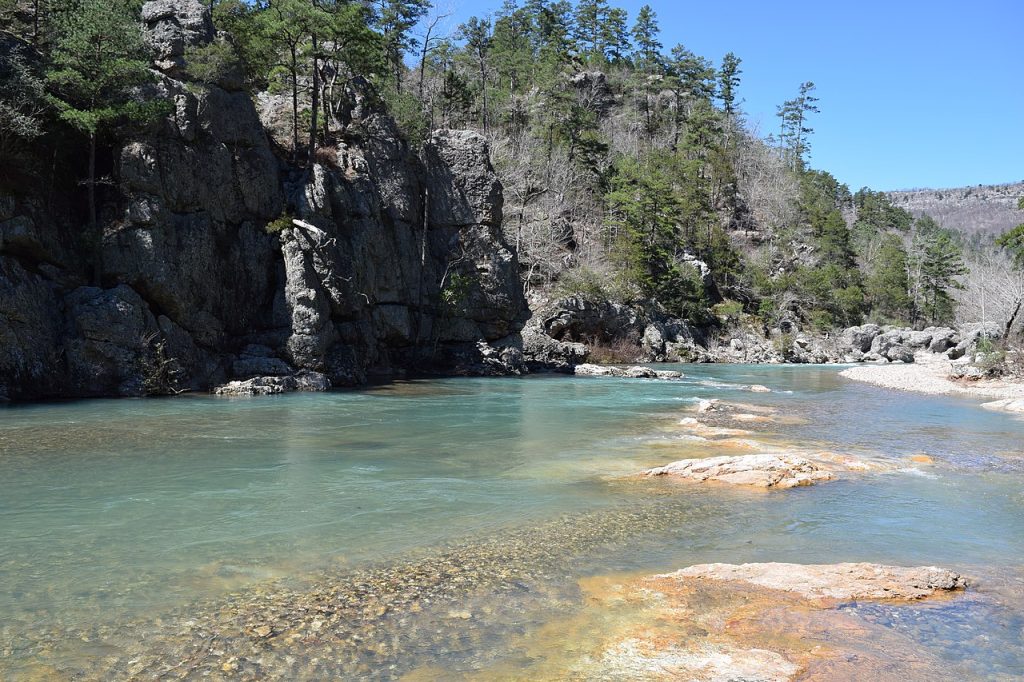
Eagle Rock Loop in Arkansas still feels like a trail discovered by word of mouth instead of algorithms. The Ouachita National Forest describes it as the state’s longest loop trail, stitched from the Little Missouri, Athens-Big Fork, and Viles Branch segments, with repeated stream crossings and nine mountain climbs.
That combination gives the route a raw, old-school rhythm: wet shoes, steady ascents, and long quiet miles. It asks for pacing and patience, which is exactly why it stays less crowded than many better-known mountain loops in the central United States. Check creek levels. Rain can raise crossings overnight and delay travel by dawn.
Crow Pass Trail, Alaska
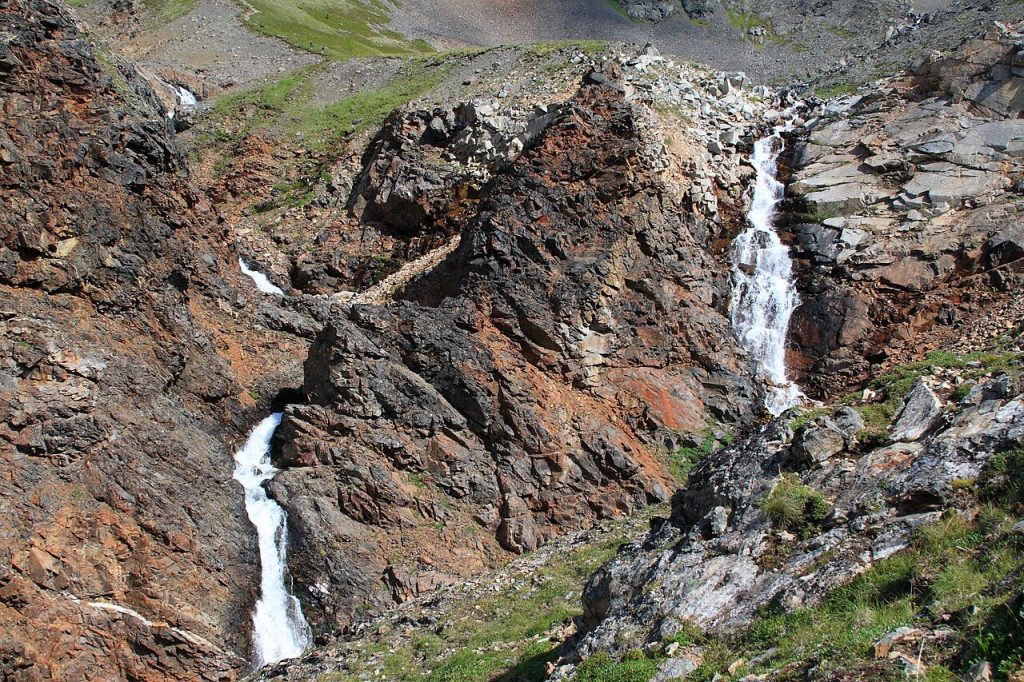
Crow Pass links high alpine terrain with deep valley scenery and remains one of Alaska’s classic point-to-point mountain routes. Chugach National Forest lists the trail as a 26-mile segment of the Iditarod National Historic Trail, beginning with a sustained climb before continuing toward broad glacial country.
Because access is harder than drive-up day hikes, the foot traffic naturally thins out beyond the first stretch. Long daylight, dramatic weather swings, and real backcountry distance keep the experience serious, scenic, and memorable in a way that shorter mountain walks rarely match. Storm timing decides comfort more than pure fitness.
Harding Icefield Trail, Alaska
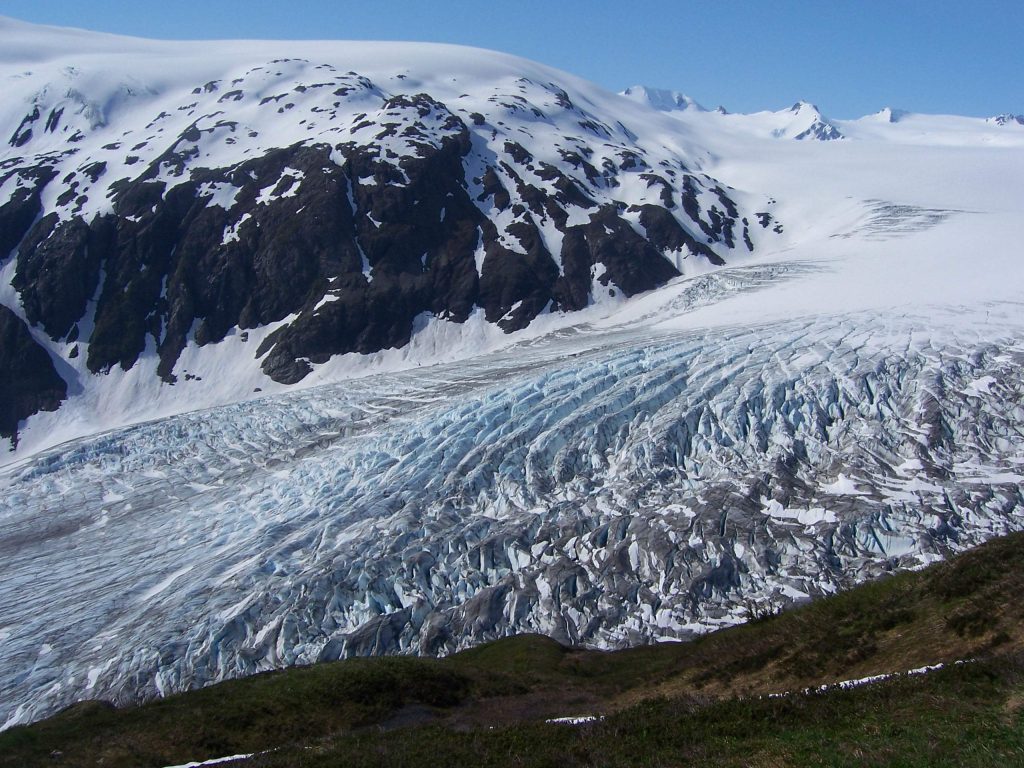
Harding Icefield Trail in Kenai Fjords National Park is the kind of mountain hike that shifts scale every hour. The National Park Service describes it as an 8.2-mile round trip from the Exit Glacier area, rising from valley forest through meadows and above tree line to sweeping icefield views.
Even strong hikers find the climb humbling, not because it is technical, but because the grade and exposure demand consistency. The reward is a rare perspective over a massive frozen landscape that feels geologic rather than simply scenic, and that feeling lingers long after descent. Weather flips quickly here, so layers and turnaround plans are vital.
Cinder Cone Trail, California
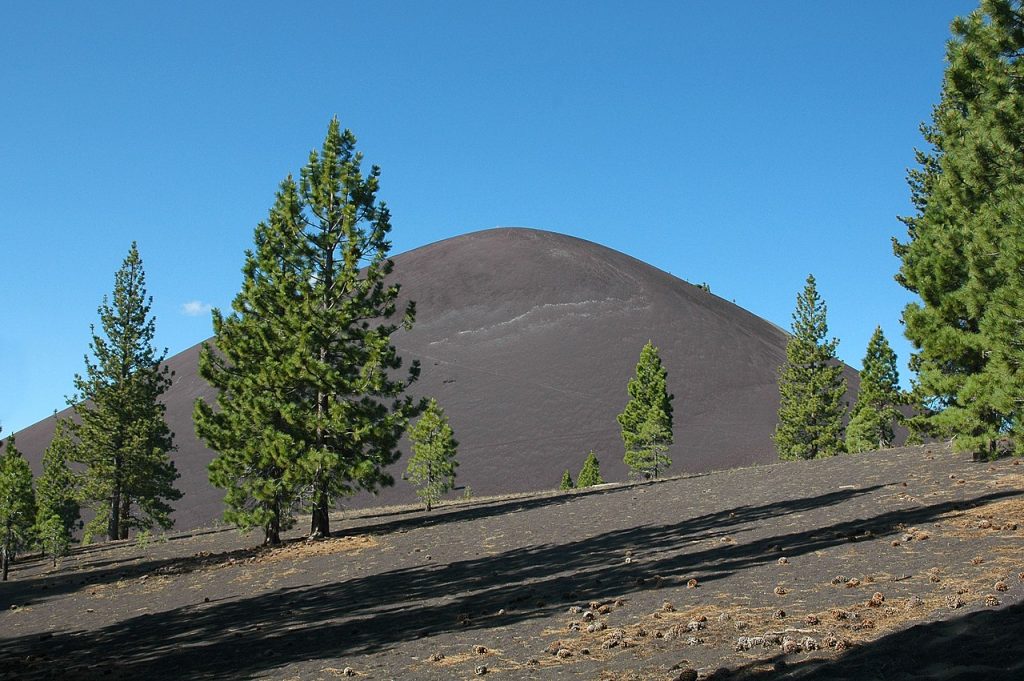
Cinder Cone in Lassen Volcanic National Park is a mountain trail with a volcanic personality, and that alone keeps it different from forested summit hikes. NPS guidance notes the route reaches a fork about 1.2 miles in, then steepens sharply on loose cinders toward the cone, with broad views of the Painted Dunes.
Footing is the real challenge, since every step on steep ash can feel half-earned. Yet the terrain is so unusual and open that the effort rarely feels tedious. It is a powerful choice for hikers who want geology, altitude, and color in one compact but demanding outing. Loose cinders demand patience, traction, and measured breathing.
McKittrick Canyon Trail, Texas
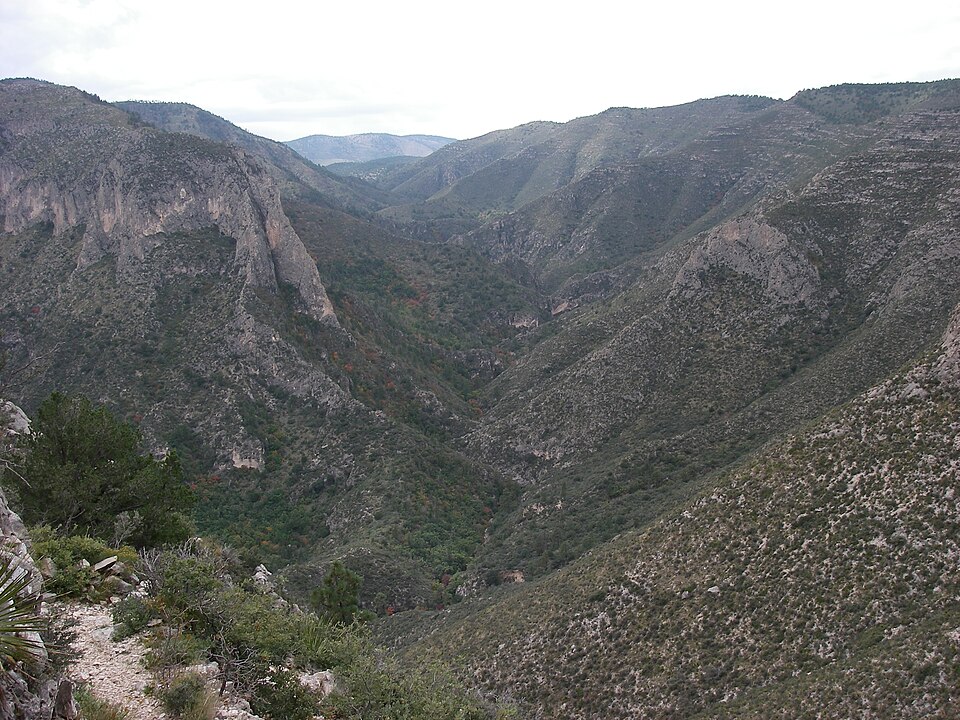
McKittrick Canyon in Guadalupe Mountains National Park offers a quieter mountain day than many headline trails in the Southwest. NPS identifies the canyon area as day-use only, with set visiting hours, and describes trails that begin near the visitor center and move from desert-edge terrain into a cooler, greener canyon interior.
That transition is the signature experience: dry slopes giving way to shaded pockets, rock walls, and seasonal color. Because timing rules shape entry and exit, hikers who plan carefully often find a more peaceful window on trail than busier, all-day access mountain destinations. Cool seasons usually hike best here.
Hidden Lake Trail, Washington
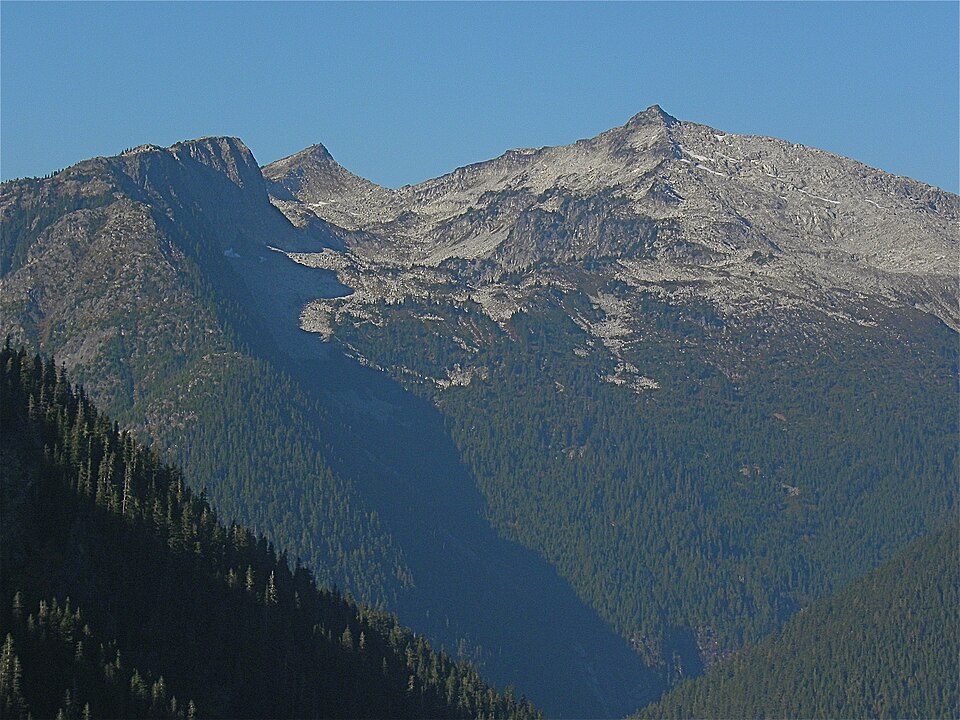
Hidden Lake Peak Trail in North Cascades country delivers big mountain atmosphere with a backcountry feel that still surprises first-time visitors. NPS describes the route as a climb from forest into open meadows, then rocky heather terrain, finishing at a steep pinnacle with a historic lookout above the lake basin.
The trail’s beauty comes from contrast: soft wildflower sections, then abrupt stone and exposure. It can be done as a strong day hike, yet overnight use remains common for people wanting slower light and fewer voices. That flexibility helps it stay wild without being inaccessible. Lingering snowfields can shift route timing fast.
Telescope Peak Trail, California
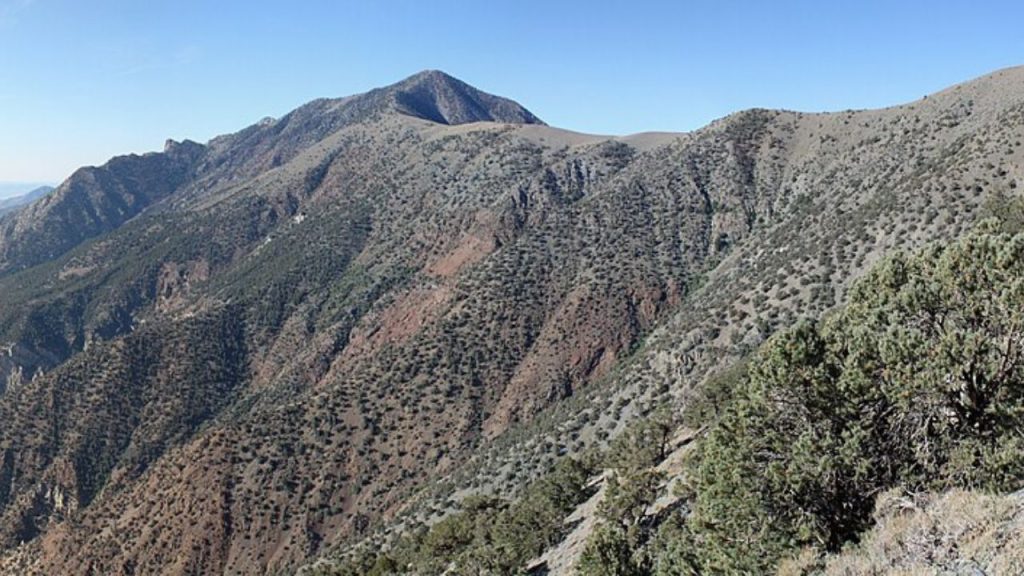
Telescope Peak is the highest summit in Death Valley National Park, but the trail remains oddly under-discussed outside hiking circles. NPS lists the route as a 14-mile out-and-back with roughly 3,000 feet of gain from Mahogany Flat, where road conditions can already filter who reaches the trailhead in the first place.
The mountain delivers one of the park’s strangest contrasts: desert basin views paired with high-elevation forest and, in season, lingering snow. The hike feels like crossing climate zones in a single day, which makes the summit more than a checkbox and the descent more reflective than rushed. Road and wind set summit timings.
Tin Cup to Alice-Toxaway Country, Idaho
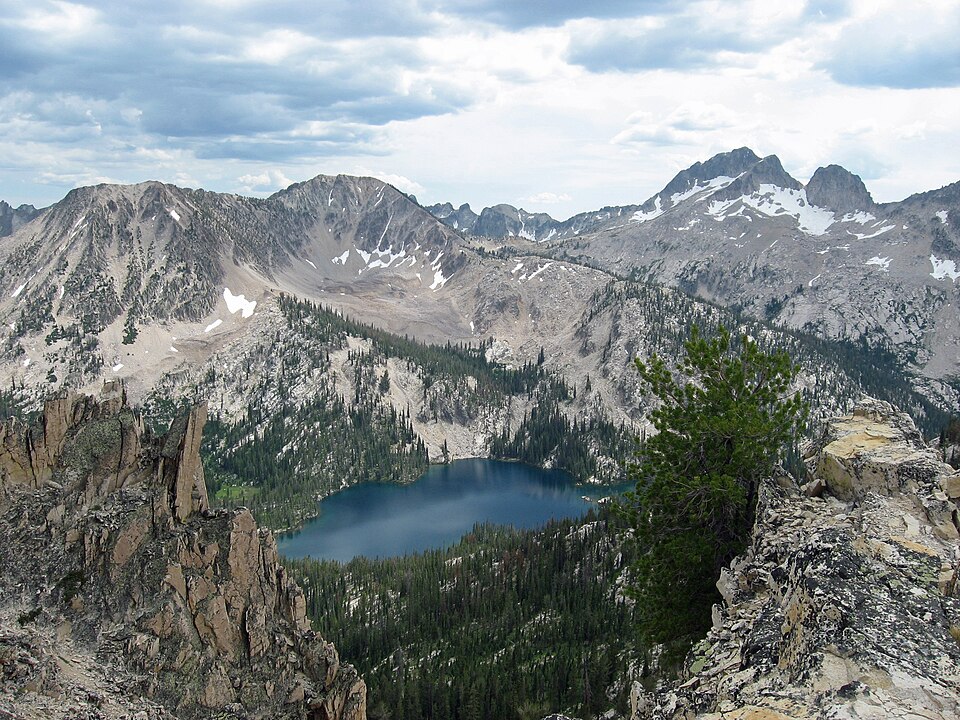
The Tin Cup Hiker Trailhead in Idaho opens into the Alice-Toxaway loop country, a high mountain zone of lakes and jagged peaks in Sawtooth terrain. Sawtooth National Forest notes this access leads hikers toward Alice, Toxaway, Twin, and Farley lakes, with major surrounding summits visible along the broader loop network.
What makes the area feel hidden is not total obscurity, but scale. Once groups spread out across side options and camping zones, the sense of room returns fast. For hikers who want alpine water, long granite views, and multi-day flexibility, it offers depth without constant crowd pressure. Snowpack timing shapes trip planning