8 Ways the U.S. Feels Different to International Travelers Lately
International visitors still come for the same big reasons: national parks, city energy, road trips, sports, and family reunions. What has changed is the texture of the trip. More parts of the journey now run through policy checkpoints, app screens, timed windows, and tighter proof-of-identity norms than many travelers remember from even a few years ago.
That shift is not always dramatic in one moment. It shows up as small frictions that stack together: one extra rule at check-in, one limited slot at an attraction, one stricter lodging requirement in a major city, one more step before boarding. Each step is manageable, but together they reward travelers who plan early and penalize those who improvise late.
Policy and technology now shape movement as much as geography does. Border processing has become more biometric, domestic flight ID rules are stricter, and popular sites increasingly use timed or permitted access to protect capacity and safety. For visitors, that means the U.S. can feel more structured than expected, even when the destination itself remains open and welcoming.
The practical takeaway is simple: preparation is now part of the experience, not an optional extra. Documents, reservations, and budget assumptions need to be locked in earlier than before. Travelers who adapt usually move smoothly, while travelers who rely on old habits often feel that the country has changed faster than they did.
Border Entry Feels More Biometric and More Digital
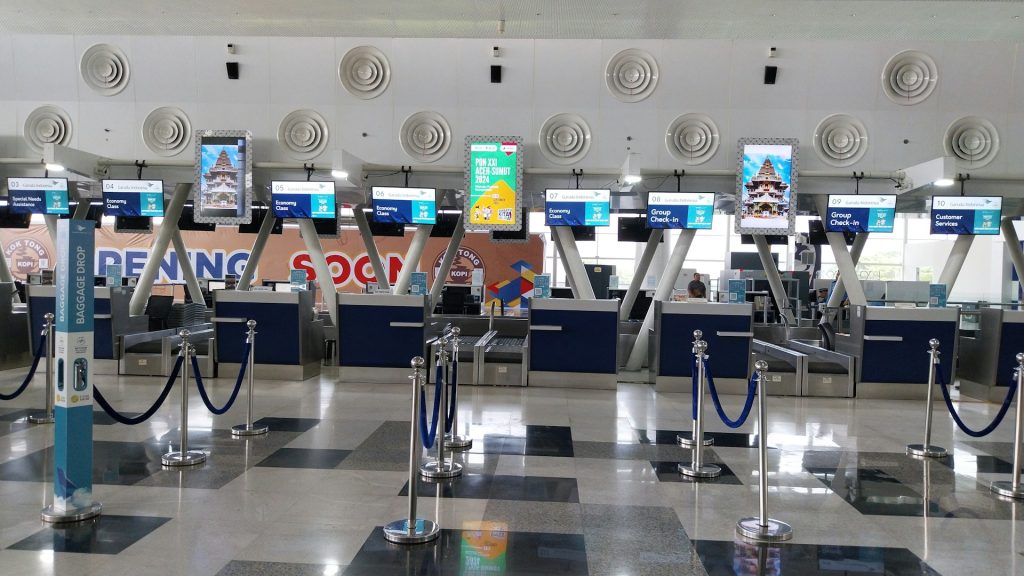
U.S. entry processing now leans heavily on facial comparison at multiple checkpoints, and officials frame that as a speed-and-security upgrade. For many non-U.S. travelers, identity verification is no longer just a passport handoff at a counter. It is increasingly a camera-led confirmation flow that can feel faster when it works well, but more controlled than older paper-first routines.
A major federal rule published in late 2025 formalized broader biometric collection from non-U.S. citizens on entry and departure, with an effective date of December 26, 2025. In practice, rollout and implementation vary by location and operational readiness, but the direction is clear. The system is moving toward standardized biometric verification across more ports and more traveler profiles.
At the same time, digital self-service is expanding. CBP’s Mobile Passport Control app lets eligible travelers submit key information before inspection, which can reduce friction at select entry points. It does not replace a passport, but it changes how the queue experience feels by shifting some steps to the phone.
For international visitors, this creates a new travel skill: document readiness plus digital readiness. It is no longer enough to have the right papers; it helps to know which app-based lanes or processes are available at the exact airport and date of arrival. Travelers who check those details in advance usually feel the process is orderly rather than overwhelming.
Visa Timelines Now Feel Less Predictable to Travelers
Visa planning has become more timeline-sensitive than many repeat visitors expect. The State Department updates global wait-time information monthly, and those numbers can differ sharply by post and visa class. That variability changes trip planning from season-based to slot-based.
One detail that catches applicants off guard: posted wait-time estimates do not include administrative processing. So even when appointment timelines look manageable, additional case processing can extend the true timeline beyond what casual planners assume. That gap between visible queue time and total process time is a big source of uncertainty.
Interview-waiver policy also tightened in 2025, reducing the pool of applicants who can skip in-person interviews. The update shifted more applicants back into appointment-dependent pathways, which raised the planning premium for families, students, and workers who used to rely on simpler renewal expectations.
The real-world effect is that visa logistics now sit closer to the center of travel strategy. People who used to book first and process later often reverse that sequence: secure the process path, then lock flights and lodging. That order feels less spontaneous, but it reduces expensive last-minute changes.
Domestic Flight Identity Checks Are Less Forgiving
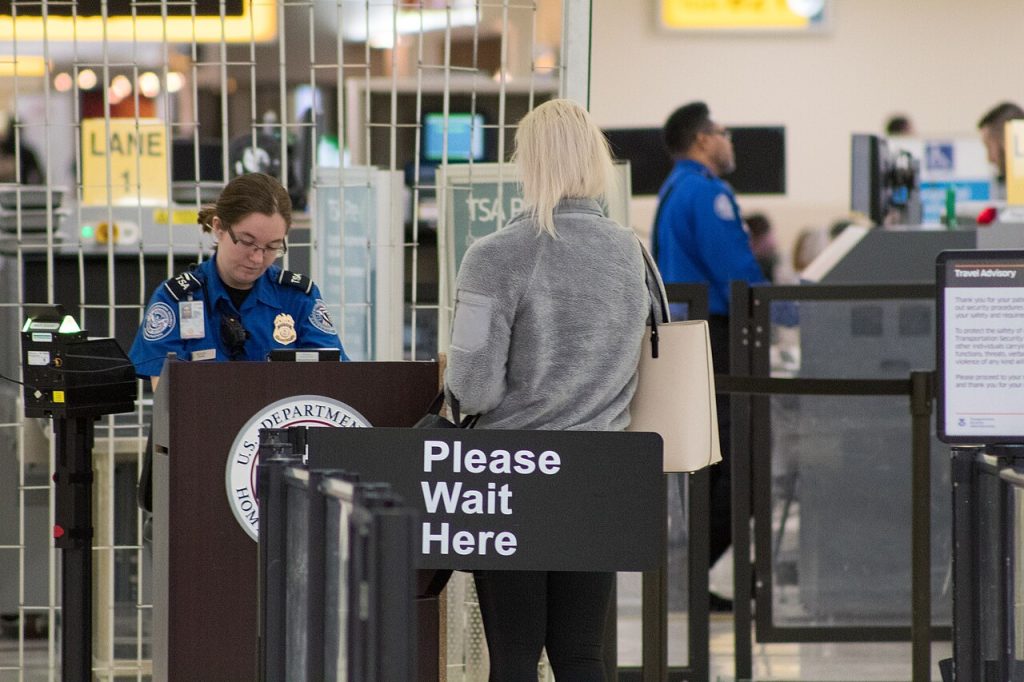
For domestic U.S. flights, TSA began full REAL ID enforcement on May 7, 2025. That date mattered because many travelers had long assumed another delay was likely. Instead, ID compliance moved from a future warning to an active gatekeeping rule.
TSA also maintains a specific list of acceptable alternatives, including passports and other approved IDs. So the system is not a single-document bottleneck, but it is stricter about what counts at checkpoint time. International visitors connecting domestically must align those ID expectations with their broader itinerary.
Even when passengers can still proceed through identity resolution pathways, the process can be slower and less predictable than standard screening. That is why many travelers now treat domestic-leg documentation with the same seriousness they previously reserved for international segments. The practical mindset has shifted from good enough ID to checkpoint-proof ID.
The broader feeling change is psychological as much as procedural. Airports used to be where plans flexed; now they are where missing one compliance detail can collapse a day’s schedule. That makes pre-flight document checks part of the travel routine in a way casual tourists did not always consider before.
Visitor Access at Top Sites Is Increasingly Managed by Time and Permit
Some U.S. destinations now require visitors to think like event attendees, not just sightseers. At Arches, official pages have warned that reservations may be needed in 2026, and the timed-entry framework remains central to peak-period access planning. Travelers who arrive without checking current rules can lose prime hours fast.
Where timed entry applies, Arches guidance has described a $2 processing fee and controlled entry windows tied to specific hours. This is less about monetizing access and more about managing congestion and preserving visitor flow. For tourists, though, it still feels like a behavioral shift from open-drive spontaneity to calendar discipline.
At Glacier, recent official and booking pages have emphasized that rule sets are season-specific and should be checked before travel. Even when a prior-year framework is familiar, next-season access terms can change, and assumptions from old itineraries can fail. That uncertainty makes pre-trip verification part of responsible planning.
And in Zion, Angels Landing remains permit-controlled, with requirements described as continuous rather than time-limited. Together, these patterns show a wider U.S. trend: preserving fragile or high-demand places through managed entry. For visitors, the experience is still rewarding, but increasingly appointment-shaped.
Big-City Movement Is Being Priced and Directed More Explicitly
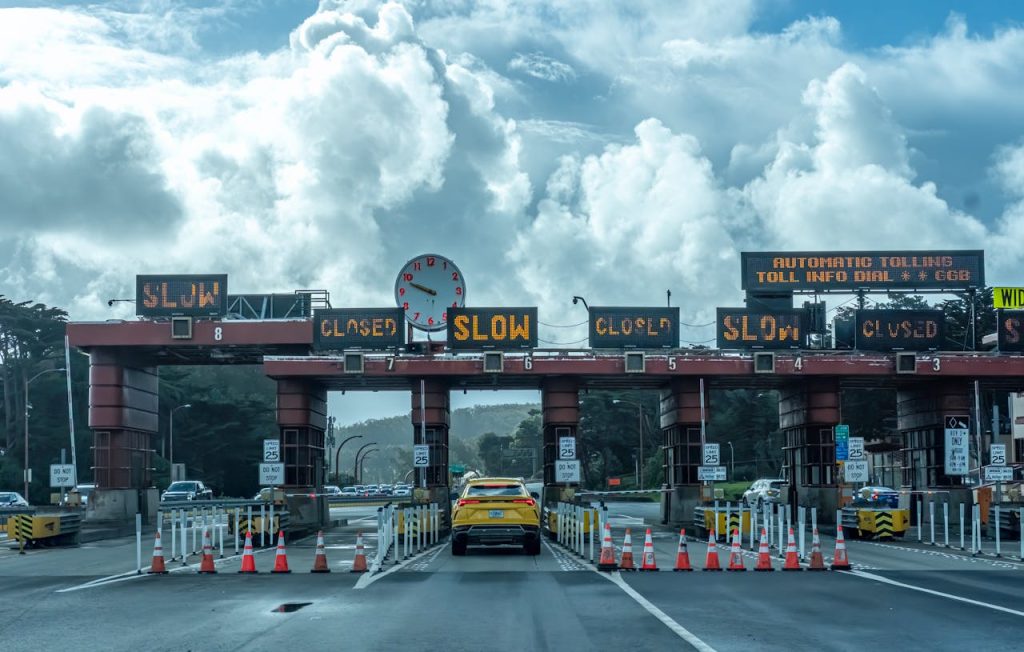
In New York, the MTA’s central business district tolling program began on January 5, 2025, charging vehicles entering Manhattan streets at or below 60th Street. Whether a traveler supports the policy or not, it changes route math for anyone renting a car, taking taxis, or planning cross-borough day schedules.
Officials frame the program as congestion relief in a historically crowded district. That framing matters for visitors because urban mobility is no longer just about maps and traffic; it is also about policy zones with financial consequences. A route that looks direct may no longer be the route that makes sense.
The practical effect is visible in itinerary design. Travelers who once treated Manhattan as a simple through-corridor increasingly compare transit, walking, and ride-share timing more deliberately. Not because the city is harder to visit, but because unmanaged movement is now more expensive in certain windows and corridors.
This is part of a bigger pattern across global tourism hubs: movement is being governed as a scarce resource. The U.S. now feels closer to that model in select metros, where policy steers behavior and tourists adapt by planning transportation with the same care they use for hotel selection.
Short-Term Rental Rules in Key Markets Are Much Tighter
Accommodation rules have also shifted, especially in high-pressure housing markets. New York City’s Local Law 18 framework strengthened registration and compliance expectations for short-term rental activity. For visitors, this means fewer gray-zone listings and more emphasis on legal inventory.
City reporting has described a major reduction in illegal short-term rental activity after platform-level compliance measures. That does not end demand, it redistributes it. Travelers may face fewer bargain-style listings in tightly regulated neighborhoods and a stronger pull toward hotels or clearly compliant hosts.
The planning consequence is straightforward: booking legitimacy now matters as much as location photos. Travelers who verify registration status and local rules reduce the risk of last-minute cancellations or non-compliant stays. In stricter markets, the cheapest listing is often the riskiest listing.
This can make U.S. city stays feel more formal than before, especially for visitors used to flexible peer-to-peer inventory abroad. Yet the upside is clearer compliance and fewer surprise disputes at check-in. The tradeoff is convenience versus certainty, and many cities are choosing certainty.
Pricing Is More Transparent, but Trips Still Feel Expensive

There is one area where regulation moved in travelers’ favor: headline pricing clarity. The FTC’s rule on unfair or deceptive fees took effect in May 2025 and targets bait-and-switch fee practices in live-event ticketing and short-term lodging. The intent is to make total costs visible earlier in the buying process.
Air travel rules also changed. DOT guidance set clearer standards for automatic refunds tied to certain cancellations and significant flight changes, giving passengers stronger baseline rights than the old complaint-heavy process. That shift reduces friction after disruptions, even if it does not prevent disruptions themselves.
But transparency does not automatically lower totals. BLS data for December 2025 showed food away from home up year over year, with notable pressure in full-service meals, and lodging-away-from-home also moving higher in the monthly report. So visitors may pay more even when fees are clearer.
Currency context adds another layer for foreign visitors. FRED data show the broad U.S. dollar index remained historically elevated in 2025, with 2026 daily readings still strong by long-run standards. When combined with urban pricing and service inflation, the U.S. can feel more premium-priced than many travelers budgeted for.
The New Travel Advantage Is Preparation, Not Improvisation
What this really means is that U.S. travel now rewards an operations mindset. Successful trips are built with document checks, permit windows, legal lodging verification, and transit strategy done before wheels-up. That is less romantic than spontaneous wandering, but it is far more reliable.
The strongest travelers now build two itineraries at once: the visible one and the compliance one. The visible itinerary is sights, meals, and neighborhoods. The compliance itinerary is IDs, app setup, entry windows, and backup plans when a rule changes mid-season.
This does not make the country less worth visiting. It makes the planning bar higher, especially for first-time visitors who are juggling visa, transport, and accommodation systems at the same time. Once those pieces are organized, the U.S. still delivers scale, variety, and memorable experiences across every budget band.
The headline is not that travel became impossible. The headline is that friction moved earlier in the journey, from the road to the planning stage. Visitors who treat that shift as part of the trip tend to have smoother, calmer, and better value outcomes.