8 Ways Travel Etiquette Has Changed Since the 1990s
Travel etiquette used to be shaped by paper tickets, guidebooks, and the quiet assumption that a stranger’s vacation stayed private. Since the 1990s, smartphones, budget flights, and crowded icons have rewritten the unspoken rules. Some changes are obvious, like keeping calls quiet and letting lines move. Others are newer, like respecting neighbors in rental buildings or canceling reservations that block someone else’s slot. What ties it together is simple: more people are sharing the same places, at the same time, with more recording and less patience. Good manners now travel faster than luggage.
Phones Became Public, So Volume Matters

In the 1990s, travel calls were brief and usually made away from the crowd, often from a pay phone or a hotel room. Now a speakerphone chat, a looping video, or a string of voice notes can fill a cafe, a train car, or a museum gallery, and the noise travels farther than people expect. Good etiquette leans on silent mode, earbuds, dim screens, and short messages, then stepping outside for anything longer. Even helpful tasks like translating a menu or calling a driver can be done quietly, with the phone close and the volume low. Lines move faster when calls wait until after the scanner and the door.
Photos Now Include Other People’s Lives

Film cameras encouraged fewer shots, and most images stayed in albums rather than being posted instantly to strangers. Today, constant photography can turn sidewalks into studio sets and pull unwitting locals into someone else’s story. Etiquette now means stepping aside for quick captures, keeping doorways and stairways clear, and asking before photographing children, workers, or private homes. Flash is skipped in galleries, tripods do not sprawl into foot traffic, and geotags are used carefully in fragile places. In sacred spaces and neighborhoods, the best rule is simple: if a moment looks intimate, let it stay that way.
Online Reviews Raised the Stakes of Politeness

In the 1990s, a complaint might be shared over dinner, then fade with the trip’s jet lag. Now a single review can shape bookings for years, especially for family-run hotels, taxis, and small restaurants. Modern etiquette is clearer communication and fair feedback: naming real issues, separating them from personal preferences, and describing what happened without dramatics. Problems are raised privately first when possible, with photos kept factual, not punitive. It also helps to remember that many staff cannot change policy or staffing on the spot. Praise matters too, because a calm, specific compliment can send business their way.
Airport Manners Shifted With Crowds and Carry-Ons
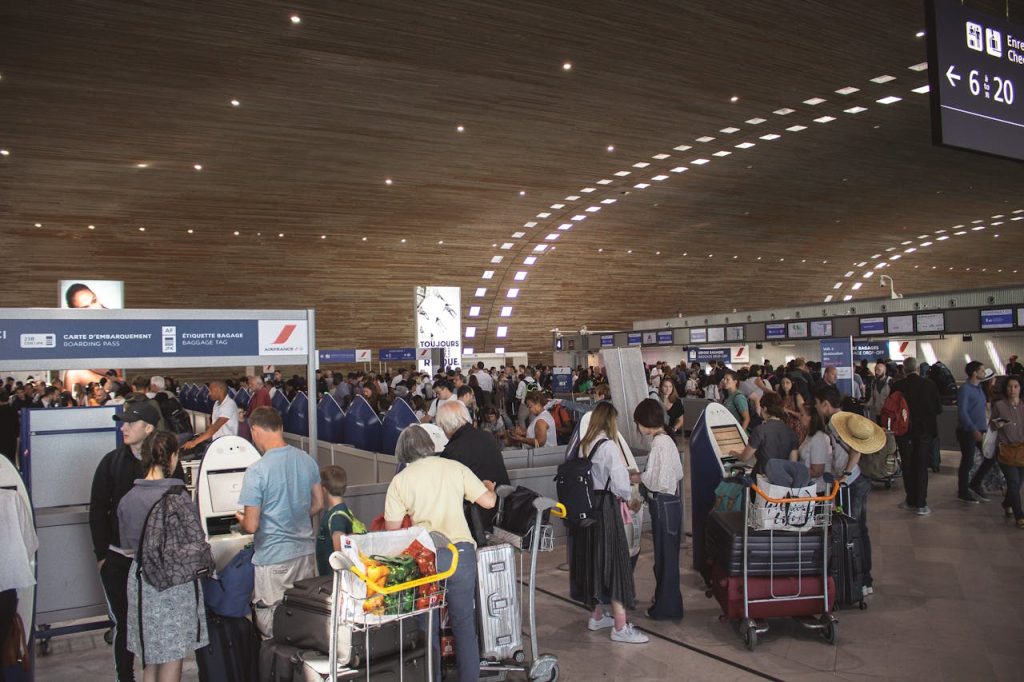
Flying in the 1990s often felt less compressed, with more space to breathe at gates and a looser carry-on culture. Now full flights and strict bag rules make boarding a tight choreography where one slow move ripples through the cabin. Good etiquette looks like lining up only when boarding is called, keeping bags close, lifting items into bins without slamming doors, and staying aware of backpacks in narrow aisles. Seat recline is used with a quick glance behind, not as a surprise. Deplaning works best when rows take turns and gate areas stay open, so the tired, the elderly, and parents with strollers are not squeezed.
Dress Codes Became a Respect Issue, Not a Fashion One

Travel in the 1990s centered on landmarks and shopping streets, with fewer itineraries built around living cultural spaces. Now trips often include temples, churches, memorials, and local ceremonies where visitors are guests, and clothing reads as a signal of respect within seconds. Etiquette has shifted toward reading posted rules, covering shoulders or knees when asked, removing shoes or hats where required, and keeping behavior modest when photography feels sensitive. It also means not wearing beachwear through town, and skipping costumes that turn routine into a gag. The point is not to police style. It is to keep attention on the place.
Sustainability Turned Small Habits Into Courtesy

In the 1990s, towel changes and disposable convenience were treated as hotel perks. Now water stress, waste, and climate impacts make those habits feel heavier, especially on islands and in desert cities where supplies are tight and systems strain in peak season. Modern courtesy looks practical: reusing linens when possible, carrying a refillable bottle, packing out trash when bins overflow, and staying on trails. Leaving air-conditioning running, idling cars for photos, or wasting water at sinks now reads as careless. It also means not feeding wildlife or taking shells, flowers, or stones home, because small losses add up fast.
Neighborhoods Pushed Back on Visitor Behavior
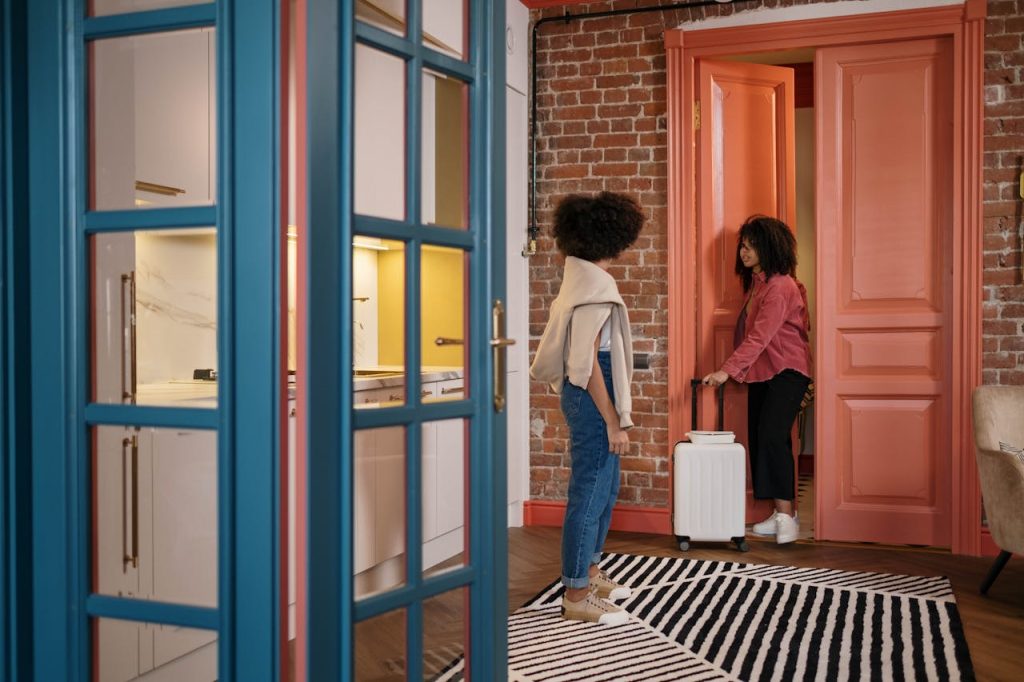
In the 1990s, most travelers stayed in hotels built for turnover, with front desks designed to absorb noise and late arrivals. Now short-term rentals place visitors in residential buildings where hallways amplify rolling suitcases, and neighbors wake early for work or school. Etiquette has shifted toward quiet stairwells, no hallway parties, and calm curbside drop-offs that do not block driveways or double-park a narrow street. Elevators are shared patiently, doors are not propped open, and entry codes are handled discreetly. The basic rule is simple: move through the building like a guest, not like an owner.
Reservations and Time Slots Became Part of Being Polite
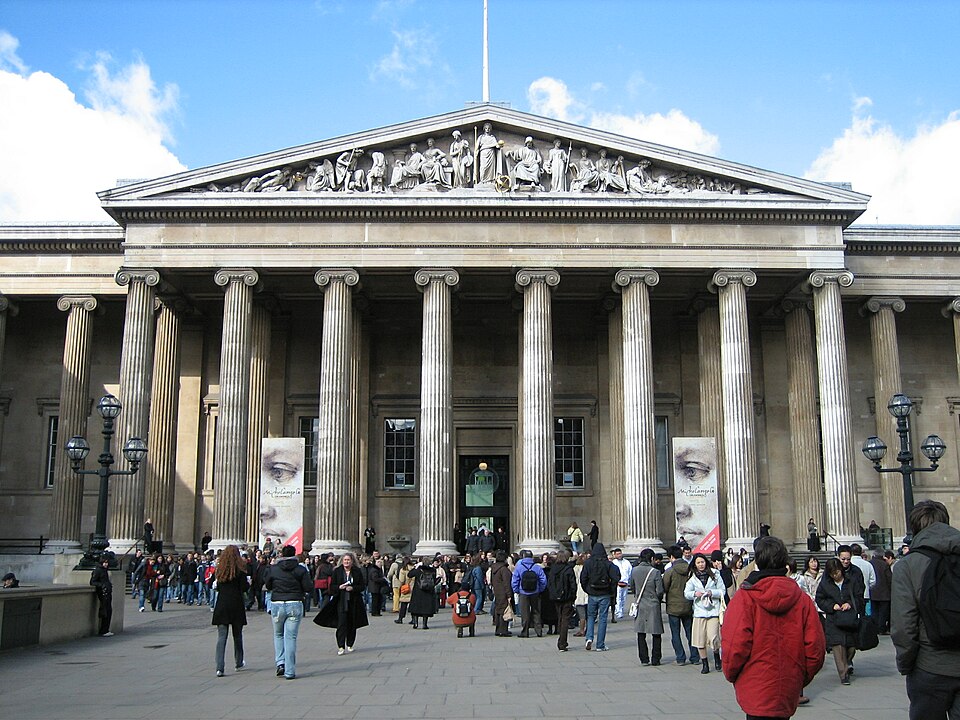
A museum visit once meant showing up and waiting, but timed tickets, capacity caps, and QR scans now shape entry at viewpoints, trains, and galleries. Etiquette includes arriving on time, having passes ready, and stepping aside while a code loads instead of blocking the scanner. Gate staff rarely have discretion, so arguing about a missed window only slows the line. Canceling unused reservations matters because empty holds lock out others, and restaurants on quick turns depend on guests who order promptly and leave when the slot ends. The new courtesy is treating the schedule as part of the space.