8 “Woke” Travel Spots That Conservatives Are Avoiding Now
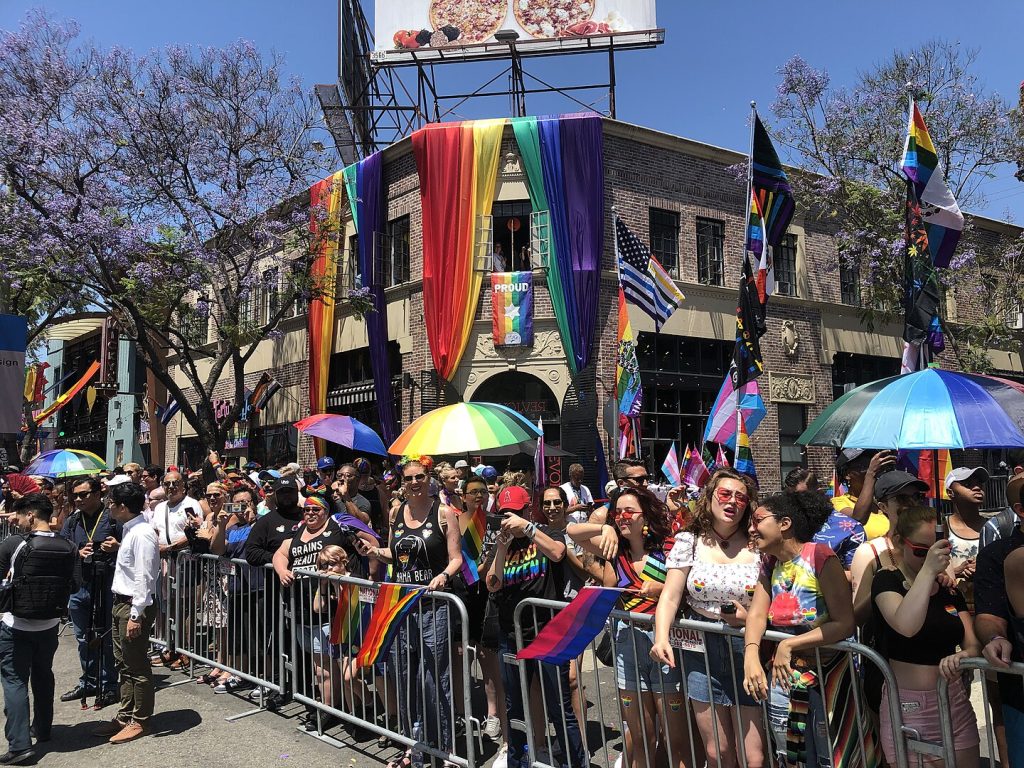
Many popular destinations across the United States have gained attention for tourism campaigns, public messaging, or local policies that reflect shifting cultural trends. As travel habits evolve, some places attract praise for their progressive approaches while others draw hesitation from visitors who prefer destinations with different social atmospheres or political climates. These differences do not diminish the beauty or appeal of the locations themselves, yet they influence how travelers interpret local values, marketing strategies, and community priorities. Understanding why these reactions occur helps reveal how tourism increasingly intersects with national conversations about identity, inclusion, and regional policy direction. For many travelers, selecting a destination involves more than scenery; it reflects comfort, personal viewpoints, and expectations about the overall experience. Exploring these destinations through that lens highlights how travel remains shaped not only by landscapes but also by cultural context and public perception.
Portland, Oregon
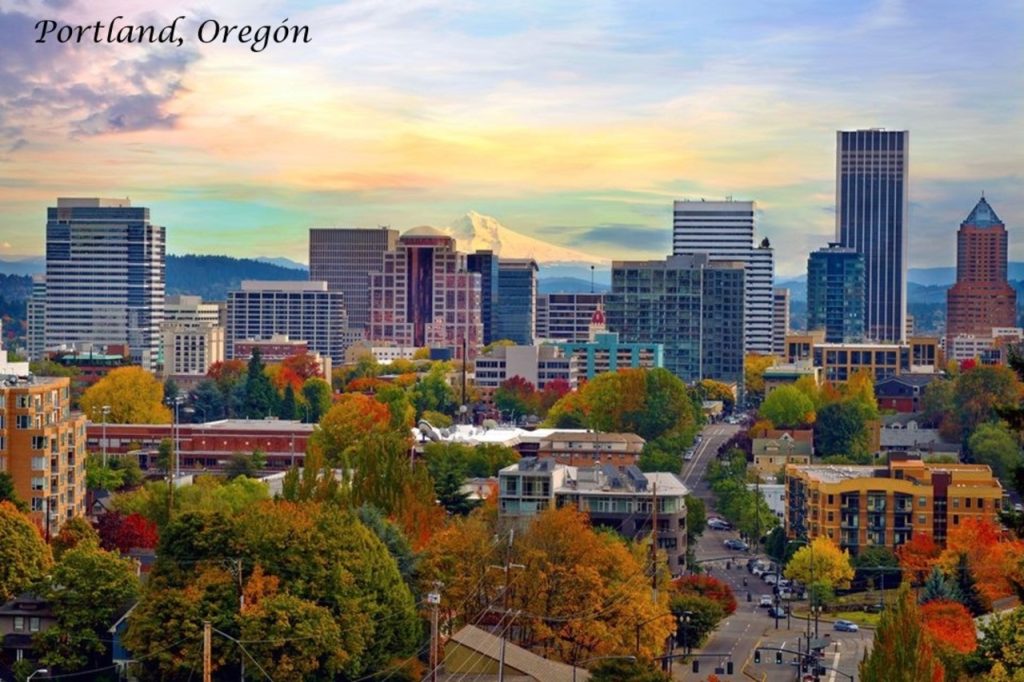
Portland continues to attract travelers with its eclectic neighborhoods, extensive parks, and celebrated food scene, yet its progressive cultural presence draws mixed reactions among some conservative visitors. The city’s emphasis on sustainability, alternative transportation, and inclusive public programs forms a central part of its identity, shaping marketing campaigns and community events. While many appreciate Portland’s creativity and outdoor access, others feel unsure about visiting due to ongoing political activism and widely discussed policy debates. Media coverage often amplifies these impressions, shaping perceptions for those watching from a distance. Despite differing viewpoints, Portland’s strong arts culture and scenic proximity to mountains and waterways continue to bring steady interest from adventurous travelers.
San Francisco, California
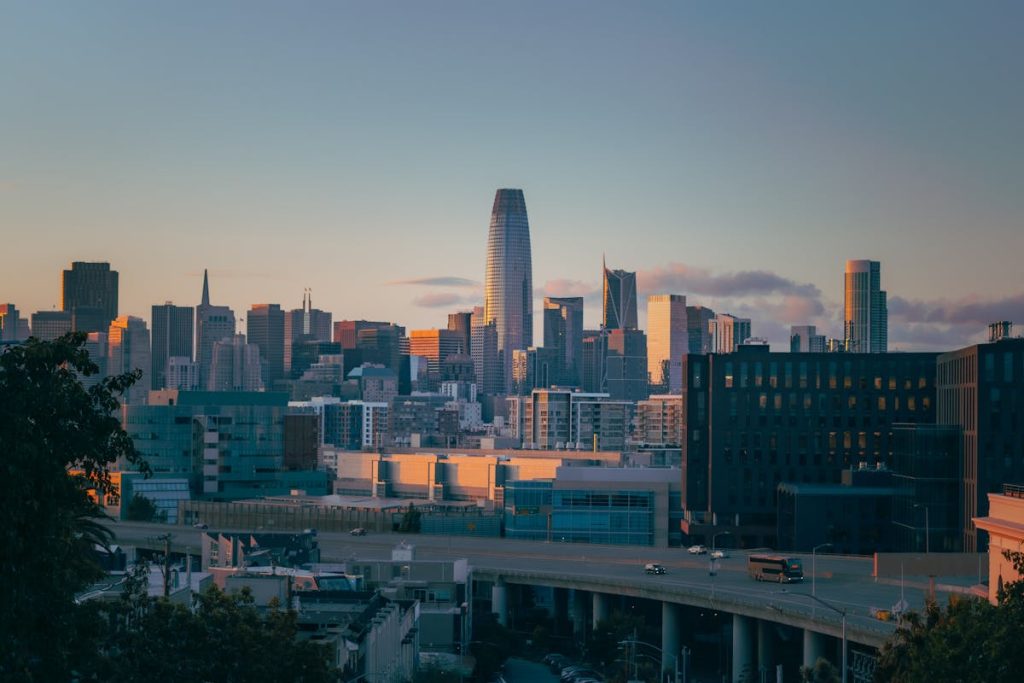
San Francisco remains one of the most iconic cities in the country, known for its waterfront views, historic neighborhoods, and technological innovation. However, its longstanding reputation for progressive politics and high-profile local initiatives leads to contrasting opinions among conservative travelers. Topics such as housing policy, environmental regulations, and cultural advocacy contribute to the city’s distinct character, influencing how visitors interpret its overall atmosphere. Some travelers admire its architectural beauty and rich history, while others hesitate due to perceptions shaped by national commentary or debates surrounding urban challenges. Despite polarized views, San Francisco’s landmarks, culinary traditions, and artistic influence continue to draw millions each year.
Seattle, Washington
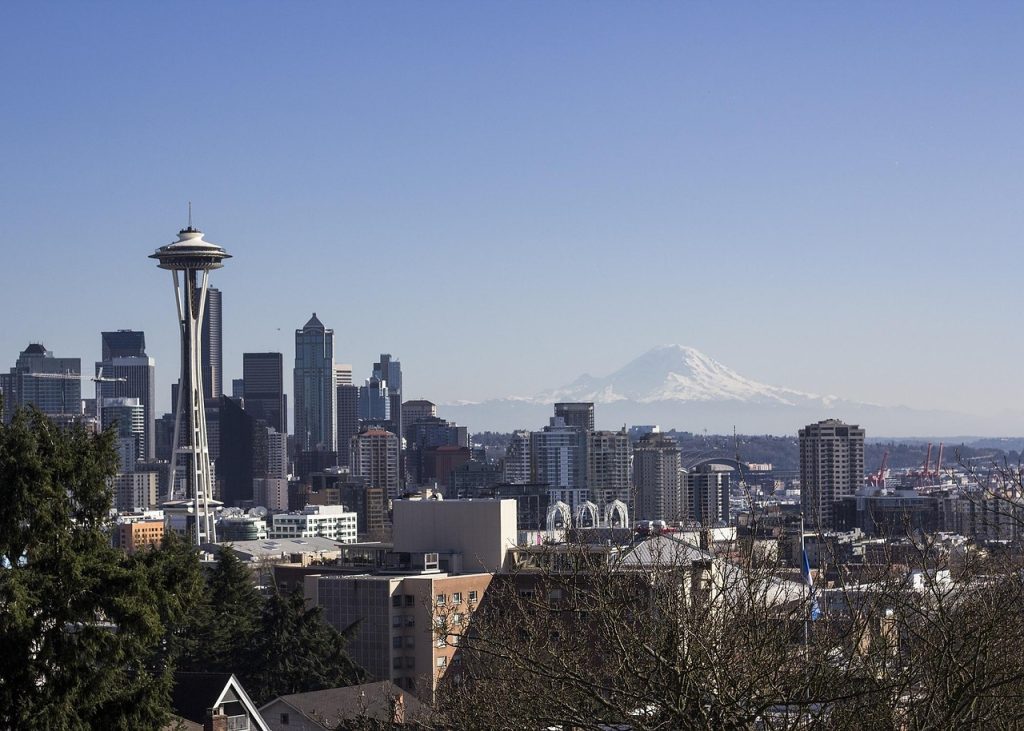
Seattle attracts travelers seeking a mix of natural beauty and urban charm, yet its prominent environmental and social initiatives generate differing reactions from politically conservative visitors. The city’s messaging often emphasizes climate action, public transportation, and inclusive cultural programming, creating an identity that resonates strongly with some travelers while presenting hesitation for others. Public discussions around city governance and economic policy further shape perceptions outside the region. Still, Seattle’s scenic waterfront, access to the Cascades, and iconic markets maintain strong appeal. Many visitors appreciate how the city blends outdoor recreation with innovative industries, even as national conversations influence expectations about its local climate and culture.
Asheville, North Carolina
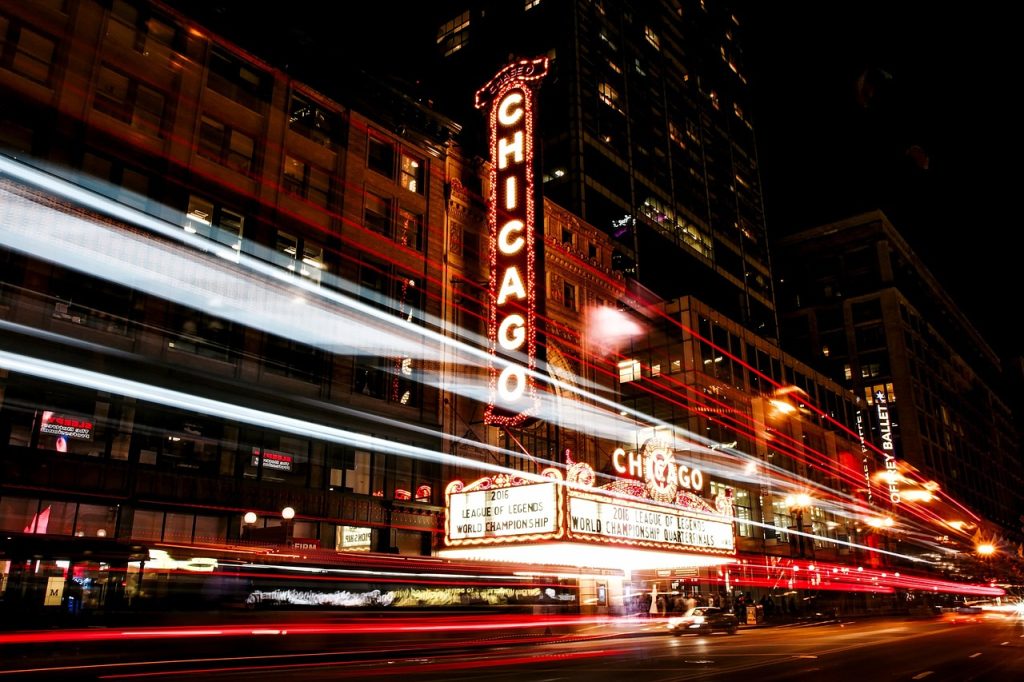
Asheville has grown into a popular destination known for its arts scene, craft breweries, and mountain views, yet its reputation as a progressive enclave in an otherwise conservative-leaning state contributes to mixed reactions. Travelers drawn to music festivals, eclectic shops, and creative communities often find Asheville vibrant and welcoming. Others respond more cautiously due to the city’s visible cultural messaging and community activism. These contrasting viewpoints reflect broader discussions about how tourism intersects with regional identity. Despite differing opinions, Asheville continues to thrive as a gateway to the Blue Ridge Mountains while balancing its small-town charm with a dynamic social atmosphere.
Boulder, Colorado
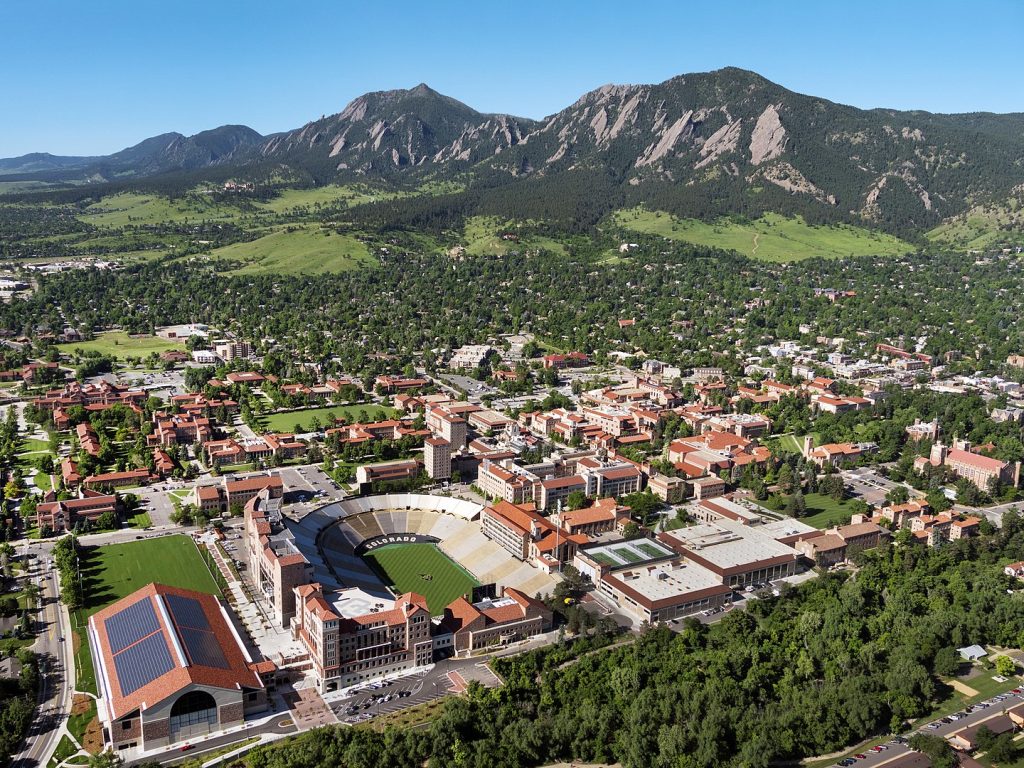
Boulder regularly appears on lists of vibrant outdoor cities thanks to its trail networks, university community, and strong focus on sustainability. Its environmental policies, public wellness programs, and active lifestyle branding create a progressive image that resonates with many travelers. At the same time, this identity prompts hesitation among some conservative visitors who prefer destinations with less overt cultural messaging. Conversations around affordability, land use, and local governance further influence public perception. Nevertheless, Boulder’s breathtaking foothills, outdoor activities, and lively downtown continue to attract those who appreciate nature-oriented travel and innovative community spaces shaped by an enthusiastic, health-focused population.
Santa Fe, New Mexico
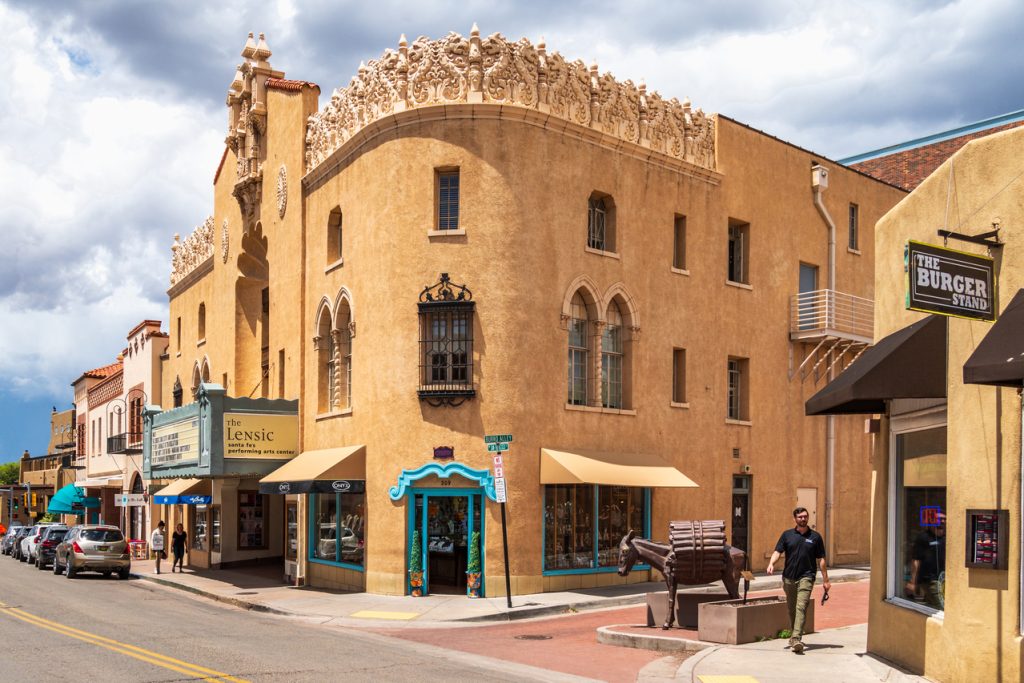
Santa Fe’s unique blend of Indigenous heritage, artistic tradition, and historic architecture makes it a beloved destination for cultural travelers. The city often highlights themes of diversity, artistic expression, and holistic wellness in its tourism profile, drawing praise from some while sparking mixed reactions among conservative visitors more accustomed to traditional or low-key messaging. Local initiatives supporting environmental preservation and creative community development also shape how the city is perceived in national contexts. Yet Santa Fe’s restaurants, galleries, museums, and dramatic desert landscapes keep it firmly established as a major Southwestern destination with significant cultural depth and year-round appeal.
Burlington, Vermont
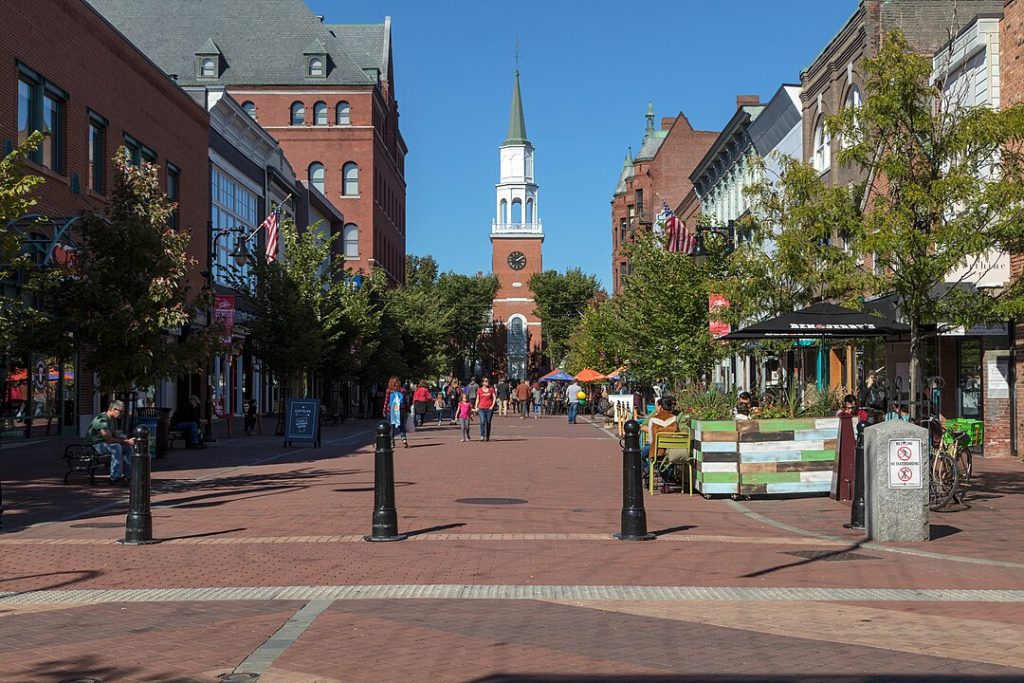
Burlington offers views of Lake Champlain, a lively university community, and a strong commitment to environmental stewardship. Its public identity frequently includes messaging about renewable energy, local food movements, and community inclusivity. These qualities attract many visitors while eliciting more cautious reactions among conservative travelers who prefer destinations aligned with different cultural expectations. Discussions about regional policies and the city’s progressive approach to civic life often color outside perceptions. Even so, Burlington’s small-town charm, outdoor recreation opportunities, and scenic waterfront continue to draw steady tourism interest, especially from travelers seeking a relaxed setting enriched by natural beauty and local craftsmanship.
Austin, Texas
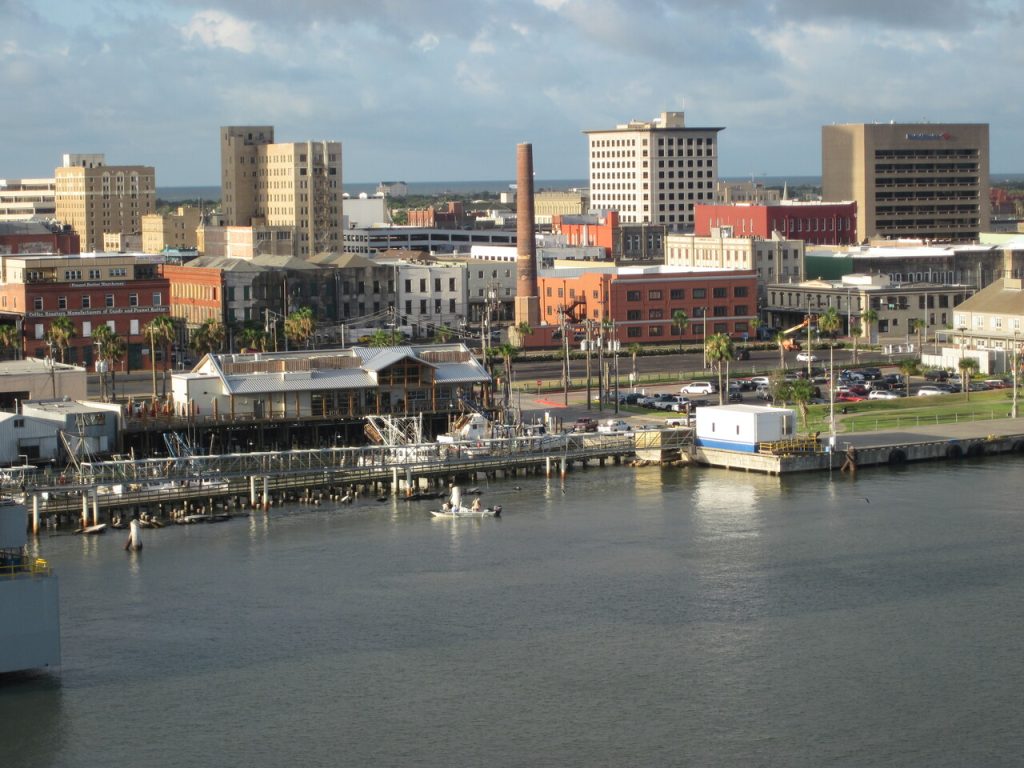
Austin stands out within Texas for its vibrant music culture, tech influence, and reputation as a more progressive city compared to surrounding regions. This contrast shapes how different travelers interpret the city’s atmosphere, with some enthusiastic about its creative energy and others more hesitant due to political or cultural differences. Public conversations about growth, nightlife, transportation, and community identity often amplify these contrasting viewpoints. Despite that, Austin remains one of the nation’s fastest-growing travel destinations thanks to its festivals, culinary offerings, and lively neighborhoods. Its blend of traditional Texas hospitality and modern urban culture continues to attract a broad range of visitors each year.