9 Back-to-School Travel Mistakes Families Don’t Expect

Back-to-school trips sit in a narrow window where summer habits and school deadlines collide. Crowds may thin, yet pressure rises because there is less slack for delays, paperwork issues, or tired kids. Airports still carry late-summer volume, while attractions quietly shift hours and staffing. Prices can look better, but the margin for error is smaller, and tiny oversights turn into long days fast. The families who enjoy this season most are not the ones who cram in more stops. They are the ones who plan for real constraints and return home ready for the first bell.
Assuming School Start Dates Are The Same Everywhere

Families often plan around their own district’s first day, then land in a place where schools start later, keeping the destination in full peak mode. That means thicker crowds, higher hotel rates, longer restaurant waits, and busier beaches than expected, even in late August. The reverse can be just as tricky: a destination where school already began may shift to fall staffing, earlier closings, and fewer tours on weekdays. That mismatch affects everything from museum hours to shuttle frequency and beach services, so the trip feels either unexpectedly crowded or strangely limited. A quick check of local school calendars prevents the schedule shock.
Not Double-Checking Name Matches And IDs
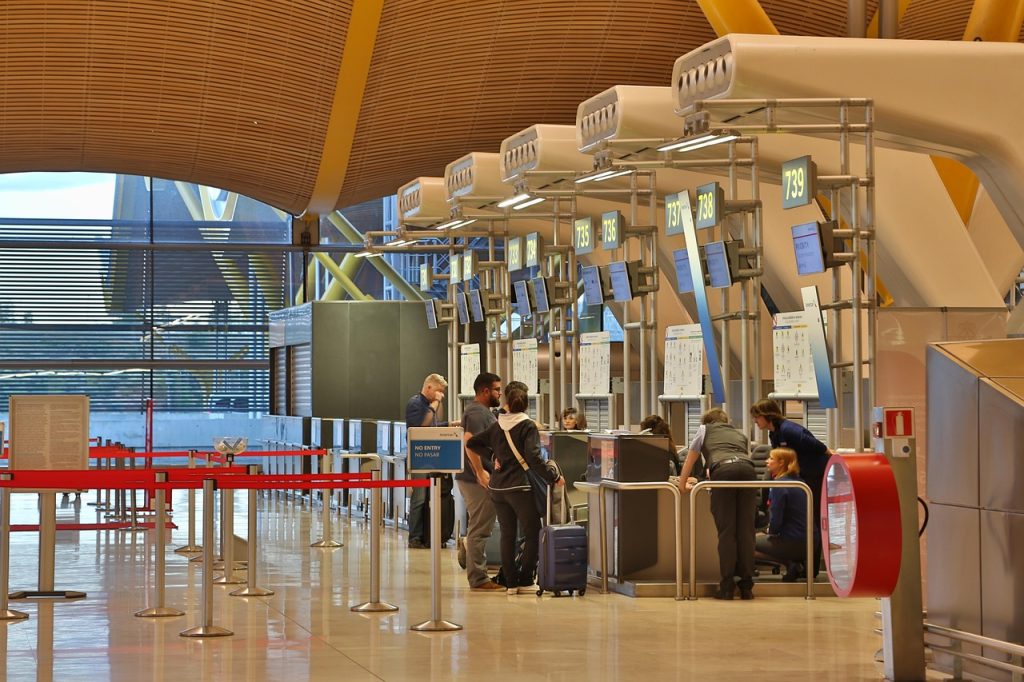
Back-to-school weeks are when paperwork chaos peaks, and that is when small name mismatches become serious. A missing middle name, a swapped hyphen, a ticket that does not match an ID, or a child passport that expired quietly can trigger delays, extra fees, or missed flights. Families also forget custody documents or a consent letter for a child traveling with one parent, which can slow check-in and create stress at the counter. The fix is boring but powerful: compare every ticket to every ID before final payment, confirm expiration dates, and keep digital scans plus one printed set in a carry-on. It saves time and prevents last-minute panic.
Booking Flights Without Watching Schedule Changes
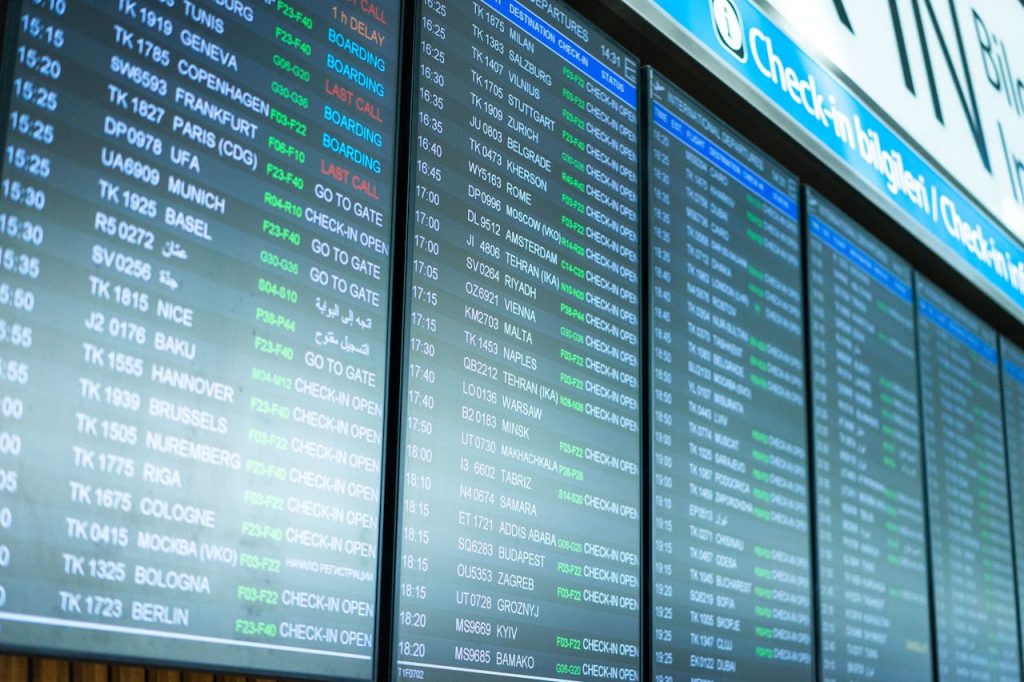
Late summer is when airlines adjust routes, swap aircraft, and shift departure times as demand changes. A clean itinerary can turn messy with one update: a new terminal, a moved departure, or a shorter layover that becomes a sprint with kids and bags. These changes often arrive as quiet emails that get buried under school messages, shopping receipts, and family group chats. Because school starts remove flexibility, a small change can domino into lost shuttle reservations or a missed pickup plan. Checking the itinerary weekly, turning on airline alerts, and saving confirmations offline helps families stay ahead of surprise tweaks.
Assuming Attractions Run On Summer Hours
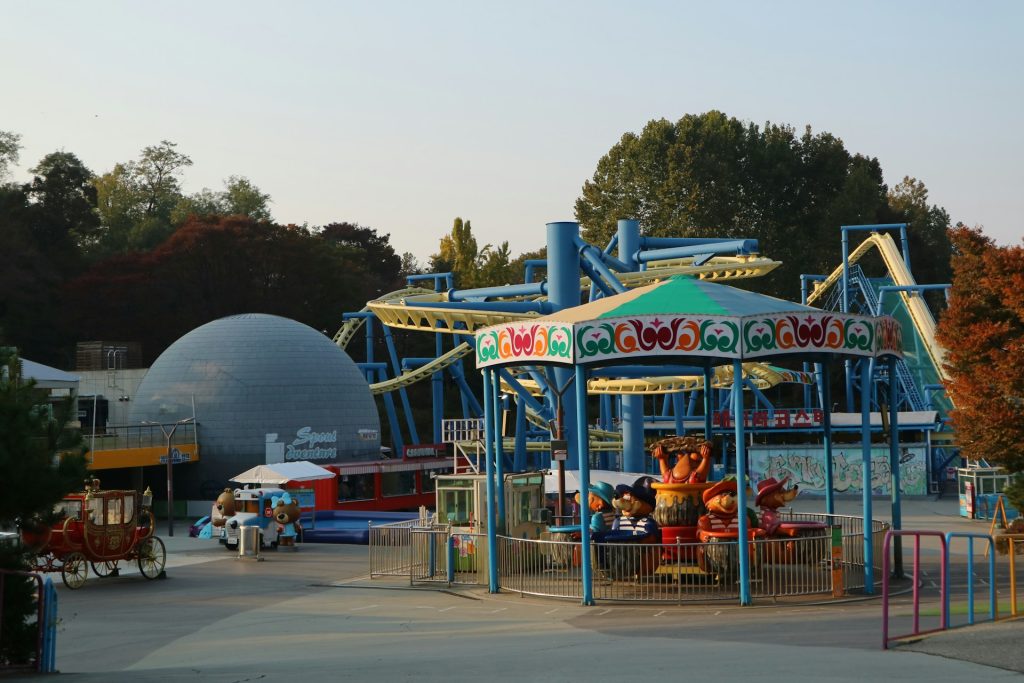
Many families book back-to-school trips expecting summer schedules, then arrive to find reduced hours without much fanfare. Museums may cut evening hours, water parks may close early or shift to weekends, and tours may run fewer departures on weekdays. That changes the entire pacing of a day, pushing everyone into the same short window and making lines feel longer even when the place is quieter overall. It also causes extra spending on rideshares, snacks, and last-minute tickets for backups. The practical move is simple: check hours for exact dates, confirm seasonal closures, and build one flexible option per day so the plan does not collapse when a sign on the door says closed.
Underestimating Airport Bottlenecks After Summer
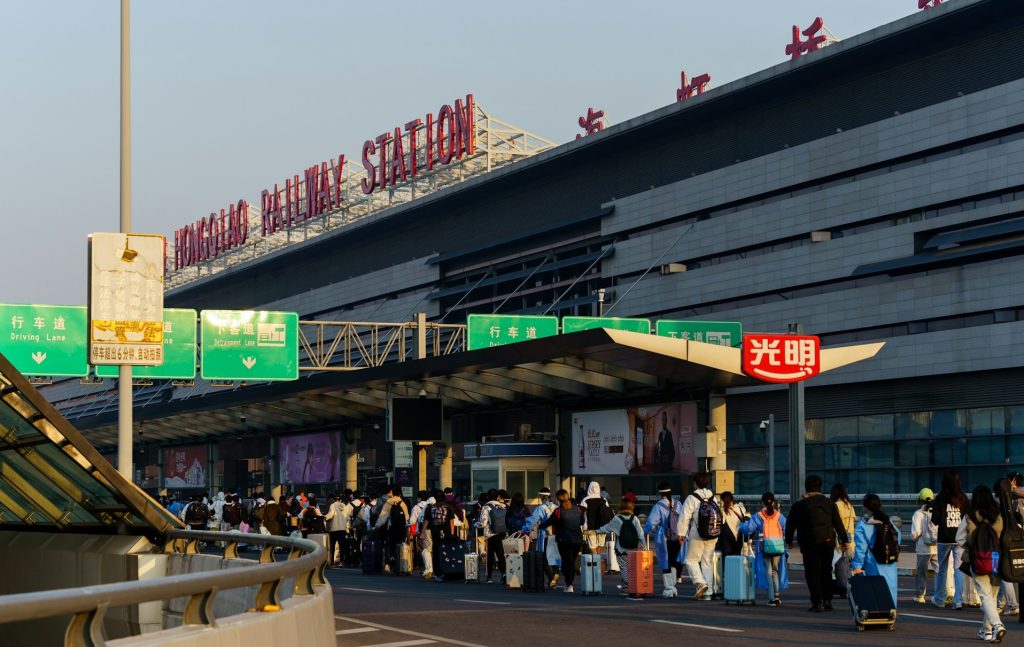
Back-to-school travel can look calm, yet airports stay busy with return trips, college move-ins, and compressed airline schedules. Security lines, gate changes, delayed baggage, and late inbound aircraft can pile up fast, and families feel the strain because there is less patience and less time to absorb delays. A tight connection that might be fine in June can feel risky in late August when staffing patterns shift. Small habits help: arrive earlier than instinct says, keep chargers and snacks accessible, and put medications, wipes, and a change of clothes in one easy pouch. Those basics turn a long terminal wait into something manageable.
Not Pricing Car Seats And Extra Drivers Up Front

A trip can look affordable until rental add-ons appear and the total jumps at the counter. Car seats, boosters, extra drivers, toll programs, parking fees, and young-driver rules can stack quickly, and some locations have limited seat inventory that pushes families into pricier packages. Back-to-school timing also means fewer hours to hunt alternatives once a surprise fee shows up. Booking car seats ahead, confirming what insurance is already covered, and bringing a lightweight travel seat when practical keeps the budget steady and prevents awkward decisions in the lot. It also helps to know local toll systems and parking norms before arrival, because those costs can quietly rival the rental itself.
Forgetting That School Paperwork Has Travel Rules

The week before school starts is when deadlines suddenly become real. Enrollment verification, orientation sessions, device pickup, sports physicals, and required forms can appear with fixed time windows, and travel can collide with them. Families assume the school will be flexible, then learn an office has limited hours or a form needs an in-person signature. Even a short trip can turn stressful when a missing document delays schedules or activities. The safest approach is to confirm key dates early, scan every document, and store copies in email and on a phone. A printed backup in a carry-on helps when internet is weak or a school office needs a hard copy on the spot.
Overpacking The Itinerary Instead Of Energy

Back-to-school trips carry a quiet pressure to make every hour count, which is exactly what drains everyone. Families stack tours, long drives, and late dinners, then wonder why small disruptions create big reactions. Kids melt down when there is no recovery time, and parents make worse decisions when they are pushing a schedule they designed in optimism. Leaving blank space for naps, playground stops, simple meals, and one early night usually improves the trip’s quality and lowers spending, too. It makes room for weather changes, traffic, and real moods, and it increases the chance that the family returns home feeling steady rather than depleted.
Planning A Late-Night Return The Day Before School

The most common mistake is treating the return like any other Sunday night. A late flight, a long drive, a time-zone shift, and unpacking past midnight can leave everyone starting the first school week tired and behind on lunches, laundry, and supplies. Even when the vacation was great, the landing can feel rough, and the stress shows up at breakfast. An earlier return time, or a buffer day at home, protects the transition and keeps Monday calm. A quick grocery run, packed bags for school, and a short reset routine can make the first morning feel normal again, which is the real win of back-to-school travel.