9 Beautiful Destinations Destroyed by Tourism and Pollution
When you visit a place that looks untouched, it’s easy to forget how fragile it really is. Crowds, careless habits, and constant pressure on local resources add up fast. You want these spots to stay beautiful, but the reality is that too many visitors have pushed them past their limits. What you’ll see here are places that once felt magical yet now struggle under the weight of their own popularity. It’s a reminder that your choices can protect the next place you fall in love with.
1. Maya Bay, Thailand
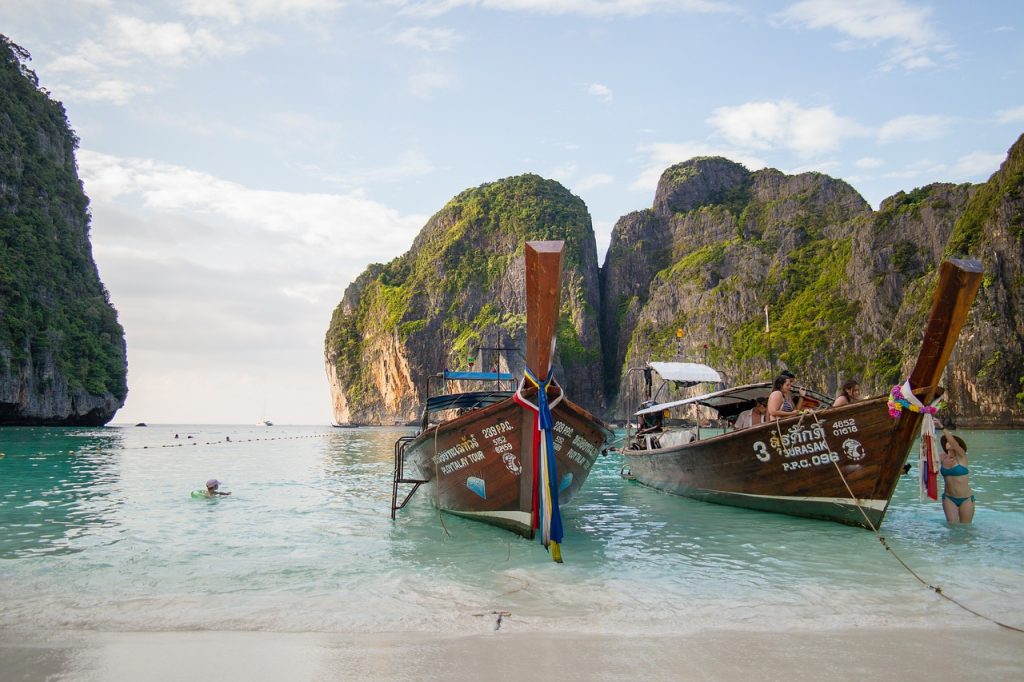
You know Maya Bay from travel posters, yet its famous turquoise water and soft white sand paid the price for endless boat traffic and careless tourism. The coral suffered heavy damage, and the shoreline eroded faster than experts expected. Authorities finally shut the bay for long periods to give it a chance to breathe. When you visit Thailand, it helps to choose less crowded beaches, support eco-friendly tours, and skip activities that harm coral or wildlife so places like this can recover.
2. Venice, Italy
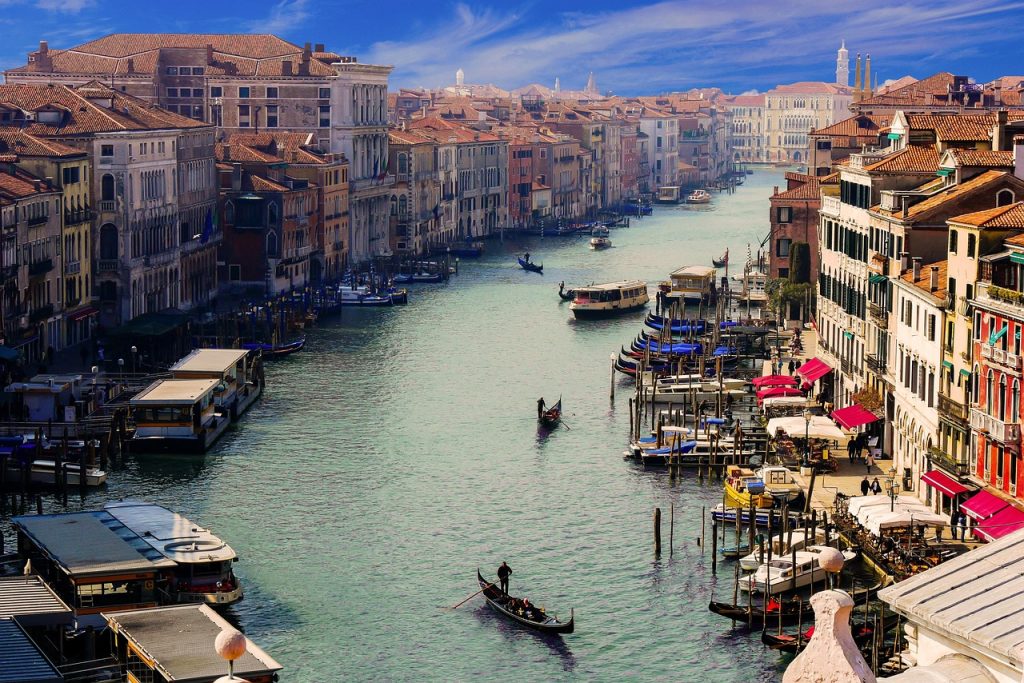
You feel the charm of Venice the moment you step onto its narrow stone streets, but millions of visitors strain the city’s old foundations. Cruise ships brought waves that damaged canals and pushed pollution into fragile waterways. The crowding also drove out local families who couldn’t keep up with rising costs. When you visit, staying longer, eating at family-run spots, and respecting local rules helps the city preserve what makes it special instead of speeding its decline.
3. Boracay, Philippines
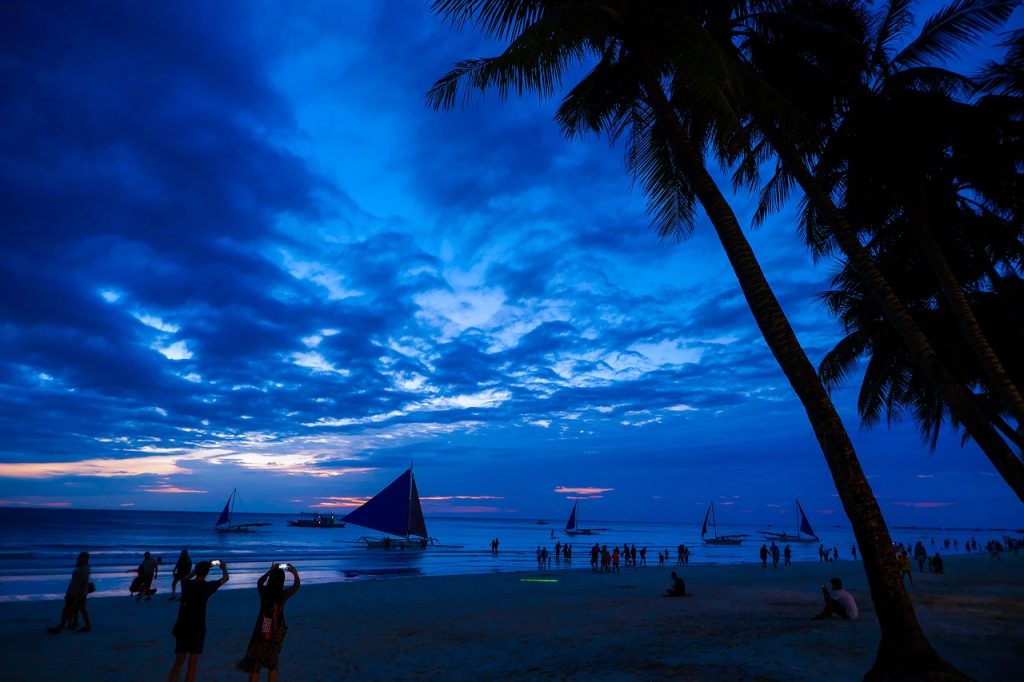
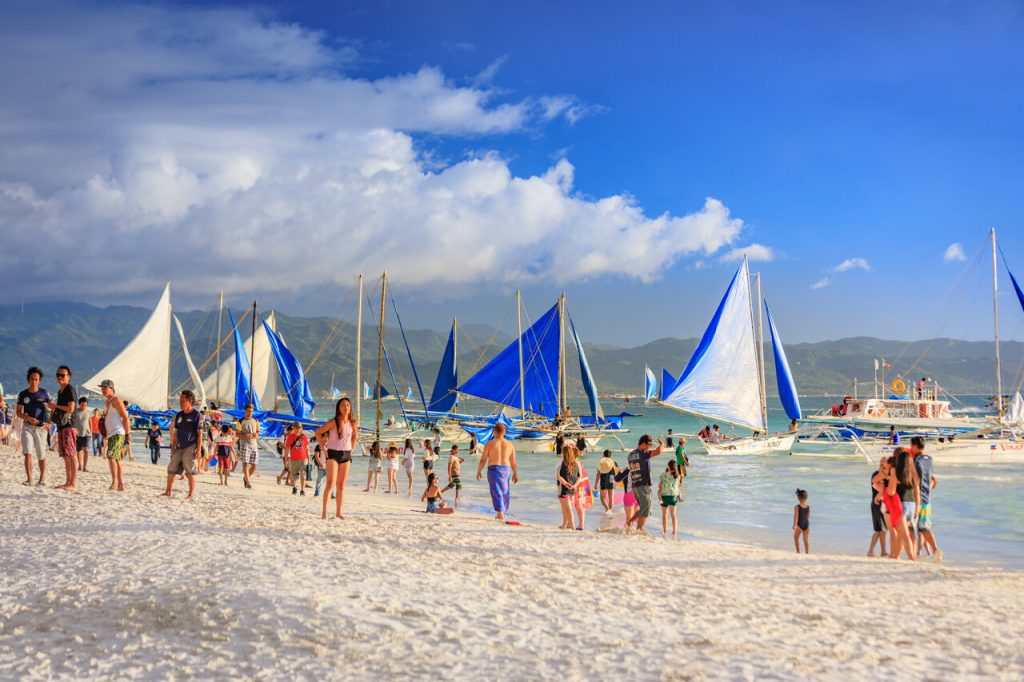
Boracay’s bright water and soft beaches drew more people than the island could handle. Waste systems couldn’t keep up, and untreated runoff began flowing into the sea. The government closed the island for cleanup, which showed just how much pressure unchecked tourism had created. If you travel there now, choosing sustainable resorts and keeping your footprint small helps protect the beaches. It also shows locals that visitors care enough to help the island avoid another collapse.
4. Mount Everest Base Camp, Nepal
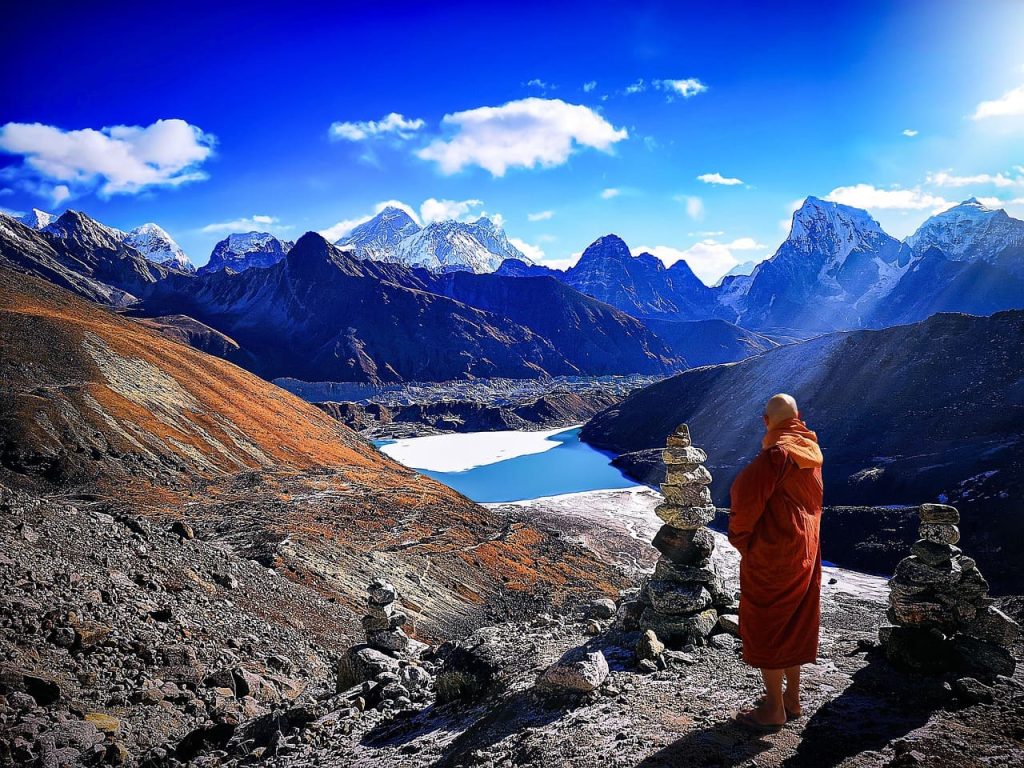
You might picture Everest as a pure stretch of ice and rock, yet the trail to Base Camp became crowded with trekkers leaving behind trash and broken gear. The mountain’s growing popularity turned once-quiet paths into busy routes that strained local guides and rescue teams. When you go, packing out every item, hiring ethical operators, and avoiding peak traffic periods keep the region safer and cleaner. It also respects the communities that support your journey.
5. Great Barrier Reef, Australia
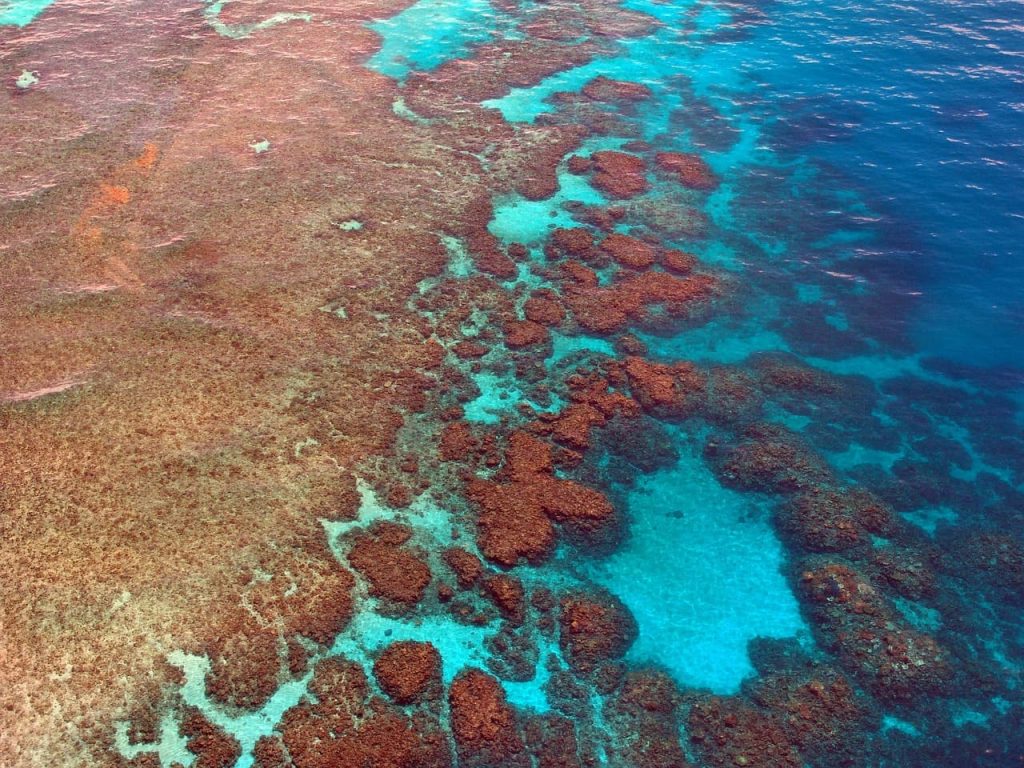
You expect the Great Barrier Reef to look endless and vibrant, but pollution, climate change, and careless tourism pushed it into widespread bleaching. Boats dropping anchors destroyed fragile coral, and sunscreen chemicals added to the damage. When you visit, reef-safe sunscreen, regulated tours, and mindful snorkeling can help preserve what’s left. Your choices matter here, because the reef’s recovery depends on both local action and visitors who treat it with care.
6. Machu Picchu, Peru
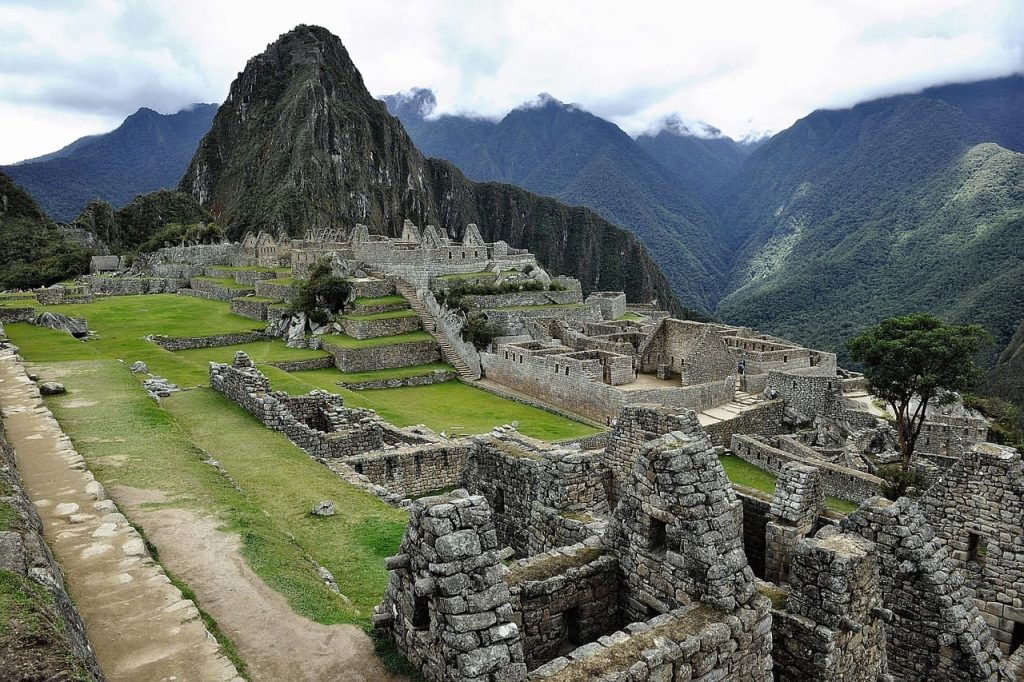
You feel the magic of Machu Picchu long before you reach the entrance, yet heavy foot traffic wears down stones shaped centuries ago. Trails erode faster than workers can repair them, and nearby towns struggle with waste from constant visitors. Peru added timed tickets and daily limits to protect the site. When you go, planning ahead, following designated paths, and supporting responsible tour companies help keep this ancient world from fading under modern pressure.
7. Komodo National Park, Indonesia
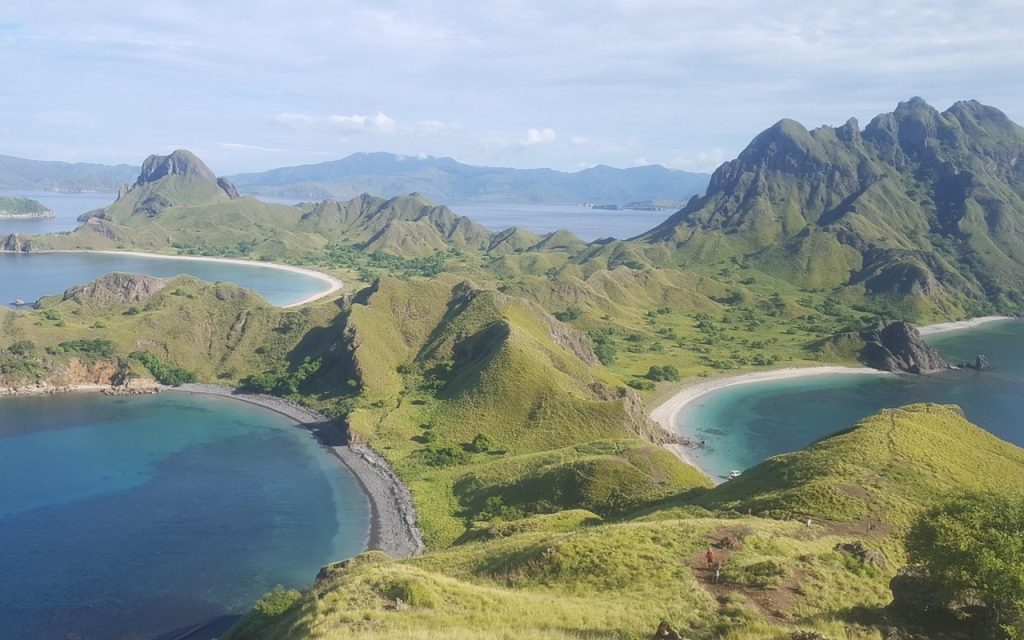
You visit Komodo hoping to see the island’s famous dragons, but too many boats and careless interactions disrupted wildlife and damaged the reefs that surround the islands. Some tourists even tried to feed the dragons, which changed their behavior. Indonesian officials pushed for stricter regulations to restore balance. Choosing licensed guides, keeping distance from wildlife, and avoiding harmful tour operators helps safeguard both the animals and the communities that live there.
8. Santorini, Greece
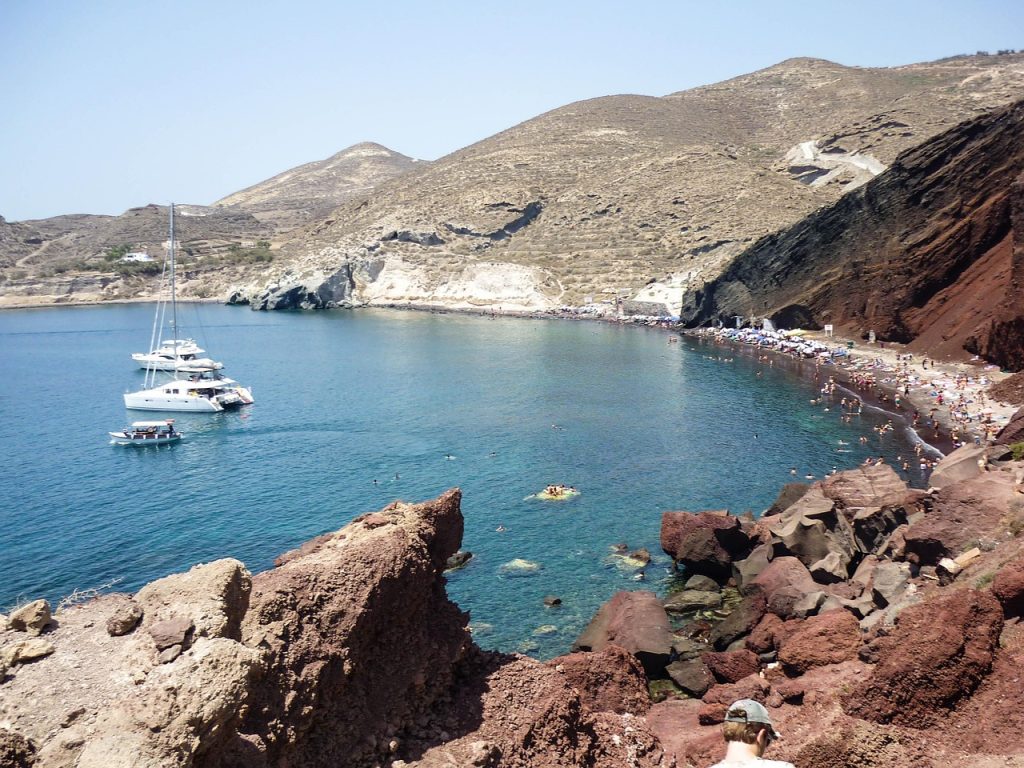
You picture Santorini as peaceful and romantic, yet its narrow paths and cliffside towns face stress from overwhelming visitor numbers. Cruise ships unload thousands of people at a time, filling streets built for a much smaller world. Waste systems and local workers struggle to keep pace. When you visit, staying overnight instead of rushing through, visiting during shoulder seasons, and supporting local businesses help ease pressure on an island that deserves more than quick snapshots.
9. Halong Bay, Vietnam
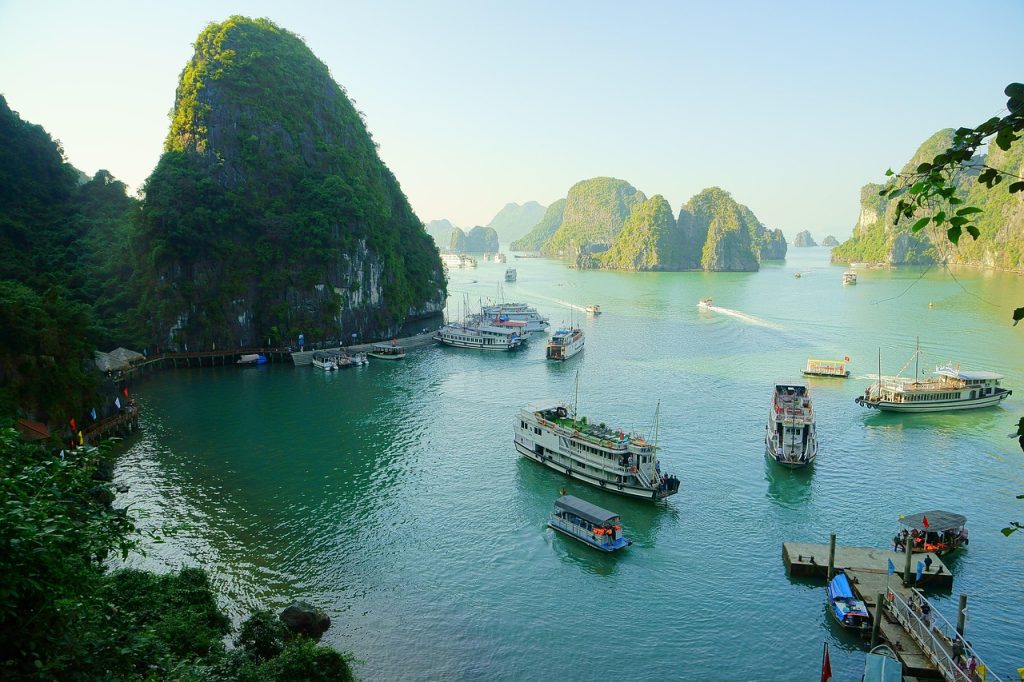
You arrive expecting calm jade water and limestone cliffs, but Halong Bay deals with pollution from tour boats, floating trash, and rapid development. The rise in low-cost cruises made the problem worse by increasing waste in an area that can’t absorb it. Choosing certified eco-cruises and avoiding operators that cut corners helps reduce the impact. It also sends a message that visitors want cleaner water and a healthier bay for future travelers.