9 Border and Airport Changes Travelers Should Know About

My standard approach to international travel used to be intentionally minimal. I would book a flight to a major hub like London or Rome, grab my passport, and trust that the rest would sort itself out upon arrival. There was a freedom in knowing that as long as I had a valid booklet in my pocket, I could walk across most borders without prior paperwork or digital approvals. That era of frictionless, analogue movement is rapidly closing in 2025. Governments and airport authorities are shifting toward a digital-first border model where permission to travel must be secured days or weeks before a bag is even packed.
This transformation is driven by a global push for tighter security, data integration, and revenue generation to offset tourism management costs. Security analysts and border control agencies report that the sheer volume of post-pandemic travel has made manual processing unsustainable, necessitating automated biometric systems and pre-travel clearance protocols. The spontaneity of the old default trip, where a traveler could simply hop on a plane to Europe or Asia on a whim, is being replaced by strict digital deadlines and mandatory fees. I realized that keeping my travel plans viable now means treating border crossing as an administrative project rather than a formality.
European Union

The long-awaited European Travel Information and Authorization System (ETIAS) represents a fundamental shift for travelers from visa-exempt countries. Border security experts explain that this new layer of digital screening is designed to identify security, irregular migration, or high epidemic risks before visitors arrive at the border. While not a full visa, it requires travelers to complete an online application and pay a fee prior to travel. This ends the era where an American, Canadian, or Australian passport was the only document needed to board a flight to Paris or Berlin.
The drivers here are security intelligence and border modernization. Immigration officials note that the system closes the information gap on millions of visa-exempt travelers who previously entered the Schengen Zone with little prior vetting. The database cross-checks applicant details against Interpol and Europol watchlists, creating a tighter security net. That implies a new mandatory step in the booking workflow that cannot be ignored.
This region is defined by open borders between nations, high-speed rail networks, and a dense concentration of cultural heritage.
The tradeoff is the elimination of last-minute spontaneity. Failing to secure this authorization at least 96 hours in advance can result in denied boarding at the departure airport. Travelers must now plan their administrative status as carefully as their flight itinerary.
Schengen Zone Borders
The Entry/Exit System (EES) is set to replace physical passport stamping with a biometric data collection process at the external borders of the EU. Border management agencies explain that this automated IT system will register the person’s name, type of travel document, biometric data including fingerprints and captured facial images, and the date and place of entry and exit. This effectively ends the practice of manual passport checks for short-stay visa holders and visa-exempt travelers.
The drivers are overstay detection and efficiency. Migration researchers note that the manual stamping method was prone to error and did not provide reliable data on who had exceeded their 90-day allowance. The EES automates the calculation of stay duration, instantly flagging anyone who has overstayed their visa-free period. That is why the math changes for long-term travelers and digital nomads.
The region is characterized by diverse languages, shared currency zones, and a reliance on train travel across national lines.
The tradeoff involves potential bottlenecks during the initial rollout. Travel industry groups warn that the collection of biometric data at airports and land borders could lead to significantly longer processing times upon arrival. Travelers may face extended queues as border guards and automated kiosks process the new data requirements for millions of visitors.
United Kingdom
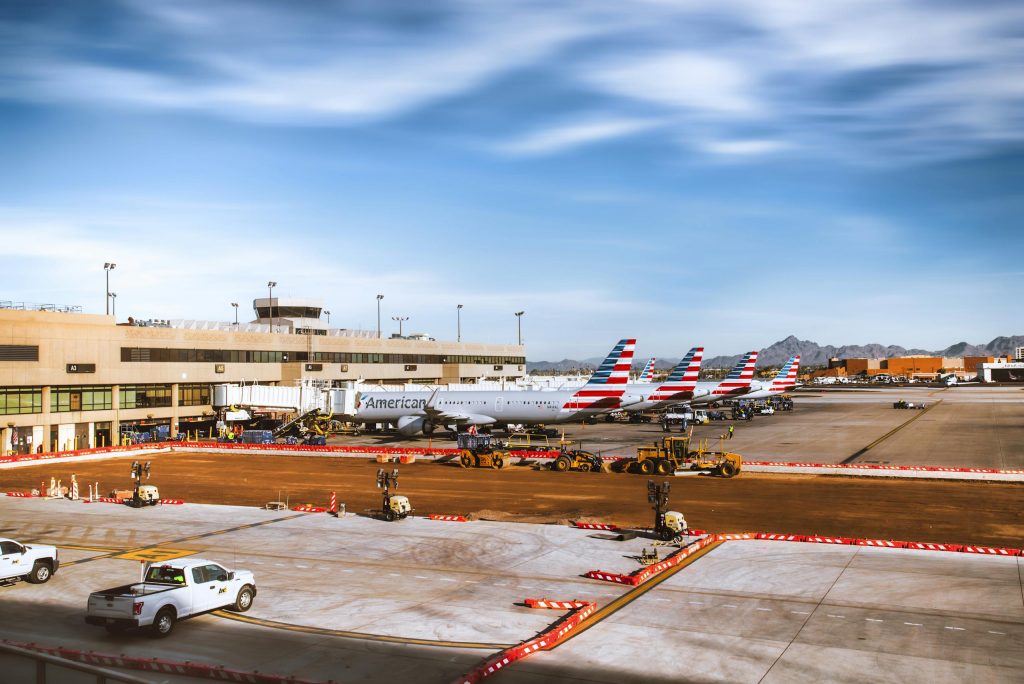
The UK is rolling out its own Electronic Travel Authorisation (ETA) scheme, creating a digital border for nationalities that previously enjoyed visa-free access. Home Office officials state that the goal is to fully digitize the UK border, giving authorities an accurate count of who is entering and leaving the country. This system mirrors the US ESTA model and applies to visitors transiting through Heathrow or Gatwick, even if they do not pass through border control.
Policy analysts indicate that the primary drivers are immigration control and national security. By vetting travelers before they arrive, the government aims to prevent inadmissible persons from traveling in the first place. The rollout is staggered by nationality, but the end state is a universal requirement for all non-visa nationals, including Europeans and Americans, to hold a digital permission to enter.
This destination offers a mix of global financial power, royal history, and a vast rail network connecting distinct nations.
A significant tradeoff is the cost and strict adherence to processing times. The fee adds a new line item to family vacation budgets, and the application processing time introduces a risk of delay. A simple weekend trip to London now requires the same digital foresight as a long-haul expedition.
United States
The enforcement of the REAL ID Act creates a hard deadline for domestic travelers to update their identification documents. Department of Homeland Security officials have set May 7, 2025, as the date when standard state-issued driver’s licenses will no longer be accepted for boarding federally regulated commercial aircraft. Travelers must possess a REAL ID-compliant license, marked with a star, or an alternative acceptable form of ID such as a passport.
Security standards and identity verification are the critical drivers. Federal authorities emphasize that the law establishes minimum security standards for license issuance and production to prevent identity fraud. This moves domestic travel security closer to international standards, requiring every passenger to prove their legal presence and identity with verified documents.
This country is defined by vast interstate highways, a high volume of domestic flights, and diverse state-level regulations.
The tradeoff is the bureaucratic hurdle of upgrading documents. Travelers who fail to obtain the compliant ID by the deadline face the risk of being turned away at the TSA checkpoint. This adds a layer of anxiety and logistical preparation for routine domestic flights that used to require nothing more than a basic wallet license.
European Airports

Major airports across Europe and the UK have recently reintroduced strict 100ml limits on liquids in carry-on baggage, reversing a move toward relaxation. Aviation security regulators mandated the return to the old rules due to temporary technical shortcomings identified in the new generation of C3 scanners. While the new scanners were intended to allow travelers to keep liquids and laptops in their bags, performance issues have forced a precautionary return to the restrictive standard.
The drivers are equipment reliability and standardized safety. Transport authorities determined that the new scanning technology did not meet specific performance targets for certain containers, necessitating a uniform rollback to ensure consistent screening. This creates a confusing patchwork where some security lanes might have advanced tech while the rules remain stuck in the past to avoid operational inconsistency.
The continent is known for its budget airline networks, city-hopping culture, and efficient transit hubs.
A frustration for travelers is the unpredictability of the security experience. Passengers who packed assuming the new high-tech rules applied may find themselves forced to discard toiletries or check bags at the last minute. The efficiency gains promised by the new technology have been paused, returning the security process to the slower, preparation-heavy model of the last decade.
Singapore
Changi Airport is pioneering a passport-free immigration clearance process using biometric data for departing passengers. Immigration and Checkpoints Authority officials report that this initiative allows travelers to pass through departure checkpoints without producing a physical passport, relying instead on facial and iris recognition. This system is part of a broader New Clearance Concept aiming to make automated clearance the norm for all travelers.
Technological efficiency and flow management are the drivers. Airport management experts cite the need to handle increasing passenger volumes without expanding the physical footprint of immigration halls. By digitizing the identity check, the airport reduces friction points and speeds up the movement of people from curbside to gate.
This city-state is defined by futuristic urban design, global business connectivity, and a tropical climate.
The tradeoff is a heavy reliance on biometric data privacy and system uptime. Travelers must be comfortable with facial recognition technology serving as their primary credential. Additionally, the physical passport is still required for arrival at the destination country, meaning the document cannot be left at home despite not being needed for departure.
Indonesia

Bali has introduced a mandatory tourist levy for international visitors to fund cultural preservation and waste management. Provincial government officials state that the fee is payable electronically and is intended to offset the impact of mass tourism on the island’s infrastructure and environment. This policy marks a shift from a purely volume-based tourism model to one that seeks direct financial contributions from visitors to maintain the destination.
Sustainability and infrastructure funding are the drivers. Environmental economists argue that the low cost of the old default beach vacation failed to account for the ecological burden placed on the island. The levy creates a direct revenue stream to address issues like plastic pollution and temple maintenance, ensuring the island remains viable for future generations.
The destination is known for its Hindu temples, surf breaks, and lush rice terraces.
The tradeoff is an added cost and administrative step. Visitors must pay the fee via a designated app or website before arrival or at the airport, adding another layer of digital paperwork to the trip. It reinforces the trend that access to popular natural sites is no longer free or unregulated.
Japan
Japan has integrated its immigration and customs procedures into the Visit Japan Web service, streamlining entry but creating a digital prerequisite. Tourism and immigration authorities encourage all travelers to register their passport details, vaccination status, and customs declaration online to generate QR codes for entry. While paper forms are still available, the fast-track lanes are reserved for those who have completed the digital process.
The drivers are processing speed and health safety monitoring. During the reopening phase, the government established this system to manage health protocols, and it has evolved into a permanent efficiency tool. By shifting the paperwork to the pre-travel phase, airport officials can process arrivals significantly faster, reducing the congestion in arrival halls.
The country offers a blend of hyper-modern technology, ancient shrines, and a highly organized public transit system.
A tradeoff is the dependency on smartphone battery life and connectivity. Travelers must ensure their device is charged and the QR codes are accessible offline to navigate the checkpoints smoothly. The reliance on a digital screen to enter a country adds a point of failure that paper forms did not have.
New Zealand

The International Visitor Conservation and Tourism Levy (IVL) has seen a significant price increase to support the country’s natural resources. Government ministers explain that the higher fee ensures international visitors contribute appropriately to the public services and high-quality experiences they utilize. This aligns with a broader strategy to prioritize high-value tourism over high-volume numbers.
Conservation funding and infrastructure maintenance are the primary drivers. Park rangers and tourism boards note that the pressure on remote trails and facilities required a more robust funding mechanism. The increased levy forces the visitor to directly subsidize the protection of the landscapes that draw them there in the first place.
The nation is defined by its fjords, adventure sports culture, and remote location in the South Pacific.
The tradeoff is a steeper upfront cost for the budget traveler. The combined cost of the visa or electronic authority and the increased levy makes the initial entry price notably higher. This financial barrier may alter the decision-making process for backpackers or those on strict budgets.
Source
https://travel-europe.europa.eu/etias_en
https://www.gov.uk/guidance/apply-for-an-electronic-travel-authorisation-eta
https://travel-europe.europa.eu/ees_en
https://www.dhs.gov/real-id
https://www.gov.uk/government/news/reintroduction-of-100ml-limit-for-liquids-at-some-airports
https://www.ica.gov.sg/news-and-publications/newsroom/media-release/passport-less-immigration-clearance
https://lovebali.baliprov.go.id/
https://vjw-lp.digital.go.jp/en/
https://www.immigration.govt.nz/new-zealand-visas/preparing-a-visa-application/you