9 Calm U.S. Trips That Skip the Cozy Trap
Travel researchers who study overtourism, along with park rangers and public lands managers, tend to agree on a simple pattern. A calm trip usually comes from logistics, not luck. Limited access, big landscapes, and plans built around weather and daylight often matter more than any single must-see attraction.
Realtors and hospitality pros also see a parallel trend in getaway culture. The most stressful trips often chase a hyper-curated kind of cozy that looks effortless but functions like a crowded checklist. A calmer approach favors places that stay grounded in nature, history, and working communities, with enough space for a slower pace.
The trips below lean on that expert logic. Each one offers quiet without leaning on staged charm, and each one rewards travelers who plan like rangers and local officials do, around conditions, capacity, and safety.
Cumberland Island National Seashore In Georgia
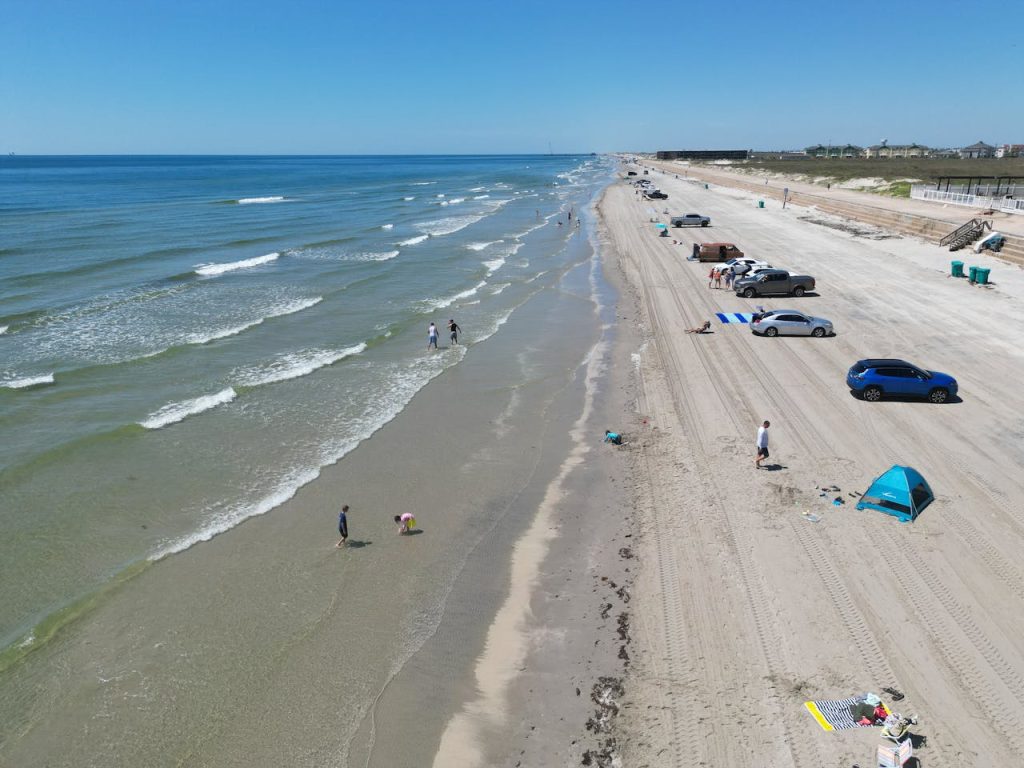
Cumberland Island sits off Georgia’s coast with wide beaches, maritime forest, and an intentionally low-key footprint. The National Park Service manages it with limited access by ferry, which naturally filters out the rush that often shows up in more drive-up beach towns. That structure tends to create the kind of silence that feels rare on the Atlantic.
Park rangers often emphasize that calm comes from respecting what the island is and what it is not. It is not a place for quick conveniences, nightlife, or a tight schedule built around reservations every hour. It is a place where daylight, tides, and distance set the rhythm, and that rhythm is exactly what keeps the experience from turning performative.
This trip works best with a simple plan that matches the setting. A small list of priorities, a steady walking pace, and supplies packed with care often make the difference between restorative and frustrating. Weather, insects, and sun exposure shape the day, so the same practical mindset used on other coastal backcountry trips fits here.
Great Basin National Park In Nevada
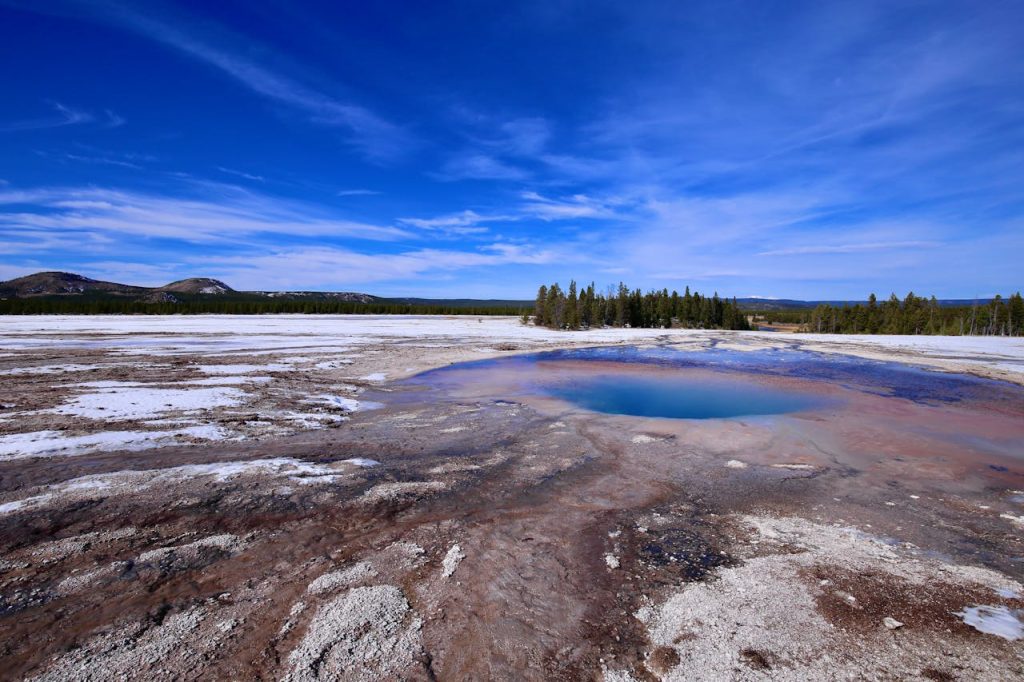
Great Basin National Park offers a different kind of quiet, the high desert kind where distance does most of the work. Bristlecone pines, alpine terrain near Wheeler Peak, and the cave tours at Lehman Caves create a full itinerary without the surrounding crowd infrastructure that can make a park feel like an event venue.
Park staff and dark-sky advocates frequently point out that night can be the main attraction here. Remote parks with minimal light pollution turn stargazing into a genuine experience rather than a photo opportunity. That emphasis on the sky also shifts the daily pace toward slower afternoons and earlier dinners, which supports a calmer trip by design.
High elevation and desert conditions still demand respect. Rangers routinely advise planning around temperature swings, hydration, and the way altitude changes exertion. A steady, conservative approach to hiking and driving keeps the trip quiet for the right reasons, not because plans fell apart.
North Cascades Scenic Highway In Washington
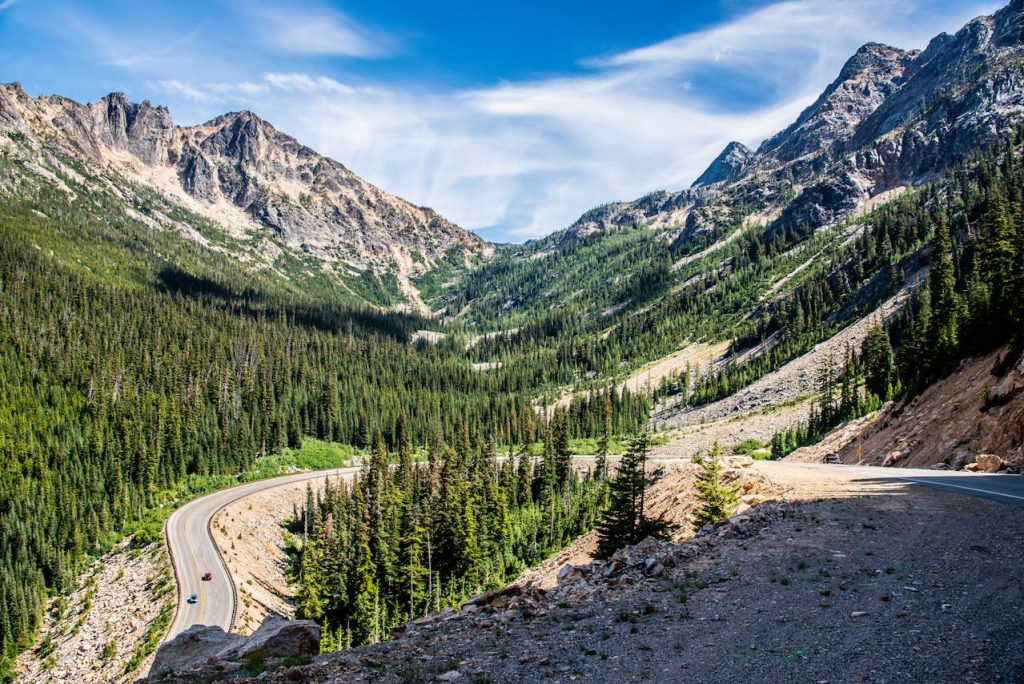
The North Cascades corridor delivers mountain drama without requiring a lodge-to-lodge checklist. The drive along State Route 20, paired with short hikes and lake overlooks, can feel expansive even on a short trip, especially when the focus stays on viewpoints, picnic stops, and manageable trails rather than summit chasing.
National Park Service messaging across the complex often centers on preparedness and conditions, which also supports calm. In rugged mountain terrain, the best day frequently comes from choosing the right trail for the weather, daylight, and energy level, then leaving margin for scenic stops and sudden changes. That margin is the antidote to the anxious, curated getaway.
This trip tends to feel most relaxed when it avoids the urge to “do the whole park.” A single base area, a couple of hikes chosen for safety and views, and time built in for lakeside quiet can make the landscape feel personal rather than consumed. Mountain weather shifts quickly, so the same caution that guides rangers, layered clothing and realistic turnarounds, keeps the mood steady.
Porcupine Mountains And The Keweenaw In Michigan
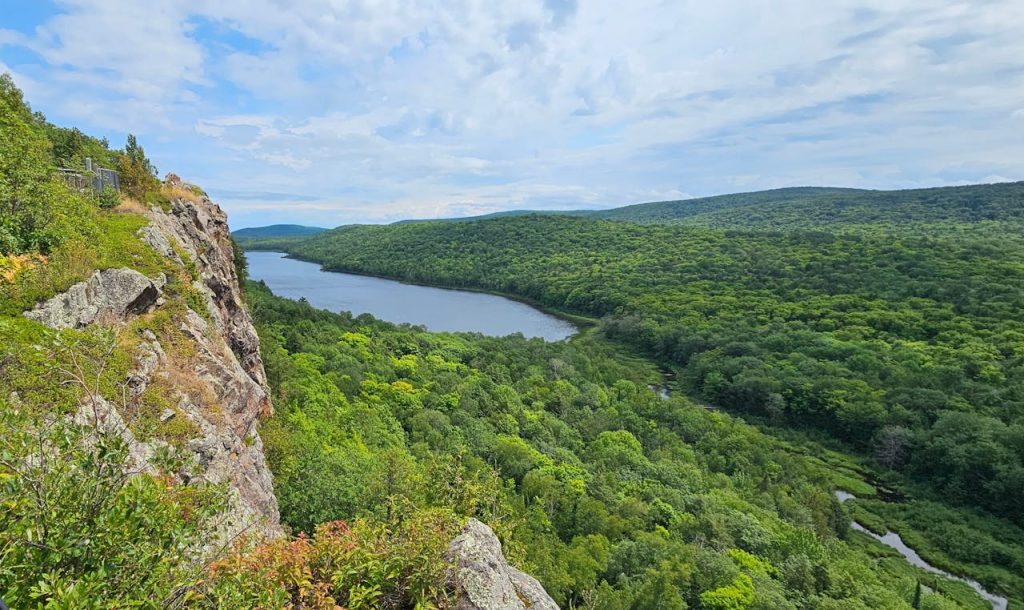
Michigan’s western Upper Peninsula offers Lake Superior scale without the constant buzz found in more branded lakefront destinations. The Porcupine Mountains Wilderness State Park pairs old-growth forest, ridgelines, and waterfalls with room to breathe, while the Keweenaw Peninsula adds small harbors and dramatic shoreline without forcing a cozy-cute narrative.
State park staff and Great Lakes safety educators often stress that Superior behaves more like an inland sea than a friendly lake. That reality shapes a calmer itinerary, because it naturally favors shoreline walks, forest hikes, and weather-aware overlooks instead of fragile plans built around perfect beach hours.
A relaxed version of this trip leans into that expert framing. Cool layers, flexible timing, and respect for wind and waves keep the days comfortable. The region also rewards slower driving, since overlooks and trailheads appear in a way that encourages pauses rather than a tight itinerary.
Driftless Area River Valleys In Wisconsin And Iowa
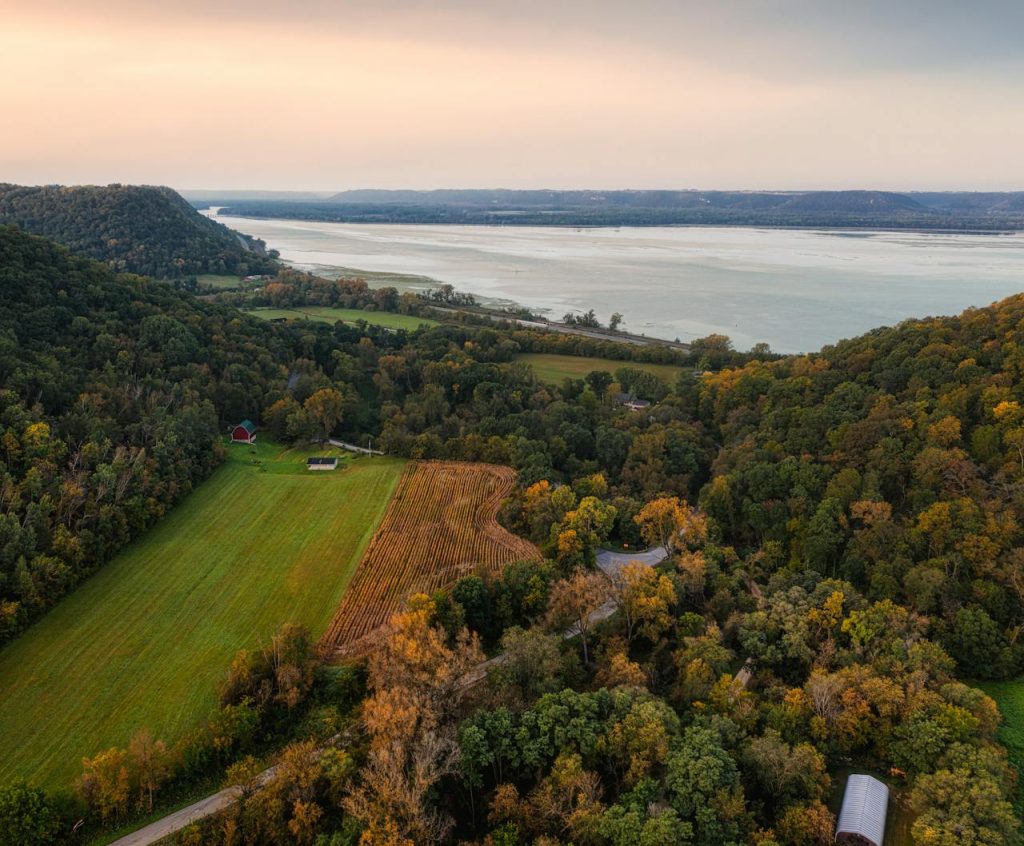
The Driftless Area, shaped by deep river valleys and limestone bluffs, offers a countryside trip that feels lived-in rather than staged. Small towns sit beside spring-fed creeks and rolling farmland, and the terrain invites meandering drives, short walks, and long meals that do not need a curated backdrop to feel memorable.
Conservation groups and state natural resources agencies often highlight how fragile and special these waterways are, which reinforces a quieter style of travel. Respectful access, careful parking, and staying on established paths protect stream banks and habitat. That same restraint also keeps the experience from turning into a noisy scavenger hunt for the most photogenic spot.
A calm Driftless trip usually centers on a few anchors, a blufftop viewpoint, a river town, a low-traffic county road, then leaves the rest open. Local weather, especially fog and sudden storms, can shape the day, so a flexible plan fits both safety and the slower mood that makes the region shine.
Ozark National Scenic Riverways In Missouri
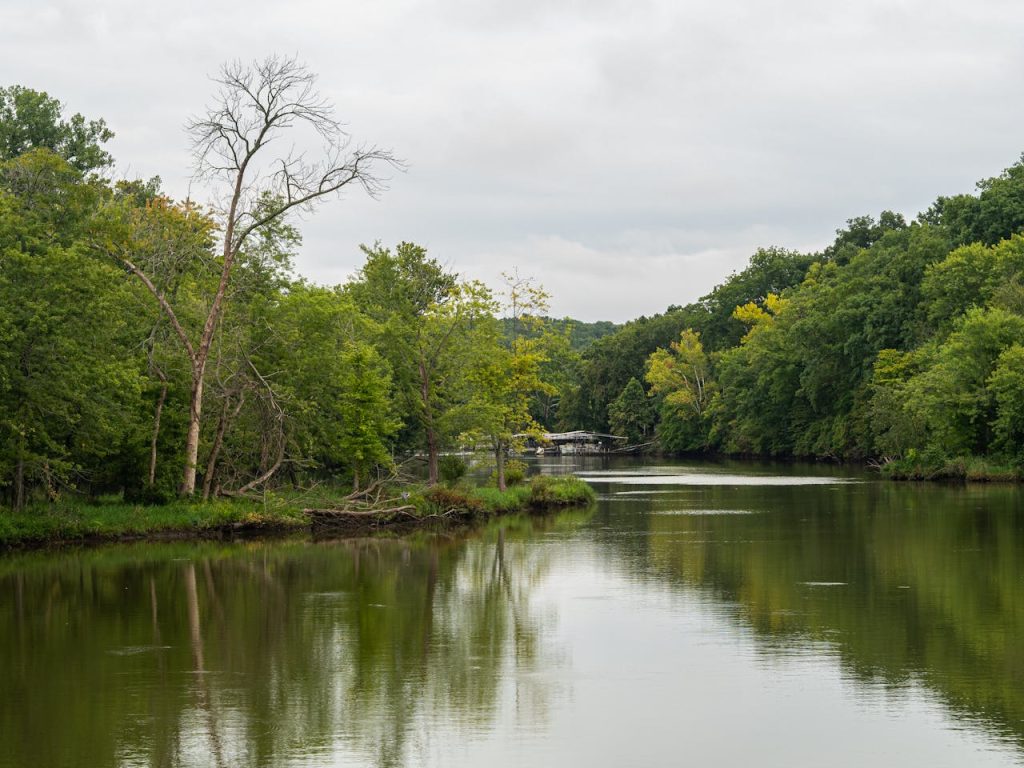
Ozark National Scenic Riverways protects the Current and Jacks Fork rivers, where clear springs and wooded banks create a steady, cooling atmosphere. Because the park centers on waterways rather than a single landmark, it spreads visitors across access points, which can soften crowding compared with more concentrated destinations.
National Park Service river safety guidance tends to focus on conditions, decision-making, and avoiding preventable emergencies. That mindset also supports calm. A trip that treats paddling and swimming as condition-based activities, shaped by water level, weather, and experience, feels grounded and unhurried.
This is a place where timing matters. Weekdays and shoulder seasons often feel more spacious, and a simple plan that pairs one main float with a spring visit or a short hike can keep the trip from becoming a logistics marathon. Life jackets, sun protection, and conservative choices around current and weather support both safety and peace.
Gila Wilderness Gateway In New Mexico
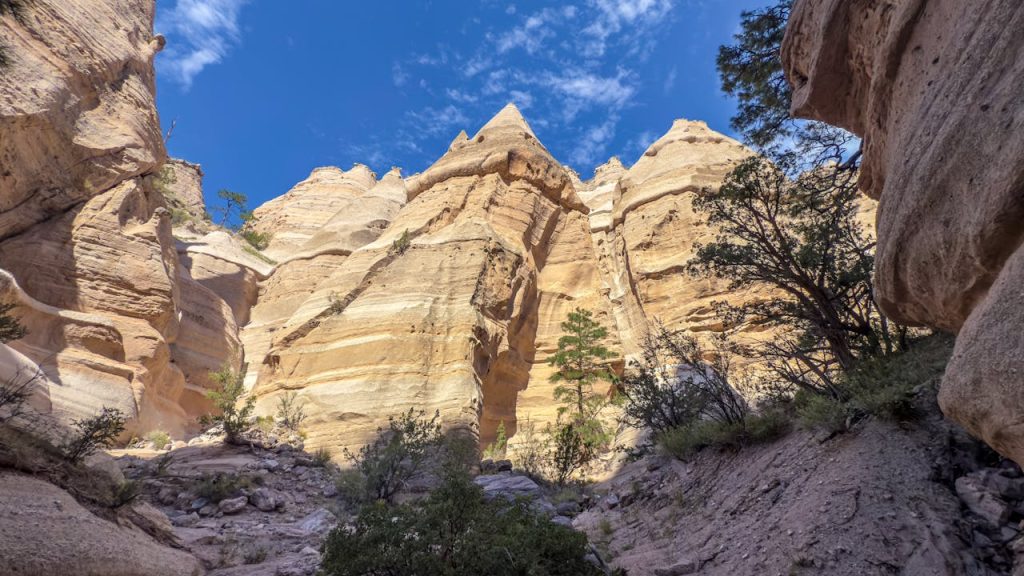
Southwestern New Mexico offers a restorative alternative to the better-known high-desert getaways. The Gila region, including forested mountains and canyon country, supports a trip built around quiet trail time, hot days that cool off at night, and small towns that feel functional rather than performative.
Forest Service guidance for wilderness travel often emphasizes self-reliance, route awareness, and leaving a light footprint. Those principles naturally discourage the cozy-trap pattern of constant stops and constant content creation. In a place where remoteness is real, the trip tends to slow down, because safety and comfort reward a measured pace.
A calm approach here favors short hikes with big scenery and plenty of daylight margin. Cell coverage can be limited, weather can change fast, and roads can vary in condition, so a cautious plan aligns with standard backcountry best practices. The reward is a landscape that feels expansive and unbothered.
Big Bend Ranch State Park In Texas
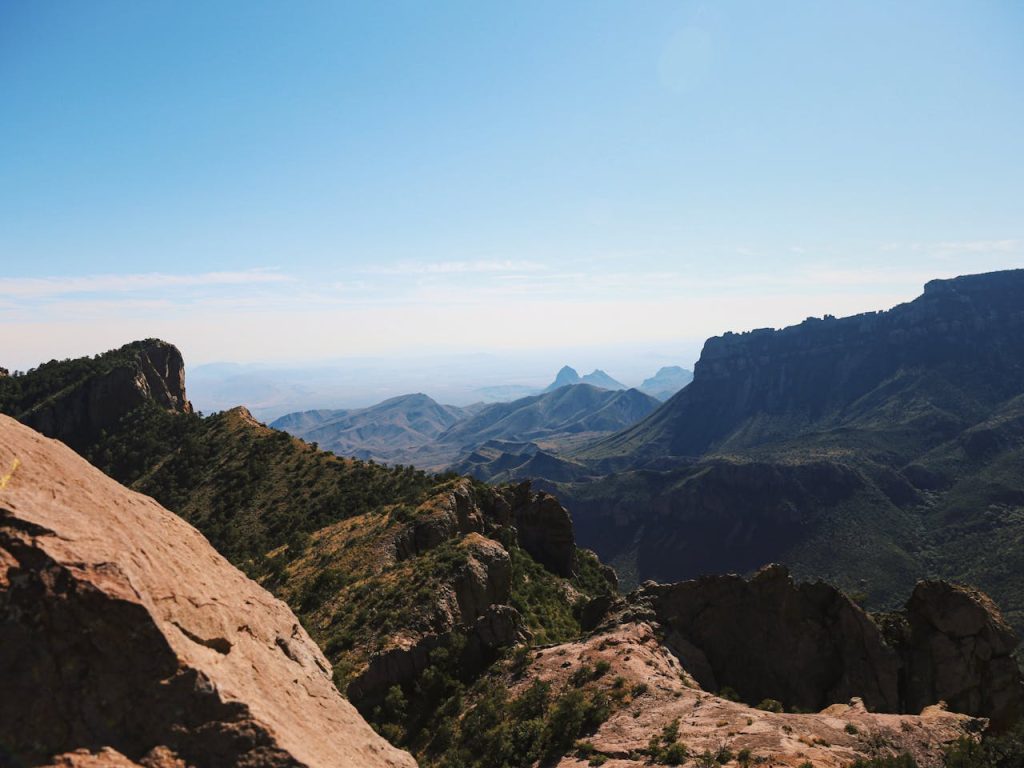
Big Bend Ranch State Park delivers desert solitude on a scale that can reset the nervous system. Texas Parks and Wildlife manages a huge, rugged landscape with long drives between trailheads, broad horizons, and a sense of distance that makes even simple walks feel like an escape from curated getaway culture.
Desert safety experts and park staff consistently emphasize that heat, dehydration, and navigation mistakes create the most serious problems in remote parks. That advice encourages an itinerary that stays humble, with earlier starts, simpler goals, and plenty of water and shade planning. Those choices do more than reduce risk, they also keep the trip from feeling rushed and brittle.
This trip stays calm when it treats the environment as the main event. Scenic drives, short hikes timed for cooler hours, and nights built around quiet skies can feel complete without chasing a packed schedule. Road conditions and weather deserve a final check before heading out, since remoteness magnifies small surprises.
Cape Lookout National Seashore In North Carolina
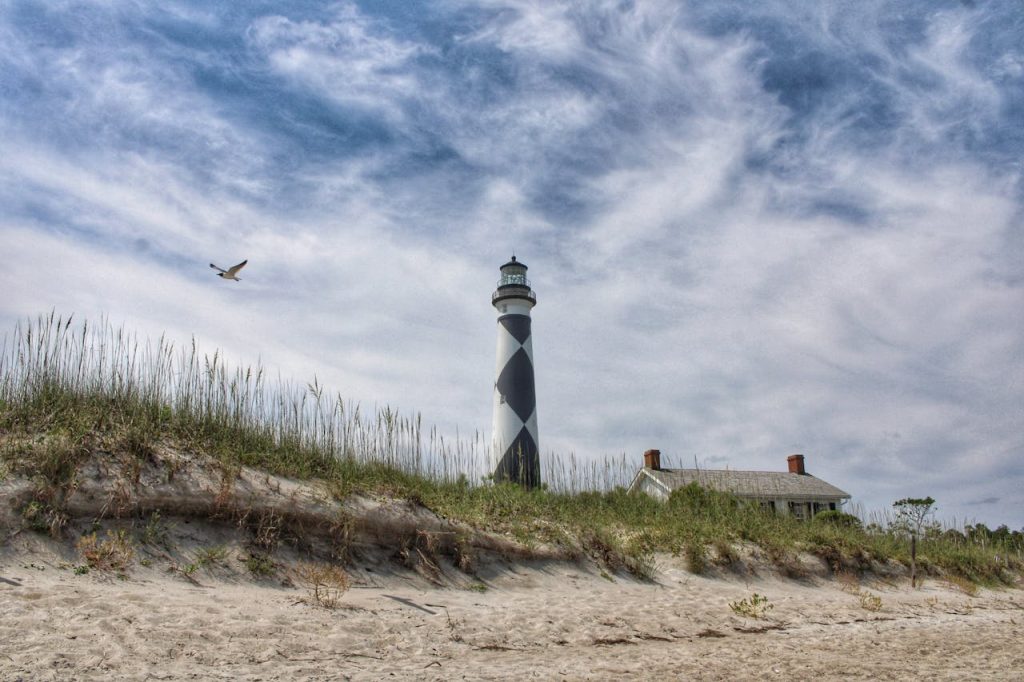
Cape Lookout National Seashore offers barrier-island quiet that feels far from the main Outer Banks flow. With ferry access, open beaches, and long stretches where wind and waves set the soundtrack, it replaces curated coastal charm with a more elemental kind of calm.
National Park Service coastal guidance often centers on weather awareness and respecting dynamic shorelines. Barrier islands shift, storms reshape conditions, and tides can change plans. That reality nudges the trip toward flexibility and patience, which helps maintain a peaceful pace even when nature rewrites the schedule.
A relaxed visit here focuses on simple pleasures, a lighthouse view, a long walk, a calm picnic, and time to watch the surf without needing an agenda. Sun, wind, and sudden squalls can be intense, so the same preparation recommended across coastal parks, layers, water, and a tide-aware plan, supports comfort without turning the day into a production.