9 Camp Recipes Women Pack When They Refuse to Cook Outside
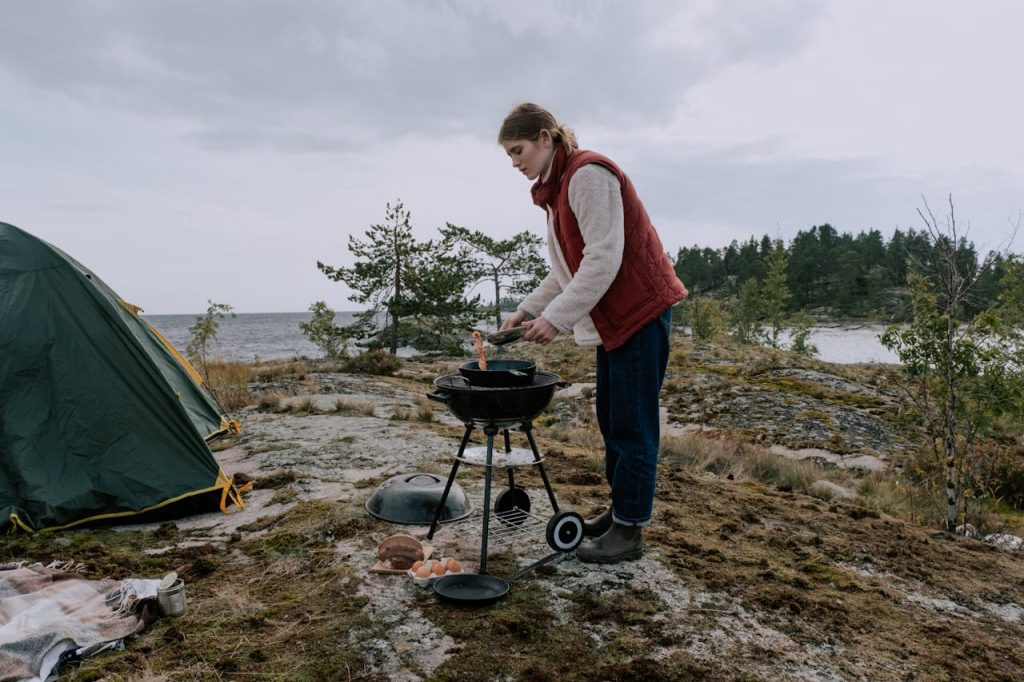
Professional organizers and wilderness guides observe a growing movement toward stove free camping among female travelers who prioritize relaxation over culinary chores. This shift is driven by a desire to minimize gear and reduce the logistical burden of fire management or fuel consumption. Experts say that removing the cooking element allows for more time spent in nature and significantly less time cleaning greasy pans in a communal dish station.
Nutritionists and backcountry specialists emphasize that no cook meals can be just as satisfying and nutrient dense as their heated counterparts. By focusing on high quality shelf stable proteins and pre prepped fresh ingredients, travelers maintain their energy levels for strenuous hikes or long days of paddling. This strategy also reduces the aromatic profile of the campsite, which park rangers identify as a critical step in discouraging curious local wildlife from approaching sleeping areas.
Mediterranean Chickpea Salad Jars
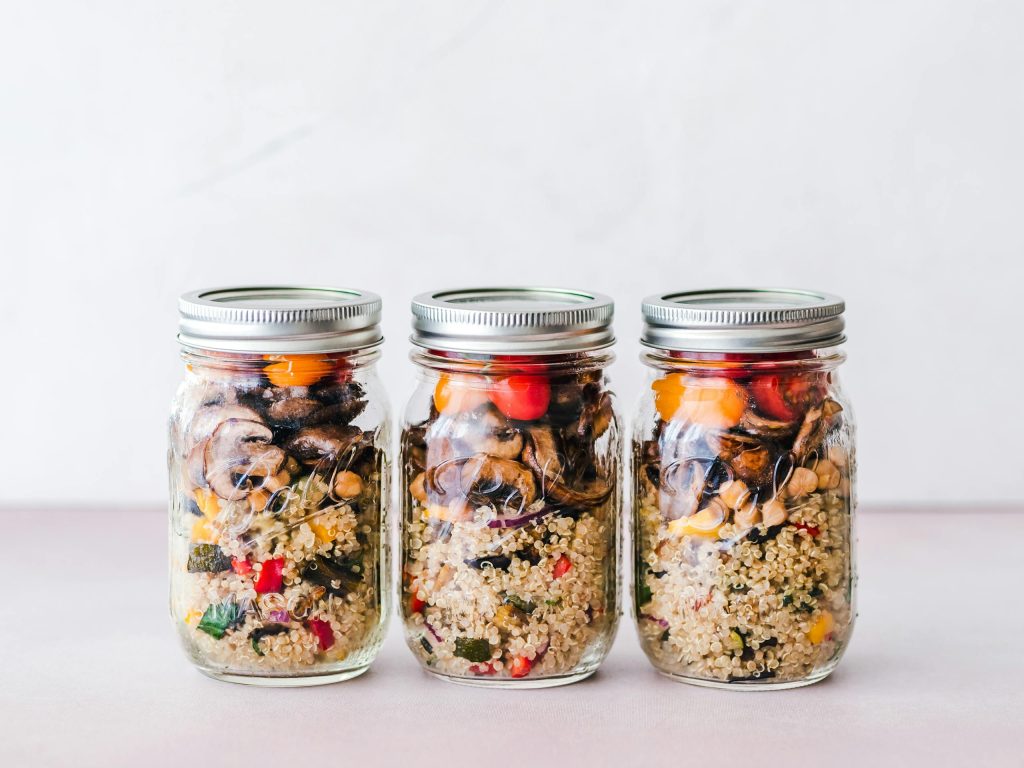
Professional organizers suggest layering ingredients in glass or durable plastic jars to prevent sogginess. This Mediterranean chickpea salad jar recipe places the chickpeas and dressing at the bottom of the container to act as a barrier for the more delicate greens at the top. Nutritionists appreciate the high fiber and protein content which provides sustained energy for long treks without the need for a propane stove.
Wilderness guides note that this meal stays fresh for several days in a standard cooler. Adding feta cheese and kalamata olives provides a salty complexity that remains delicious at ambient temperatures. This preparation method effectively eliminates the need for a cutting board or knife at the campsite, keeping the surface area clean and free of food debris.
Deconstructed Charcuterie Platters
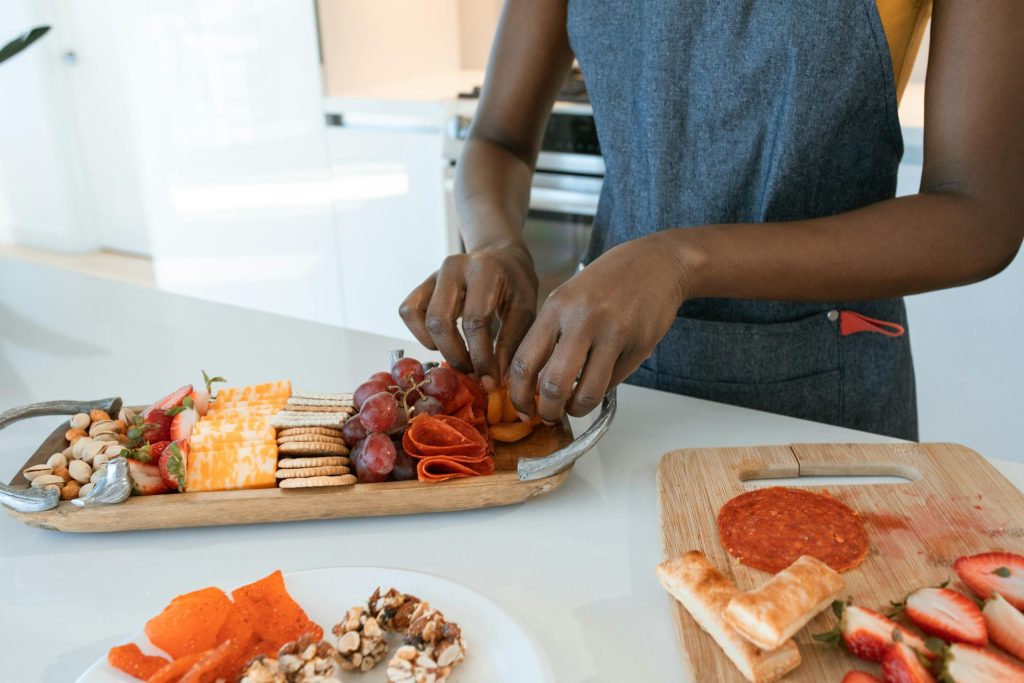
Travel planners and culinary experts identify the deconstructed charcuterie platter as a premier camping solution for those avoiding heat. This meal involves pre-sliced meats and hard cheeses such as manchego or aged cheddar that hold up well in coolers without the risk of spoilage associated with softer varieties. This assembly only approach allows for a sophisticated dining experience that matches the beauty of the national park surroundings.
Nutritionists explain that the combination of fats and proteins found in cured meats and nuts provides a slow release of energy. Including dried apricots and walnuts adds texture and essential nutrients without requiring any prep work. This strategy is particularly effective for those arriving late at a campsite when the light is fading and setting up a stove is a low priority.
Chilled Pesto Pasta
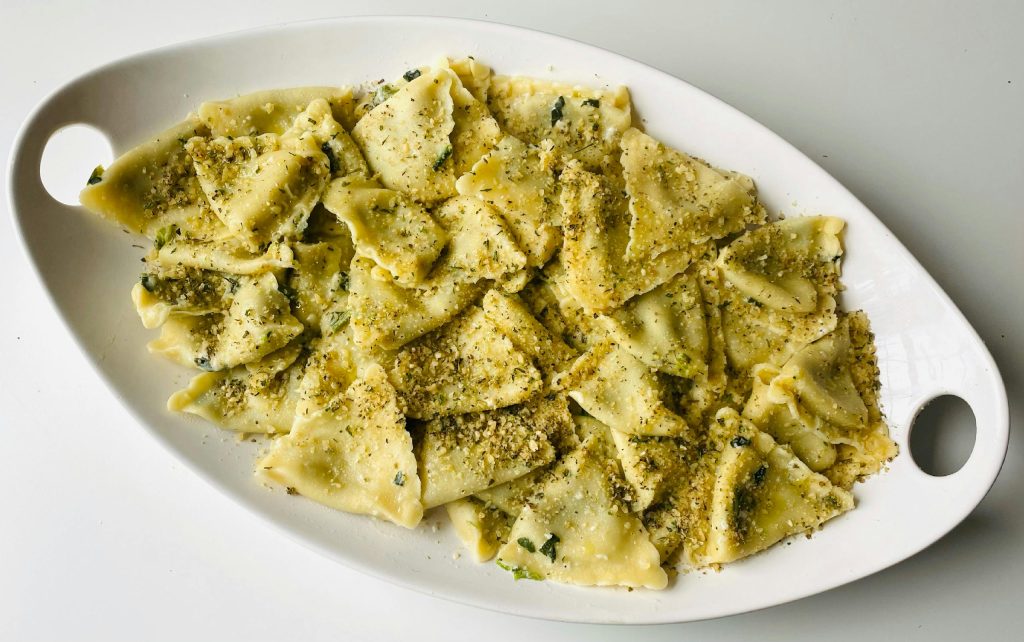
Culinary consultants recommend cooking pasta al dente at home and tossing it with olive oil and pesto before departure to create a chilled pesto pasta. The olive oil prevents the noodles from sticking together during transport. Experts say that adding sun dried tomatoes and pine nuts provides a flavor profile that remains vibrant even when served cold at a high altitude picnic site.
Wilderness guides appreciate that this meal is exceptionally filling and requires no cleanup other than a single fork. The addition of pre shredded parmesan cheese adds a layer of depth that satisfies cravings for comfort food. This recipe is a favorite for families because the familiar flavors of pesto are generally well received by travelers of all ages.
Smoked Salmon Wraps
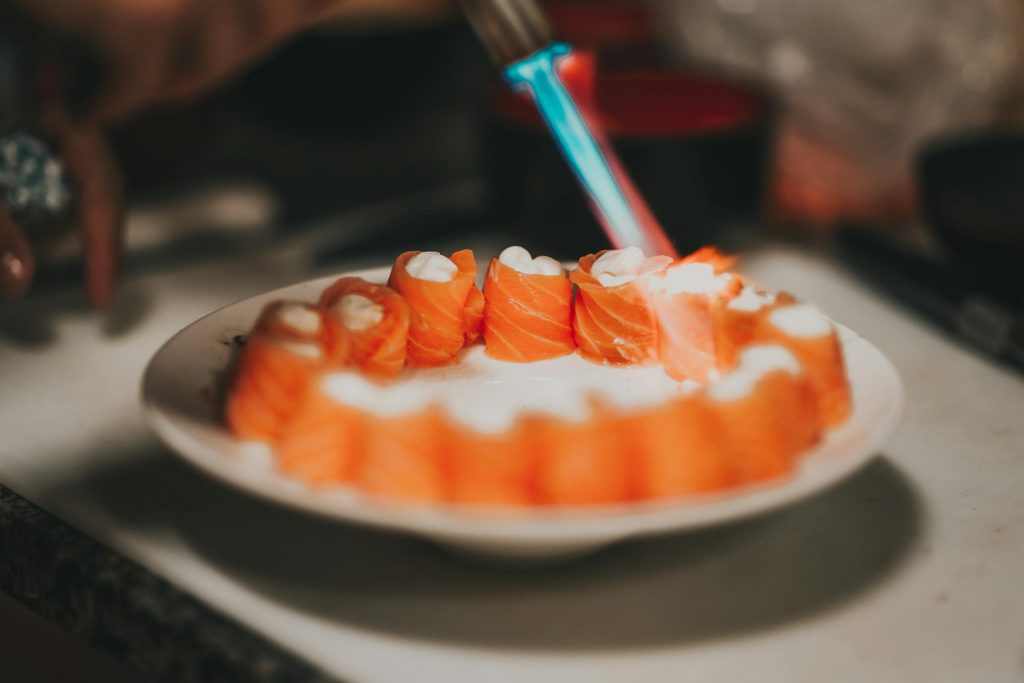
Wilderness guides often point to smoked salmon wraps as a space saving luxury that requires zero heat. Because the fish is cured, it remains stable in a cooler longer than raw options. Pairing it with cream cheese and capers inside a whole wheat tortilla creates a nutrient dense meal that sustains hikers through strenuous elevation gains.
Catering specialists suggest including fresh dill and thin slices of cucumber for added texture. This wrap is easily assembled on a lap or a flat rock, making it an ideal choice for a scenic overlook lunch. The high protein content and healthy fats provide the necessary fuel to complete a difficult trail without the sluggishness that sometimes follows a heavy hot meal.
Tuna Salad Pouches
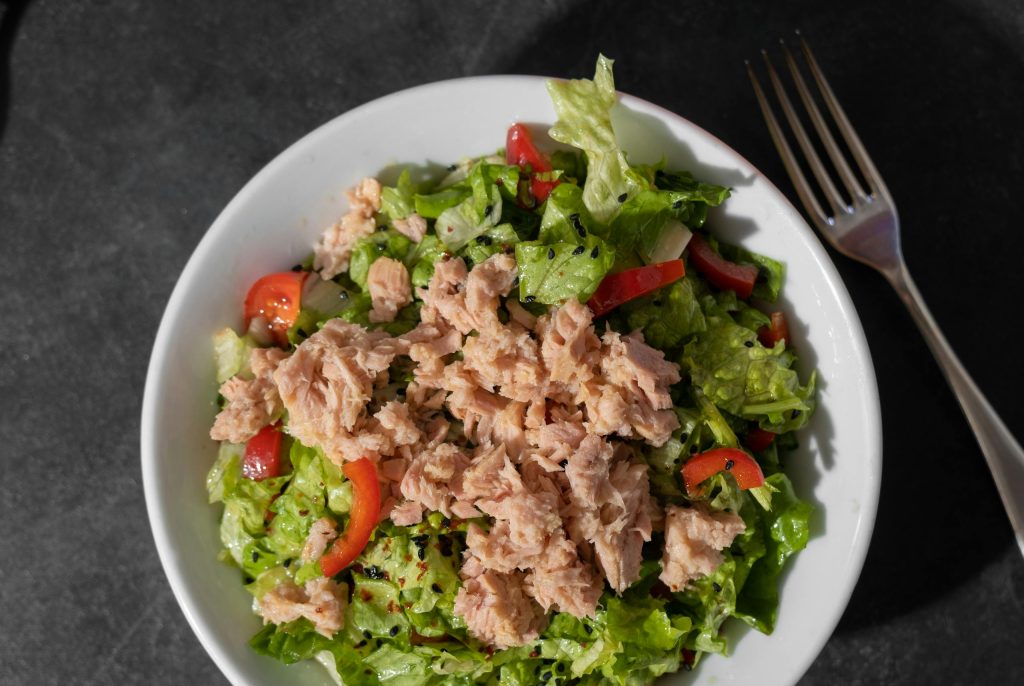
Nutritionists favor the modern tuna salad pouch over traditional cans because it eliminates the need for draining liquid at the campsite. This reduces the risk of attracting scavengers or leaving a trace in sensitive environments. Spreading the contents onto high quality crackers provides a satisfying crunch and a balanced intake of omega three fatty acids without any cleanup.
Retail experts note that these pouches now come in a variety of pre seasoned flavors such as lemon pepper or spicy thai. This variety allows for a diverse menu during multi day expeditions without carrying a heavy spice kit. The compact nature of the packaging makes it a favorite for those with limited gear space who still demand a filling and savory dinner.
Cold Soak Overnight Oats
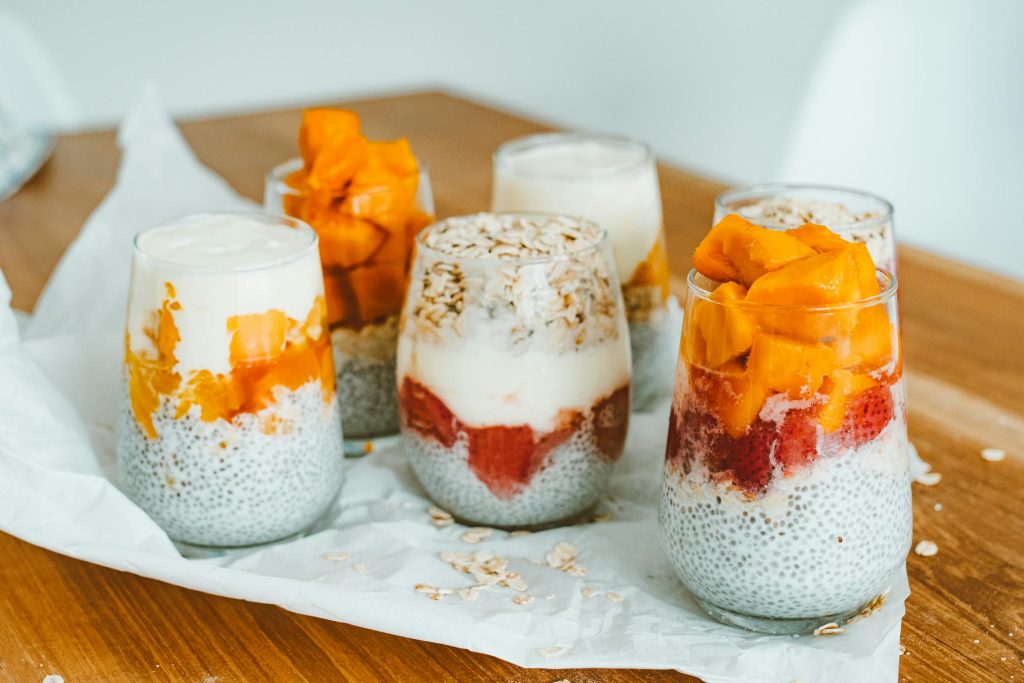
Backcountry experts have popularized the cold soak overnight oats method for breakfast to avoid the morning struggle with a camp stove. Mixing rolled oats with powdered milk or water the night before allows the grains to soften naturally. Adding chia seeds and dried cranberries creates a textured and filling meal that is ready the moment the sun hits the tent.
Nutritionists emphasize that this breakfast is rich in complex carbohydrates which release energy slowly over several hours. This prevents the mid morning energy crash often experienced by those who rely on sugary snacks. The simplicity of the process ensures that travelers can focus on the sunrise or breaking camp instead of managing a boiling pot of water.
Hummus and Vegetable Platters
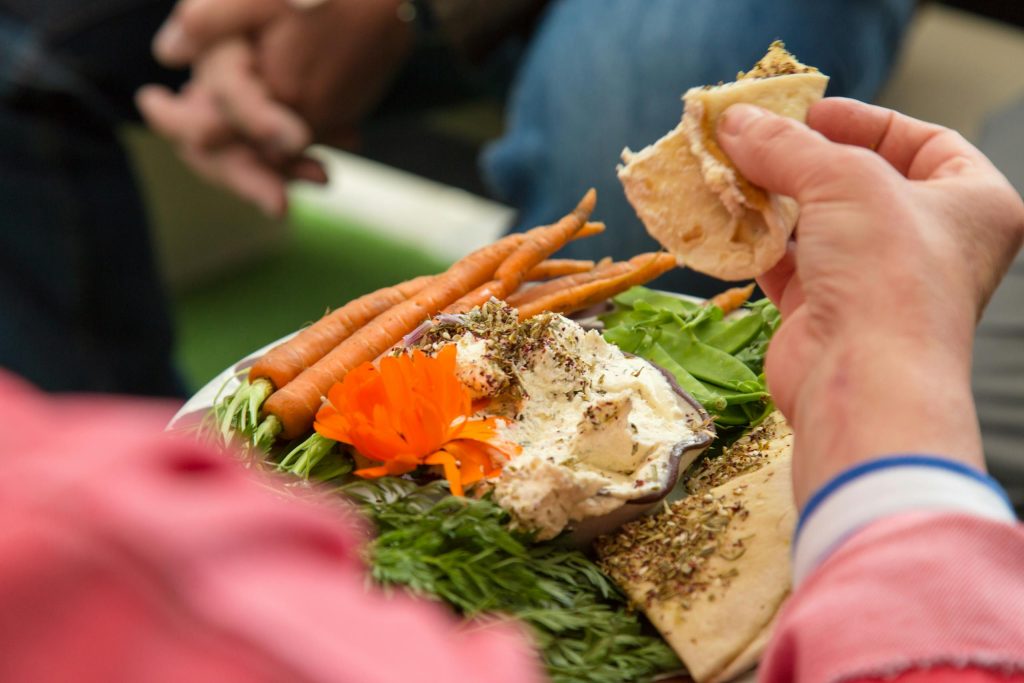
Professional organizers suggest buying pre packaged hummus to eliminate the need for utensils or prep bowls in a hummus and vegetable platter. Slicing cucumbers and bell peppers at home keeps the workload at zero once the camp is set. This snack heavy meal style is highly effective for maintaining blood sugar levels during the transition from the car to the campsite.
Culinary consultants recommend including pita bread and olives to turn a simple snack into a complete and hearty lunch. The inclusion of diverse colors in the vegetables ensures a wide range of vitamins and antioxidants. This fresh approach is particularly refreshing in hot desert environments where a cooked meal might feel too heavy or unappealing.
Nut Butter Rice Cakes
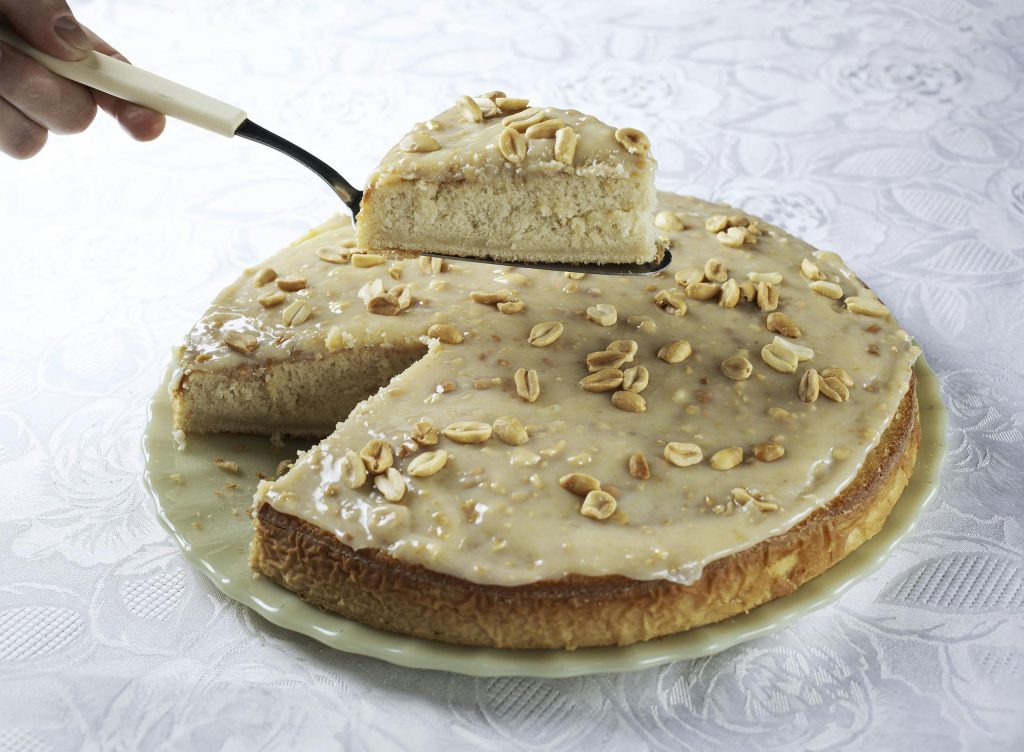
Energy experts recommend nut butter rice cakes topped with almond or peanut butter for a quick boost of healthy fats. Unlike bread, rice cakes do not get squashed in a packed gear bag and remain crisp for several days. Adding sliced bananas or a drizzle of honey provides natural sugars that refuel the body after a day of paddling or climbing without the mess of a frying pan.
Dietitians point out that nut butters provide a dense source of calories that is essential for active travelers. The crunch of the rice cake combined with the creamy topping creates a satisfying sensory experience. This meal requires no refrigeration, making it a reliable backup option if cooler ice melts faster than anticipated during a summer journey.
Black Bean and Corn Tacos
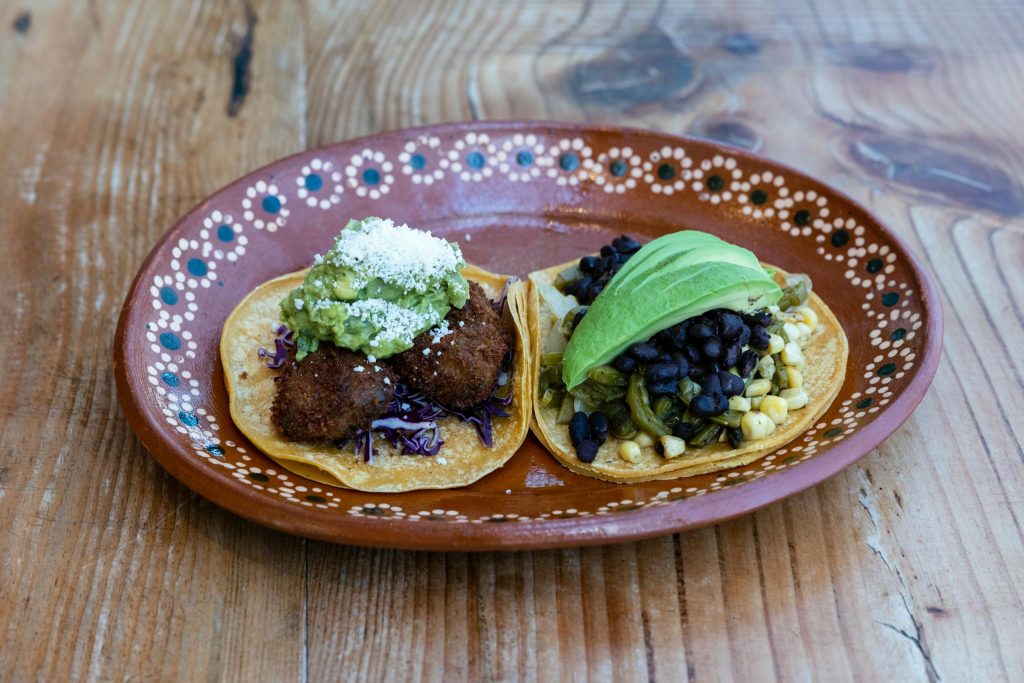
Culinary experts suggest a dump and eat method using canned black beans and corn mixed with pre packaged salsa to create black bean and corn tacos. Storing the mixture in a resealable bag allows for easy assembly onto corn tortillas. This recipe provides a complete protein source that tastes excellent at room temperature, making it a favorite for those arriving at a campsite after dark.
Wilderness guides often suggest adding pre sliced avocado for a dose of healthy fats. This meal is exceptionally filling and easy to scale up for larger groups. The use of canned goods ensures that the ingredients are shelf stable, providing a stress free dinner option that works equally well at a drive in site or a remote wilderness clearing.