9 Century-Old Inns Americans Can Still Stay In Today
A century old inn changes the tempo of travel. Keys feel heavier, staircases creak with memory, and breakfast arrives in rooms that have hosted strangers for generations. The best ones carry age in honest details, worn stone, old latch clicks, and window light that feels softer.
Across Europe, historic inns still take bookings as working places, not museums. Many began as priory guesthouses, merchant stops, or pilgrim shelters, then modernized quietly without losing their character. For Americans, the reward is closeness to history for one night, with thick walls, steady service, and mornings that begin slowly, before the crowds.
The Olde Bell
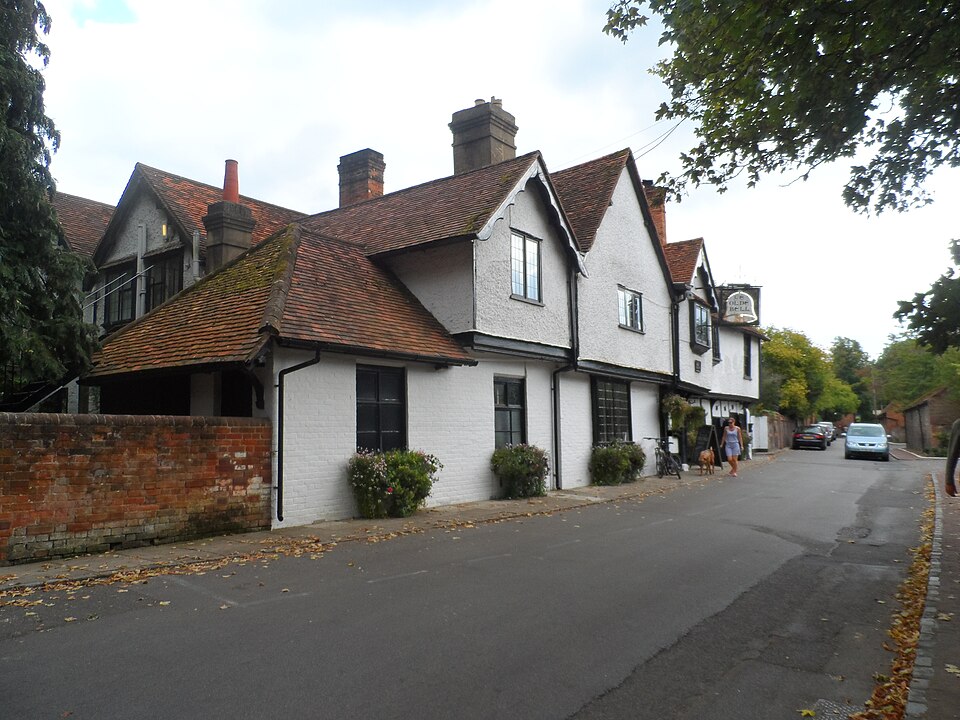
Commonly dated to 1135, this riverside inn started as a priory guesthouse beside the Thames, then evolved into a coaching stop for river country travelers. Low beams, worn thresholds, and a walled garden keep the place grounded, never showy, even on busy weekends.
American travelers often use it as a quiet base for Windsor, Henley, or a London day by train, then come back for a steady pub supper and an early night. The building reads as layered history, with snug rooms, odd angles, and courtyards that feel inherited rather than designed. A stay here often turns one night into two, and nobody regrets it after a river walk at dawn.
The Mermaid Inn
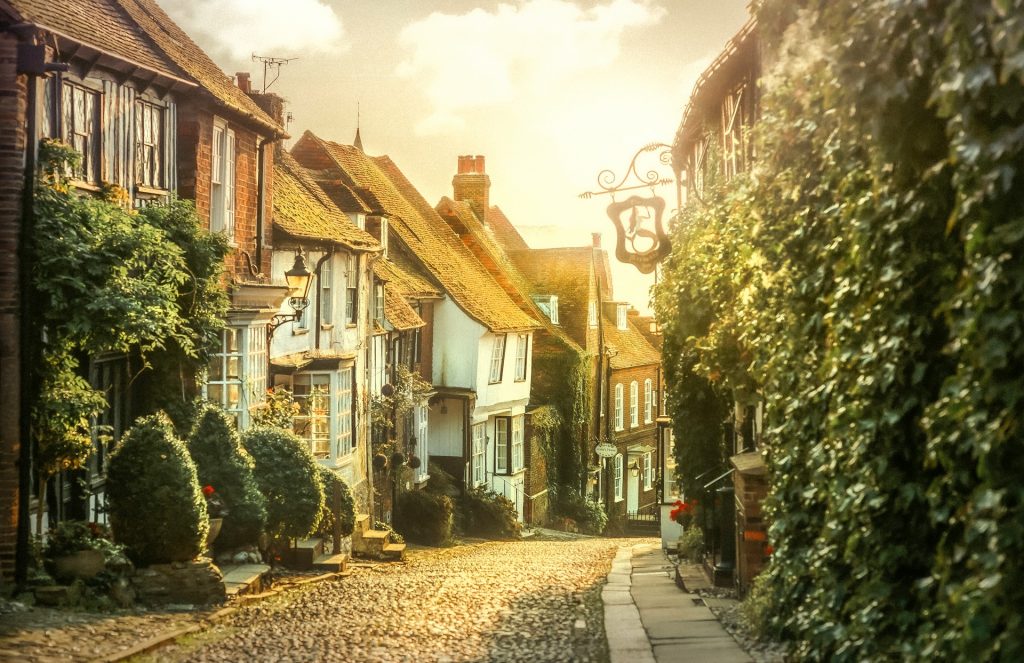
This Rye inn holds its age in the angles, with tight stairs, sloping ceilings, and thick timbers that hint at long survival. It is typically dated to the 15th century, with older undercroft spaces often linked to earlier medieval foundations and smuggling lore.
American guests often arrive for the cobbled lanes and sea air, then stay in because the mood deepens after dusk. With rooms that vary in shape and size, the experience feels personal, not standardized, and the bar and dining rooms make lingering part of the stay. A late drink by the fire can feel like the main event, not an add on, and the hush feels complete, too.
The Bear Hotel
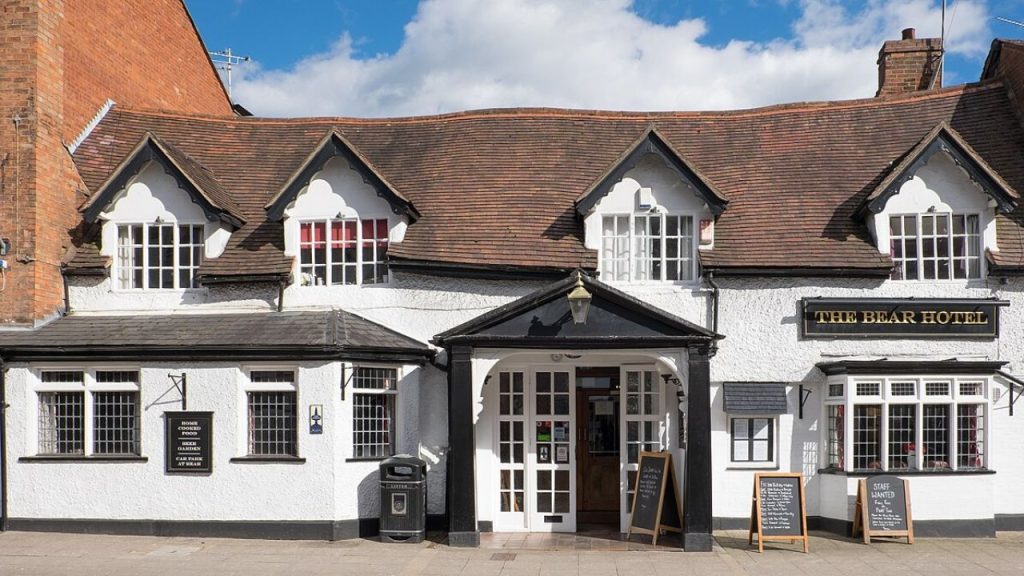
Tracing its story to the 13th century, this Woodstock coaching inn served travelers moving along old routes through Oxfordshire. Stone walls, oak beams, and fireplaces set a steady tone, and the location near Blenheim Palace makes history feel close without feeling staged or touristy.
Americans often choose it as a calmer alternative to sleeping in Oxford, with a small town that settles early and walks easily. Days fill with palace grounds and museum hours, then evenings return to a warm dining room where the pleasure is continuity, food, and rest. The next morning starts with birdsong, not traffic, and the pace holds well.
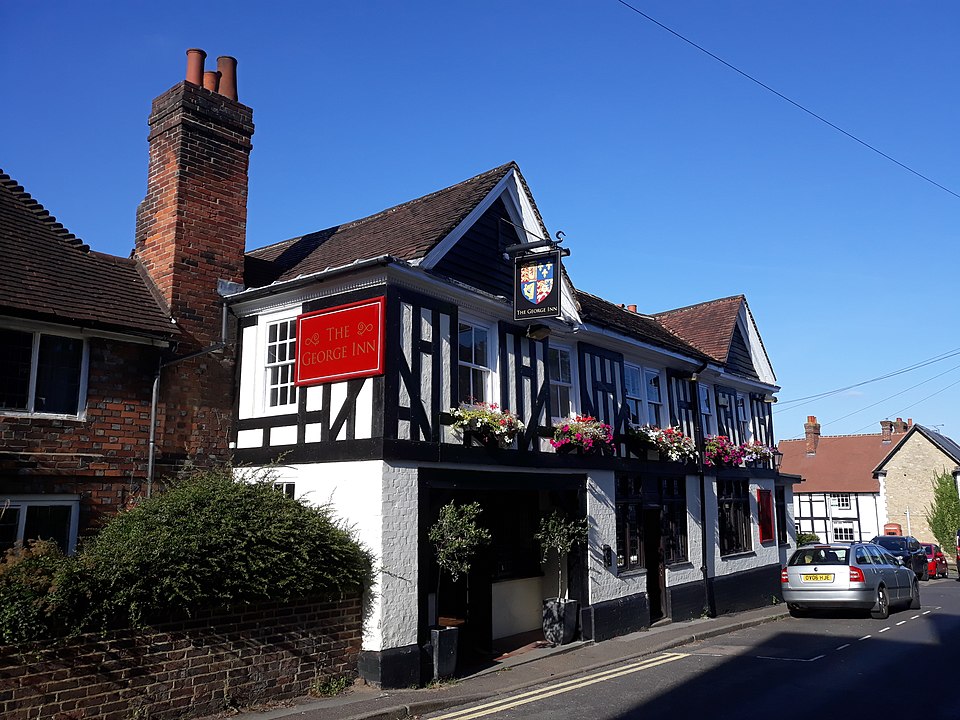
The George Inn
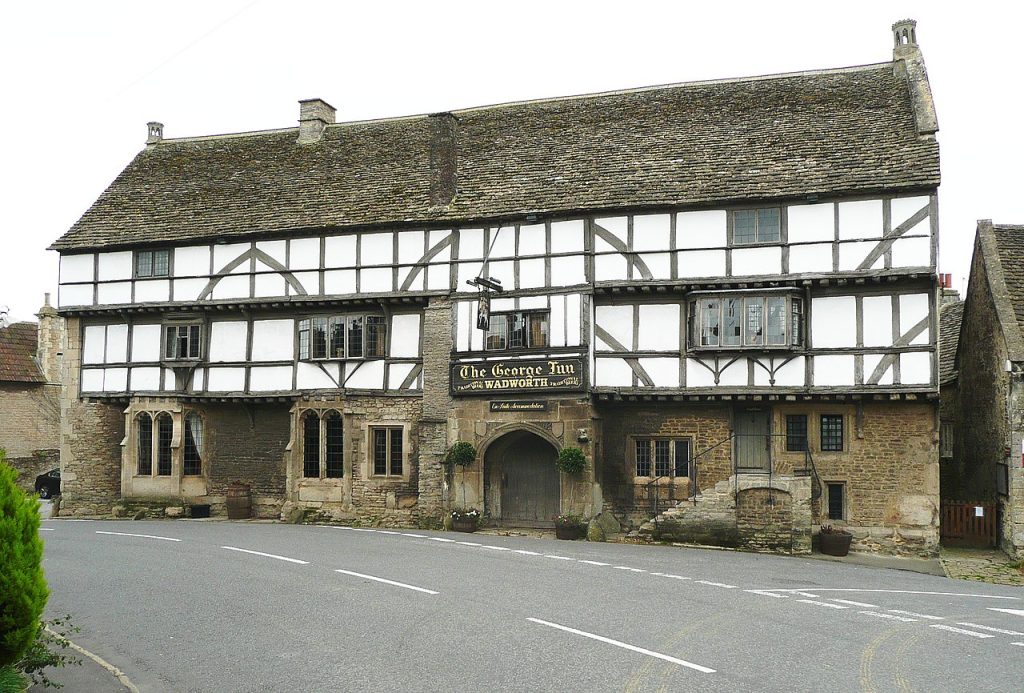
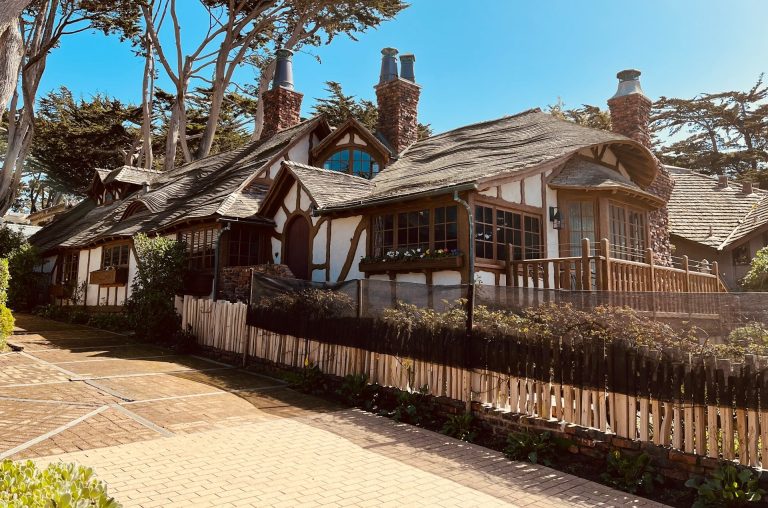
Typically dated to the 14th century, this Somerset inn is known for a timbered façade and a galleried courtyard that recalls coaching days. Its story is tied to local trade and later travel, when inns served as shelter, storehouse, courtroom, and meeting place.
Americans often base here to split time between Bath and quieter villages, trading crowds for stone lanes and night skies. The building’s age shows in thick walls and uneven lines, yet the comfort is current, so the stay feels like history that still earns its keep. A slow supper and a short walk outside can reset the trip, even in winter. Quiet settles fast here now.
Zum Roten Bären
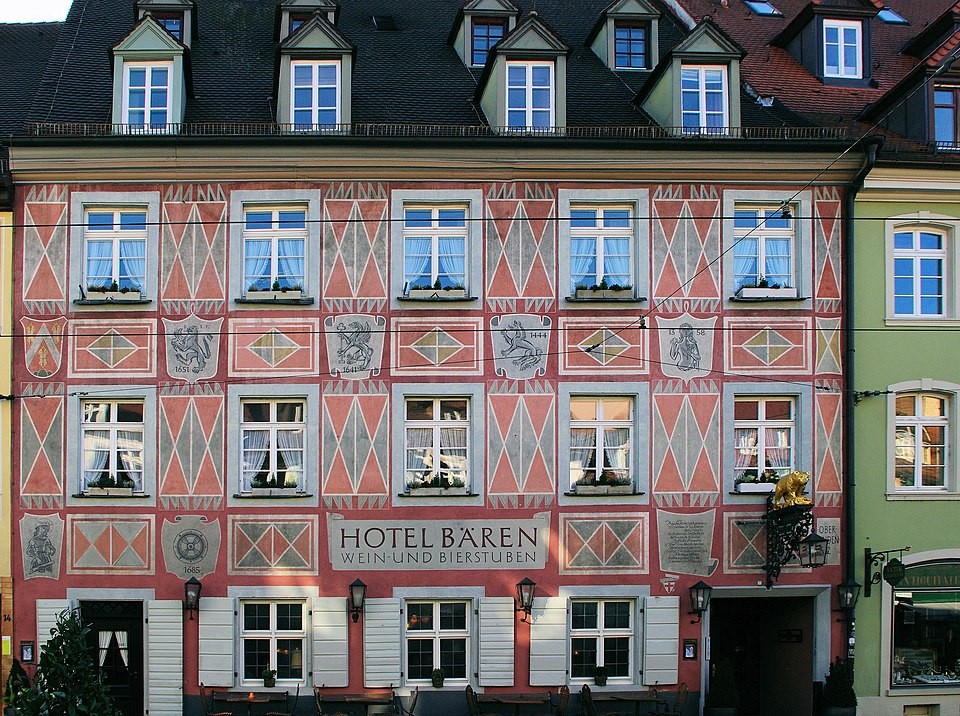
Often presented as Germany’s oldest hotel, this Freiburg inn is commonly linked to the 12th century, with foundations associated with the city’s early growth. Set near the old town, it feels stitched into everyday life, close to shops, tram stops, and the city’s small streamlets.
American travelers tend to arrive for Black Forest days, then lean into Freiburg’s walkable calm, regional cooking, and long evenings. Rooms are modern enough for real sleep, but the building carries continuity, like a door that has been opening for travelers for centuries. It suits travelers who want charm without theatrics, and who like mornings.
Goldener Adler
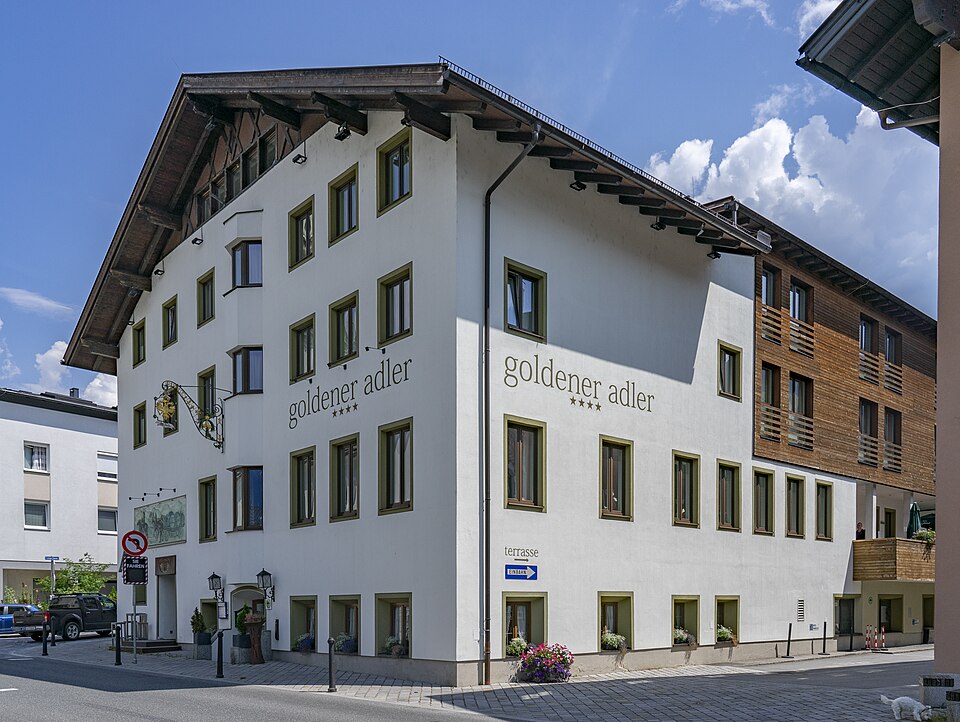
Commonly dated to 1390, this old town address sits where Alpine routes once funneled merchants and messengers between Italy and the German lands. The façade faces a historic square, and the interior balances traditional character with practical comfort and a sense of place.
Americans often use it as a Tyrol base, mixing mountain days with museums and evening walks under arcades. The appeal is clarity rather than spectacle: reliable heat, a solid bed, and the feeling that countless arrivals have stepped through the same doorway, carrying stories from the road. It makes the city feel immediate and human, even in peak season.
La Couronne
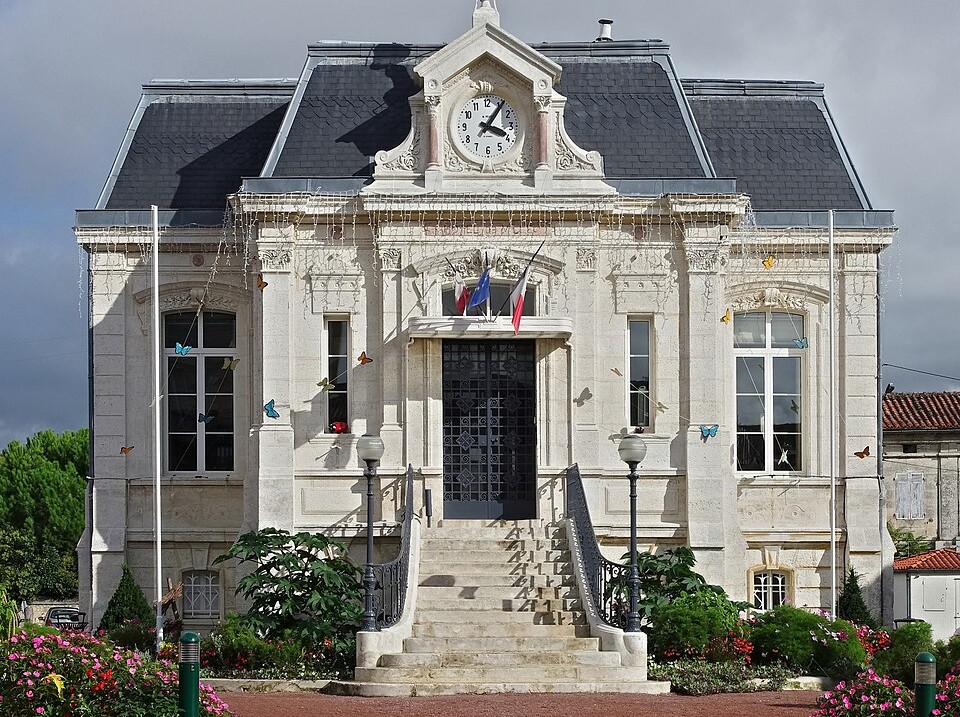
Recorded as an inn as far back as 1418, this Solothurn stay faces the cathedral in a baroque old town that stays calm even in summer. The building reads as quietly Swiss, orderly, warm, and confident, with care that shows up in small routines.
American guests often arrive by rail and use Solothurn as a restful pause between larger hubs. Days drift through river walks and stone streets, then end with an unhurried dinner and a short stroll back, where the pleasure is how easy the town feels at night. It is a reminder that stillness can be the luxury, especially after fast travel, and sleep comes easily, without fuss truly so.
Hostal dos Reis Católicos
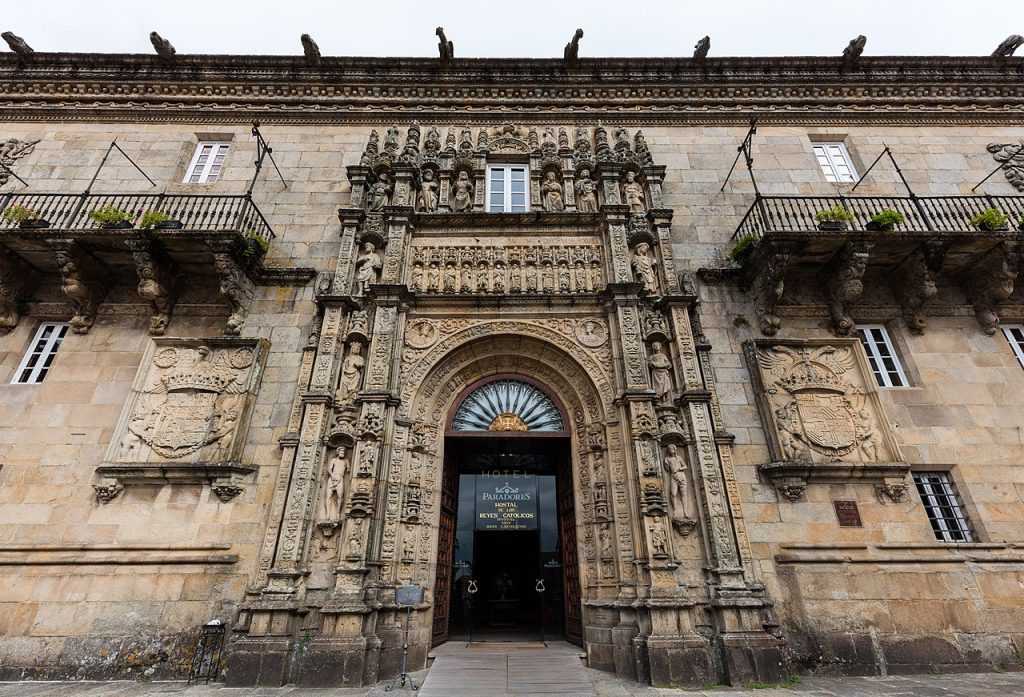
Beginning as a royal hospital and hostelry for pilgrims, this Santiago landmark was funded in 1499, with construction starting in the early 1500s. Cloisters, stone corridors, and a cathedral square setting give the place a solemn arrival-at-the-end feel, especially on rainy evenings, when stone feels alive.
Americans come for Camino stories or Galicia’s food culture, and many describe the stay as institutional rather than boutique. Modern rooms sit inside a building shaped by care and shelter, which makes luxury feel quieter. It is hospitality with a long memory, renewed each night by staff who treat arrival as sacred, not transactional.
Hôtel de la Cité
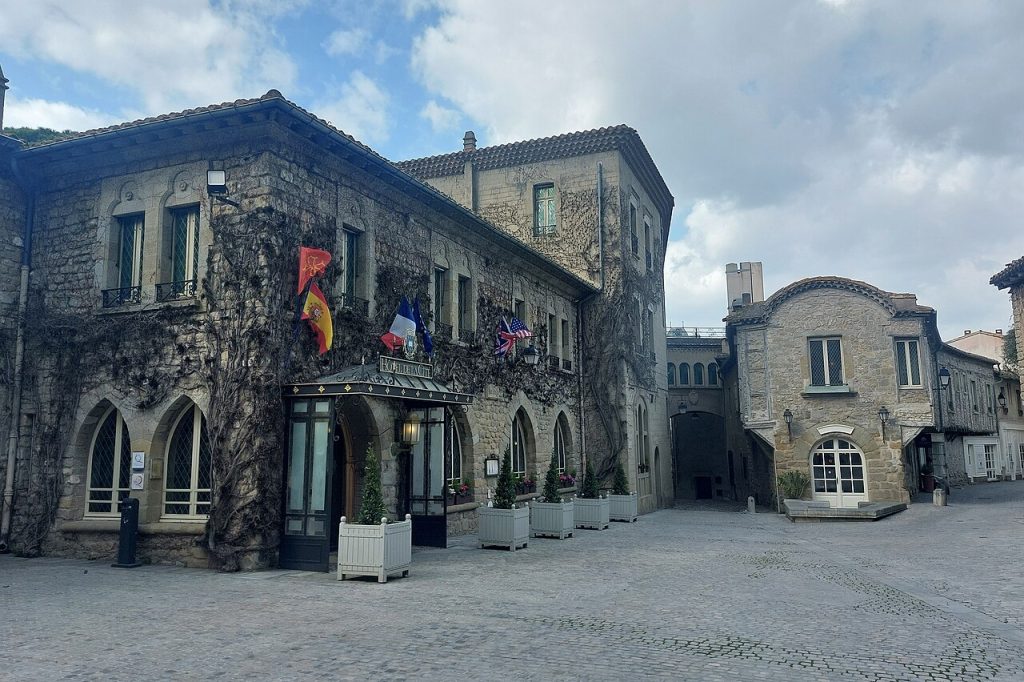
Opened in 1909 within the medieval ramparts, this Carcassonne hotel gives guests a rare overnight rhythm inside the fortified skyline. Its style reflects early 20th century taste, but the setting is pure stone and battlements, especially when day visitors thin out and the lanes turn hushed.
Americans often book it to experience the citadel after dusk, when lantern light and echoing steps change the mood. Gardens and sheltered corners soften the bustle, and the hotel’s century-plus history feels like a bridge between the Belle Époque and much older walls outside. In the morning, the ramparts belong to locals and guests again.