9 Christmas Foods That Confuse First-Time Visitors
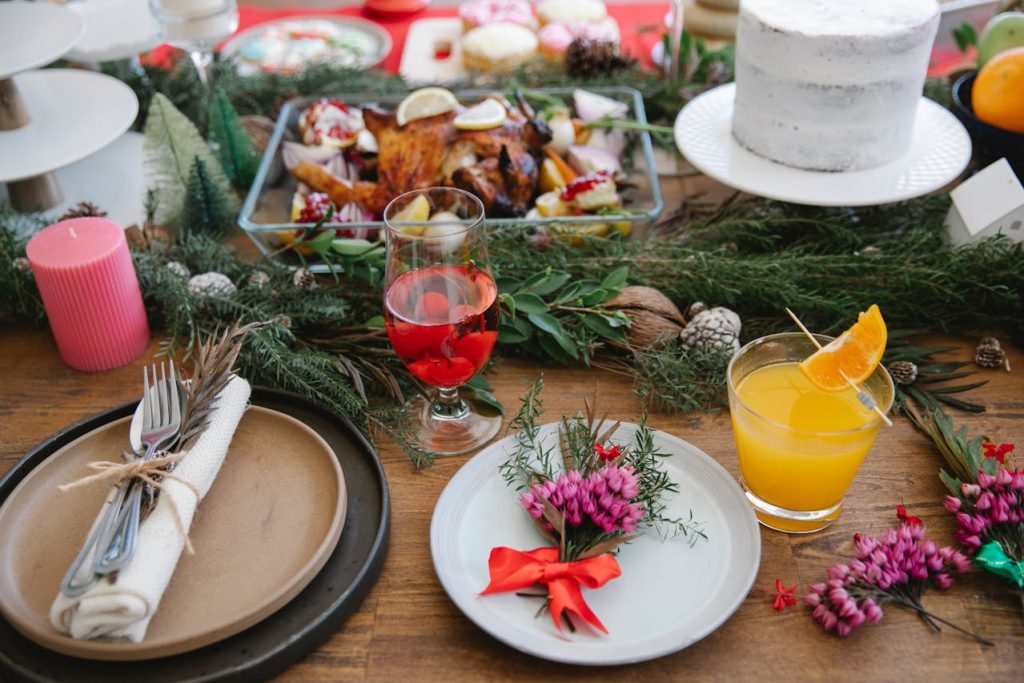
Christmas tables can surprise even seasoned travelers. Holiday food is never just fuel; it is memory, regional pride, and family habit served with a sense of occasion. In unfamiliar places, the season can taste completely different, with sweet dishes that sound savory, fish prepared in unexpected ways, and fast food treated like a centerpiece. The confusion is usually part of the welcome, a reminder that traditions are local, not universal. These Christmas staples often pause first-time visitors mid-bite, then win them over once the story behind the plate comes through.
Mince Pies That Contain No Meat
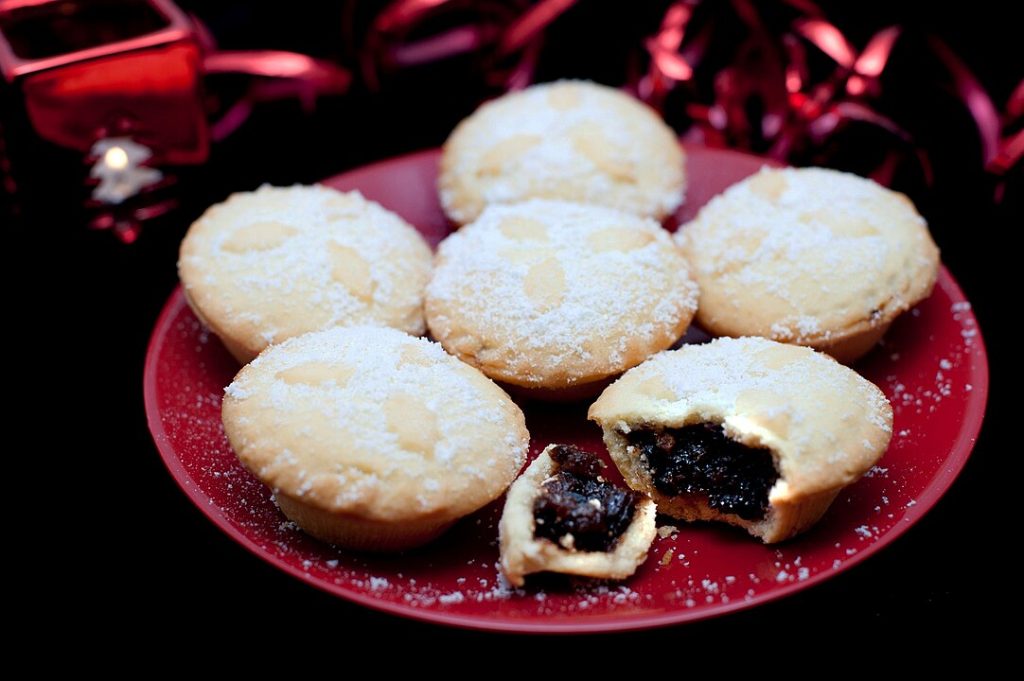
British mince pies confuse newcomers because the name hints at savory filling, yet modern versions are sweet: chopped dried fruit, citrus peel, and warming spice, sometimes enriched with suet for an old-fashioned richness. Served warm, the center tastes like spiced jam tucked into flaky pastry, closer to mulled wine than to anything paired with gravy. They appear everywhere in December, offered with tea after errands or meetings, so the meaning lands quickly. The pie is not a prank. It is a small, reliable bite that carries Christmas in its scent as much as its taste. Once that clicks, the name stops mattering.
Finland’s Rice Porridge With a Hidden Almond
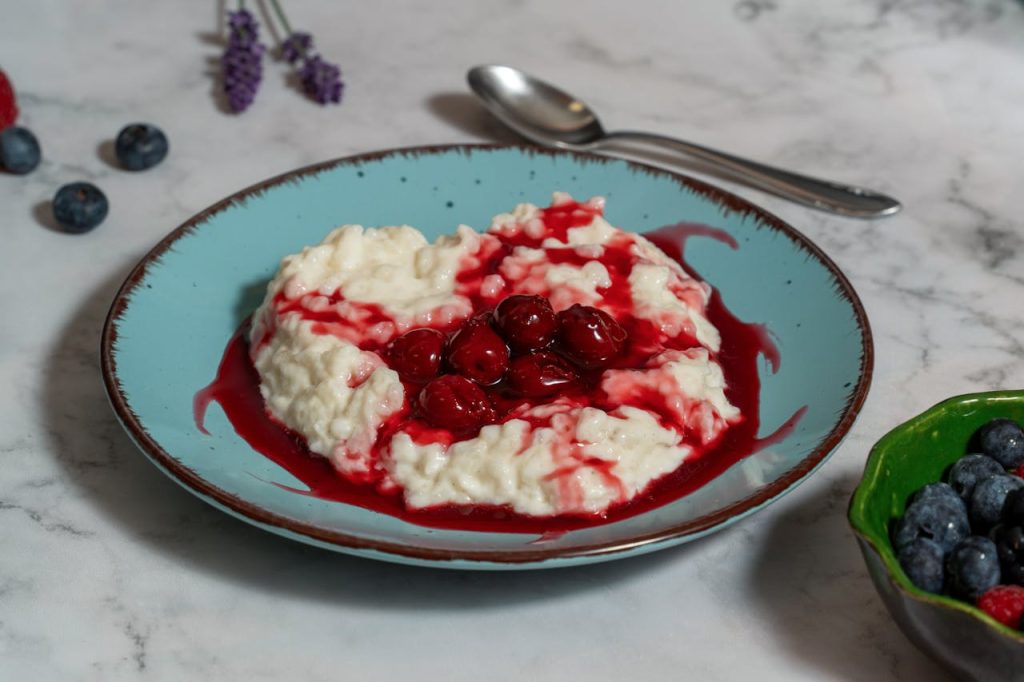
Finnish Christmas rice porridge can look almost plain at first glance, a quiet bowl of creamy grains dusted with cinnamon, often eaten on Christmas Eve before the bigger meal. Then the tradition reveals itself: one almond is hidden inside, turning dessert into a gentle game and slowing everyone down as spoons search carefully. The finder is often said to get good luck, and families tease each other as they chew cautiously. It can surprise anyone expecting a flashy sweet, yet the charm is the calm. The porridge warms hands, softens the room, and makes the night feel shared rather than staged. It settles the evening.
Japan’s Strawberry Shortcake Christmas Cake
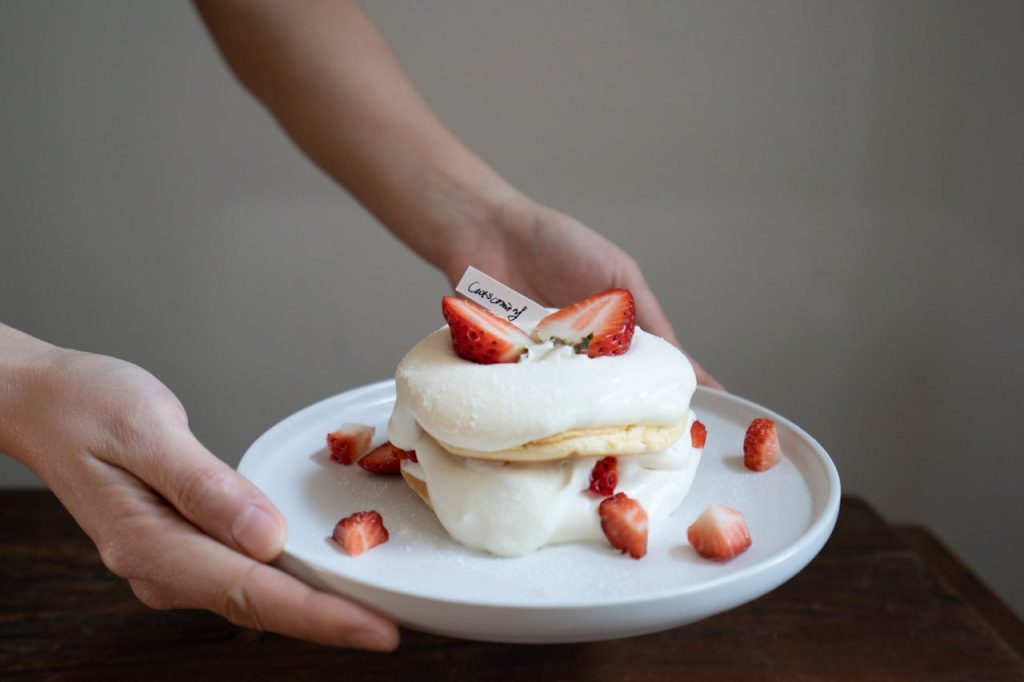
Japan’s Christmas cake can puzzle first-time visitors because it is light sponge layered with whipped cream and strawberries, more airy than the dense fruitcake many outsiders expect. It looks like a gift: clean white frosting, bright fruit, and tidy slices lined up in bakery windows and department store counters all through December. The flavor is gentle, not boozy or heavy, and that softness fits a holiday that is often more social than religious. One slice signals celebration without weighing the table down. It is Christmas translated into something light, pretty, and easy to share. It feels almost polite.
Japan’s Christmas Fried Chicken From KFC
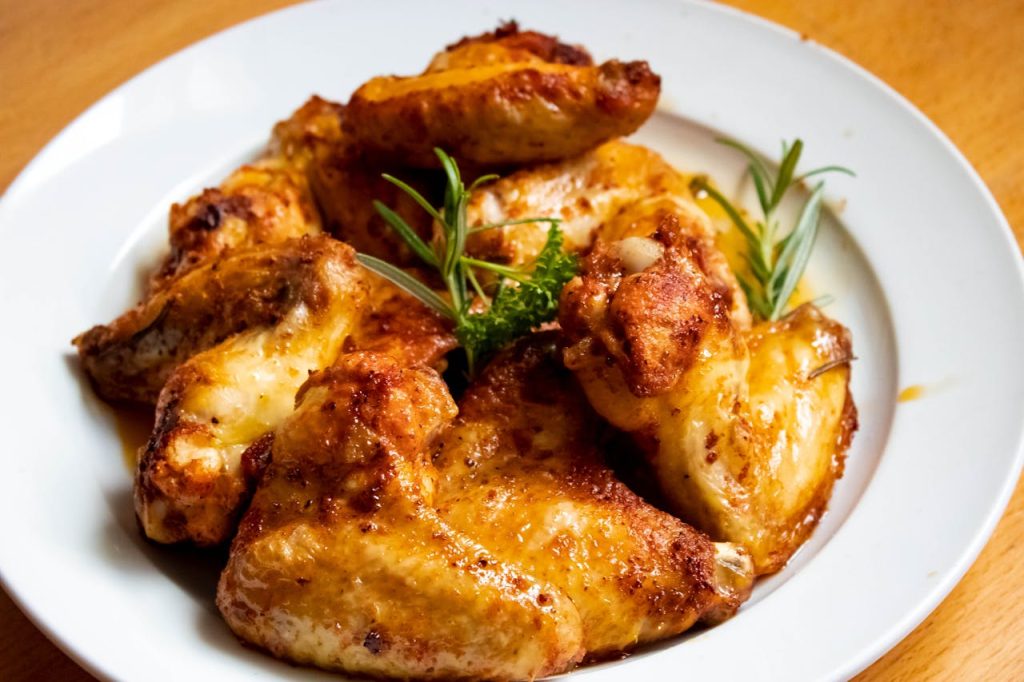
In Japan, Christmas dinner can mean fried chicken ordered ahead, which surprises visitors who expect roast turkey to anchor the table. The custom grew after a KFC campaign in the 1970s and turned into a real ritual, complete with reserved pickup times and long lines outside stores in December. Families treat the meal like an event: party sets, sides, and packaging arranged with the care of a celebration. It makes more sense once Christmas is understood as a modern, cheerful night out. Chicken is easy to share, easy to photograph, and easy to make feel special when the rest of the city is glowing.
Norway’s Lutefisk With Its Jelly-Like Texture
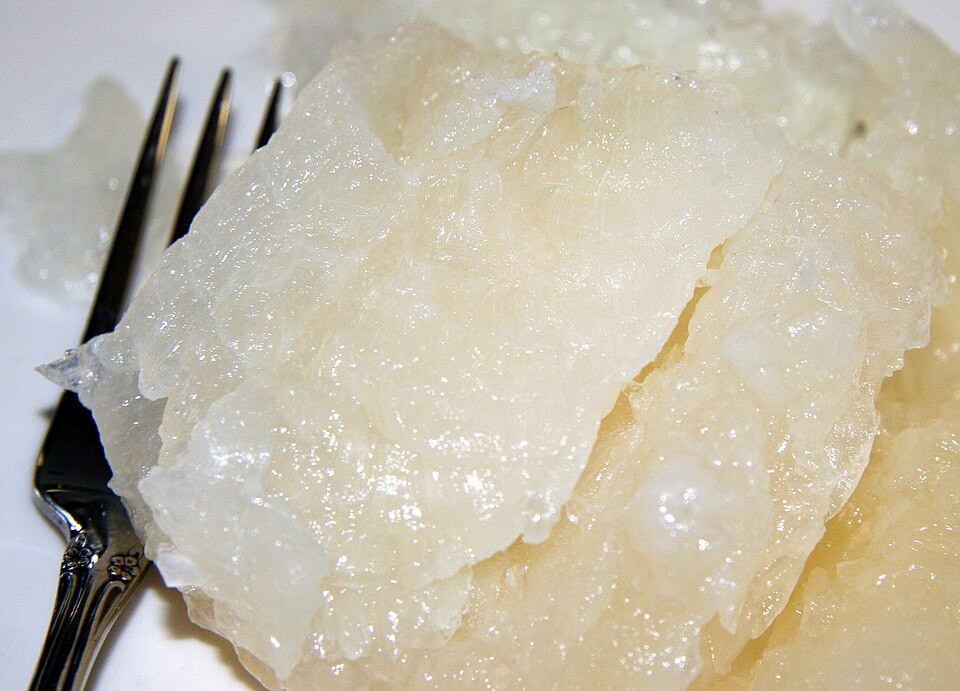
Lutefisk can stop newcomers mid-bite because it arrives glossy and very soft, a preserved whitefish prepared through soaking that creates an unfamiliar texture. The flavor is usually mild, so the plate leans on companions like potatoes, peas, butter, and sometimes bacon or white sauce to build comfort and balance. The first reaction is often about texture, not taste, and hosts tend to explain it with a smile. Once the history clicks, winter preservation and coastal life, the dish feels less strange. It is a Christmas marker because it carries the past to the present, one careful forkful at a time.
Mexico’s Romeritos in Mole With Shrimp
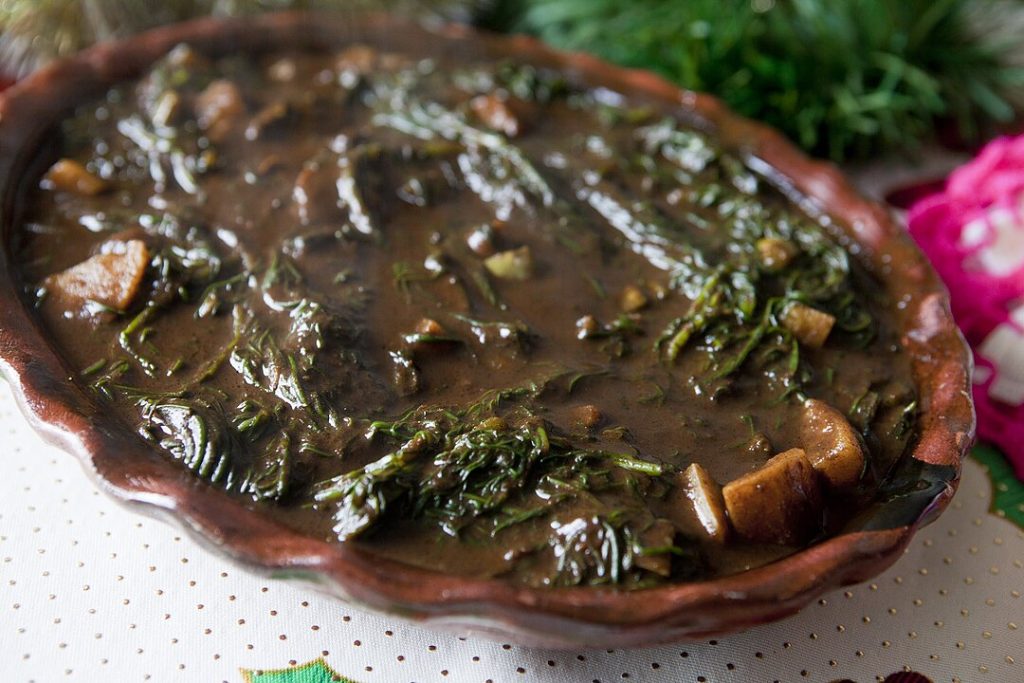
Romeritos confuse first-time visitors because the star is not meat, but tender greens that resemble rosemary without tasting like it, served at Christmas in parts of central Mexico. The sprigs are cooked and folded into mole with potatoes, nopales, and dried shrimp, creating a dish that looks like a riddle until the flavors land. Earthy chile sauce, a gentle briny note, and soft vegetables combine into something both festive and practical. It is also a texture story: greens that hold their bite in a rich sauce. Once the plate is understood, it reads as comfort food with holiday seriousness, not an odd side dish.
Italian-American Feast of the Seven Fishes
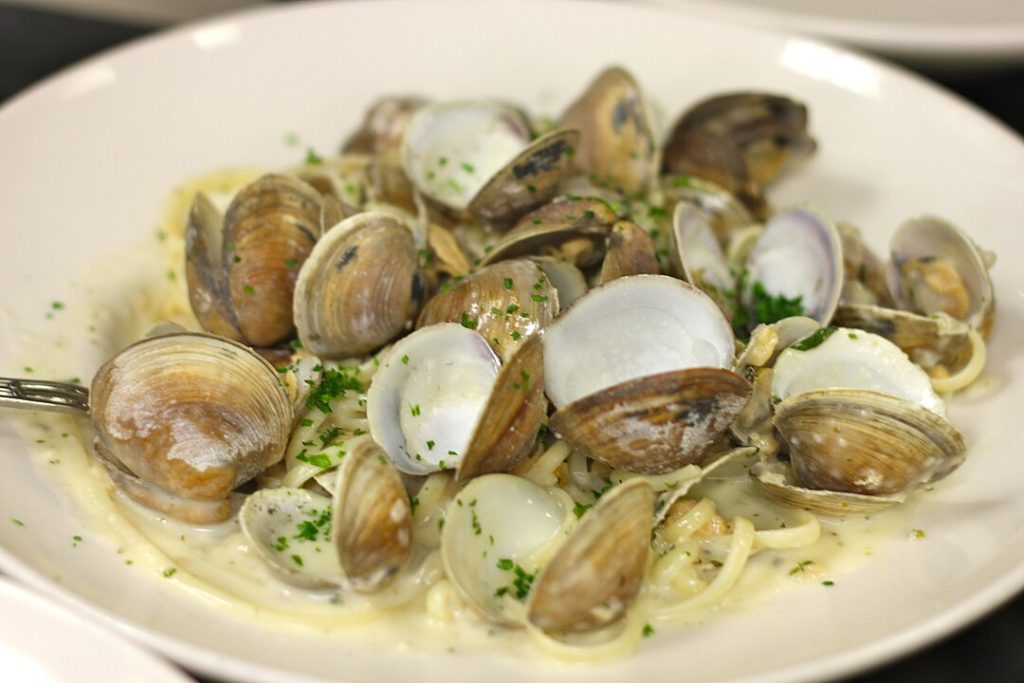
The Feast of the Seven Fishes can confuse visitors because it is not one dish, but a rhythm of seafood served on Christmas Eve in many Italian-American homes. It reflects Catholic abstinence from meat on the vigil, yet the experience is pure abundance: fried fish, baked clams, pasta with anchovies, stewed squid, and family favorites that shift by region and household. Outsiders may expect a single entrée and find hours of courses, stories, and opinions about what counts toward the number. The point is not strict math. It is the slow build of a night where the kitchen stays busy, plates keep arriving, and tradition feels like conversation on a plate.
Australia’s Christmas Pavlova in Summer Heat
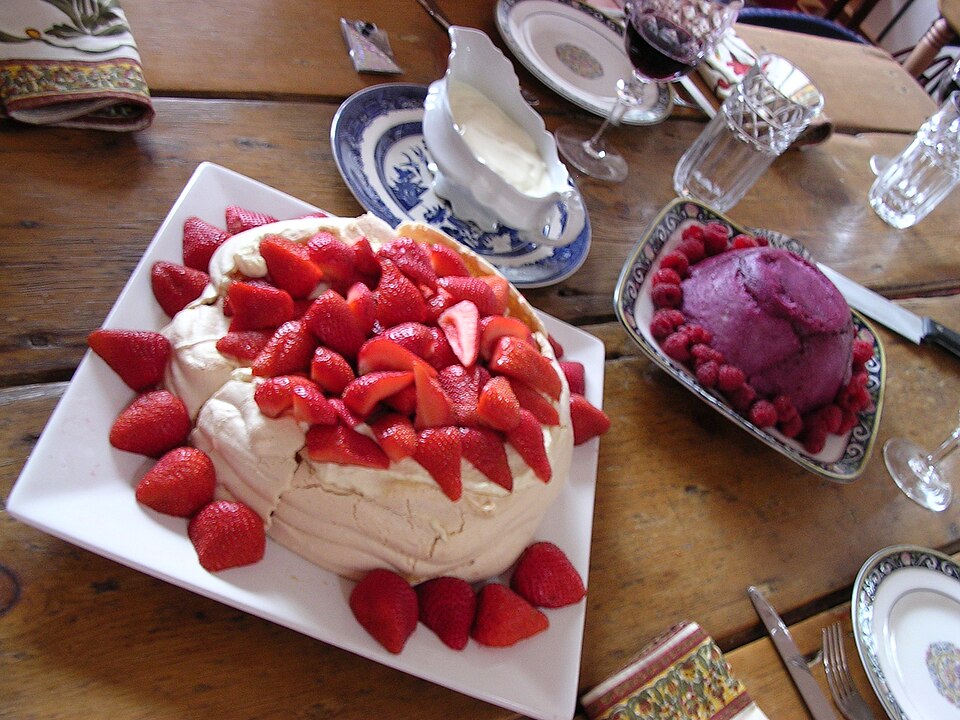
Pavlova at Christmas surprises visitors who associate the holiday with cold weather and heavy desserts, because in Australia the season lands in summer. The logic arrives with the first slice: a crisp meringue shell with a soft center, topped with cream and bright fruit that feels cooling after a hot day. Served after a barbecue or seafood lunch, it keeps the table light and social, inviting seconds without fatigue. The crackle of the meringue even becomes part of the fun, a shared sound at the end of the meal. In a warm December, pavlova explains the season better than any snowy cake ever could.
Filipino Sweet Macaroni Salad With Fruit and Condensed Milk
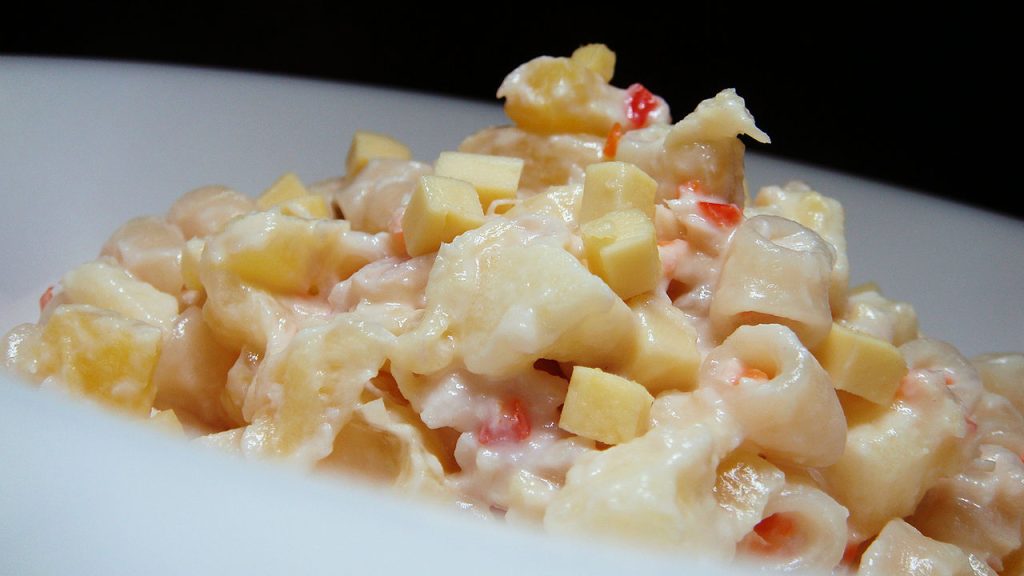
Filipino sweet macaroni salad confuses newcomers because macaroni salad usually signals savory food, yet this holiday version leans dessert: pasta mixed with fruit, mayonnaise, condensed milk, and sometimes cheese. Served cold, it tastes creamy, sweet, and faintly tropical, and it holds up well on a buffet table. The combination sounds odd until the first spoonful, when the texture clicks and the sweetness feels intentional. It appears at Christmas because it feeds a crowd, travels easily, and sparks nostalgia. By the end of the night, it is often the dish people talk about most, because it breaks expectations and still feels festive.