9 Cities Where Locals Reclaim Public Spaces
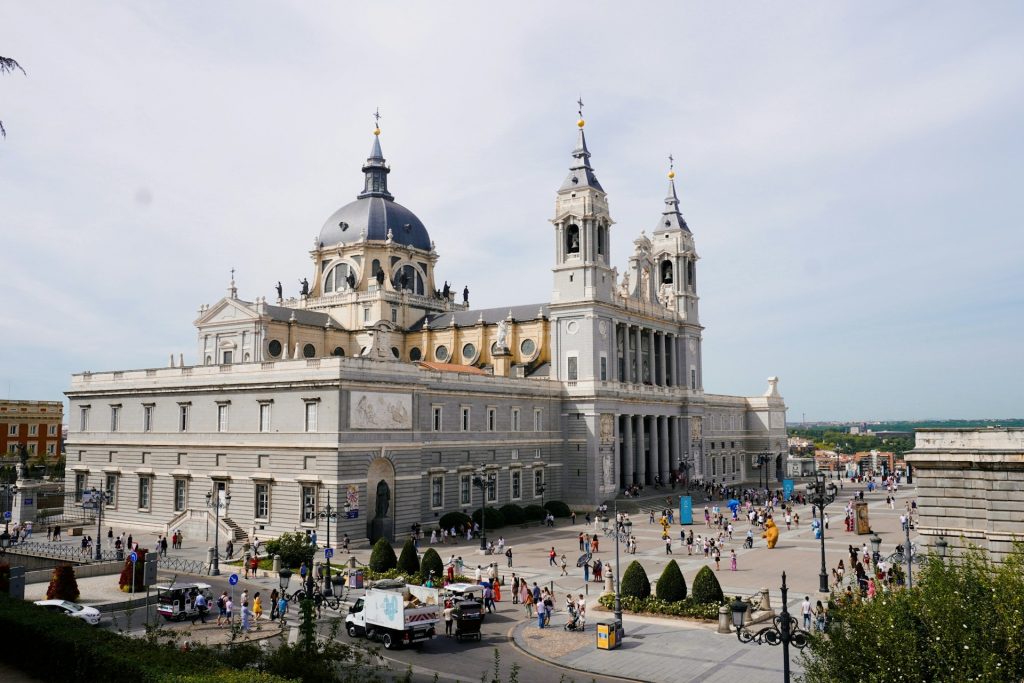
Public space is where a city shows its priorities. When residents reclaim streets, riverbanks, and plazas, the change is not just visual; it reshapes the daily rhythm. Cars slow down, benches fill, and small rituals return: a weekend stroll, a pickup soccer game, a dance class in the open air, or a long bike ride with no rush. The best examples do not feel like special events. They feel like permission repeated often enough that people plan around it, and the city starts to breathe.
Bogotá, Colombia
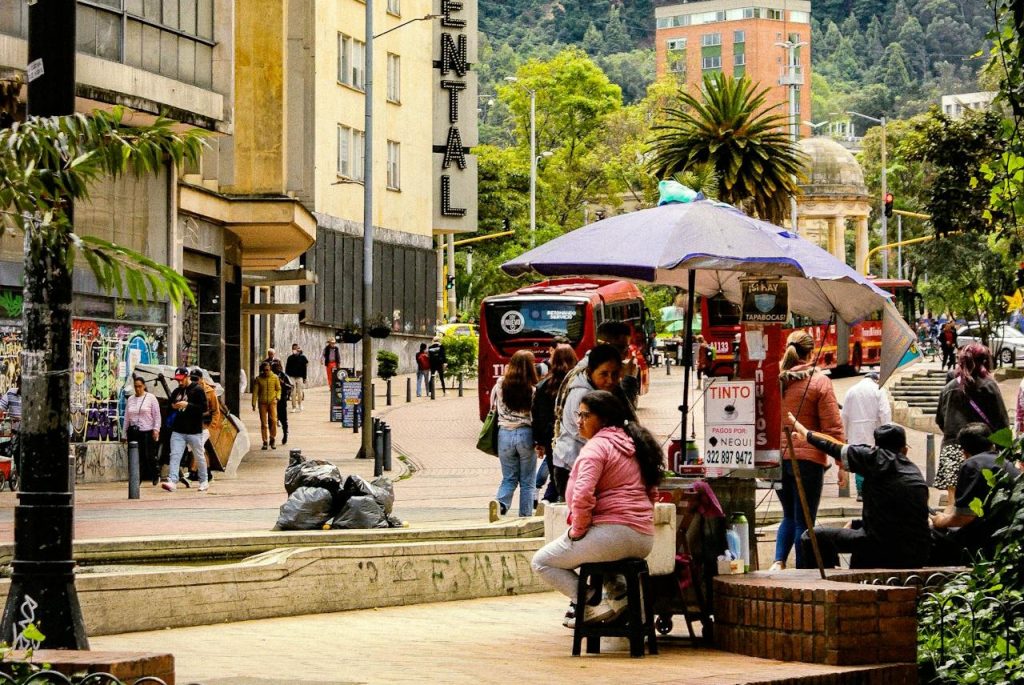
Bogotá turns public space into a weekly habit through Ciclovía, when long stretches of road close to cars and open to people for hours. Cyclists, runners, skaters, and families flow across neighborhoods as if the city has become one long park, and the route invites casual detours for fruit stands, music, and quick fitness classes near intersections. The energy is friendly, not performative, and the scale makes it feel democratic: newcomers and regulars share the same lane. When it ends, traffic returns, but the memory lingers, and the idea that streets can belong to people stays believable.
Mexico City, Mexico
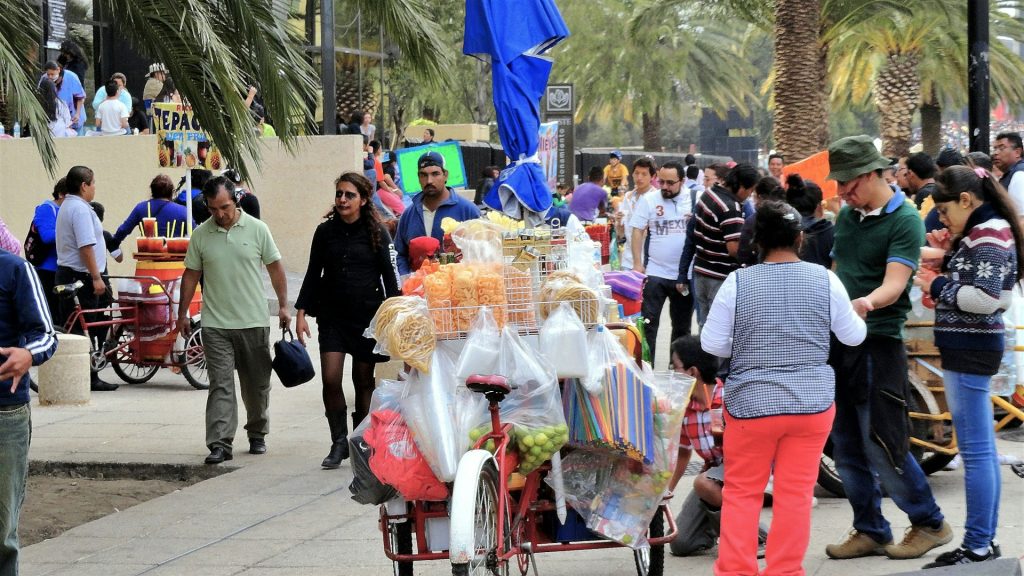
Mexico City’s Paseo de la Reforma shows a different personality when cars step back and residents take over the boulevard. Bikes, strollers, and dogs move between monuments, parks, and museums without the usual roar, and the median lawns turn into meeting points where friends talk and kids play. Vendors sell fruit cups and aguas frescas, musicians appear near roundabouts, and the day can stay simple, a short loop or a long drift. The real win is the feeling of ease in a huge city: lots of entry points, plenty of space to pause, and a shared understanding that the street is a place to spend time, not just pass through.
Barcelona, Spain
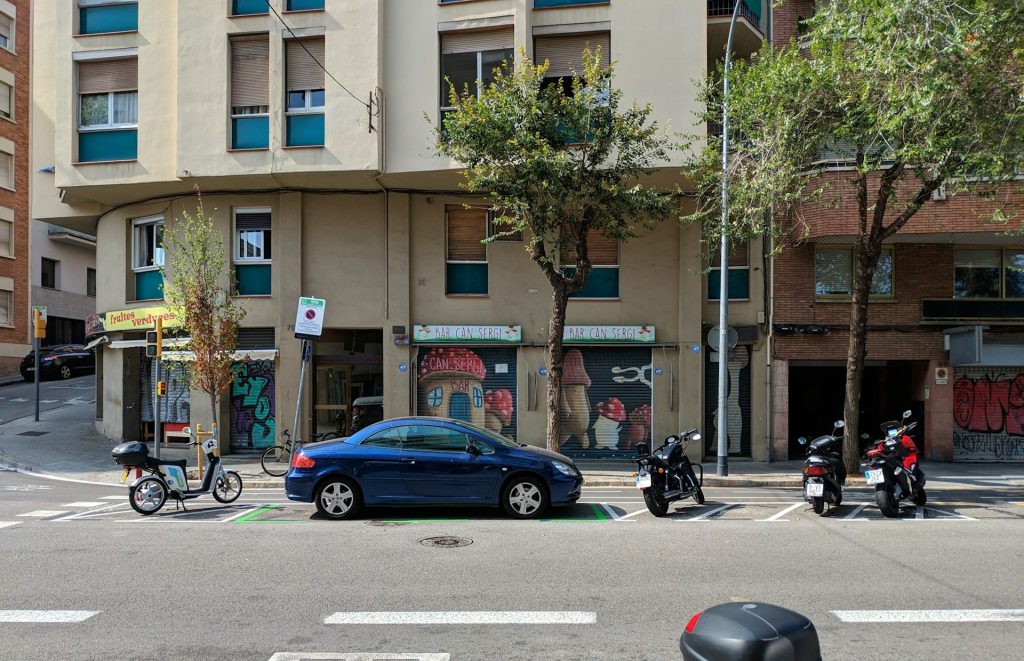
Barcelona’s reclaimed-space story feels strongest on ordinary blocks, where calmer streets give corners back to residents. Superblocks reduce through-traffic and make room for benches, play areas, and café tables, and the change is audible as much as visible, with less engine noise and more conversation. Kids move more freely within sight of home, older neighbors linger outside longer, and errands feel less stressful because crossing a street stops feeling like a negotiation. Instead of relying on one grand plaza, the city creates many small ones, stitched into daily life. That repetition is why the shift sticks and feels normal.
Paris, France
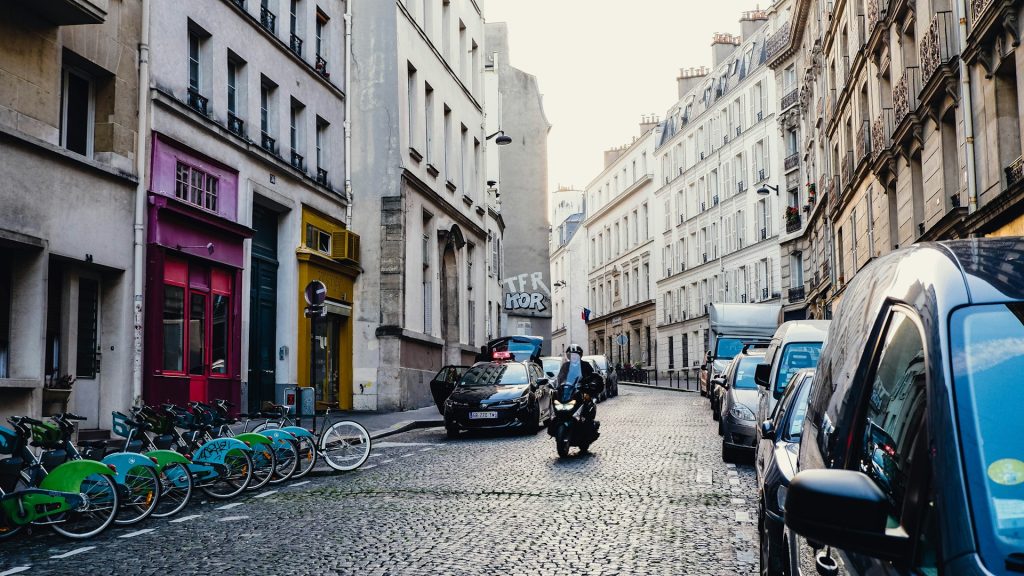
Paris proves that a riverfront can matter more as a place to live than a shortcut for cars. Along parts of the Seine, former traffic lanes now hold walkers, joggers, picnics, and small pop-ups with chairs and games, and the whole stretch reads like a long, relaxed promenade. Bridges become natural meeting spots, and the view feels usable, not distant, even on gray afternoons. Locals treat the quays as an after-work park, arriving with sandwiches, a paperback, or a coffee to-go, then staying longer because there is room to sit. The city’s beauty becomes a daily background instead of a special occasion.
Seoul, South Korea
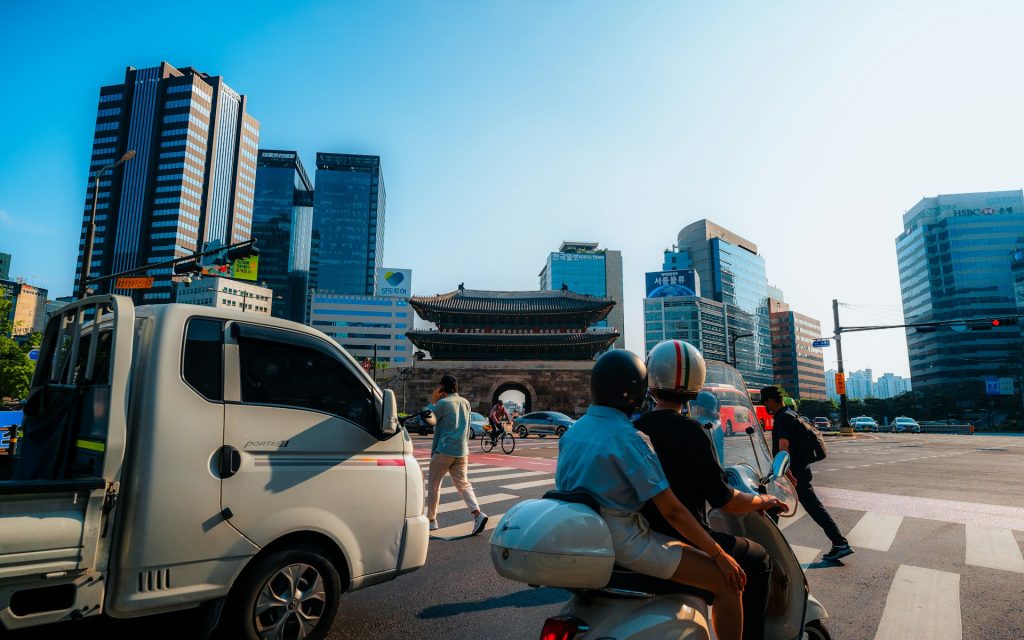
Seoul’s Cheonggyecheon shows how a reclaimed corridor can cool a dense center and change how people move through it. The stream-side path feels sheltered from the traffic above, with steady shade, softer noise, and a pace that invites wandering rather than rushing. Office workers eat lunch by the water, families follow stepping stones, and evening lighting turns the channel into a calm ribbon through busy neighborhoods. Festivals use the banks without making the space feel fenced off, and the result is a rare kind of breathing room in the middle of the city. It proves that restoring nature can also restore patience and public comfort.
Madrid, Spain
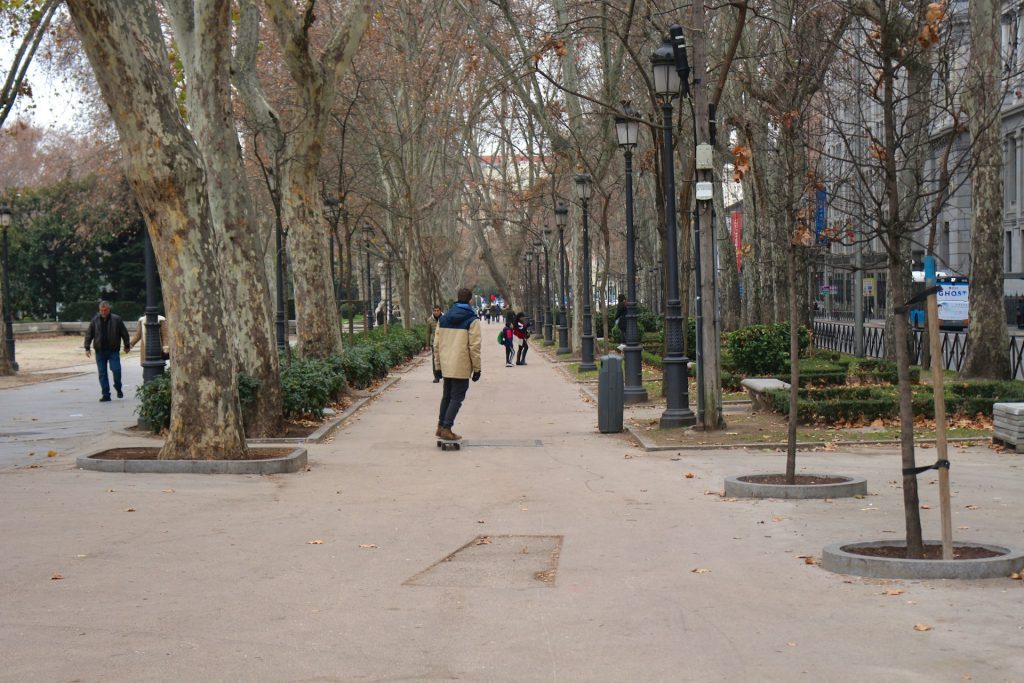
Madrid Río reshaped the city’s relationship with the Manzanares by turning the river edge into a long, connected hangout. Paths, playgrounds, and open lawns stretch for miles, so cyclists glide past picnic tables, runners share space with families, and sunset pulls walkers out for an unhurried loop. Different ages find their own corners, skate spots, shaded benches, fountains, and quiet patches of grass where conversations last. The length matters, because it supports both quick visits and real walks that feel satisfying. The river stops being an edge and becomes a place to meet, move, and spend time without an agenda.
Copenhagen, Denmark
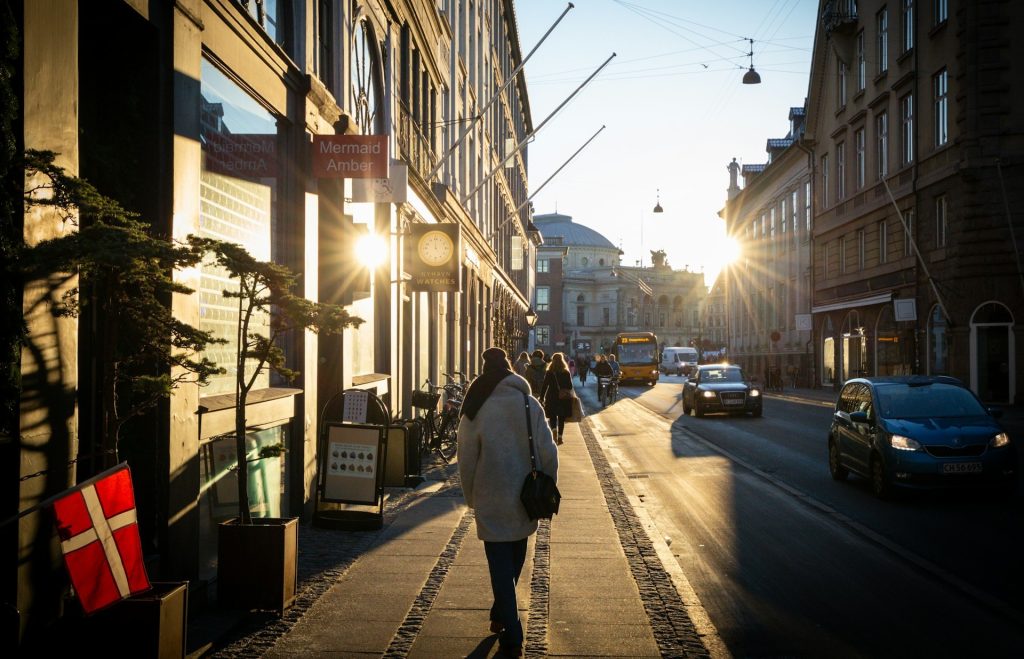
Copenhagen makes public space feel practical, not precious, and that everyday quality is what keeps it full. Bike lanes and calm intersections let people move easily, then stop easily, without feeling in the way, even near busy streets. Along the harbor, steps, paths, and swimming areas fill with picnickers, swimmers, and people watching the light shift on the water as boats pass. In winter, the same priorities show up in well-lit squares and walkable streets that still feel welcoming after dark. The city is built for living first, commuting second, and that choice shows up in the relaxed way residents occupy space year-round.
New York City, New York
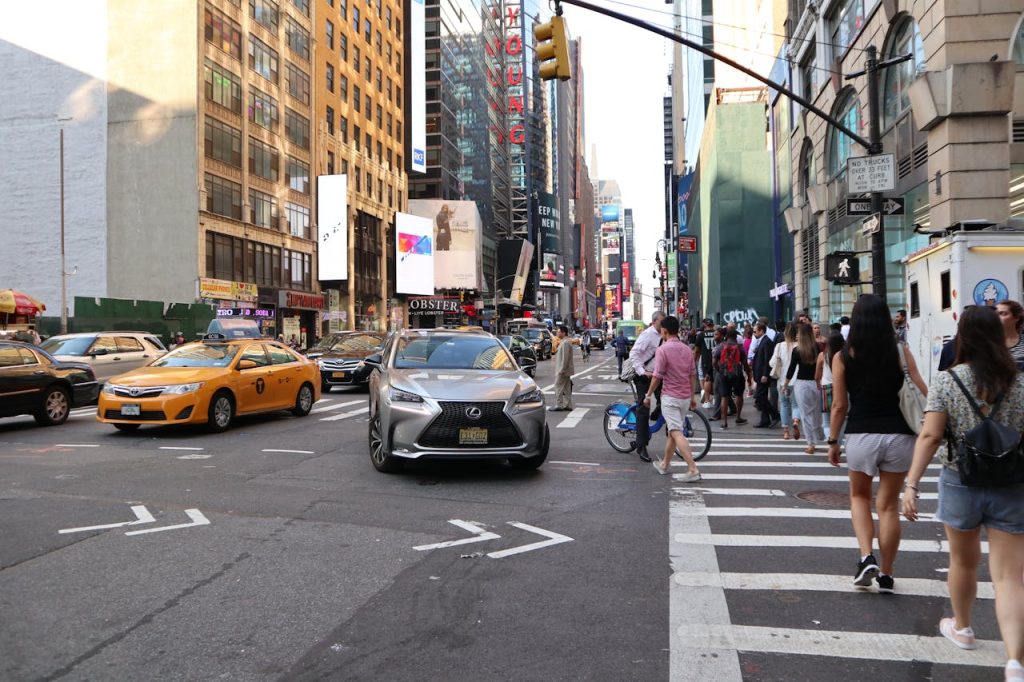
New York City feels different when certain streets stop acting like shortcuts and start acting like places. Pedestrian plazas and open-street blocks invite chess tables, dance crews, kids on scooters, and office workers eating lunch outside without the constant edge of traffic. The best moments are small: a bench angled toward the skyline, a musician in the afternoon, a pop-up library cart, or a food stand that turns a corner into a gathering point. The city stays busy, but it feels less crowded when people can spread out and pause. When asphalt becomes a room, neighborhoods regain a sense of calm without losing their energy.
Melbourne, Australia
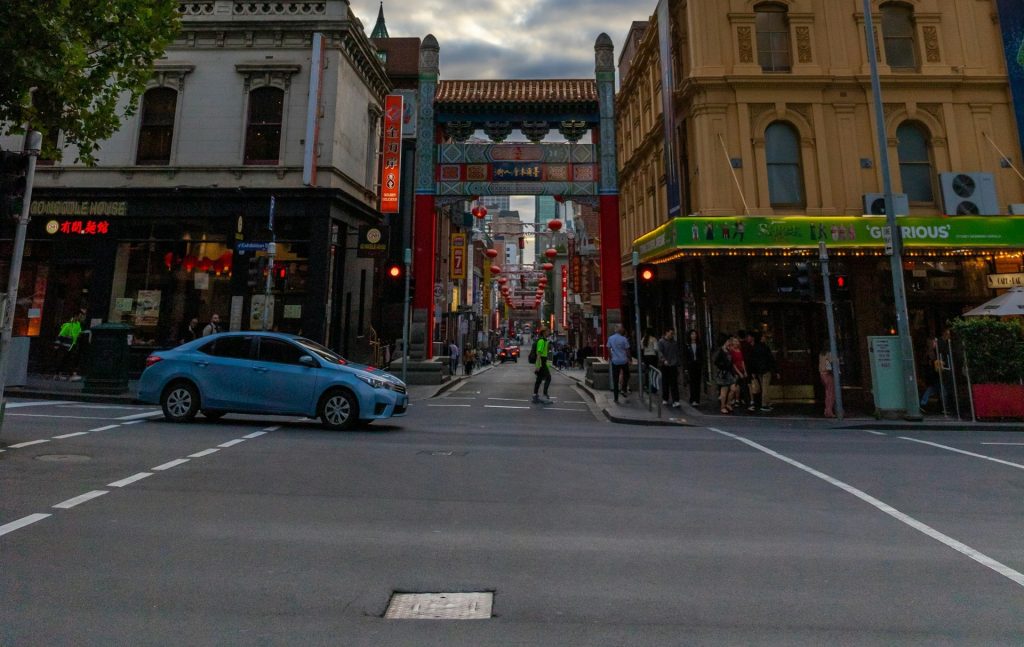
Melbourne reclaims public space through laneways and small precincts that turn shortcuts into destinations. Narrow alleys fill with coffee lines, street art, tiny stages, and outdoor dining that makes the sidewalk feel like a shared table rather than a corridor. Pop-up markets and evening events pull people back into the center after work, and the atmosphere stays relaxed because the spaces are human-scaled and easy to wander. It is not one grand square doing all the work, but many small places repeated across the city, each offering a reason to slow down. Over time, residents reclaim the center simply by showing up and lingering.