9 Cities Where Seasonal Travel Prices Drop Without Warning
Travel prices do not always fall with logic or notice. A conference ends, a weather pattern shifts, or a holiday window quietly closes, and rates soften almost overnight. The city stays the same, but the numbers change fast. These moments often slip past anyone not watching closely, yet they can turn normally expensive places into realistic plans. In these cities, seasonal gaps create brief stretches when flights and hotels dip without ceremony, rewarding flexible timing rather than long-term planning.
Reykjavik, Iceland
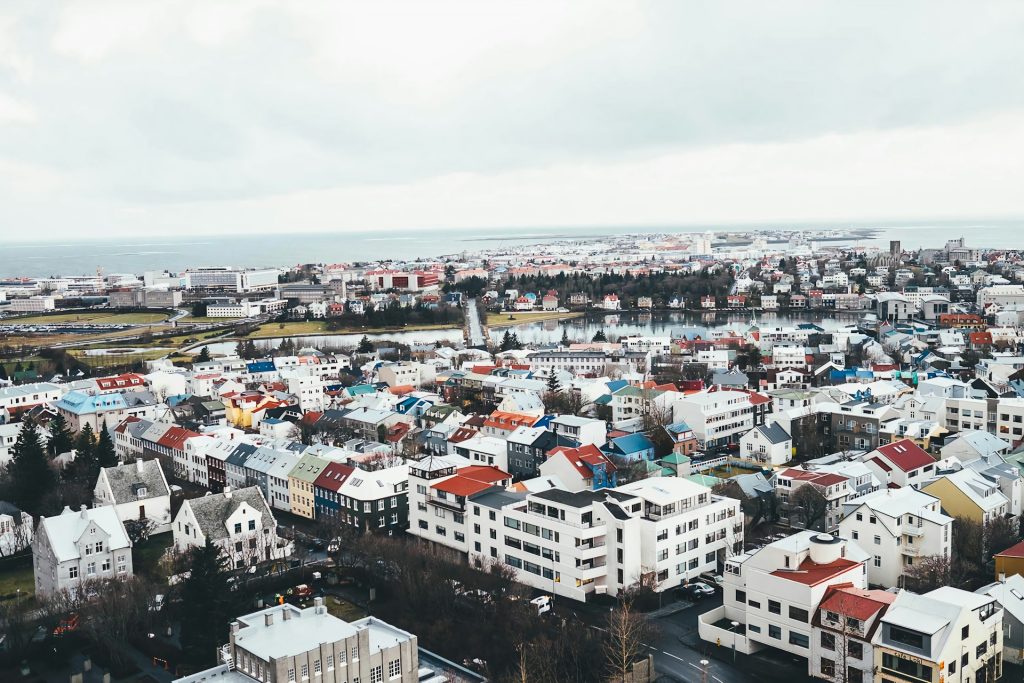
Reykjavik often sees sharp price drops in late fall and deep winter, when daylight shortens and casual demand pulls back. Flights and hotels can soften suddenly once holiday travel passes, even though the city remains active and welcoming. Hot pools still steam, music venues still fill, and cafés glow late into the night, making the lower prices feel like a quiet mismatch. Streets around the harbor and Hallgrímskirkja grow calmer, rentals open up, and the city feels easier to navigate. The savings usually arrive without warning, then disappear just as quickly when demand returns.
Lisbon, Portugal
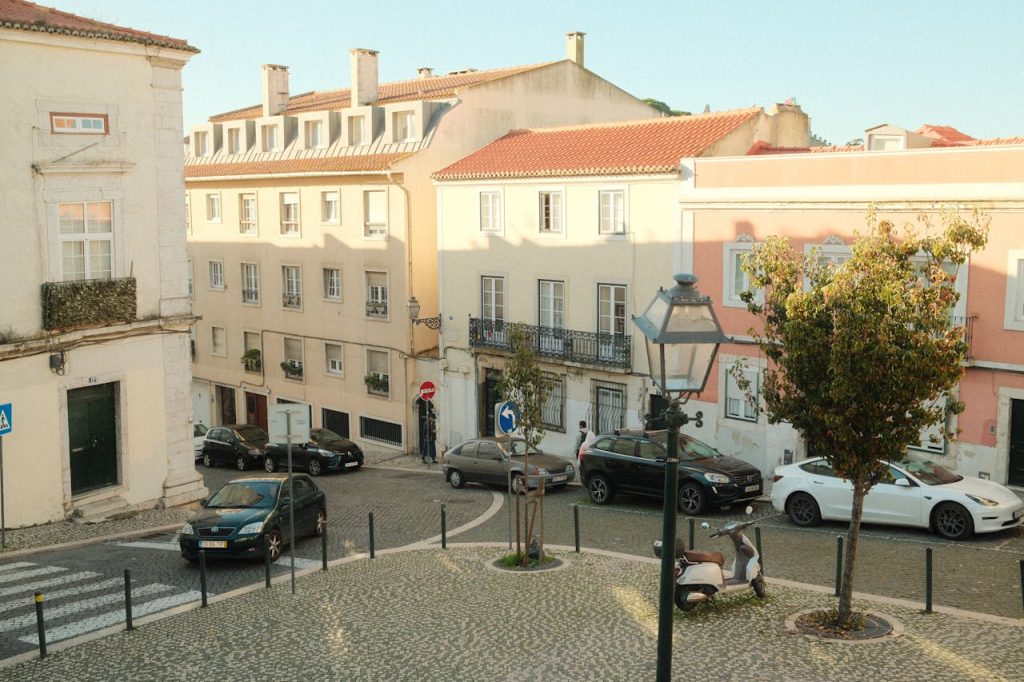
Lisbon’s pricing can slide fast after peak summer travel ends, especially in January and February, when the weather stays mild but crowds thin. Hotels adjust quickly to fill rooms, and airfare dips often follow, sometimes midweek without a clear reason. The city keeps its rhythm: trams run, viewpoints stay open, and neighborhoods like Alfama and Graça feel lived-in rather than rushed. With fewer visitors competing for space, dinners stretch longer, walks feel easier, and central stays that once felt pricey suddenly make sense. The calm pairs naturally with the quieter numbers.
New Orleans, Louisiana
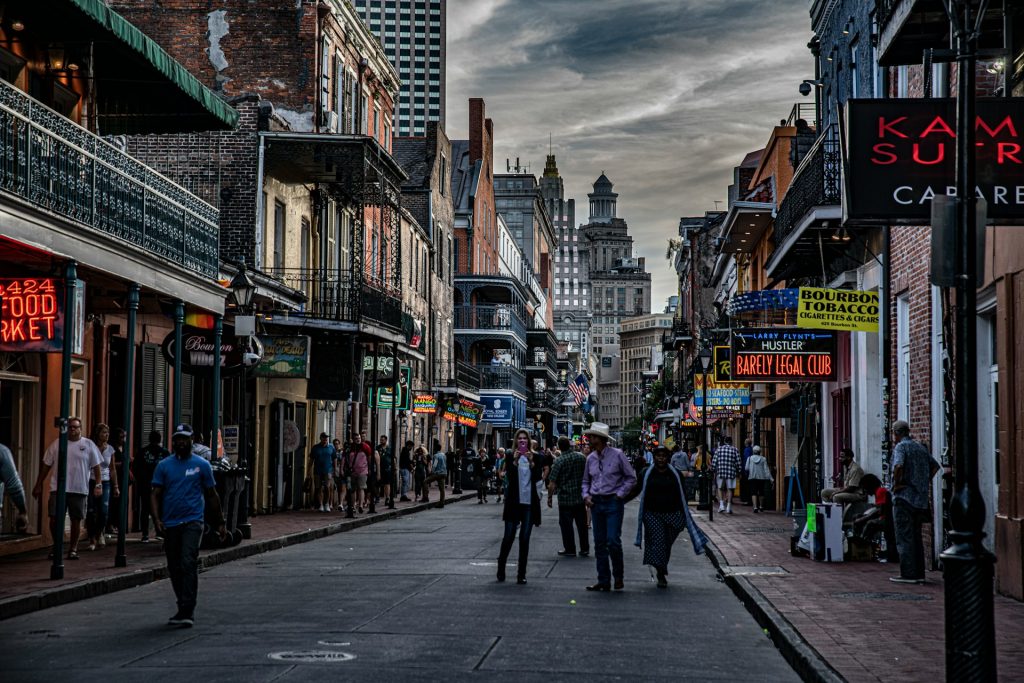
New Orleans pricing drops most often in late summer, once major events fade and heat reshapes travel plans. Hotels reprice quickly, and deals can surface overnight when demand shifts, especially on weekdays. The city itself does not slow down; music spills from clubs, kitchens stay busy, and neighborhoods keep their pace. What changes is access. Tables open up, walking the Quarter feels less compressed, and spontaneous nights become easier to plan. The lower costs rarely last long, but when they appear, the city feels generous rather than stretched.
Las Vegas, Nevada
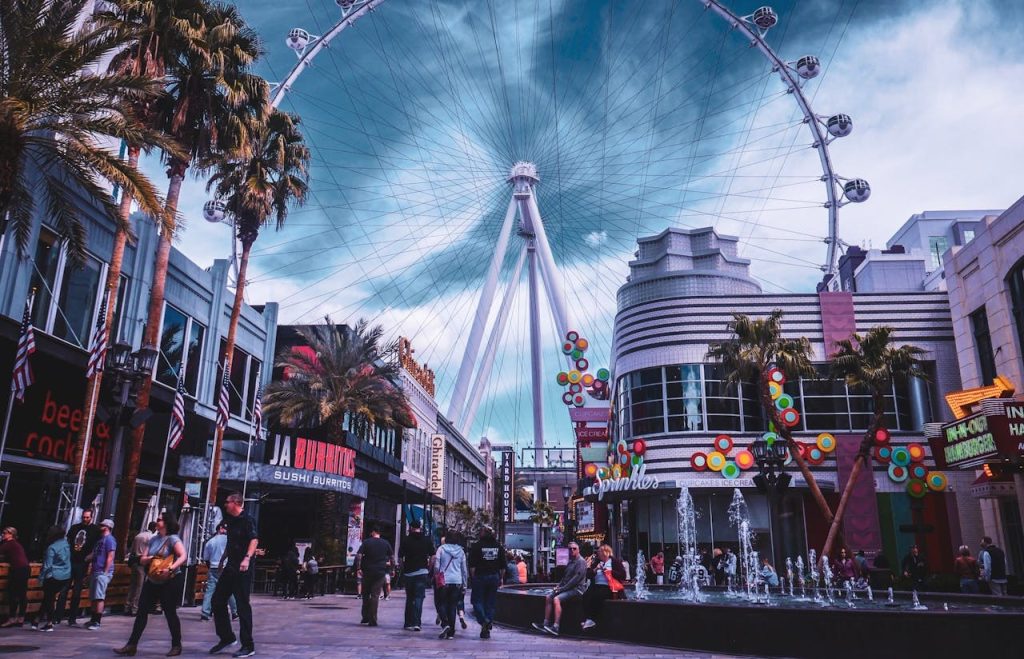
Las Vegas prices swing dramatically, and the quiet weeks between major events often bring sudden relief. Once a large convention or sports weekend clears, rooms can drop fast, especially midweek, sometimes within a single pricing cycle. The Strip keeps its glow, but lines shorten, reservations loosen, and staff attention sharpens when occupancy dips. Shows and dining remain plentiful, just easier to secure without planning far ahead. The change is not subtle. One day feels inflated, the next feels reasonable, all driven by timing rather than any shift in what the city offers.
Tokyo, Japan
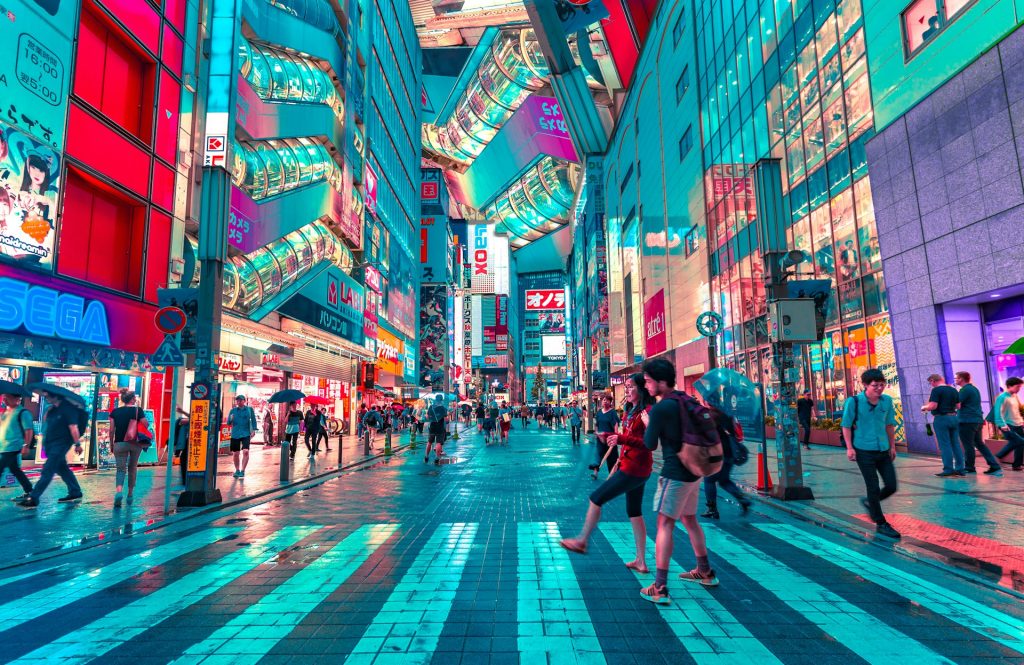
Tokyo experiences noticeable price softening after the New Year rush, when demand thins and airlines adjust to fill seats. January often brings quick airfare drops and calmer hotel pricing, even though the city remains fully active. Neighborhoods hum, transit runs smoothly, and food scenes stay lively, just less crowded. Museums, shops, and evening districts feel more breathable, and reservations become simpler to secure. The savings arrive quietly, tied to timing rather than compromise, and often vanish once spring travel planning begins to build momentum again.
Bangkok, Thailand

Bangkok can deliver sudden value in the shoulder weeks between peak travel seasons, when weather improves but holiday traffic has not yet surged. Hotels compete aggressively, and prices can dip with little notice as occupancy shifts. The city’s energy stays constant: markets buzz, river traffic flows, and dining scenes stay deep and varied. Lower prices simply remove friction. Rooms upgrade easily, nights feel less rushed, and movement around the city smooths out after dark. These windows rarely last, but when they appear, Bangkok feels both accessible and fully itself.
Edinburgh, Scotland
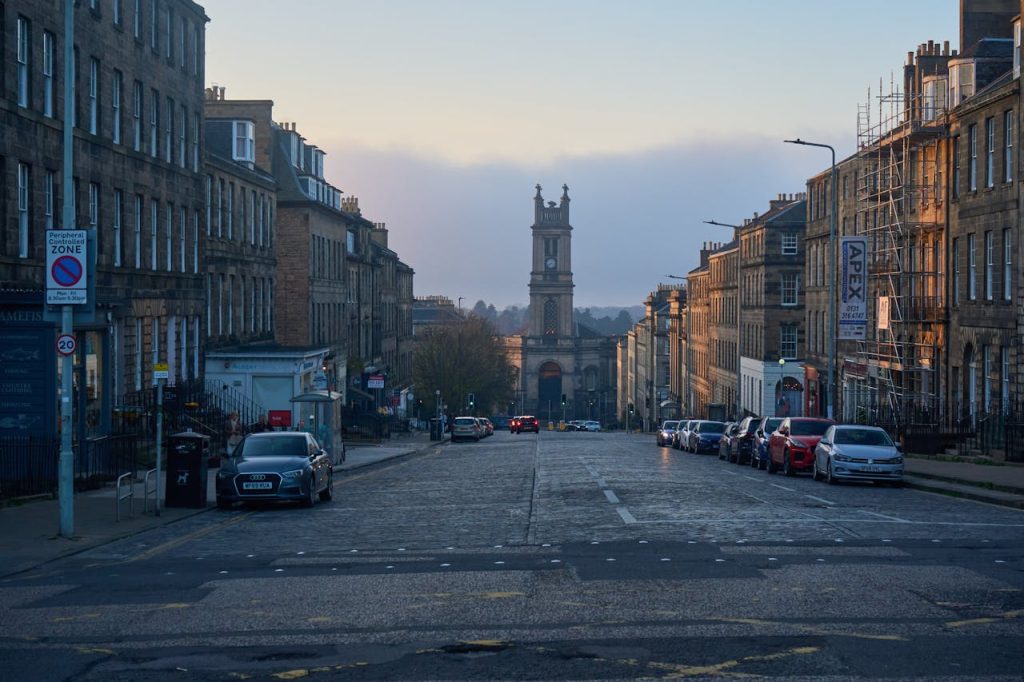
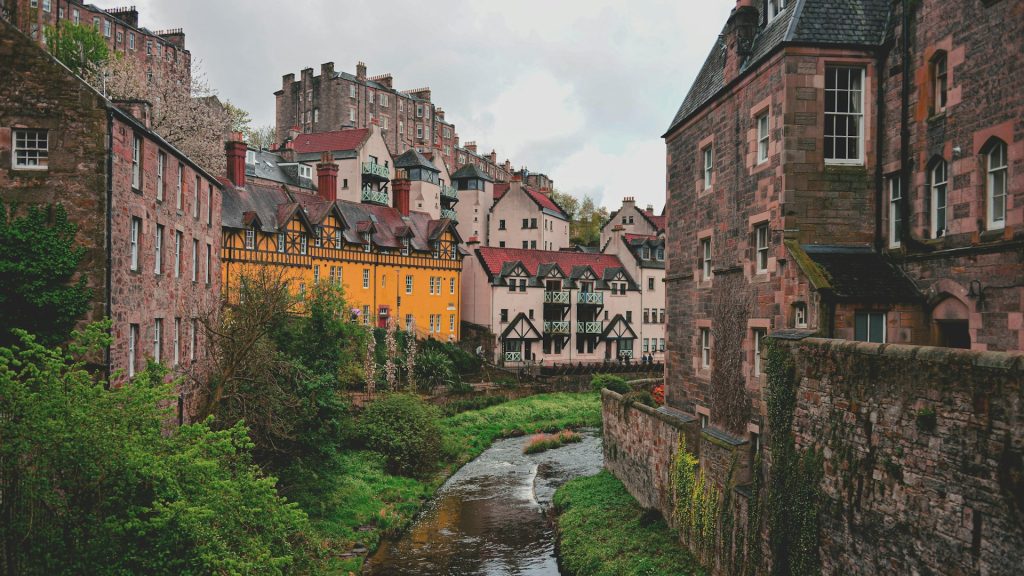
Edinburgh pricing often relaxes quickly after the August festival season ends, when demand falls and short-term stays empty out. Hotels lower rates to adjust, especially on weekdays, creating sudden opportunities in early fall and late winter. The city grows quieter without losing character. Old Town lanes open up, pubs regain their local tone, and evening walks feel unhurried. Cultural sites remain steady, just easier to enjoy without pressure. The drop is seasonal, not promotional, and travelers who catch it often find better stays for less effort.
Vancouver, British Columbia
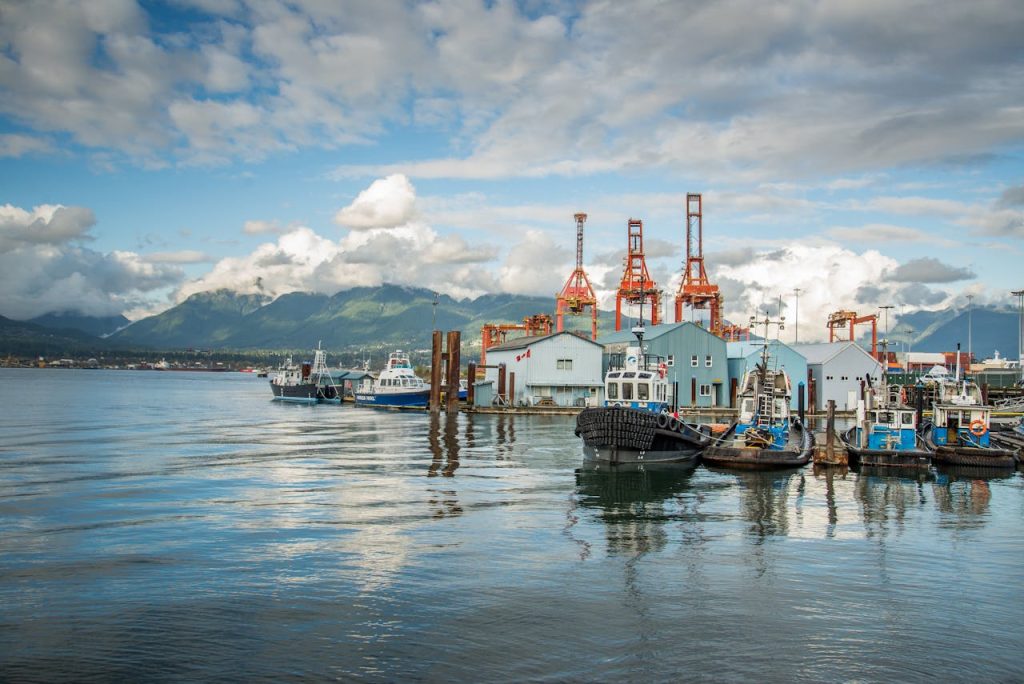
Vancouver sees fast-moving price dips in the rainy shoulder months, when summer travel fades but the city stays active indoors. Flights and downtown hotels adjust quickly outside holiday windows, often without signaling a clear low season. Restaurants, galleries, and waterfront walks remain appealing, just calmer. With fewer visitors competing for space, neighborhoods feel more relaxed, and reservations come together easily. The savings feel unexpected because the experience does not diminish. When demand rebounds, prices climb just as fast, making timing the deciding factor.
Buenos Aires, Argentina
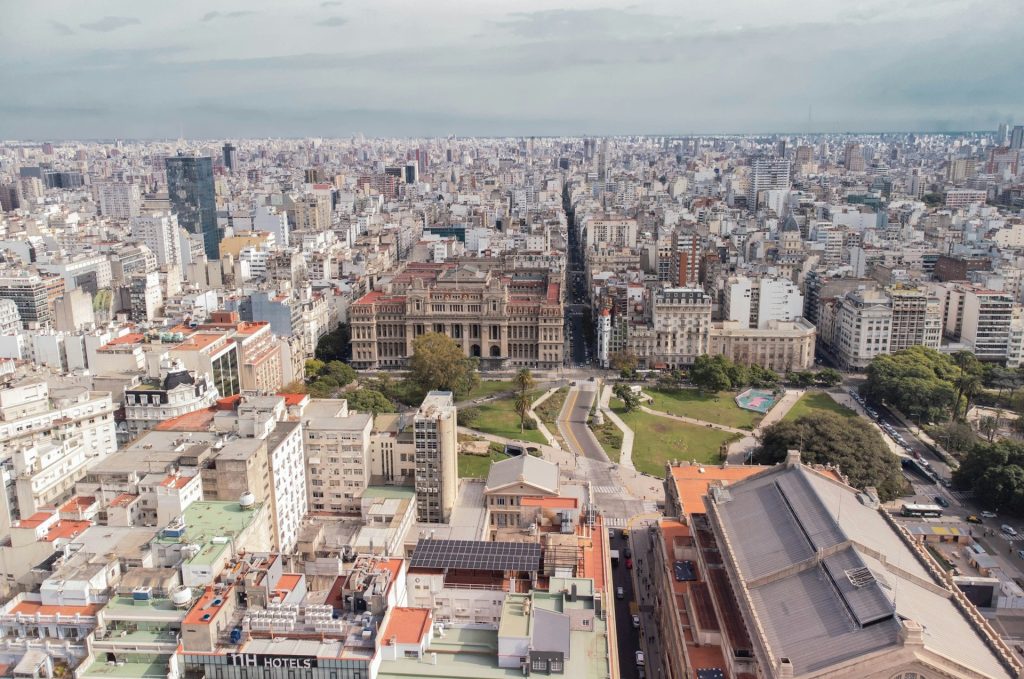
Buenos Aires can offer sudden value during transitional seasons, when international demand shifts and event calendars leave gaps. Airfare and hotel prices may soften together without advance notice, creating brief windows of affordability. The city’s pace never changes. Late dinners, neighborhood walks, and music-driven nights continue regardless of season. Lower prices simply remove pressure, allowing longer stays and better locations. These moments depend on timing rather than trends, and once they close, rates often rebound quickly as travel patterns reset.