9 Cities Where Short-Term Rental Rules Confuse Travelers

Short-term rentals can look simple on a booking screen, then turn complicated in real life. Cities are trying to protect housing, manage noise, and keep neighborhoods livable, but the rules are layered and easy to miss. Caps, registration numbers, host-presence requirements, and permit systems vary by zone, building, and even calendar year. Travelers usually discover the details late, when a host sends extra steps or a reservation suddenly shifts. The confusion is rarely about one rule. It is about how many rules sit behind one nightly rate.
New York City

New York City confuses travelers because the rule hinges on presence, not just price. In most permanent residential buildings, entire homes generally cannot be rented for fewer than 30 days, and short stays require the host to be in the unit and registered. Listings still appear, but guests can learn late that only certain setups qualify, that guest counts are limited, and that platforms may block unregistered bookings. The result is last-minute cancellations, awkward key exchanges, and a scramble for a hotel when plans were meant to feel simple. Even honest hosts sound defensive, because the rules punish small mistakes.
Paris

Paris trips visitors up because one address can be fine while the next is restricted. A primary residence can typically be rented short term only up to a yearly cap and must show a registration number, while a secondary home can face tougher authorization rules. Travelers rarely know which category a listing falls into, so a host may later mention capped nights, building limits, or extra documentation. When dates shift or a listing vanishes mid-planning, it feels random, but it is often the city drawing a firm line between housing and tourist stock. The confusion shows up at check-in, when a guest expects hotel simplicity.
London

London confuses travelers because the key limit is counted in nights, and it can quietly change availability. Entire-home short lets in Greater London are generally limited to 90 nights per calendar year unless planning permission exists, and platforms may block calendars once the cap is reached. A place can look open months ahead, then suddenly go dark as the host hits the threshold. Add lease rules, building policies, and different borough enforcement, and guests are left unsure whether a booking will hold until check-in. Many end up choosing serviced apartments just to avoid surprises. Price spikes make it worse.
Amsterdam
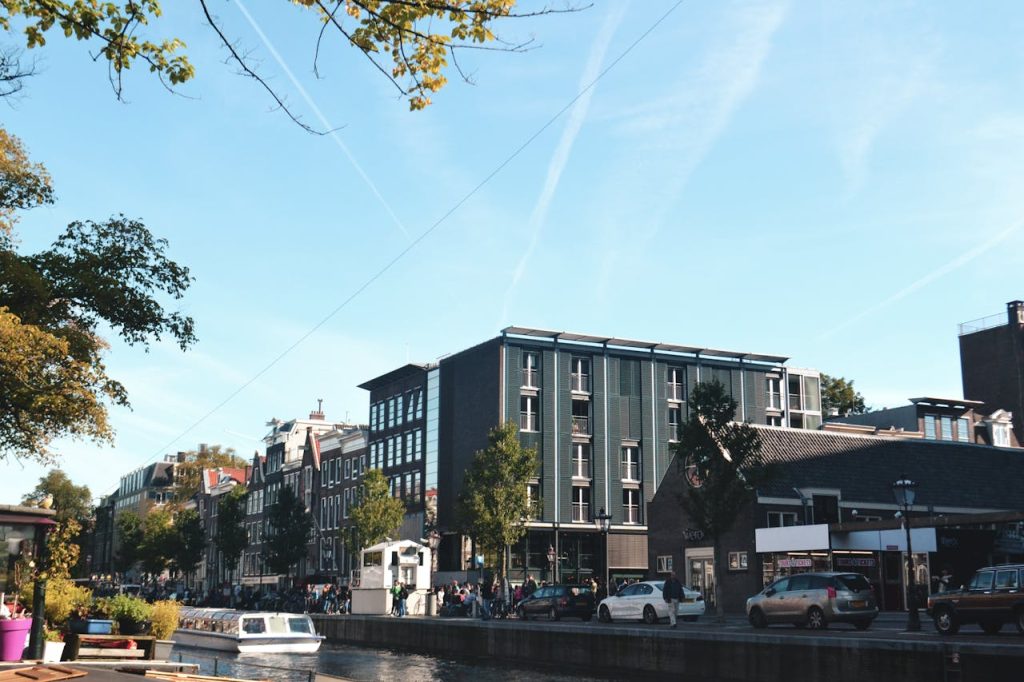
Amsterdam’s rules confuse travelers because the city treats holiday rentals, B&B rooms, and longer stays as different lanes with different duties. Entire-home holiday rentals are typically capped at 30 nights per year, require permits, and each stay must be reported in advance, with limits on guest count. A listing can disappear once limits are reached, or a host may send strict arrival instructions to avoid neighbor complaints. Guests feel the pressure behind the welcome message, even when the apartment itself is lovely. It is a city where compliance can matter as much as charm. Neighbors notice turnover fast.
Barcelona

Barcelona confuses travelers because policy shifts keep reshaping what is truly bookable. The city has tightened licensing for tourist apartments and plans to end many licensed whole-home short-term rentals by late 2028, while Spain has increased enforcement around required registration or license numbers. Visitors see listings, then get stricter ID steps, minimum-stay changes, or sudden calendar gaps as hosts pivot to stay compliant. The uncertainty is less about comfort and more about whether the booking survives the rules. That tension makes travelers double-check everything, from keys to receipts.
Berlin

Berlin confuses travelers because the city treats housing as protected space, and the legal status of a listing is not always visible on a booking page. Regulations restrict using apartments as holiday rentals without authorization, and practices can vary by district and building. Guests sometimes receive detailed instructions about quiet hours, neighbor relations, and careful check-in, which can feel unusually formal for a vacation. Some hosts are fully compliant, others sit in gray areas, so travelers often cannot tell how stable a reservation is until arrival. That uncertainty pushes many toward hotels, even when they want a kitchen.
Lisbon

Lisbon confuses travelers because Alojamento Local rules are shaped by neighborhood controls that keep evolving. New registrations have been paused in parts of the city while municipal regulations are revised, pushing some hosts toward longer stays or different units. Guests notice it as shifting minimum nights, extra documentation, or an offer to move to a sister property in a different area. A place may be licensed and well-run, yet the market still feels fluid, which makes travelers wary about last-minute changes. It can feel like booking a moving target during peak season. Guests prefer certainty.
Dublin
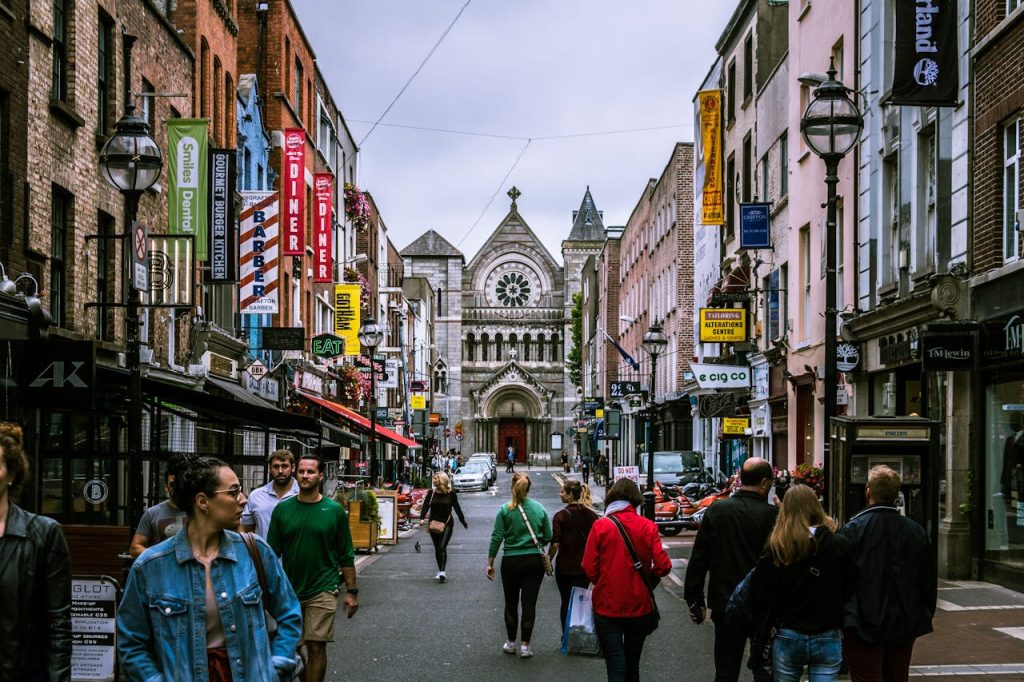
Dublin confuses travelers because short-term letting rules depend on both length of stay and whether the property is a principal private residence. Entire-home short stays can be limited to a yearly cap when the host is temporarily away, and going beyond that can trigger planning permission for change of use. Guests rarely see these thresholds clearly, so a host may refuse extensions, adjust dates, or request details that feel bureaucratic. Add building policies and neighbor sensitivity, and a simple booking can start to feel like paperwork. The stay can be great, but the rules make spontaneity harder.
Vienna

Vienna confuses travelers because short-term letting is shaped by zoning and strict time limits, and the rules tightened in 2024. Short-term rental beyond 90 days per calendar year can require an exemption permit, with tougher limits in residential zones and meaningful penalties for violations. Visitors do not track building-code changes, so a charming apartment can come with careful messages about stay length, reporting, and proof of compliant use. Listings may look plentiful online, while the legal window for certain units is much narrower in practice. Guests feel it as extra steps, and occasional last-minute rerouting.