9 Coral Reef Snorkels Bleached and Jellyfish-Infested
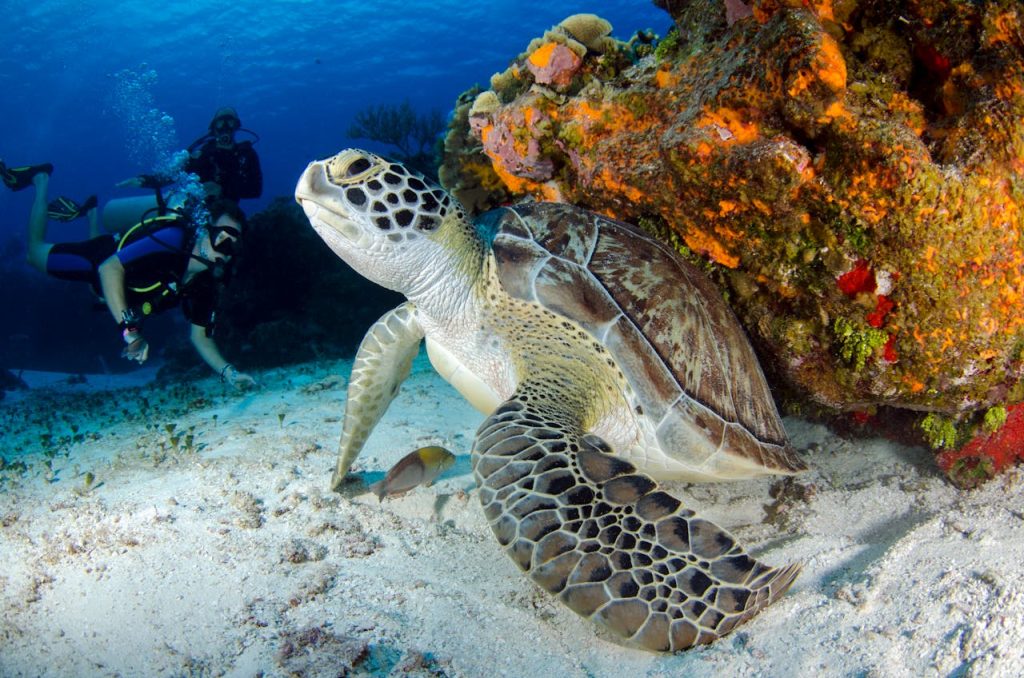
Some reef snorkels now carry a quiet tension. Bleaching can drain coral color in a single hot stretch, and the bottom can look oddly flat even when fish still glitter overhead. Calm weather that warms the surface can also concentrate jellyfish and drifting stingers in coves where swimmers linger past the plan.
The magic still shows up in flashes, but timing matters more than hype. A spot can look lively at dawn and tired by afternoon if heat and still water linger.
Wind, tide, and seasonal patterns decide whether a swim feels effortless or cautious, so local updates, coverage gear, and careful fin control have become part of the ritual.
Great Barrier Reef, Australia
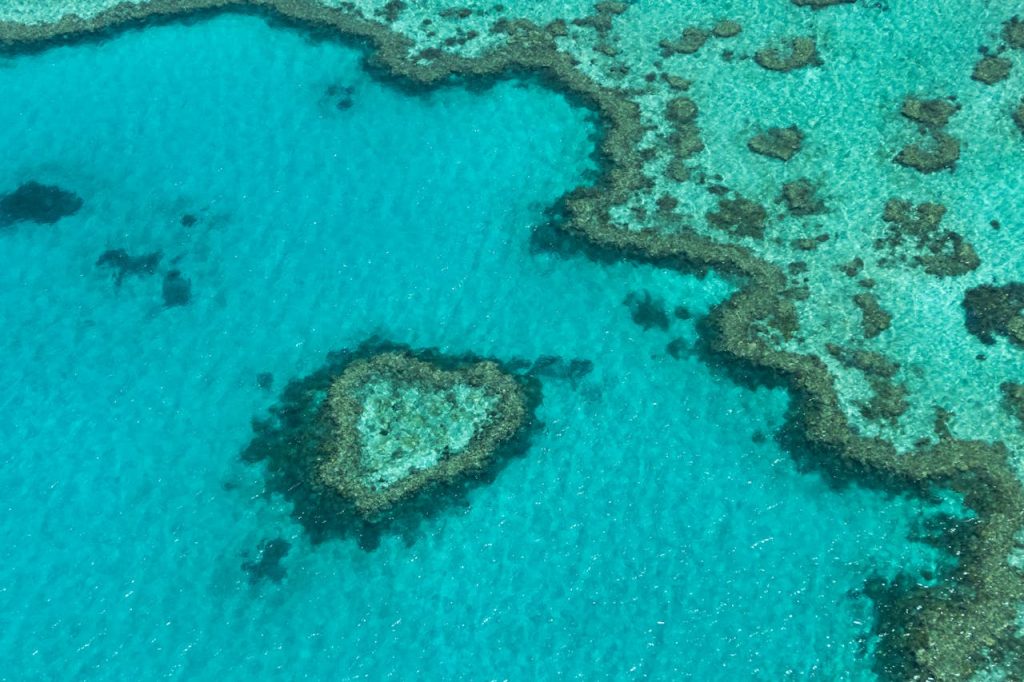
A Great Barrier Reef snorkel can still feel electric, yet repeated heat stress has left some shallow coral gardens uneven. Pale tables and whitening tips can sit beside healthier pockets, creating a patchwork seascape that looks different from older photos even on clear days. After a windless stretch, the change can feel sudden.
Northern Queensland also has a marine stinger season, so coverage suits and vinegar-ready first aid are treated as routine. Strong operators keep groups compact, favor deeper bommies, shorten drifts, and enforce no-touch rules so stressed coral avoids extra abrasion. Plans shift with tides and visibility.
Florida Keys, United States
Florida Keys snorkels can still sparkle on a calm morning, but recent heatwaves have left many shallow reefs looking patchier. Where branching coral once filled in the scene, more bare limestone shows through, and algae can take hold in the gaps, changing the texture of the swim even when visibility stays high. Fish cruise the ledges, yet the reef feels thinner and less three-dimensional.
Surface conditions add another twist. Portuguese man o’ war can wash into beaches and channels after certain wind shifts, and their tentacles can still sting after they drift ashore. Many crews pick deeper stops, shorten floats, and keep entries deliberate.
O?ahu Reefs, Hawai?i
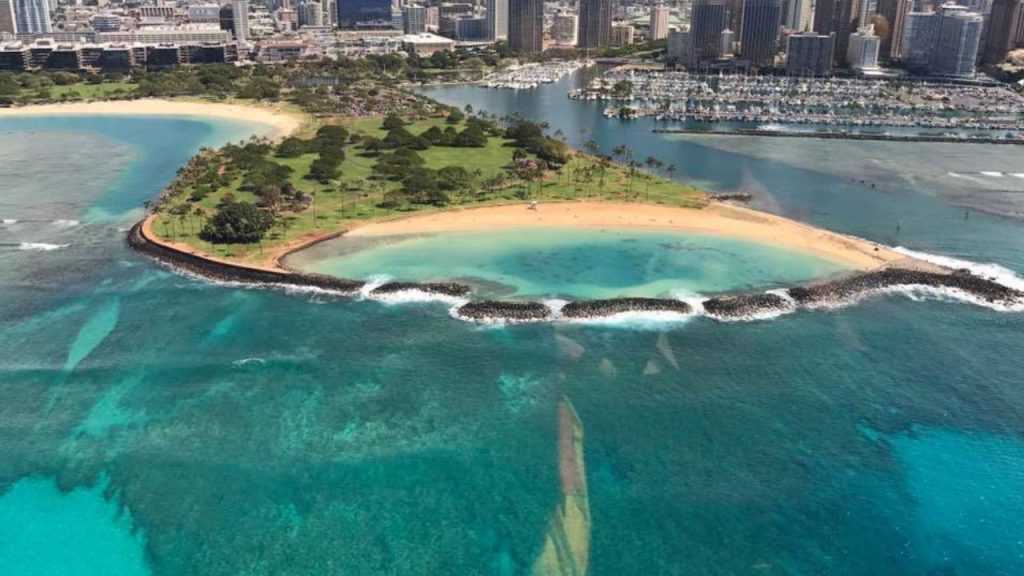
O?ahu reef flats can look calm from shore, yet hot, still stretches can push shallow coral into a faded, washed look. The change often shows up as pale tips, less contrast on the bottom, and fewer crisp coral edges that once made the scene feel sharp, even while tangs and wrasse keep moving through. After warm days, the reef can resemble a postcard.
Jellyfish timing can be surprisingly regular in some areas, and local advisories often track seasonal patterns and moon phases. When conditions line up, operators lean on coverage, clear briefings, and steady pacing. The best outings avoid long idle floats and favor reef edges with better flow.
Red Sea Reefs, Egypt
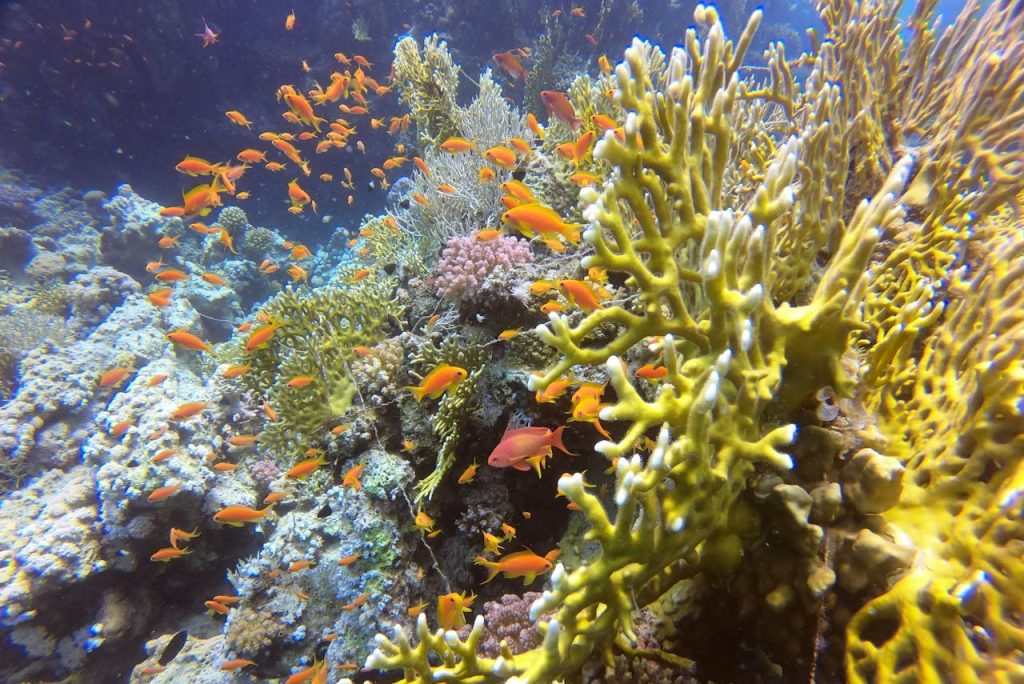
Red Sea snorkels near Egypt can deliver clarity that makes coral feel close enough to count ridges, which also makes bleaching hard to ignore. Some shallow gardens now show dulled plates and pale tips after long hot spells, and the reef can look less layered even when fish life stays busy around ledges. Color can return in patches, but the contrast is jarring.
Blooms can change the mood fast. Crown jellyfish sometimes gather in large numbers, turning an easy surface drift into a covered-up swim with slower movements and careful entries. Crews often choose flushed edges, keep groups moving, and prioritize calm decisions over stubborn plans.
Maldives House Reefs
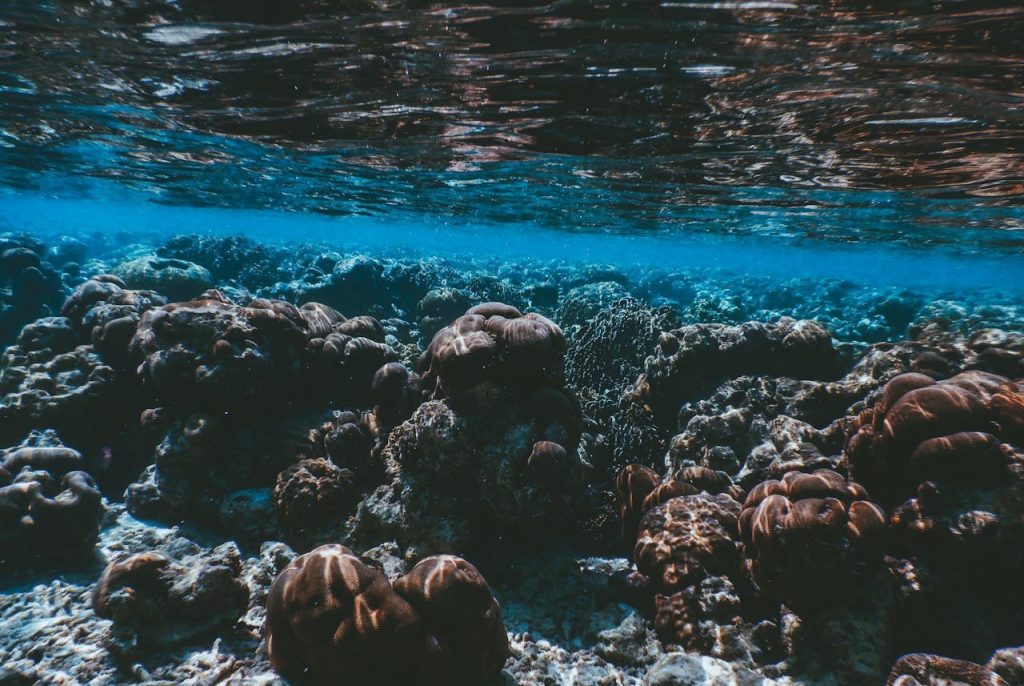
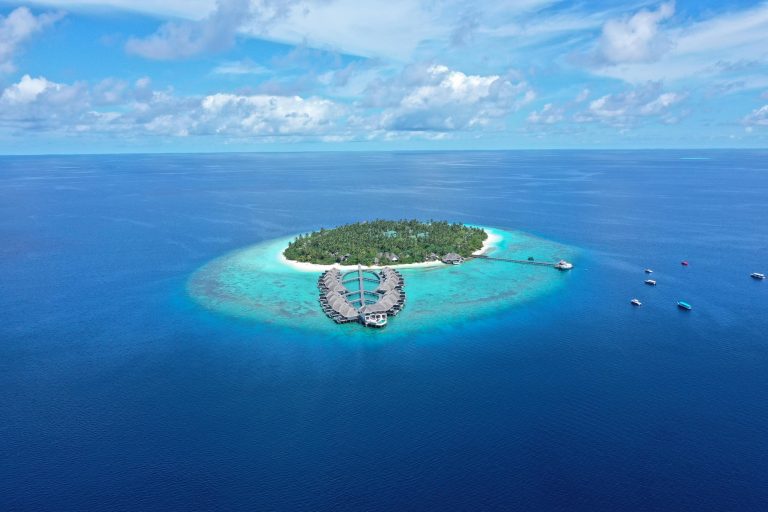
Maldives house reefs still promise an easy dip off the sand, yet past heat years left visible scars in many lagoons. Some sites show thinner coral cover, wider sandy gaps, and fewer branching thickets that once sheltered small fish. Even on bright days, the bottom can feel simpler, with surviving coral heads standing apart like islands.
Warm, still water can also collect jellyfish into pockets where circulation stalls, so swims come with soft bumps and constant small course changes. Experienced crews steer groups toward reef edges with better flow, slow the kick tempo, and insist on clean buoyancy so fragile regrowth is not scraped by fins.
Gulf of Thailand Islands
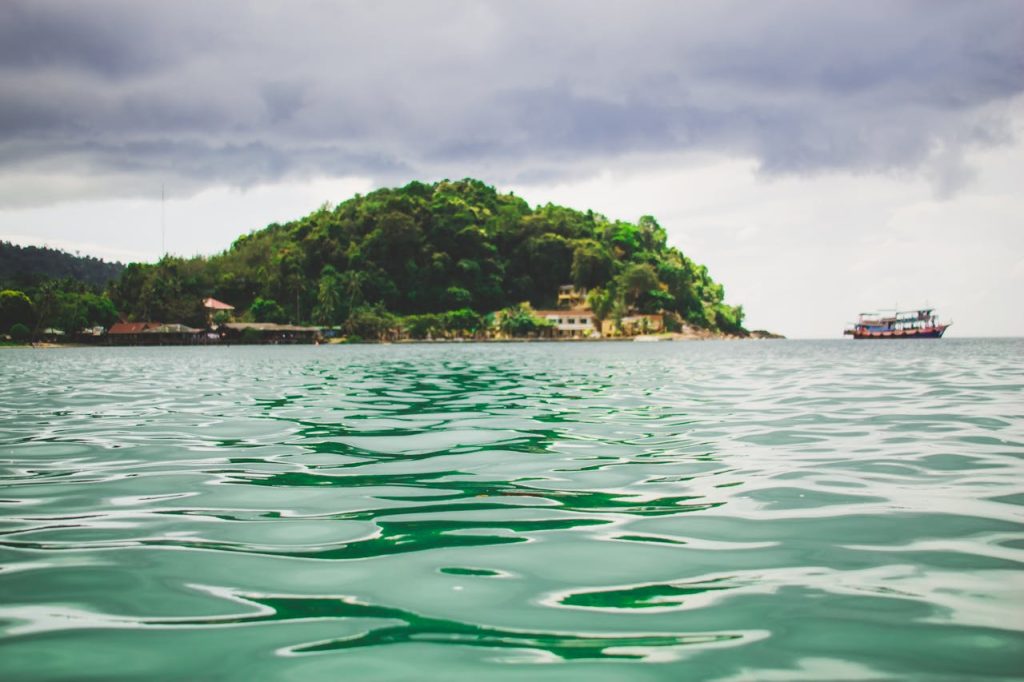
Gulf of Thailand snorkels feel warm, with reefs close to shore, which also makes them quick to stress during hot, windless weeks. When coral pales, the bay reads more open, with fewer branching shelters and more glare off sand, even while reef fish cluster tightly around the remaining structure.
Jellyfish risk adds another layer. Box jellyfish stings have been reported around some islands, and local routines emphasize coverage, quick first aid, and avoiding long, still-water floats. Good guides keep briefings clear, carry vinegar, and choose areas with steady flow so comfort stays high without pretending the ocean is predictable.
Ningaloo Reef, Western Australia
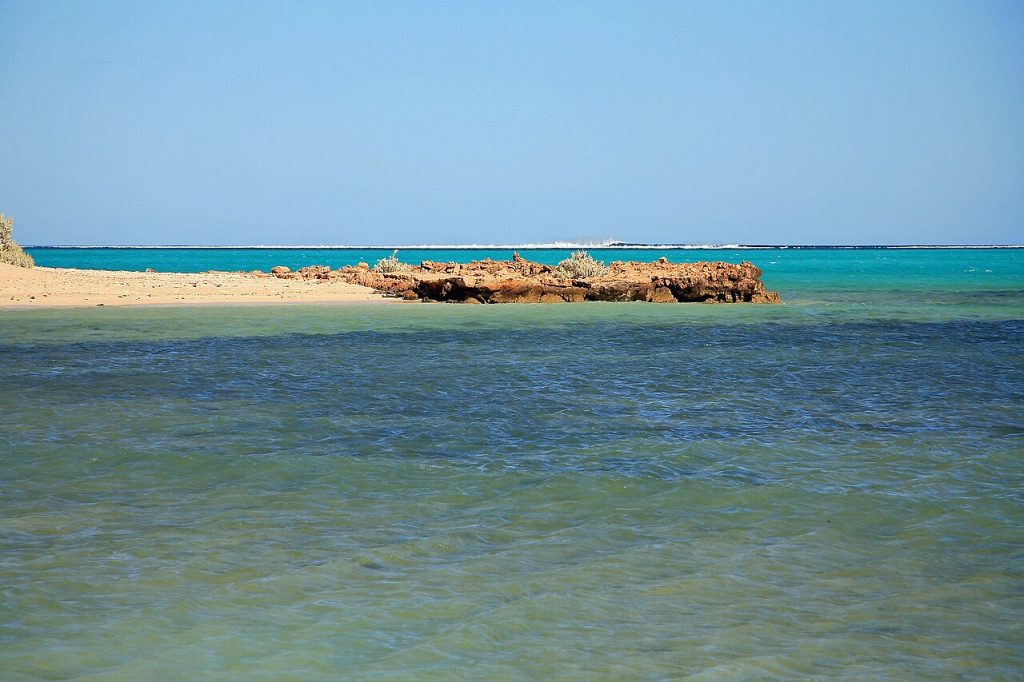
Ningaloo lagoon snorkels still offer rays, turtles, and water clear enough to feel unreal, but bleaching has thinned coral in parts of the reef. When a garden loses living cover, the scene turns flatter, with more hard surface and sand channels, and fewer bright coral edges to guide the eye across the shallows.
Warm spells can also bring tiny stingers in northern Western Australia, so some operators treat coverage as standard during certain periods. Strong trips shorten surface waits, keep spacing sensible, and shift plans quickly if conditions feel off. That flexibility protects comfort and the coral texture that makes Ningaloo memorable.
Raja Ampat, Indonesia
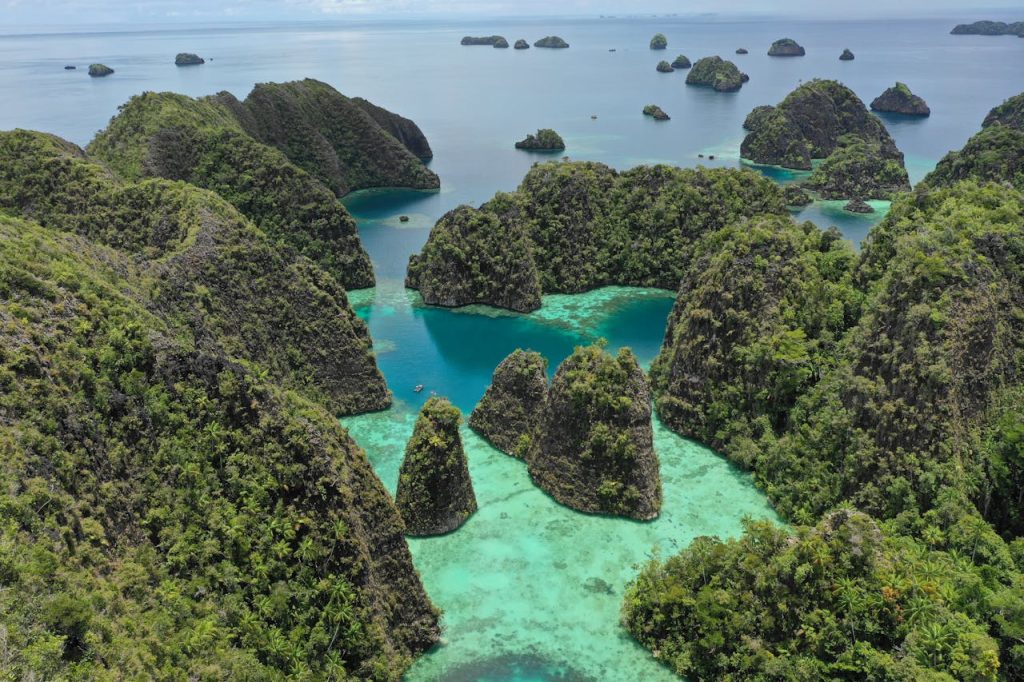
Raja Ampat still carries a myth of invincibility, which is why even mild bleaching feels like a shock. In warm, still stretches, sensitive corals can fade first, and a slope that used to look neon can turn softer and less defined. Fish life often remains dense, yet the reef’s color story can look thinner than expected.
Misool adds a surreal contrast with jellyfish lakes, where stingless jellyfish drift like slow lanterns in sheltered water. After that gentle swim, an open-reef snorkel over faded coral lands differently. Guides lean on slower routes, tighter buoyancy, and strict no-touch habits to protect what is holding on.
Belize and the Mesoamerican Reef
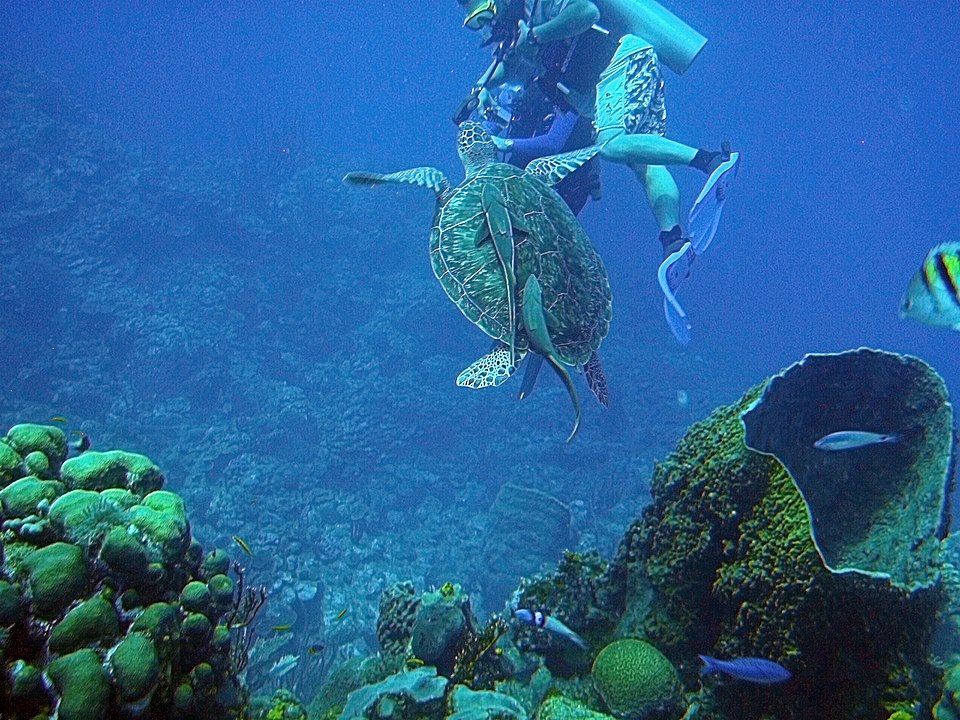
Belize snorkels on the Mesoamerican Reef still offer sea fans, turtlegrass, and parrotfish, but many areas now feel more fragile than their reputation suggests. When heat stress and disease reduce coral cover, structure thins, and fish concentrate around the remaining shelter, leaving wider lanes of sand and rubble between living patches.
Wind lines can also gather stinging drifters near cays and channels, changing a relaxed float into a mindful swim with deliberate entries. Seasoned crews pick sites with better flow, keep groups moving, and avoid lingering in glassy water. On mixed days, small pockets of color can still feel like relief.