9 Countries Where Christmas Day Shuts Everything Down
In a few countries, Christmas Day is protected by habit and law, not just sentiment. On Dec. 25, shop shutters stay down, office lights go off, and streets that normally buzz turn oddly calm. The result is not inconvenience as much as a collective agreement: family time matters more than errands, and the calendar should make room for rest. For visitors, the stillness can feel startling at first, then soothing once plans are set, meals are booked, and expectations adjust.
Austria
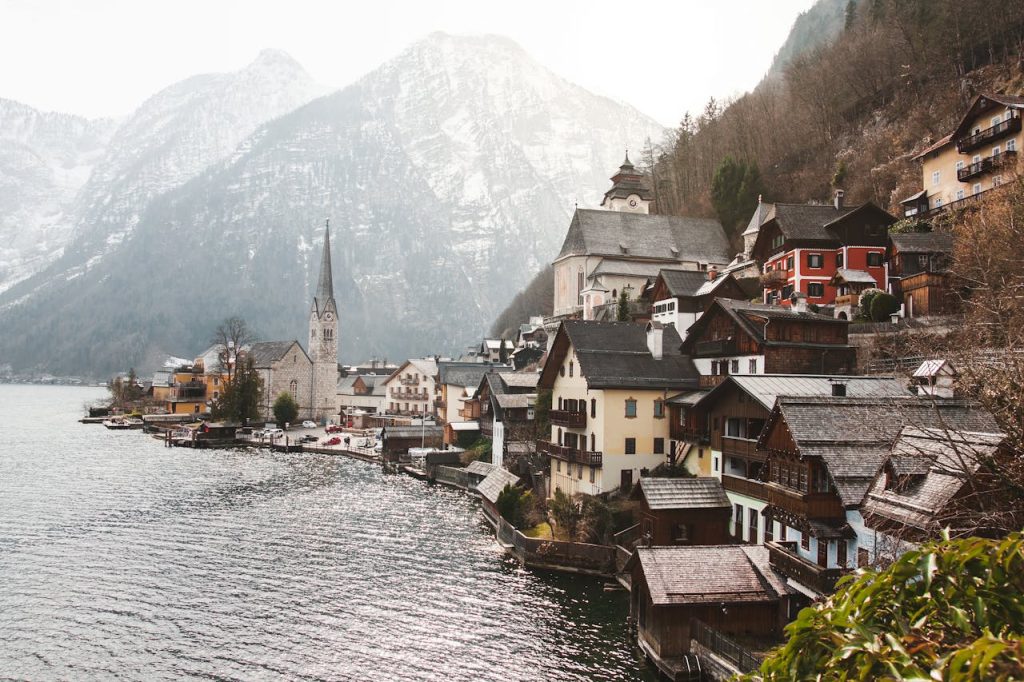
In Austria, Dec. 25 flips the country into quiet mode: supermarkets, malls, and most small shops stay closed, with exceptions mostly limited to petrol stations, small kiosks, or stores inside major rail hubs. Because everyone expects the lockup, Dec. 24 becomes the serious shopping day, then families shift to church services, long lunches, and slow walks through tidy streets where even cafés can be scarce. Even Vienna feels deliberately softened, so arrivals should assume snacks, medicines, and basics need to be handled before Christmas Eve ends, or sourced through a hotel. That rhythm is widely respected.
Germany
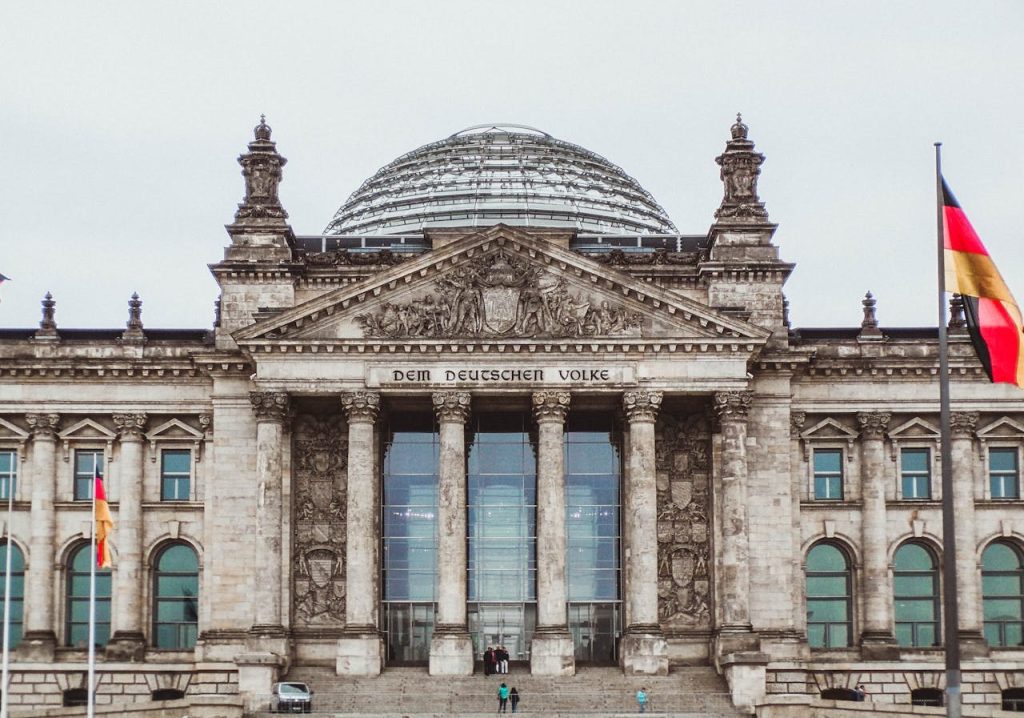
Germany treats Christmas Day like a full stop. Grocery stores and nearly all retail close, and public life runs on reduced schedules that make even big-city neighborhoods feel reserved and unusually quiet. Dec. 24 often ends early, so locals stock up before afternoon, knowing that Dec. 25 will offer little beyond petrol stations, a few kiosks, and shops in airports or large train stations with limited choices. The calm is intentional, built for staying put, long meals, and a day that is not measured in errands or impulse purchases. Pharmacies are limited, so supplies should be sorted ahead of time.
Norway
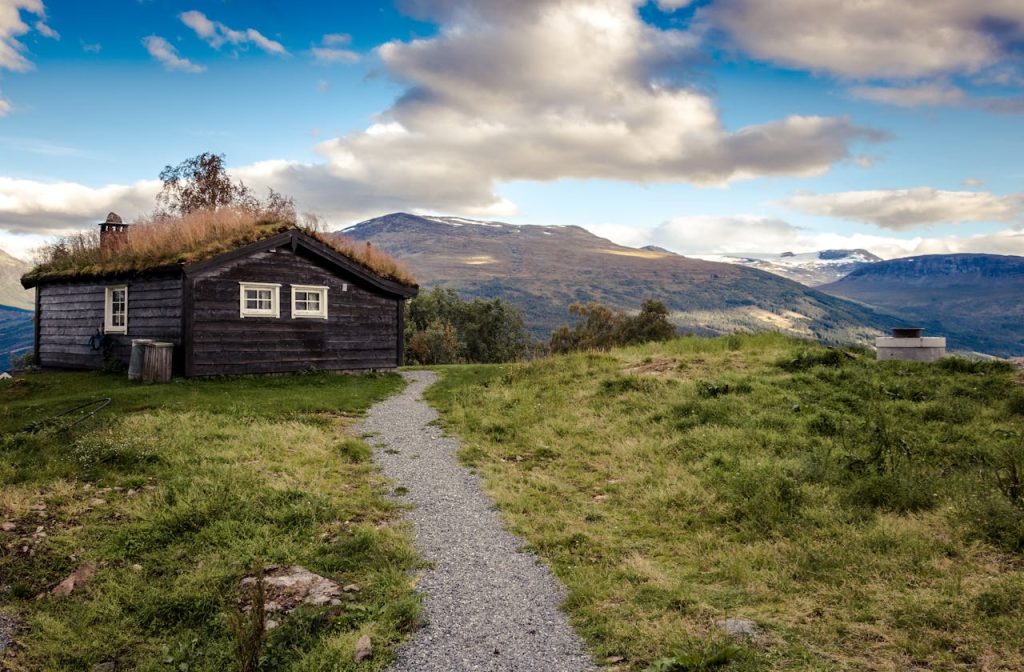
Norway’s shutdown is steady and easy to predict, which is why it surprises unprepared visitors. Shops close by late afternoon on Dec. 24, then stay closed on Dec. 25, and often Dec. 26, too, stretching the pause across several days. With shopping off the table, families lean into home cooking, board games, and winter walks, while transit runs at a thinner holiday pace and many restaurants work on reduced hours. Groceries and small essentials should be handled early, because last-minute fixes are rare once the doors go dark and neighborhoods settle in. Small towns can feel even more closed than the capital.
Switzerland
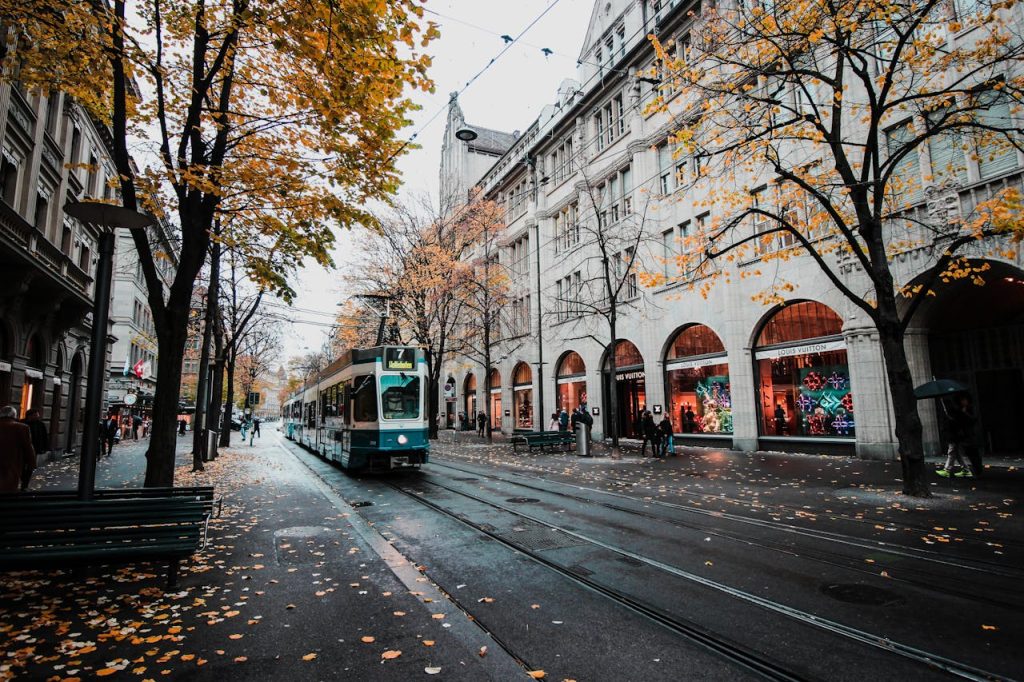
Switzerland can feel briskly organized right up to Christmas, then Dec. 25 arrives and most doors stay shut. As a public holiday, it closes the bulk of retail and many services, leaving exceptions mainly in airports, large rail stations, and hotel areas that cater to travelers. Zurich and Geneva still function, but shopping streets empty out and offices go dark, shifting the day toward family visits, church, and time outdoors along lakefront paths. Treat Dec. 24 as the last reliable moment for groceries and pharmacy items, then expect calm to take over and stay in place until the next day. The stillness is part of the appeal.
Spain
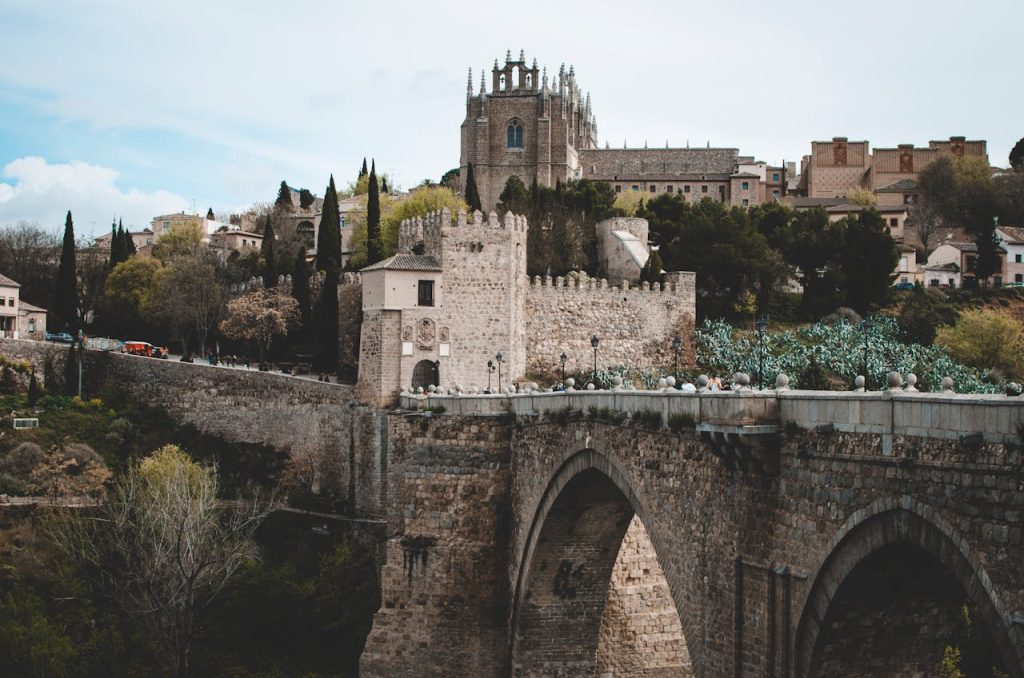
In Spain, Christmas Day is a public holiday that clears out much of the commercial noise. Many supermarkets, malls, and independent shops close, and even in tourist-heavy areas, hours can be limited enough to make errands a gamble unless they are planned. The rhythm turns toward home meals, long conversations after lunch, and evening strolls through calmer plazas, with hotels carrying most practical needs and fewer stores to fall back on. It helps to plan ahead, because the day is designed to feel social and slow, not built around convenience shopping or last-minute fixes. Families tend to treat the pause seriously.
Ireland

Ireland keeps Dec. 25 firmly for home, and the closures make that choice visible. Major grocery chains and most everyday services shut down, leaving lights on mainly in hotels and a small number of petrol stations, while transport often runs on a thinner schedule in both cities and towns. With fewer places to duck into, streets feel pleasantly pared back, and the day centers on family time, a long meal, and familiar holiday programming rather than plans that require shopping. Stocking up on Dec. 24 matters, since even simple essentials can be hard to replace until Dec. 26, when normal hours start returning.
Poland
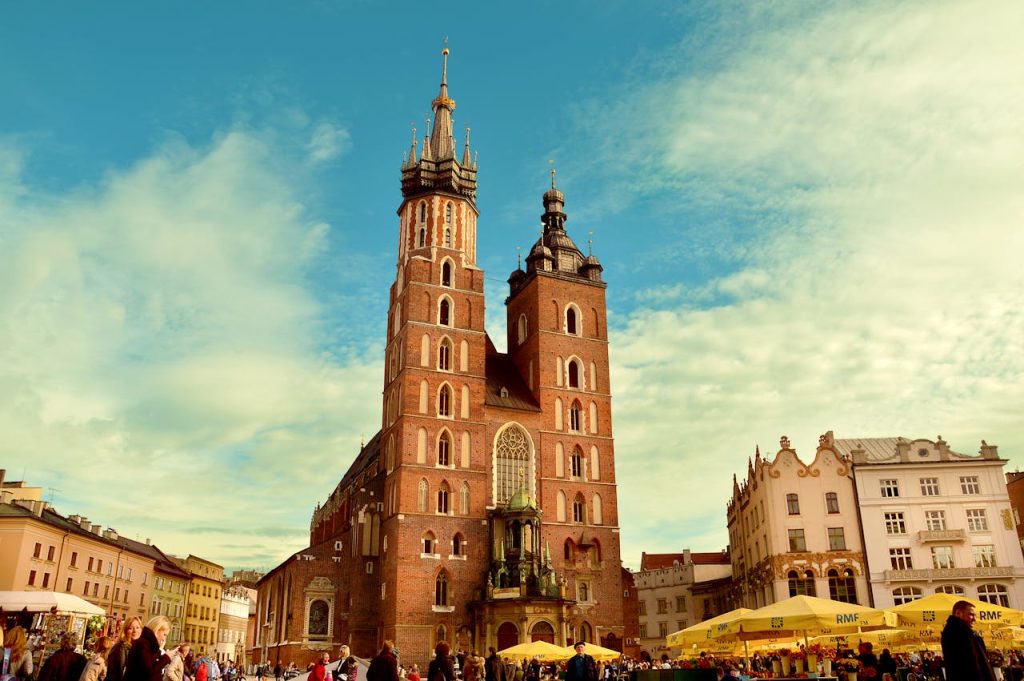
Poland’s most emotional gathering often happens on Christmas Eve, but Dec. 25 is when the outside world truly slows. Shops and malls are closed, many attractions pause, and transport can shift to a reduced timetable that makes big cities feel smaller and quieter than usual. Hotels keep operating, yet casual dining may be scarce without reservations, so plans tend to be set rather than improvised, especially outside central tourist areas. After Wigilia, the shutdown reads like permission to rest and visit relatives again, as long as groceries were handled beforehand and expectations stay realistic.
Denmark
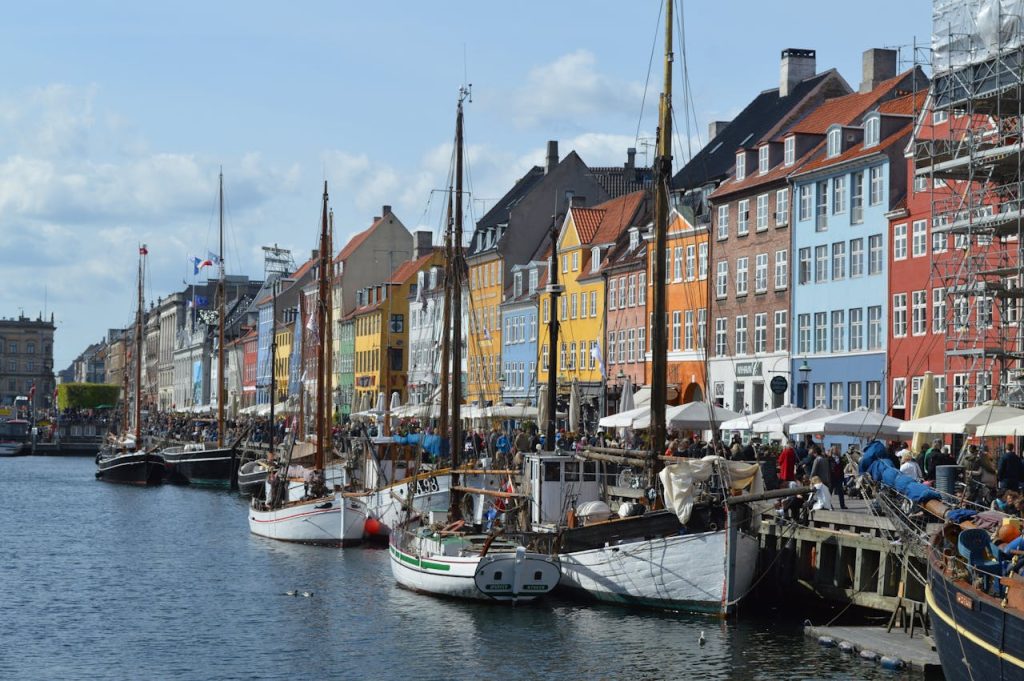
Denmark’s Christmas quiet is part tradition, part schedule, and it often lasts beyond one day. Many shops close through Dec. 25, and frequently Dec. 26 as well, so the country settles into a multi-day pause built around home cooking, family visits, and candlelit evenings indoors. Even Copenhagen can feel hushed, with open doors mostly limited to hotels and a few essentials near transit hubs, while many restaurants operate only with bookings. Shopping on Dec. 23 or early Dec. 24 keeps things easy, then the stillness becomes the point and the day feels genuinely unhurried. The mood is calm, not empty.
Greece
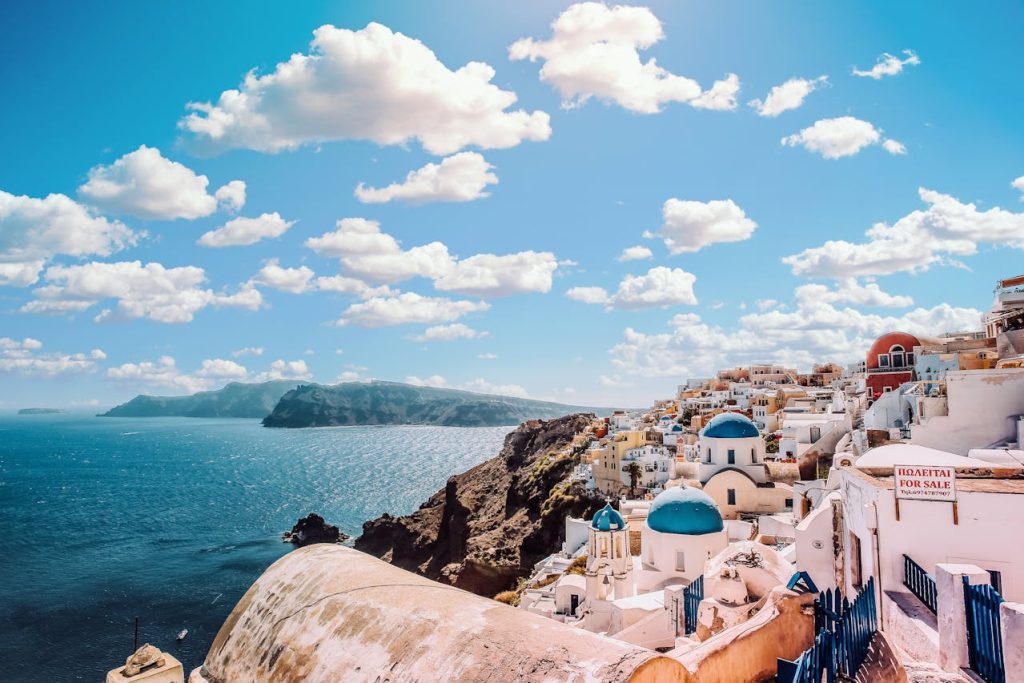
Greece builds momentum before Christmas, then closes up for it with surprising firmness. Stores often shut earlier on Christmas Eve and remain closed on Dec. 25 and Dec. 26, creating a clean break from routine shopping and office life across much of the country. The day turns toward church services, family tables, and sweets such as melomakarona, with neighborhoods quieter than usual and fewer practical backups if something is forgotten. A handful of tourist spots may stay open, but planning meals and basics in advance makes the calm feel effortless and keeps the holiday rhythm intact. It is a shared reset.