9 Countries Where Christmas Isn’t the Main Holiday
Christmas dominates calendars in many places, yet large parts of the world celebrate different traditions more prominently. Cultural history, religion, and seasonal rhythms shape how holidays take priority. In some countries, December passes quietly while other festivals define the year. Streets remain undecorated, routines stay normal, and attention turns elsewhere. Travelers often expect universal Christmas celebrations, only to discover different cultural focuses entirely. These differences offer insight into how societies mark time and meaning. Across these nine countries, Christmas exists but never leads the calendar, as other holidays shape public life, travel patterns, and national identity far more strongly throughout the year.
Japan
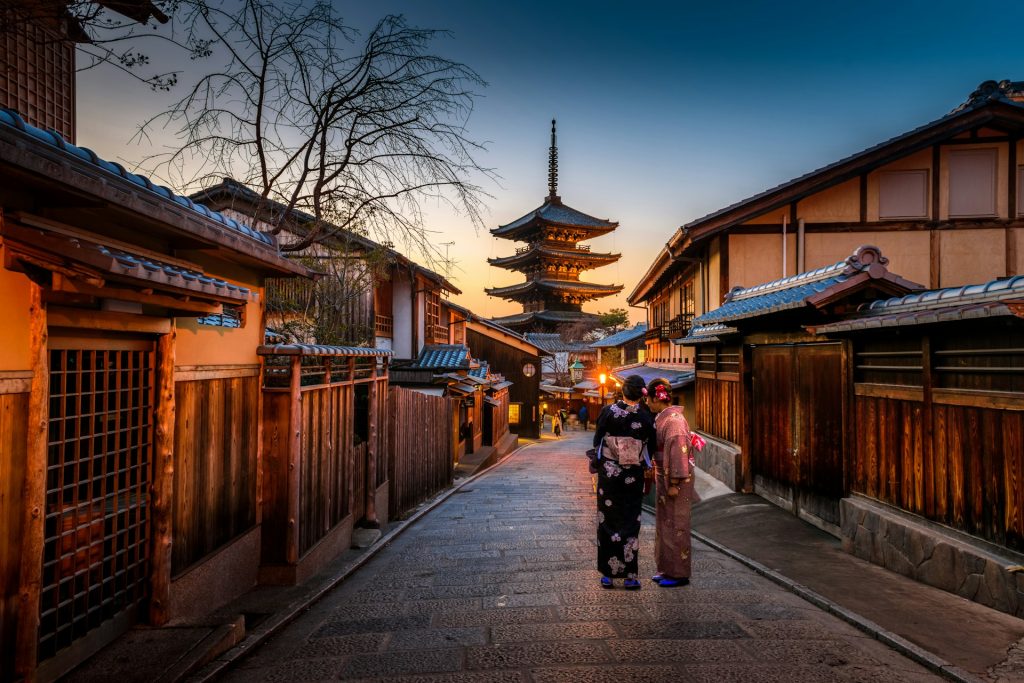
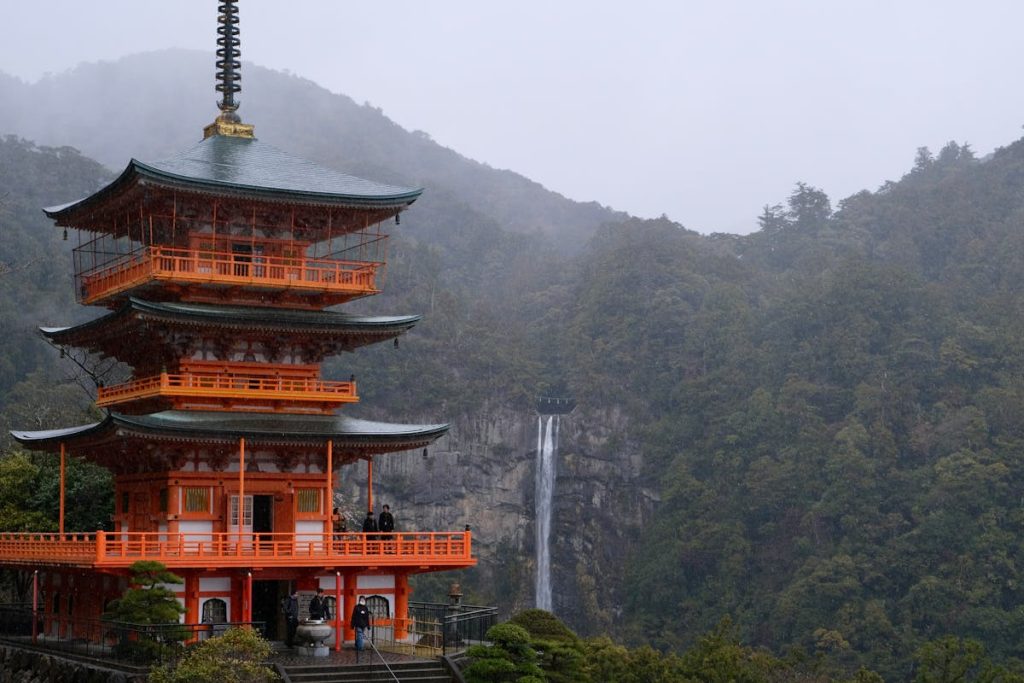
Japan recognizes Christmas as a commercial and social occasion rather than a major holiday. Offices, schools, and government institutions operate normally on December twenty fifth. Decorations appear briefly, focused on shopping districts and couples celebrations. The dominant year end event is New Year, known as Shogatsu, which carries deep cultural and spiritual importance. Families return home, businesses close, and temples host rituals. Travel slows significantly during early January instead of December. In Japan, Christmas remains secondary, while New Year traditions define seasonal schedules, national travel patterns, and cultural meaning far more than December celebrations ever do across the country.
China

People in China does not treat Christmas as a national holiday. Schools, offices, and government services remain open as normal. Decorations appear mainly in major cities and shopping centers, driven by commercial interest. The most important holiday is Chinese New Year, also called Spring Festival, which follows the lunar calendar. This event involves mass travel, extended family gatherings, and nationwide closures. Planning centers around January or February rather than December. In China, Christmas holds minimal cultural significance, while Lunar New Year defines the annual rhythm, shaping migration patterns, business schedules, and social life across the country on a massive scale.
India
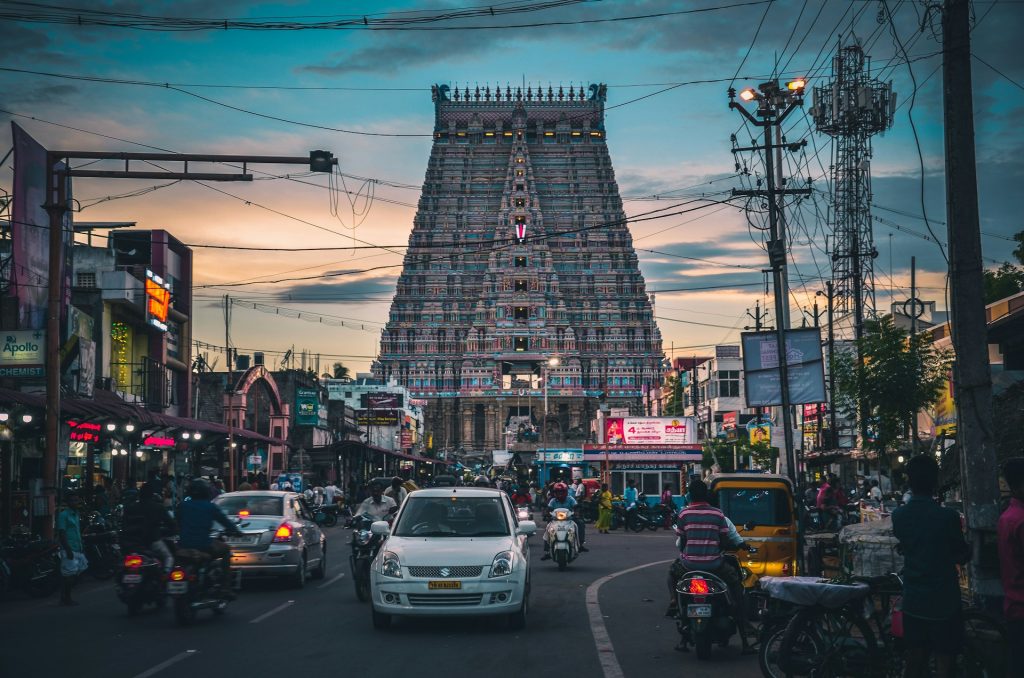
In India people does not center its holiday calendar around Christmas. While Christian communities observe it, most regions continue normal routines during Christmas. The country prioritizes festivals like Diwali, Holi, and regional celebrations tied to religion and harvest cycles. Diwali, the festival of lights, holds national significance with widespread closures, travel, and public celebration. December remains a working period for most industries. In India, cultural diversity shapes multiple holiday calendars, none dominated by Christmas. Travel patterns, public life, and seasonal traditions revolve around Hindu, Muslim, Sikh, and regional observances rather than a single December event.
Thailand
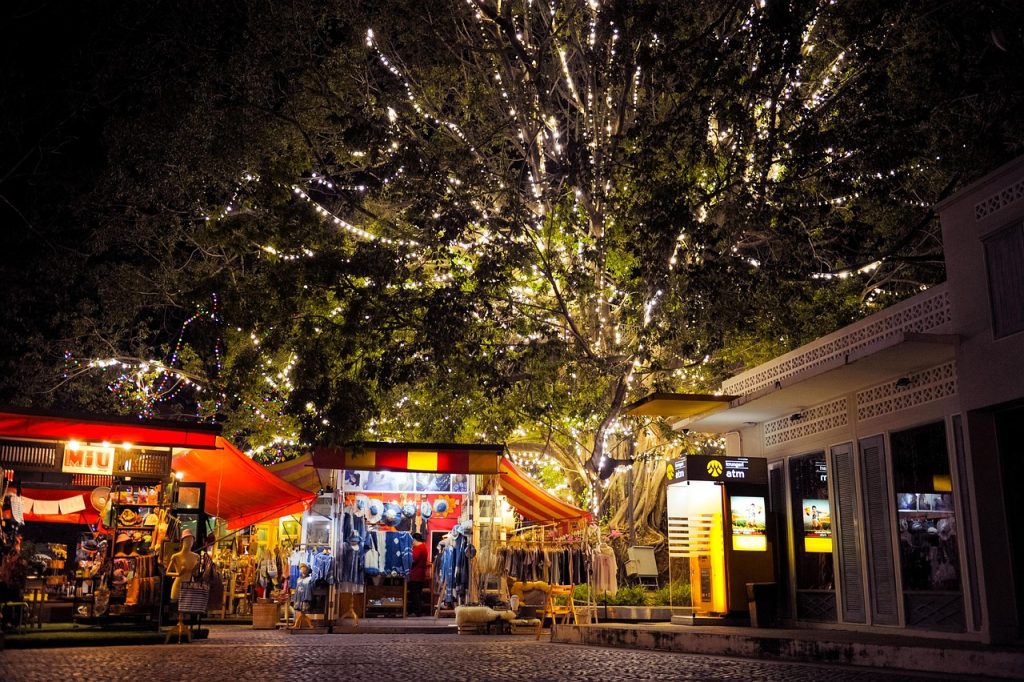
Thailand does not treat Christmas as a public holiday. Offices, schools, and government services operate normally. Decorations appear mainly in tourist areas and shopping malls. The most important celebration is Songkran, the Thai New Year, held in April. This festival involves nationwide travel, water rituals, and extended time off. Buddhist holidays also guide the calendar more strongly than December observances. In Thailand, Christmas remains a minor imported custom without cultural weight. Seasonal travel, closures, and family gatherings align with Songkran and religious festivals rather than Western winter holidays across the country each year. This pattern influences education schedules, tourism planning, media focus nationwide.
Israel
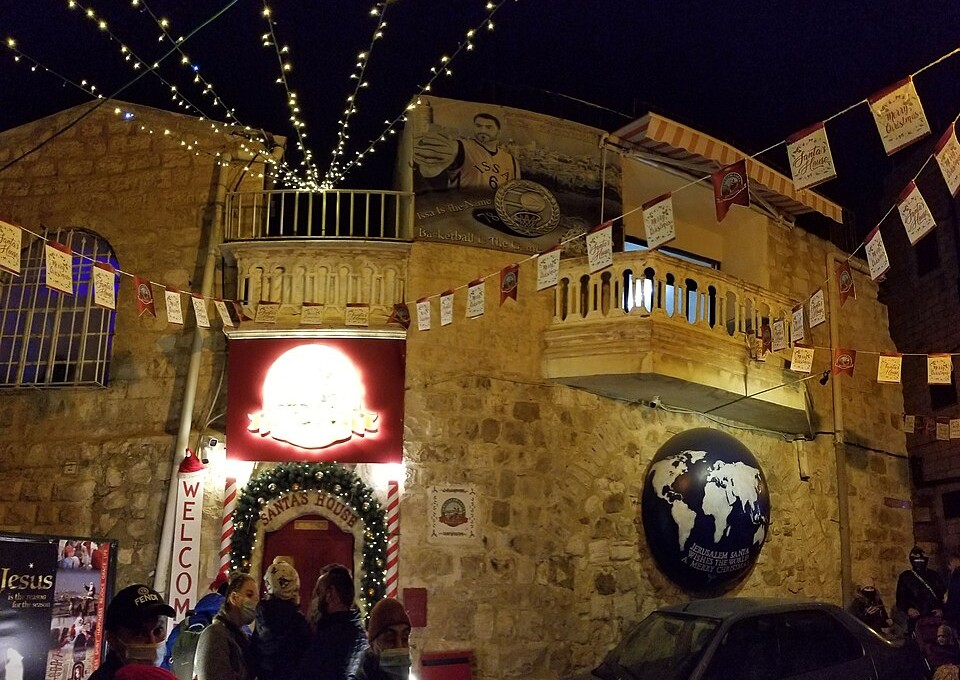
Israel does not prioritize Christmas nationally. The country follows a Jewish calendar, with major holidays like Rosh Hashanah, Yom Kippur, and Passover shaping public life. During these periods, transportation shuts down, businesses close, and families gather. December twenty fifth remains a regular workday for most citizens. Christmas is observed mainly by Christian communities in specific cities. In Israel, holiday rhythms follow religious tradition tied to Jewish history. National schedules, school breaks, and travel patterns revolve around Jewish holidays rather than Christmas, making December a comparatively quiet and functional time across most of the country, especially within government, media, transportation, and commerce.
Morocco
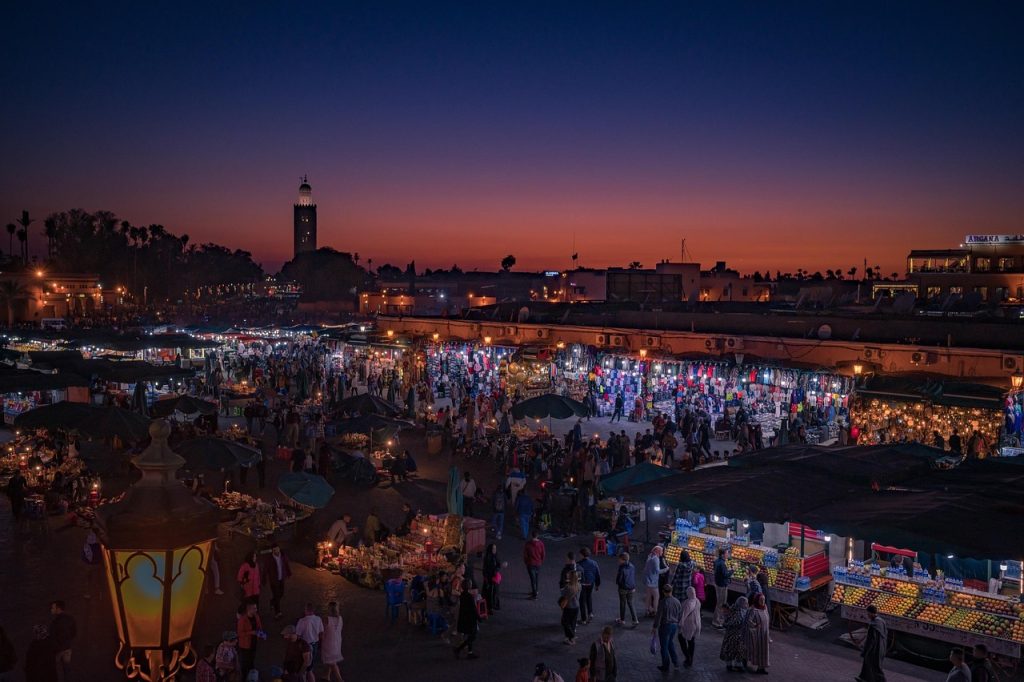
The Morocco does not observe Christmas as a national holiday for the whole nation. Daily life continues normally throughout December. As a predominantly Muslim country, Morocco centers its calendar on Islamic holidays like Eid al Fitr and Eid al Adha. These events involve widespread closures, family gatherings, and travel. Religious observances follow the lunar calendar, shifting yearly. Christmas appears mainly in tourist hotels without cultural integration. In Morocco, holiday importance aligns with Islamic tradition rather than Western customs. Seasonal rhythms, business operations, and social life reflect religious calendars, making December an ordinary month across cities.
Turkey
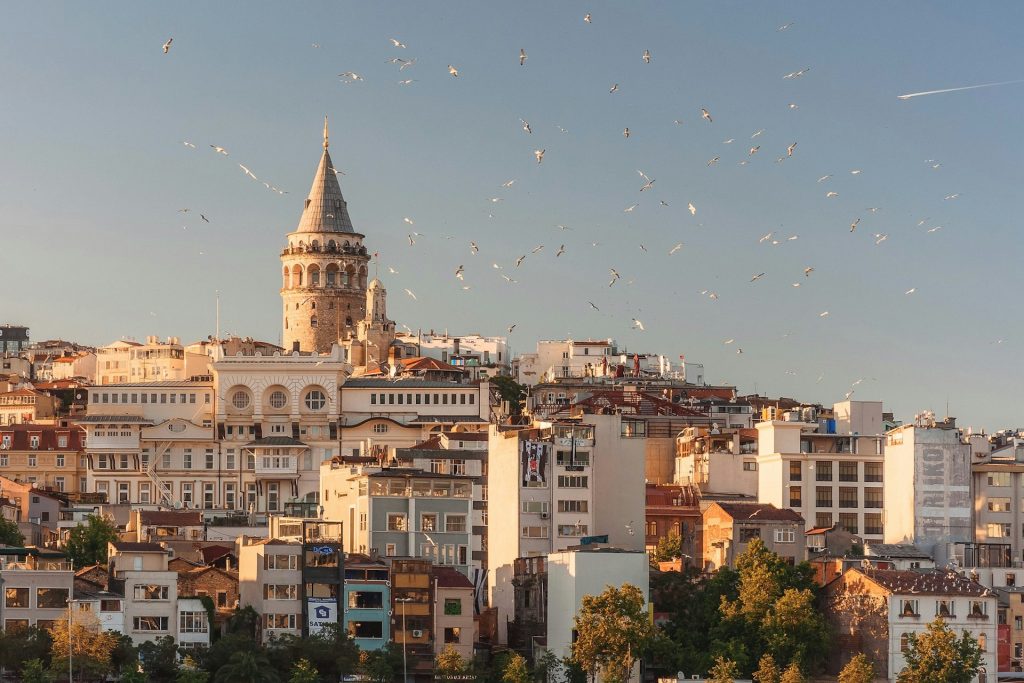
Turkey does not recognize Christmas as a public holiday. Schools and offices remain open on December twenty fifth. While some decorations appear in commercial districts, the major celebration is New Year’s Eve on December thirty first. Additionally, Islamic holidays like Ramadan Bayram and Kurban Bayram shape national schedules. These holidays bring closures, travel surges, and family gatherings. In Turkey, Christmas holds limited cultural significance. The calendar reflects a blend of secular and Islamic traditions, with New Year and religious festivals carrying far greater social and logistical importance than Christmas throughout the country. This pattern influences tourism, planning, school terms, media coverage nationwide.
Nepal
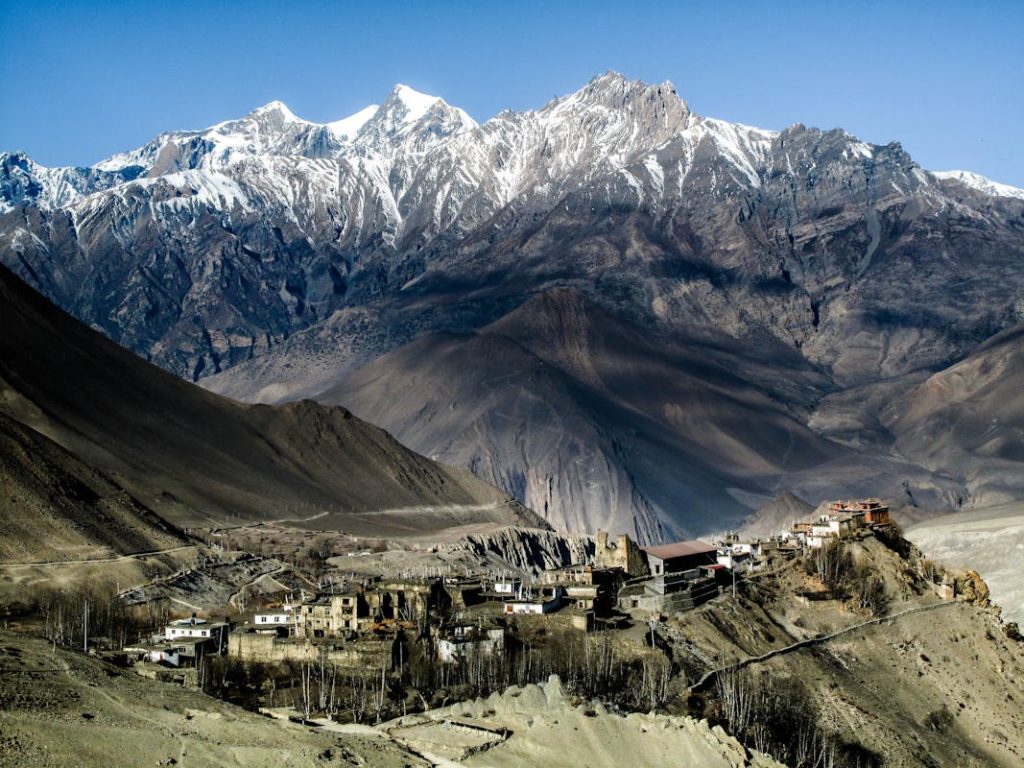
Nepal does not center its holiday calendar on Christmas. While small Christian communities observe it, most of the country continues normal routines. Major holidays include Dashain and Tihar, which involve extended family gatherings, travel, and public closures. These festivals reflect Hindu tradition and seasonal cycles. The Nepali New Year also holds cultural importance. December remains largely functional for businesses and schools. In Nepal, holiday life revolves around local religious traditions rather than global observances. Travel patterns, social priorities, and national pauses align with Dashain and Tihar, not Christmas celebrations across the Himalayan nation. This rhythm shapes education schedules, government operations, media focus.
Saudi Arabia
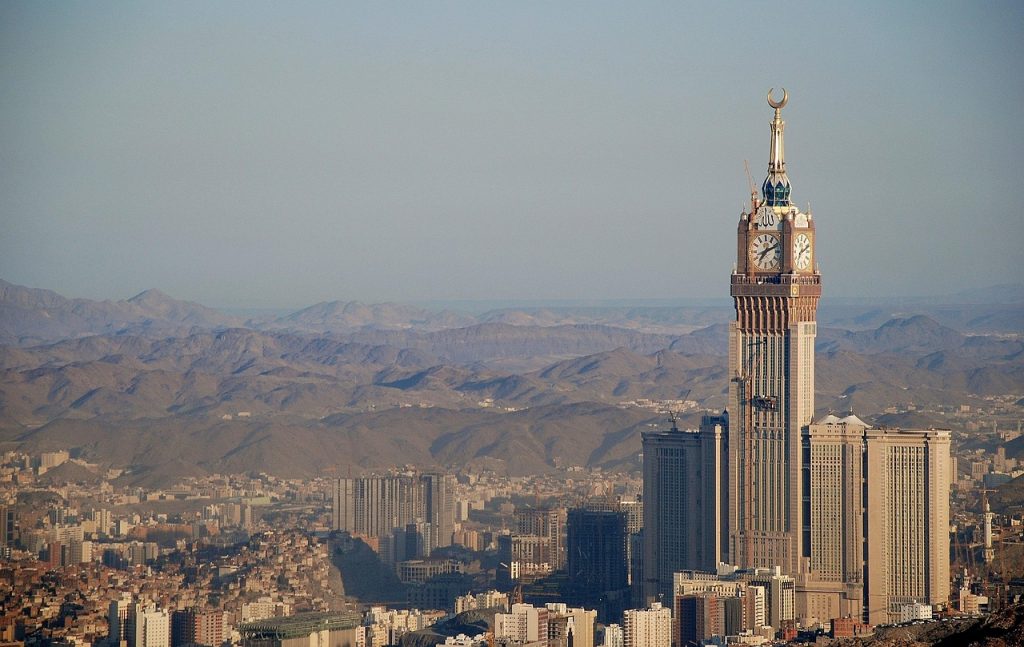
Saudi Arabia does not observe Christmas publicly. As an Islamic nation, the country follows the Hijri calendar. Major holidays include Eid al Fitr and Eid al Adha, which involve nationwide closures, travel, and family gatherings. December twenty fifth remains a regular working day. Public Christmas celebrations do not occur. Social and religious life centers on Islamic observances and rituals. In Saudi Arabia, the holiday calendar reflects faith based traditions rather than international customs. Seasonal schedules, public life, and national celebrations align entirely with Islamic events, making Christmas culturally irrelevant within the country. This structure shapes daily life, commerce, education, media, travel, nationwide.