9 Countries Where December Travel Is Surprisingly Calm
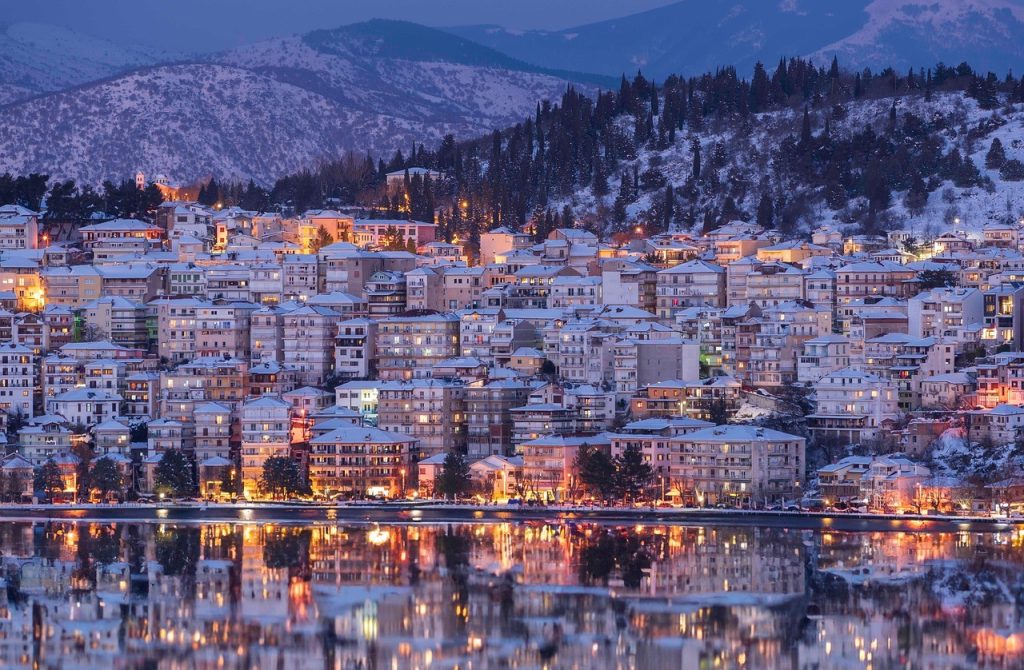
December travel is usually sold as crowded and expensive, yet some countries settle into a quiet, steady pace. The calm often comes from timing, not mystery: shoulder-season weather, post-fall gaps, or destinations that peak in other months. Hotels have more availability, staff have more time, and reservations stop feeling like a race. Streets still glow with holiday light in many places, but the mood is less frantic and more local. For travelers who like slower mornings, long walks, and unhurried meals, December can feel like a reset.
Portugal
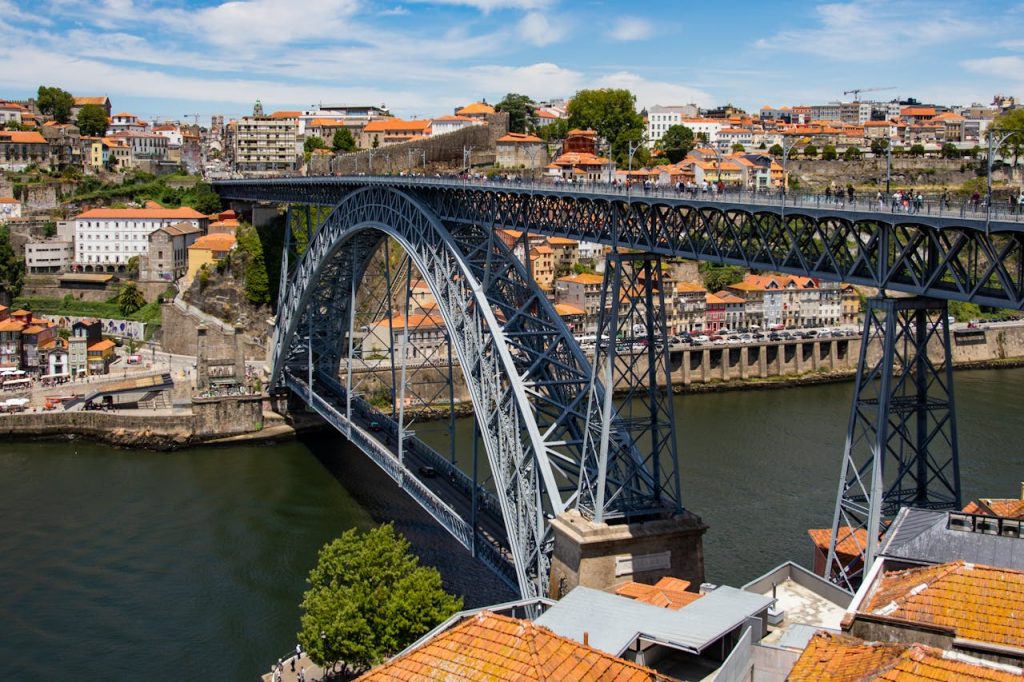
Portugal in December often feels like the country finally has room to breathe. Outside the Christmas and New Year spike, early December stays quieter, and hotels in Lisbon, Porto, and smaller coastal towns tend to compete with better rates and small add-ons like breakfast or flexible checkout. The weather supports city wandering without the summer crush: viewpoints stay breezy, trams feel less packed, and a Sintra day trip is easier to plan without strict timing. Even popular neighborhoods feel more lived-in, which makes bookshops, bakeries, and tiled side streets the main event.
Greece
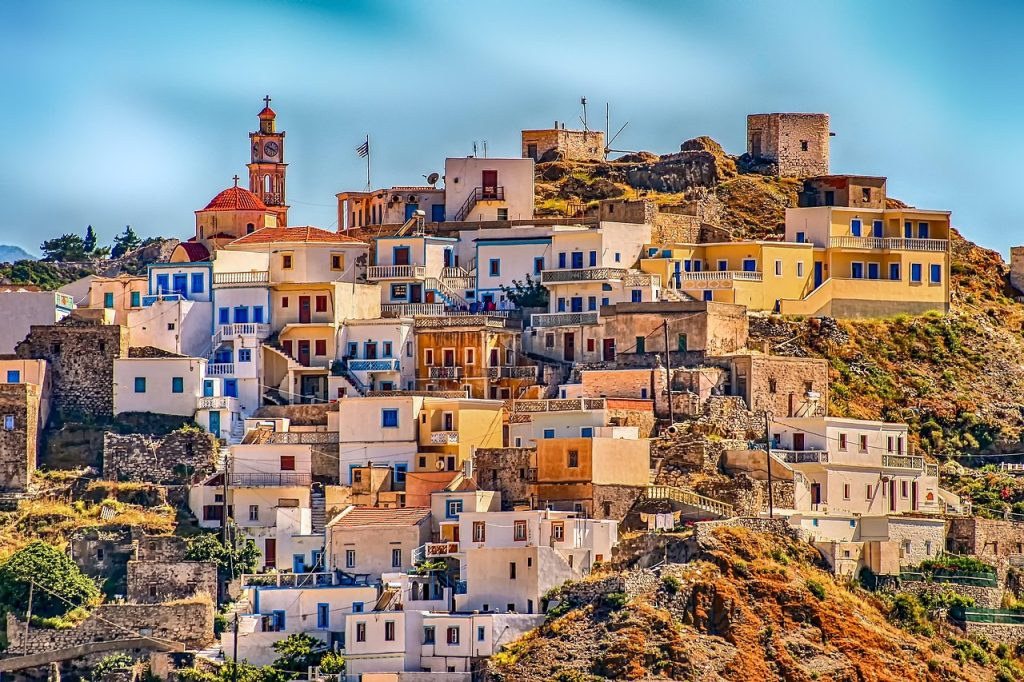
Greece in December shifts into its off-season rhythm, and that change is felt in both prices and pace. Some islands power down, but Athens and Thessaloniki keep everyday life moving, with markets, cafés, and museums that are easier to enjoy without lines shaping the day. Hotels stop pricing for summer demand, so staying central becomes more realistic, especially midweek, and restaurant tables open up at normal hours. The payoff is simple: quieter ruins in the morning, long lunches that do not require a reservation strategy, and evenings that feel local instead of tour-driven.
Ireland
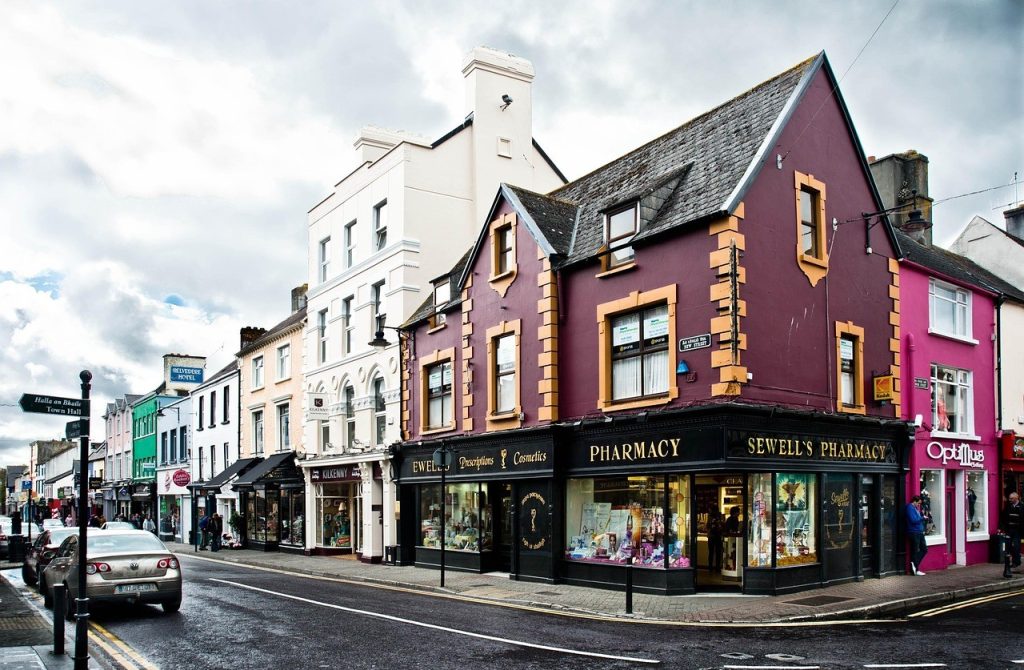
Ireland in December sits in low season, and it often shows. Outside the busiest holiday week, hotel availability improves, rates can soften, and the pace slows in a way that suits the country’s winter mood. Dublin stays lively, but smaller towns feel especially calm, with glowing pub windows, early-night music, and streets that can be walked without weaving through crowds. Coastal drives and castle stops feel more spontaneous because parking, tickets, and tables are easier to get. The weather can be brisk, yet that is part of the charm, pushing days toward warm cafés, bookstores, and long, talkative dinners.
Morocco
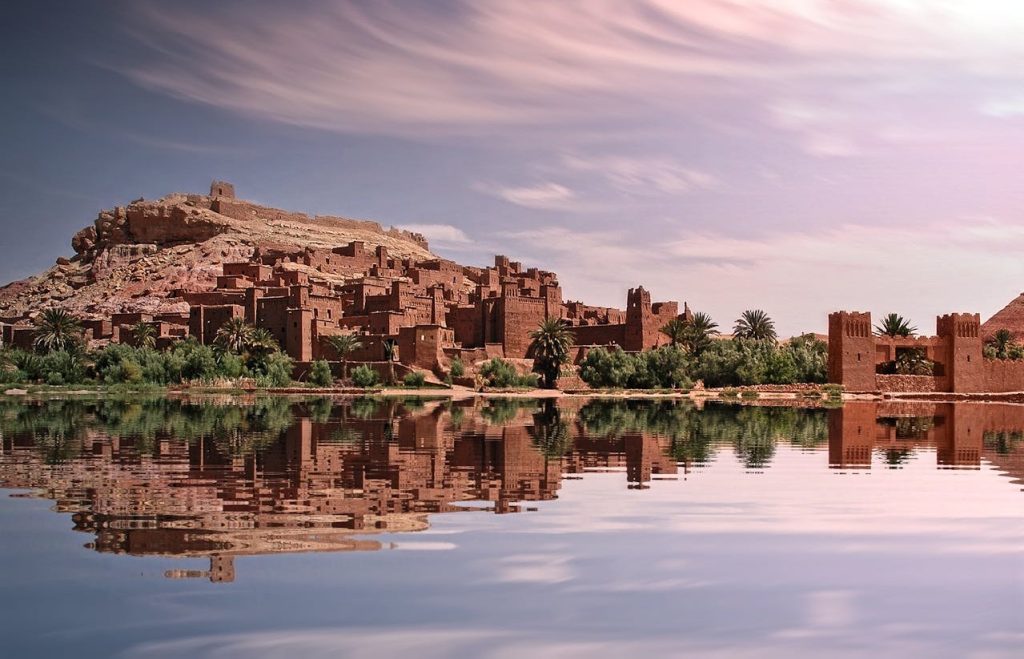
Morocco in December is often calmer because the weather turns cooler and the biggest crowds thin out, especially in the first half of the month. Riads in Marrakech and Fès can feel more attainable, and it becomes easier to choose a location for atmosphere, not just availability. Medina walks slow down in a good way: fewer tour groups, more space to browse, and more time for a rooftop tea without feeling hurried by the next stop. Desert gateways still run trips, but schedules are less squeezed, which helps travelers pick better departure times and avoid the rushed, checkbox pace.
Peru
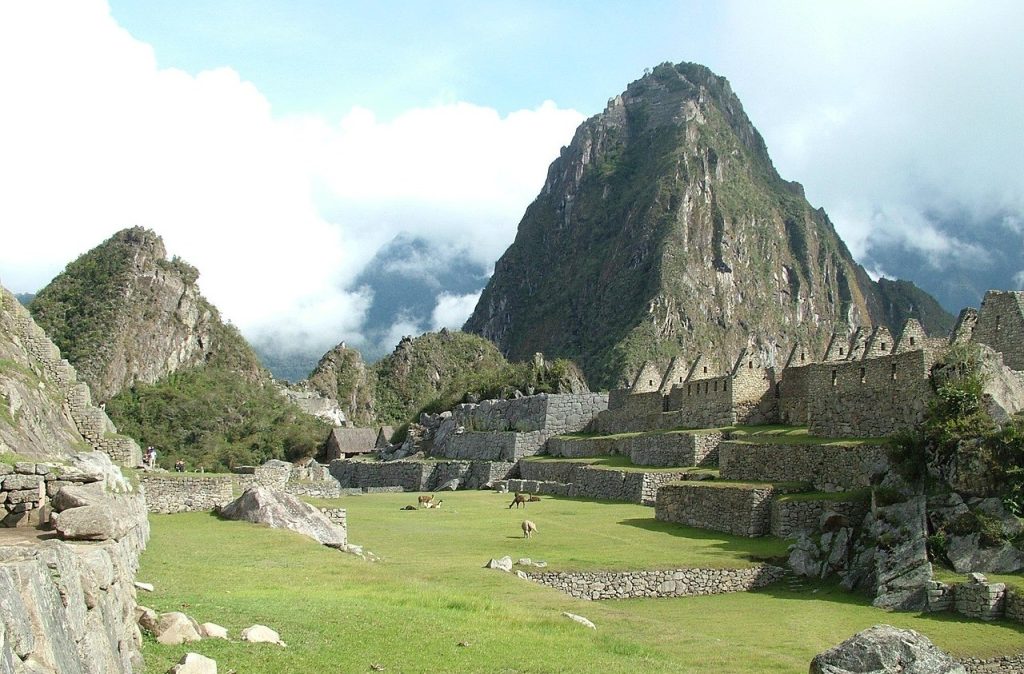
Peru’s December calm is tied to seasonality. In the Andes, rains return, and fewer visitors plan long itineraries, which can ease hotel pressure in Cusco and the Sacred Valley. Stone streets shine after showers, cafés become natural pauses, and museums feel quieter, even in well-known neighborhoods. Machu Picchu stays open, but the crowd energy can be softer than in the dry-season peak, with more room on platforms and viewpoints when timing aligns. The trade-off is weather flexibility, yet that can be managed with layered plans, indoor stops, and a willingness to treat rain as part of the setting, not a spoiler.
Nepal
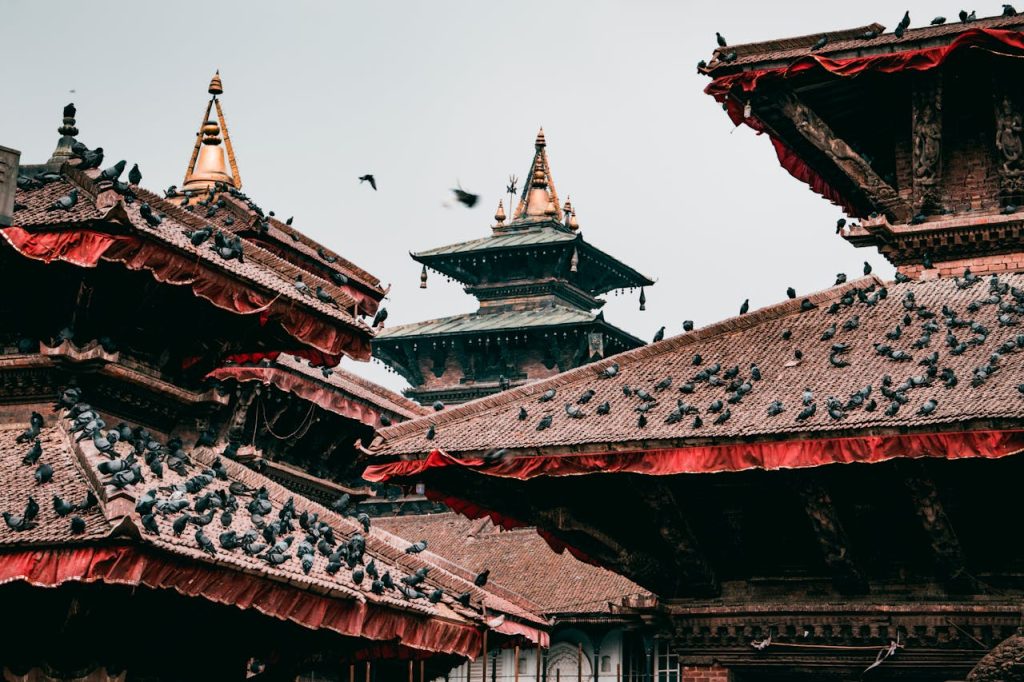
Nepal in December can feel calmer than the autumn rush while still offering clear, crisp days on many routes. Teahouses on popular trails may have more open rooms, guides have more flexibility, and travel logistics stop feeling like a competition for the last bed before dusk. In Kathmandu, the lanes settle between tour waves, and the city’s temples and courtyards can be explored at a steadier pace. Winter does bring colder nights, yet the payoff is that days feel uncluttered: fewer trail bottlenecks, quieter viewpoints, and a rhythm that supports slow breakfasts, early starts, and long tea stops without rush.
Namibia
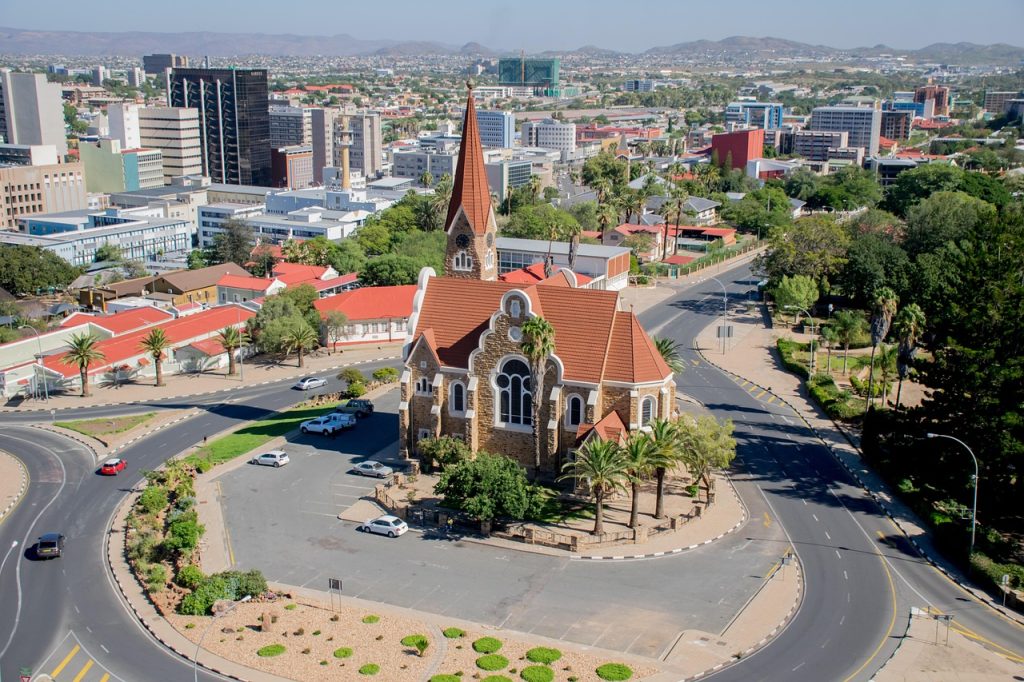
Namibia in December often stays quiet because it lands near the start of the rainy season, when fewer travelers chase classic dry-season safari timing. Lodges and camps can have better availability, and road-trip planning becomes easier because bookings are not as tight. The landscape also changes: skies turn dramatic, light shifts fast, and the desert can look unexpectedly green after short rain bursts. That creates a different kind of beauty, paired with fewer people at overlooks and rest stops. Even in well-known regions, the day ends with a calmer camp atmosphere, where dinner and stargazing feel less scheduled and more natural.
Mongolia
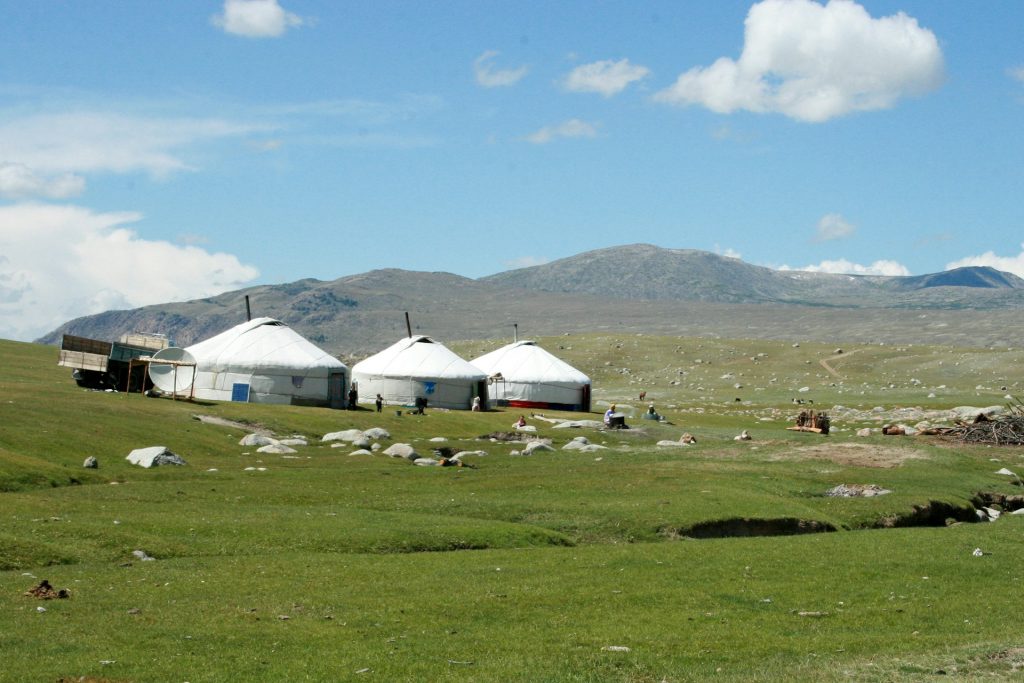
Mongolia in December is calm for a straightforward reason: winter is intense, and most casual tourism stays away. That leaves a rare sense of space in both the city and the steppe. Ulaanbaatar’s cafés, galleries, and markets become warm pockets, while the open landscape feels stripped down and quiet, with clear light and long horizons. Hotels and guides are not dealing with peak demand, so planning can be more human and less rigid. Winter festivals can add warmth and color without turning the country into a crowd scene, keeping the experience intimate rather than overrun.
Madagascar
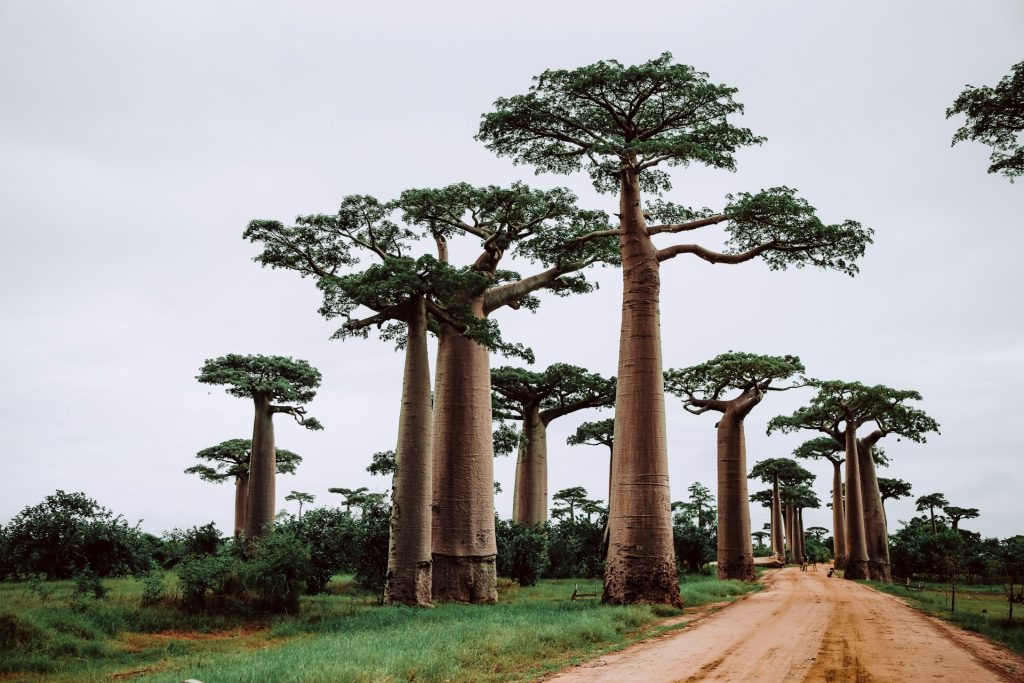
Madagascar often becomes quieter in December because wetter weather slows long circuits, and fewer travelers plan big multi-stop routes. That softer demand can improve hotel availability in key hubs and make rates less aggressive, especially for well-run properties that are tough to book in peak months. The island’s rhythm stays strong: markets, local food, and everyday street life carry the experience more than organized tours. Some coastal areas feel more local than visitor-focused, and day plans can stay flexible, shaped by weather windows and small discoveries. It is the kind of trip where calm comes from fewer fixed schedules and more room to adapt.