9 Cross-Border Day Trips Americans Say Feel More Complicated Today
Border day trips used to feel like a trick of geography: a quick pastry across a river, a bookstore browse across a line, then home by dinner with a new receipt in the pocket.
More Americans now prep like it is a real departure. IDs get checked twice, car papers get packed, and return times get padded because a short crossing can still bring questions, lane shifts, and surprise slowdowns.
Phones add their own friction, from roaming charges to spotty service near ports. The mood shift is subtle, but real, especially when every purchase needs a calm, clear explanation on the way back, even for a short errand run after lunch.
Detroit to Windsor, Ontario
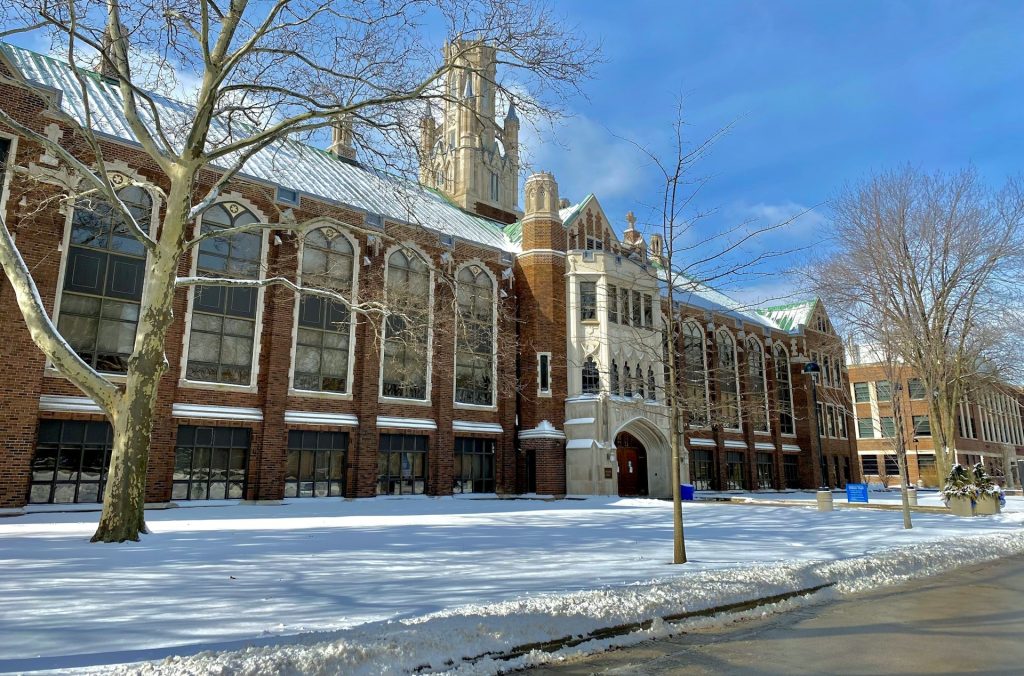
Detroit and Windsor still share a skyline, but the crossing feels less casual than the distance suggests. Regulars keep WHTI-ready ID close and expect direct questions about where the day is headed, who is in the car, and when it ends.
The tunnel or bridge can move fast at noon and crawl at 5 p.m., so lunch now comes with buffer time. People watch for busy nights, pick lanes carefully, and keep a backup plan when traffic stacks.
On the return, small errands stay simple when receipts are sorted and totals are easy to state. Even a grocery bag can invite follow-ups, so crossers keep answers tight, phones set, and purchases easy to explain.
Buffalo to Niagara Falls, Ontario
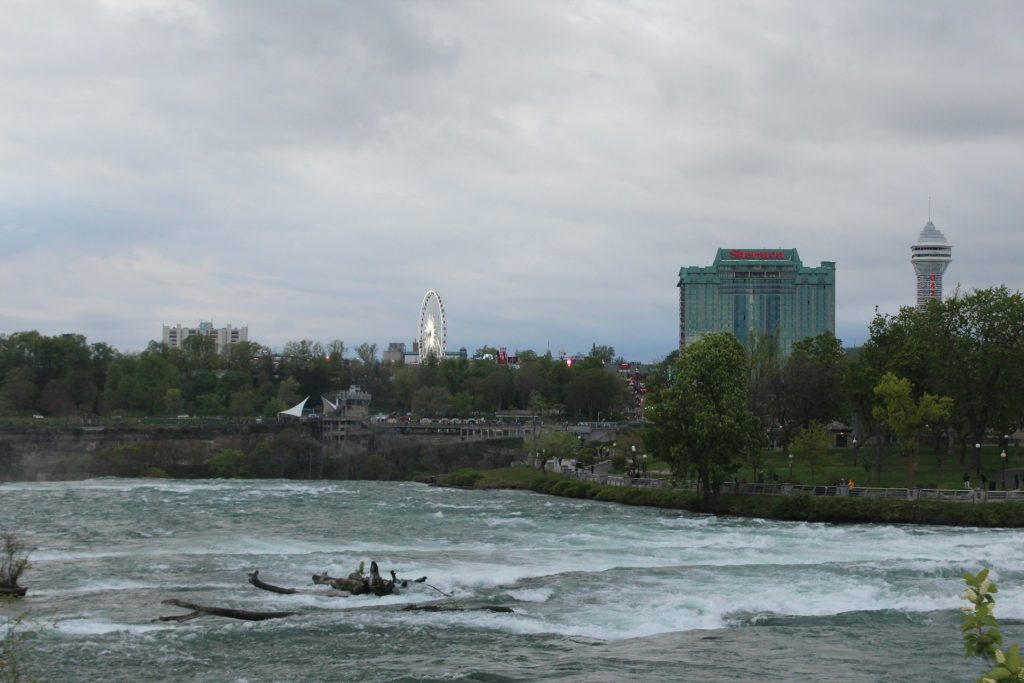
Niagara Falls looks like postcard ease, yet the bridges can turn a short stroll into a timed exercise in patience. Crowds swell on weekends, and the line often moves in bursts, not a steady flow, even with the mist in sight.
On the Canadian side, the payoff feels bright, but the return crossing sets the tone for the evening. Small purchases need clear declarations, and fuzzy totals invite follow-up questions that slow the lane.
Many day trippers now treat the outing like a schedule, not a wander. Receipts go into one pocket, and the return happens earlier than planned, because a late surge can turn a sunset stop into a long wait.
Seattle to Vancouver, British Columbia

Seattle to Vancouver sounds like a coastal reset, but the Peace Arch crossing can turn that idea into a timing game. Weekend traffic flips from smooth to stalled on long weekends, and inspections can stretch a quick hop into an hour.
Most travelers keep passports handy and answers consistent, because small inconsistencies can invite extra questions. A plan built around one meal can get reshaped by the lane that happens to move.
The city reward is real, yet the return drive carries pressure. Dinner plans can hinge on the shortest line, so many regulars pad the schedule and head south before the evening rush locks in.
Burlington to Montreal, Quebec
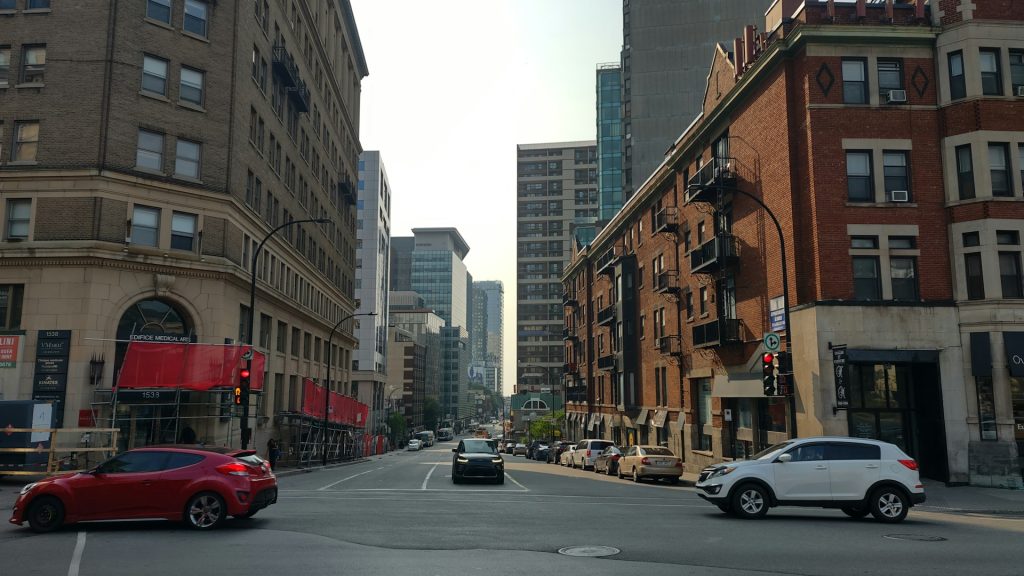
Burlington to Montreal once felt like a casual hop for bagels, festivals, and a quick change of language on the signs. Now the trip starts with a document check at home, because mixed groups move at the speed of the least-prepared person.
Winter adds weight when daylight fades early and roads turn slick, shrinking the margin for waiting in line. Even in summer, a delay can steal the hours that make the city feel worth it.
The charm lands inside a café, but the return time hangs over the evening. Many day trippers keep receipts together, skip one last stop, and head back earlier than planned to avoid turning a good day into a late drive.
Blaine, Washington to White Rock, British Columbia
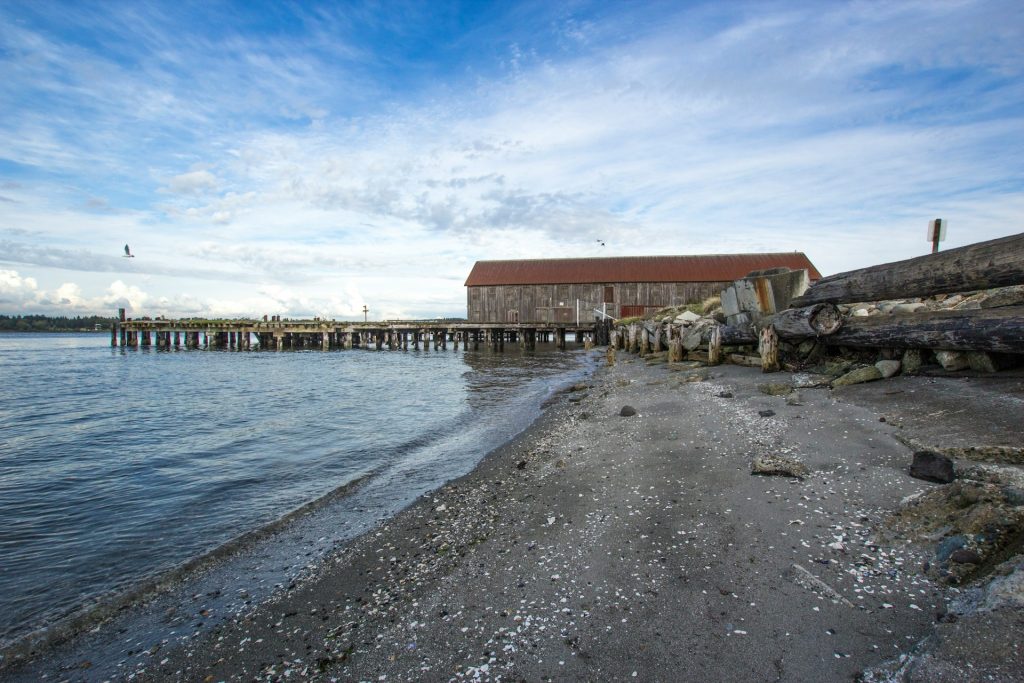
Blaine to White Rock is the kind of outing that should be easy: ocean air, a short boardwalk, and lunch with a view. Yet short does not mean simple when weekend traffic builds and inspection lanes tighten into a slow shuffle.
A beach afternoon can turn into a scheduling problem, because a late return can collide with commuter surges and force long waits. Travelers who forget proper documents learn the mistake ends the day before it starts.
The trip works best when it stays modest. Many locals skip peak hours, keep purchases minimal, and head back before late afternoon, when the line south can erase the calm the shore delivered.
San Diego to Tijuana, Baja California
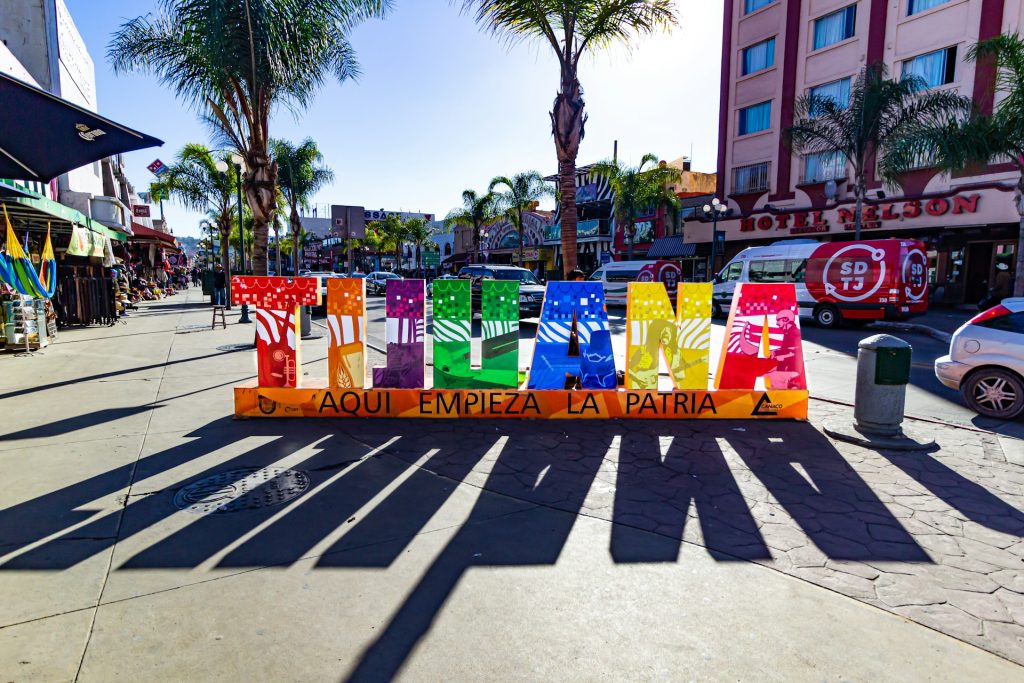
San Diego to Tijuana still offers a fast shift in food and street life, but the crossing turns casual plans into math. Waits can change, and that uncertainty shapes the day more than the distance does.
For U.S. visitors, Mexico may require a passport and, depending on the trip, an entry permit or form, which adds a step many did not factor into a simple afternoon. Parking choices, phone roaming, and card holds can add friction.
The return north is the variable. Walking versus driving, plus the time of day, can decide whether the evening ends early or after dark, so regulars keep receipts tidy and head back before the line thickens.
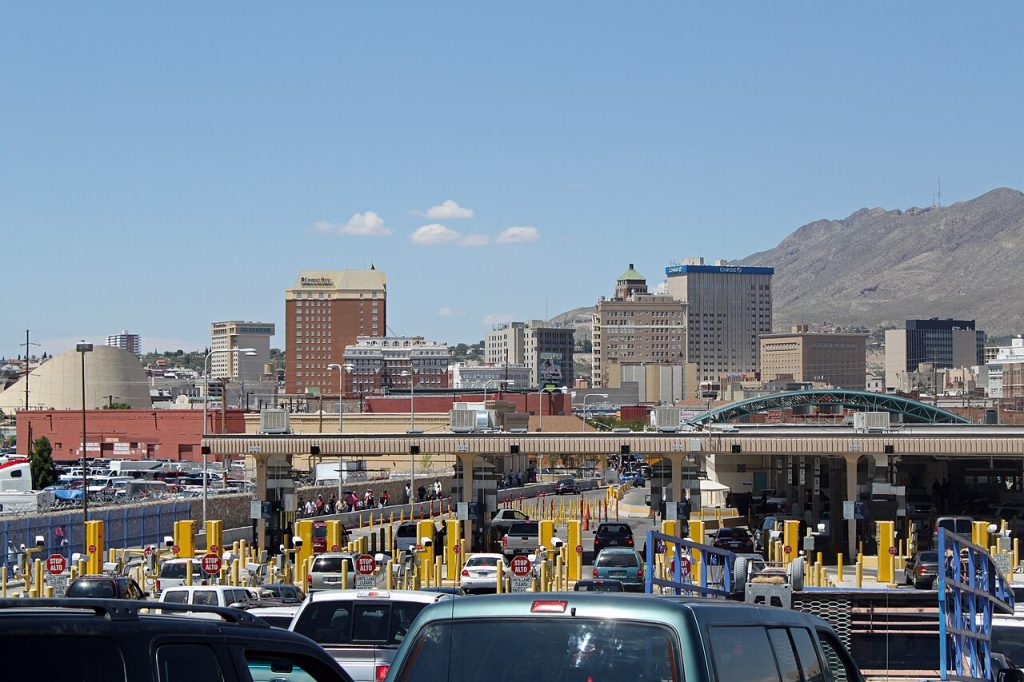
El Paso to Ciudad Juárez, Chihuahua
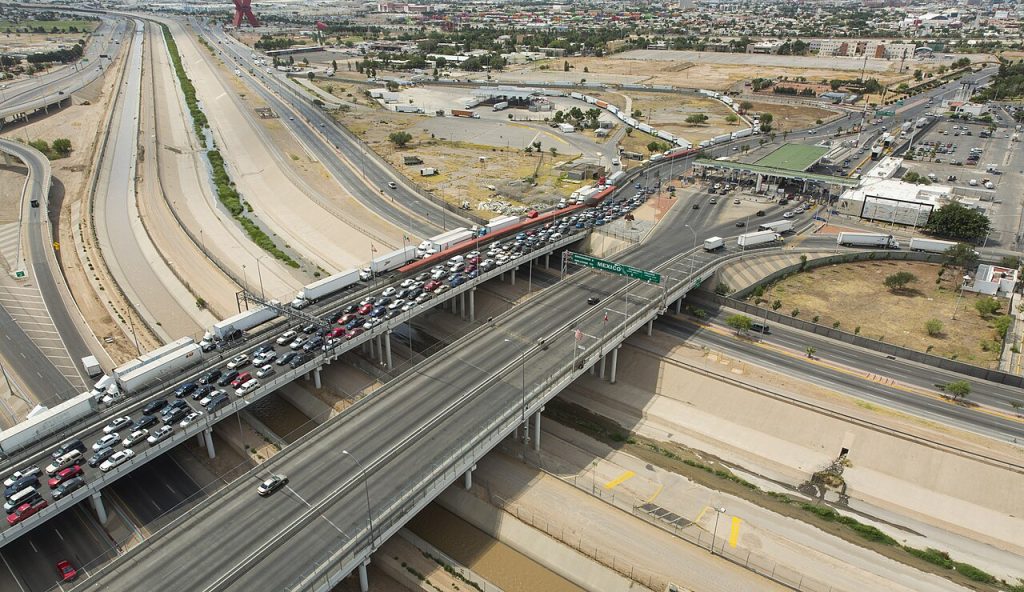
El Paso and Ciudad Juárez sit close enough to share weather and radio stations, yet the bridge can make an outing feel procedural. Questions at the booths are direct, and delays stack when commuter traffic swells.
For U.S. visitors, Mexico may require a passport and, depending on the trip, an entry permit or form, so even lunch across the river can carry a paperwork mindset. Add parking decisions and phone service quirks, and the hop feels heavier.
The return lane is the wild card. A short visit can become a long wait if timing is off, so many crossers keep plans tight, save receipts, and head back before the late-day rush builds.
Nogales, Arizona to Nogales, Sonora
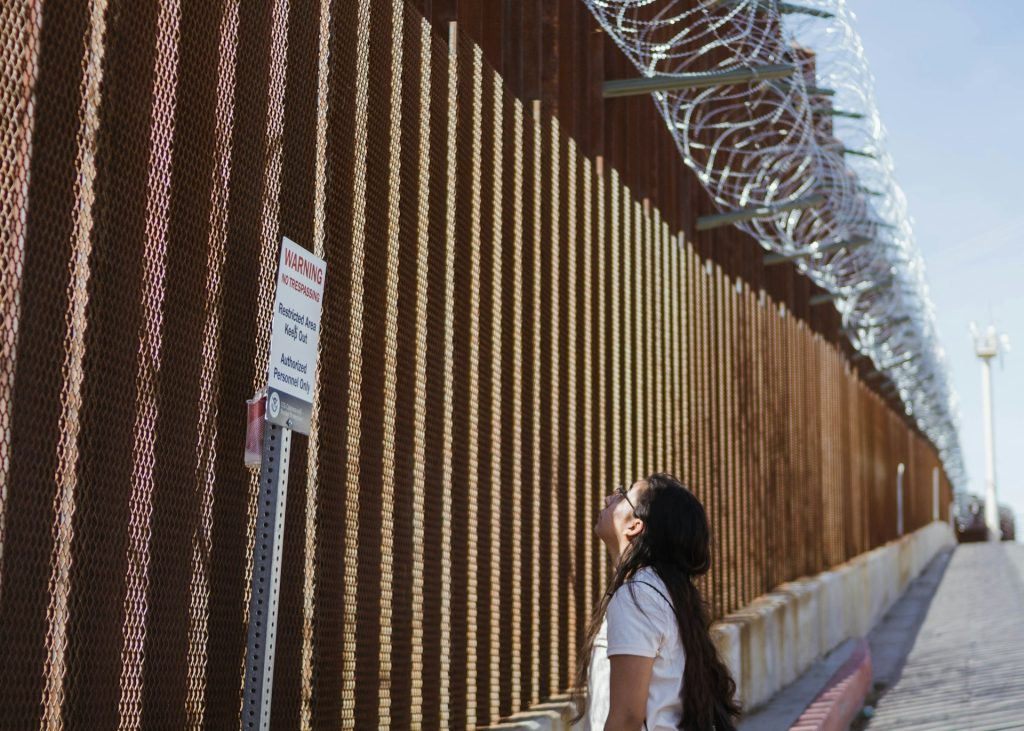
Nogales day trips revolve around errands, from dental visits to pharmacy pickups, plus a quick meal before heading back north. The outing can still feel familiar, yet the return has become more formal.
Back in the U.S., travelers are expected to declare what they bought, and some items, especially foods and plants, can trigger extra questions. Receipts and clear totals keep the conversation short when several stops blur together.
Waits can swing without warning, which turns an afternoon plan into a timing puzzle. Regular crossers keep purchases easy to list and head back earlier than they want so the line does not swallow the evening.
Laredo to Nuevo Laredo, Tamaulipas
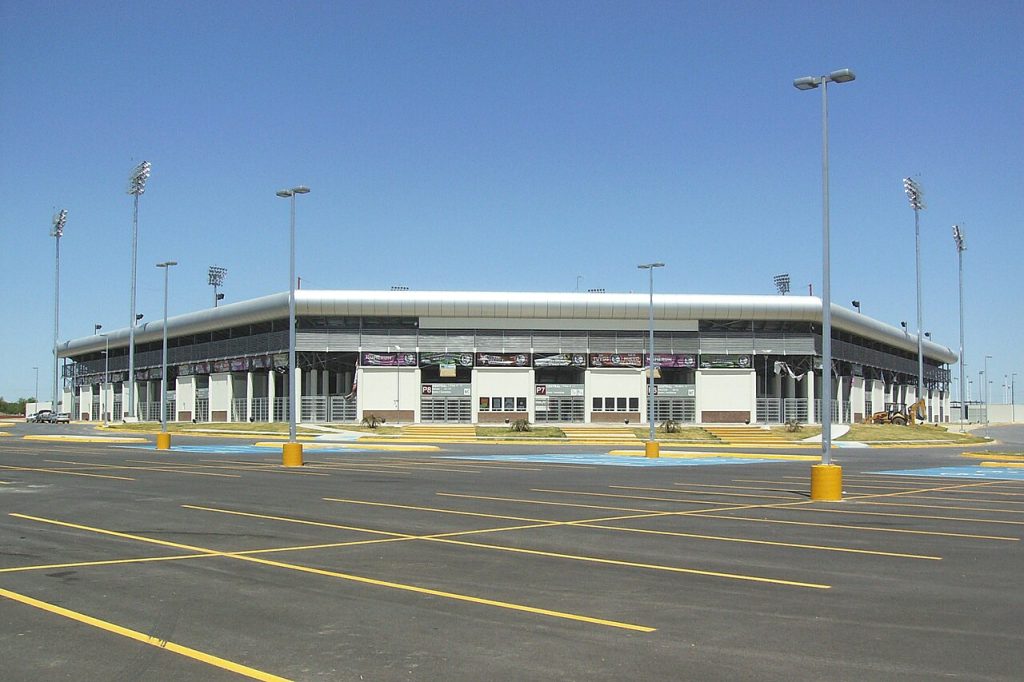
Laredo to Nuevo Laredo has long been a quick run for family errands, meals, and shopping that feels routine on both sides. Many Americans say the routine now starts with paperwork awareness, not just keys.
For U.S. visitors, Mexico may require a passport and, depending on the trip, an entry permit or form, which makes short visits feel scheduled. Add parking, phone roaming, and banking holds, and the day picks up extra moving parts.
The return can be the variable. Traffic builds at predictable hours, so seasoned crossers keep plans simple, save receipts, and leave earlier than they want to avoid watching the sun set in a line.