9 Destinations Where Overcrowding Led To Visitor Limits
Overcrowding rarely arrives as one dramatic moment. It builds season after season until sidewalks feel narrower, trails lose their edges, and residents start timing daily life around visitor waves. When demand outgrows a place’s capacity, the fix is often unglamorous: reservations, timed entry, capped cruise calls, and defined routes.
These limits can feel strict, yet they usually appear after years of strain on infrastructure and ecosystems. When they work, they do more than reduce queues. They restore pace, protect what is fragile, and let a destination feel like itself again.
Venice, Italy
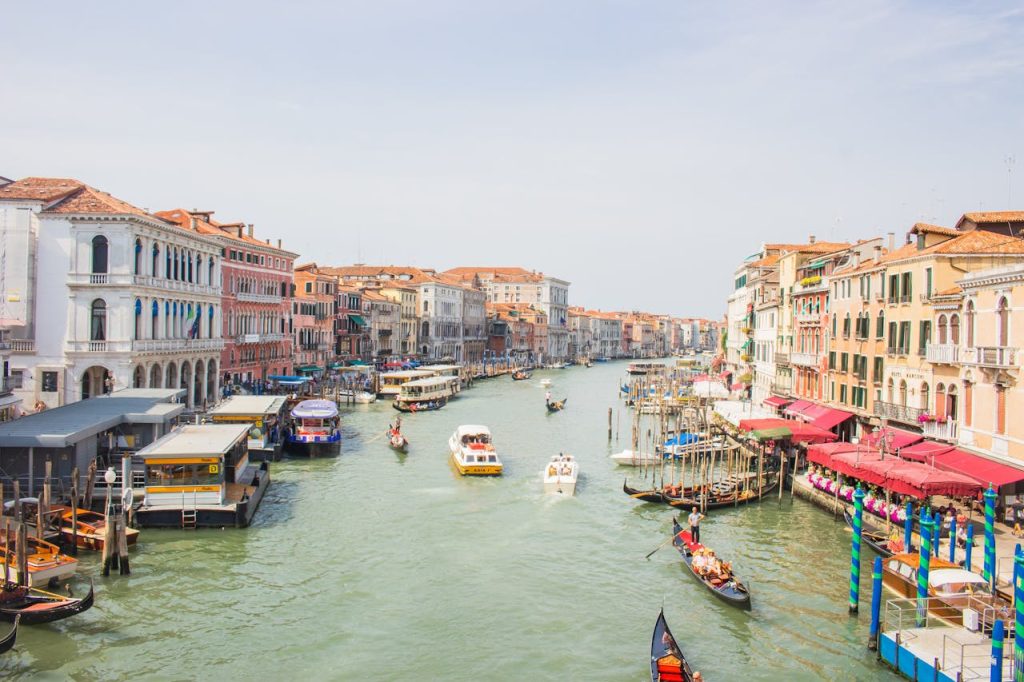
Venice started treating peak day-trips like a managed resource, not an endless stream. On select busy dates, visitors who are not staying overnight must register and pay a daytime access fee, with checks tied to a voucher code and clear time windows.
That extra step is meant to thin the mid-morning crush around Rialto and St. Mark’s, when lanes and bridges lock up and vaporetto stops turn into slow knots. Pricing nudges planning, since last-minute arrivals cost more. The payoff is simple: less crowd pressure on fragile streets, and a city that still feels livable on the busiest weekends. It discourages treating Venice like a detour.
Santorini, Greece
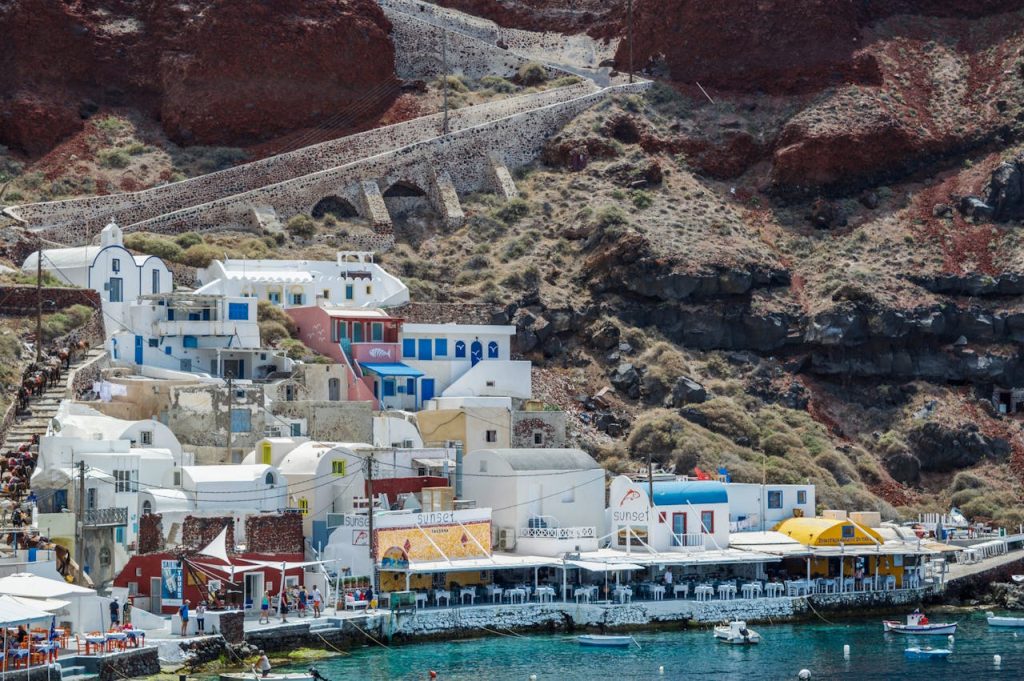
Santorini’s cliff towns were never built for cruise-day surges that drop thousands into the same tender boats, cable car line, and narrow lanes at once. To soften the spike, local plans set a daily ceiling for cruise visitors and pushed tighter scheduling so arrivals do not stack up in a single loud window.
The change does not erase crowds, but it reshapes them. Fewer simultaneous landings ease strain on buses, restrooms, and viewpoints in Fira and Oia, and the Old Port feels less like a funnel. It also signals that the caldera has limits, even when demand does not, which gives residents more predictable days during peak season.
Machu Picchu, Peru
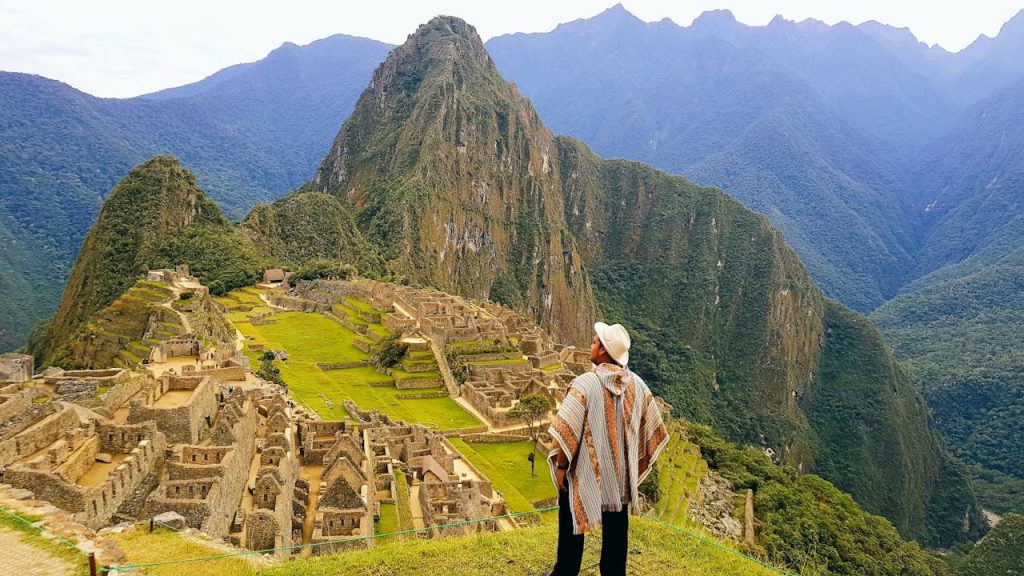
Machu Picchu tightened access after crowding began to strain paths, viewpoints, and the overall rhythm of the sanctuary. Entry now runs on timed tickets and defined circuits that guide movement instead of allowing free wandering, with daily capacity adjusted by season to manage pressure when demand surges.
The rules change the feel of the visit. Fixed routes reduce choke points at iconic lookouts and help protect stonework and steep edges from nonstop foot traffic. Time slots also cut the endless stop-and-start behind photo clusters, so the experience feels more like a careful walk through history than a slow shuffle in place.
Dubrovnik, Croatia
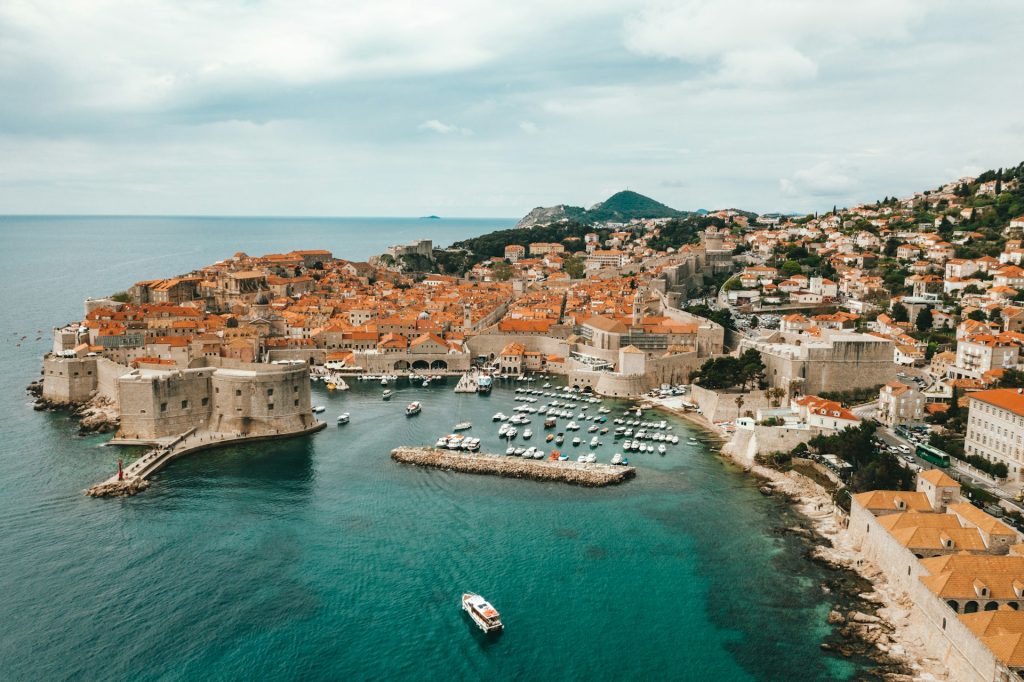
Dubrovnik’s walled Old Town is compact, and stacked cruise schedules once turned the gates into daily gridlock. To regain control, the city moved to limit how many ships can call in a day and to cap how many cruise visitors enter the historic core within the same time window, with staggered shore times.
The goal is not an empty Stradun. It is a walkable one, where residents can cross the city without being pinned behind tour clusters and selfie pauses. Smoother arrivals also ease pressure on stone streets, waste systems, and emergency access, which matters in a place where every alley narrows quickly on summer afternoons.
Maya Bay, Thailand
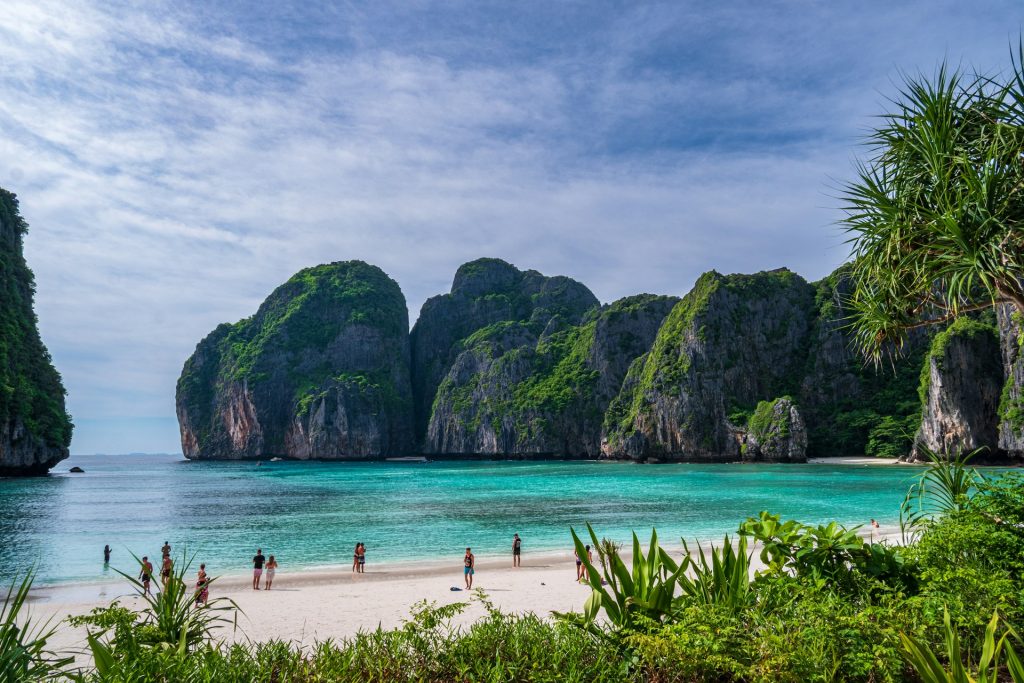
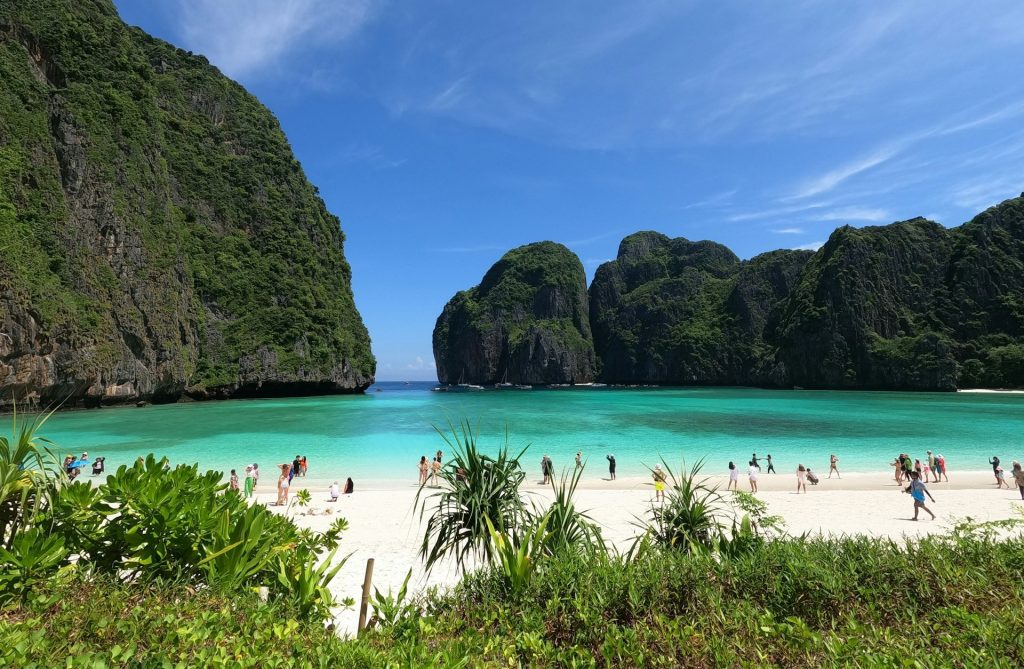
Maya Bay’s fame arrived faster than the cove could absorb. Heavy boat traffic and constant shore drop-offs overwhelmed a small, sensitive place, so authorities closed the area for recovery and later reopened with strict controls that treat access as temporary, not unlimited.
Boats no longer pull straight onto the beach, and visits run in managed time windows with clear rules about where people can walk and linger. The result is a calmer shoreline and less chaos in the water, with space for nature to recover between waves of arrivals. It feels more like a protected site than a quick backdrop, especially during the busiest months.
Mount Fuji, Japan
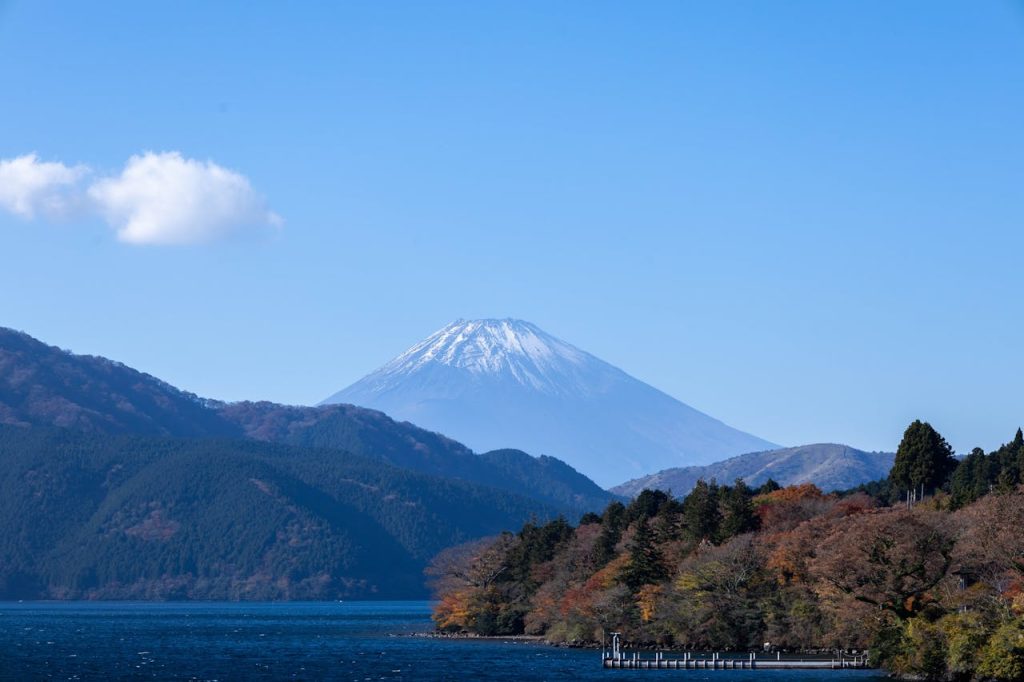
Mount Fuji’s busiest route became so crowded that safety and basic order started to fray. On the Yoshida Trail, officials introduced a daily cap of 4,000 climbers and added required registration and a hiking fee, aiming to reduce peak congestion and discourage risky late-night rush climbs during Jul. and Aug.
The limit matters because the mountain is a system: huts, toilets, rescue capacity, and fragile terrain above the tree line cannot absorb unlimited surges. With fewer bodies pressing uphill at once, bottlenecks ease at stations and switchbacks, and the climb feels closer to a steady pilgrimage than a crowded staircase.
Yosemite National Park, California
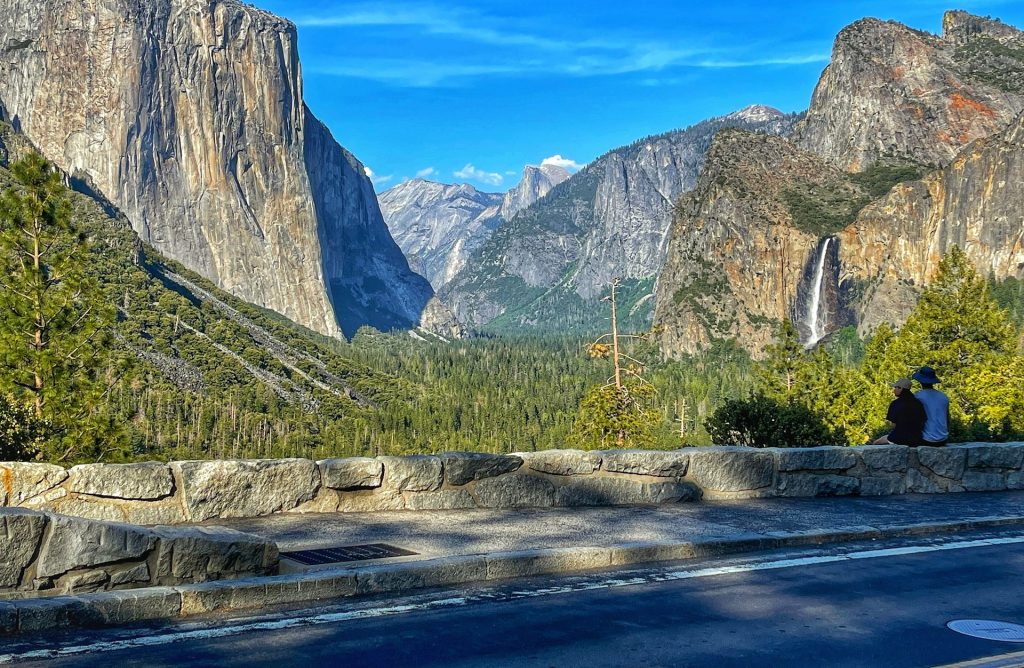
Yosemite’s crowd problem often begins before anyone reaches a trail. Peak-season traffic can gridlock the valley, fill parking by morning, and turn a day outdoors into long stretches of circling and idling. To flatten the spike, the park has used timed entry reservations for vehicles during the busiest dates and daytime hours.
The reservation works like a volume knob on arrivals. With fewer cars entering at once, backups ease, roadside wear drops, and rangers can focus on stewardship instead of congestion control. It also makes shuttle use and emergency access more predictable, which matters when the valley is packed and patience is thin.
Park Güell, Barcelona
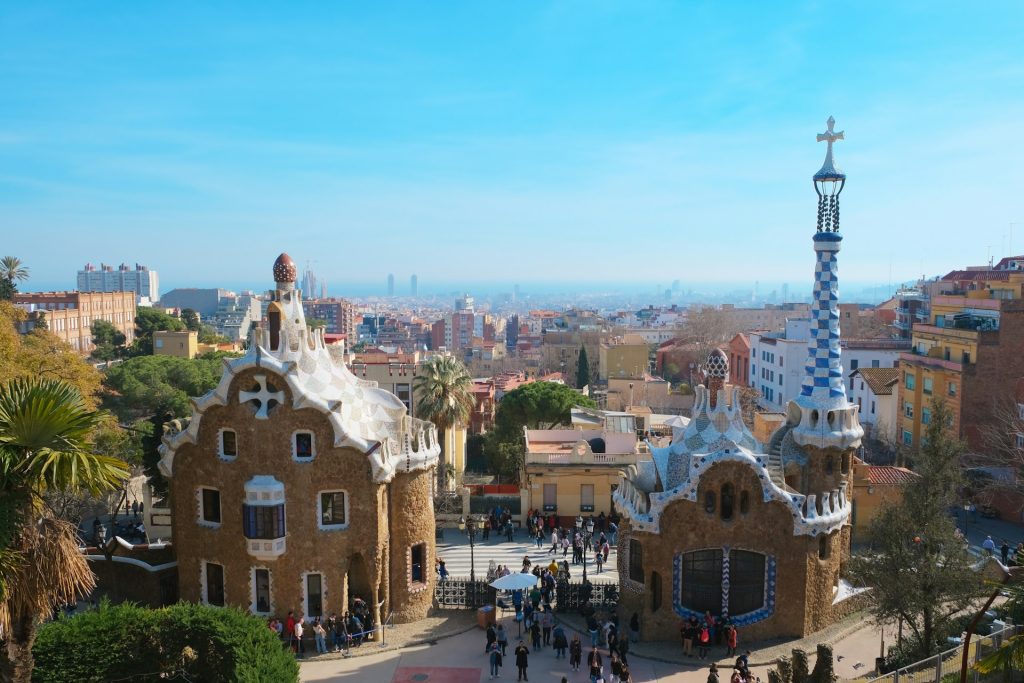
Park Güell shifted from neighborhood landmark to global magnet, and the monumental zone began to choke under constant arrivals. To protect mosaics and tight passages, entry runs on timed tickets with an hourly capacity cap, limiting how many people can be inside the key areas at once.
The cap changes the texture of a visit. There is less pushing near the Dragon Stairway, fewer bottlenecks on the main terrace, and more room to notice detail without being carried forward. Timed slots also reduce unmanaged lines outside the gates, which helps surrounding streets where residents feel overflow long after closing time on spring weekends.
Amsterdam, Netherlands
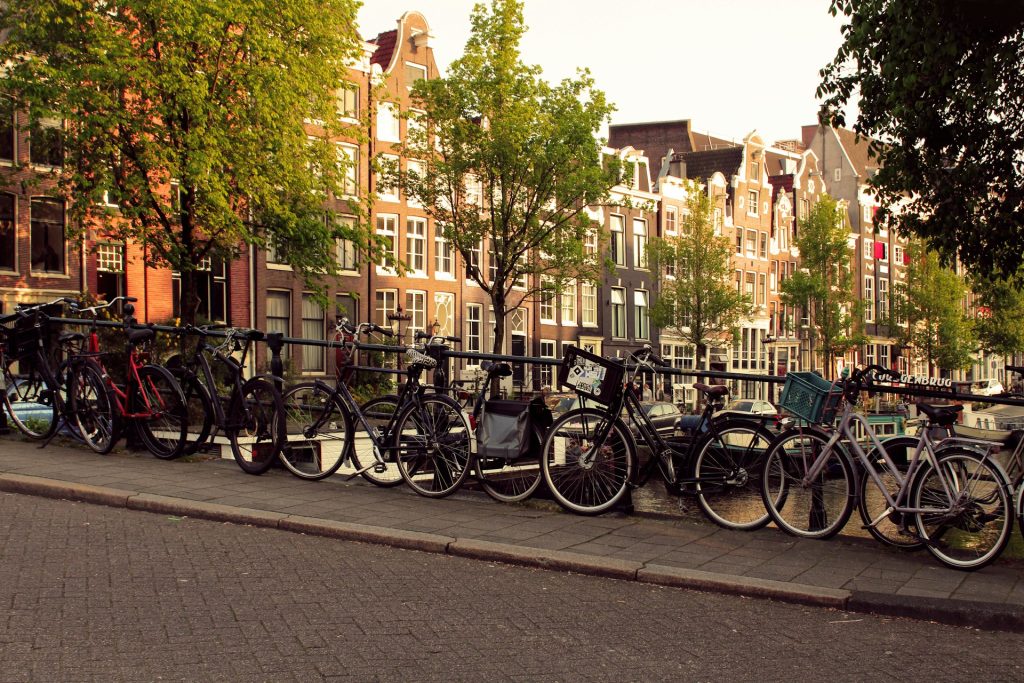
Amsterdam targeted a major crowd multiplier: cruise arrivals that drop large groups near the center in short bursts. The city set limits on cruise calls, cutting the number of ocean ships allowed each year and placing a ceiling on river cruise visits, shifting pressure away from the most sensitive canal-side neighborhoods.
These policies act like a softer form of timed entry. Fewer mass drop-offs at once means less strain on sidewalks, trams, and bridges that already carry daily life. It also supports a calmer visitor mix, with longer stays and fewer sudden waves, so the city can feel like a lived-in place, not a corridor of crowds.