9 Destinations Where Travel Is Actively Managed

Some trips are built around wonder. Others are built around timing, permits, and small rules that quietly decide what can happen in a day. Across major destinations, travel is being managed with tighter systems meant to protect fragile sites, reduce bottlenecks, and keep local life functioning.
What changes the experience is not just cost, but choreography: pre-booked slots, capped entries, closed windows, and mandatory briefings. Visitors who arrive prepared often move smoothly. Those who rely on improvisation can lose precious hours at the start. The new rhythm rewards planning long before the suitcase is zipped and the alarm rings.
Venice, Italy
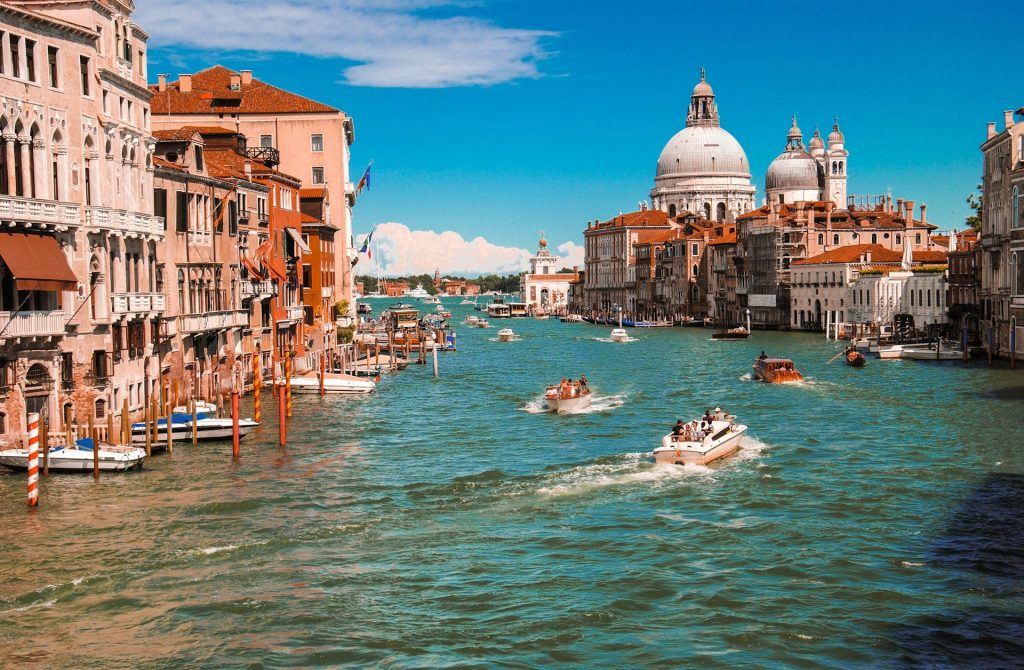
Venice has moved from passive crowd control to active entry management. The city confirms a 2026 access-contribution calendar that starts Apr. 3, with designated days and daytime enforcement windows, and it routes payment through official channels before arrival. The system is aimed at day visitors, not overnight guests, and it is built to spread pressure away from peak surges in the historic center.
In practice, Venice now feels like a place that expects intent. A morning in the lagoon can still be spontaneous in mood, but not in logistics, because compliance is checked and planning has become part of basic trip etiquette.
Rome, Italy

Rome has introduced controlled access at one of its busiest icons: the Trevi Fountain viewing area. As of Feb. 2, 2026, tourists pay a small entry fee for front-zone access during set daytime hours, while residents remain exempt, part of a broader push to reduce crushing congestion around heritage sites and fund upkeep.
The effect is subtle but real. Movement is calmer, stewards can manage flow, and the space near the basin is less chaotic than the old shoulder-to-shoulder crush. Even in a city known for open piazzas, key moments are now time-shaped and policy-shaped, especially when crowds surge on weekends on busy days.
Thimphu And Paro, Bhutan

Bhutan has long treated tourism as a managed system, and its current framework still makes that philosophy explicit. Most visitors need a visa in advance, pay a one-time application fee, and pay a daily Sustainable Development Fee that is tied to the length of stay. The model is designed to limit strain while channeling tourism revenue toward culture, services, and conservation.
That structure changes behavior before arrival. It nudges travelers to choose shorter, more intentional itineraries, and it discourages aimless stopovers. Bhutan feels less like a place to tick off quickly and more like a place entered through clear civic terms.
Machu Picchu, Peru

Machu Picchu no longer operates like a single, open wander-through. Official guidance now channels entries through defined circuits and routes, with timed access and seasonal route availability shaping what can be seen on any given ticket. Since June 2024, the site has run three core circuits covering 10 routes, replacing the older pattern of freer internal movement.
For visitors, that means the experience is now decided during booking, not at the gate. Route choice influences views, walking intensity, and photo opportunities. The monument remains breathtaking, but the visit has become a curated path rather than a free-form drift.
Galapagos Islands, Ecuador
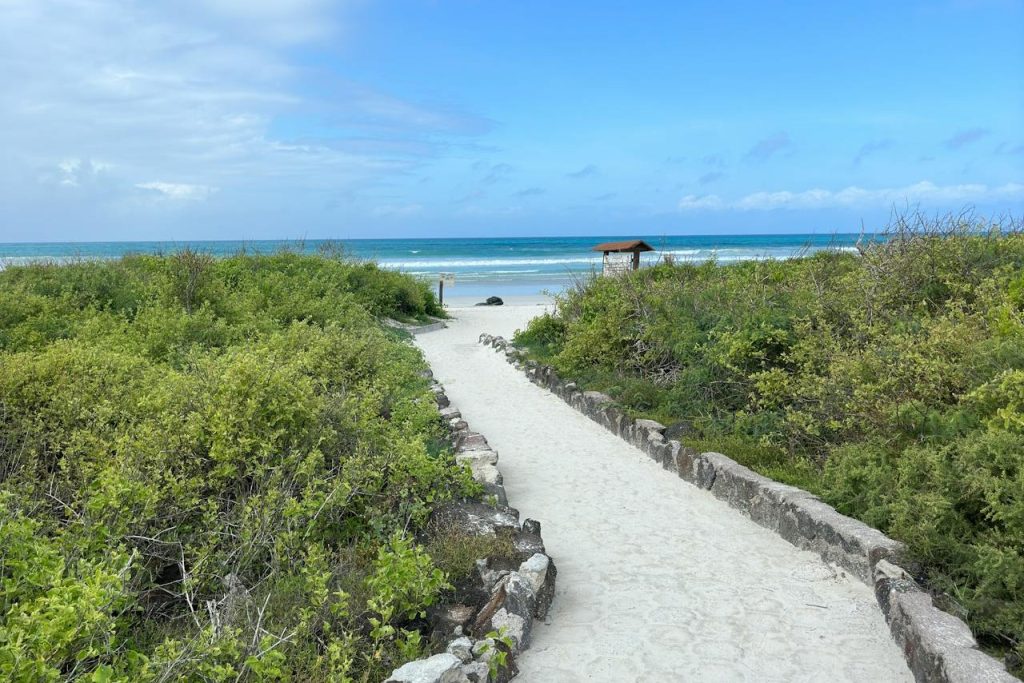
The Galapagos trip begins with paperwork before the first island landing. The governing council requires a Transit Control Card process for visitors, and official guidance treats it as mandatory for entry control. On top of that, the national park fee structure now charges most international adults a higher conservation entry amount than in prior years.
Those rules shape the journey in practical ways: earlier airport arrival, stricter document checks, and clearer limits on stay categories. The result is less friction for ecosystems and more structure for travelers, with mobility designed around protection instead of pure convenience.
Mount Fuji Yoshida Trail, Japan
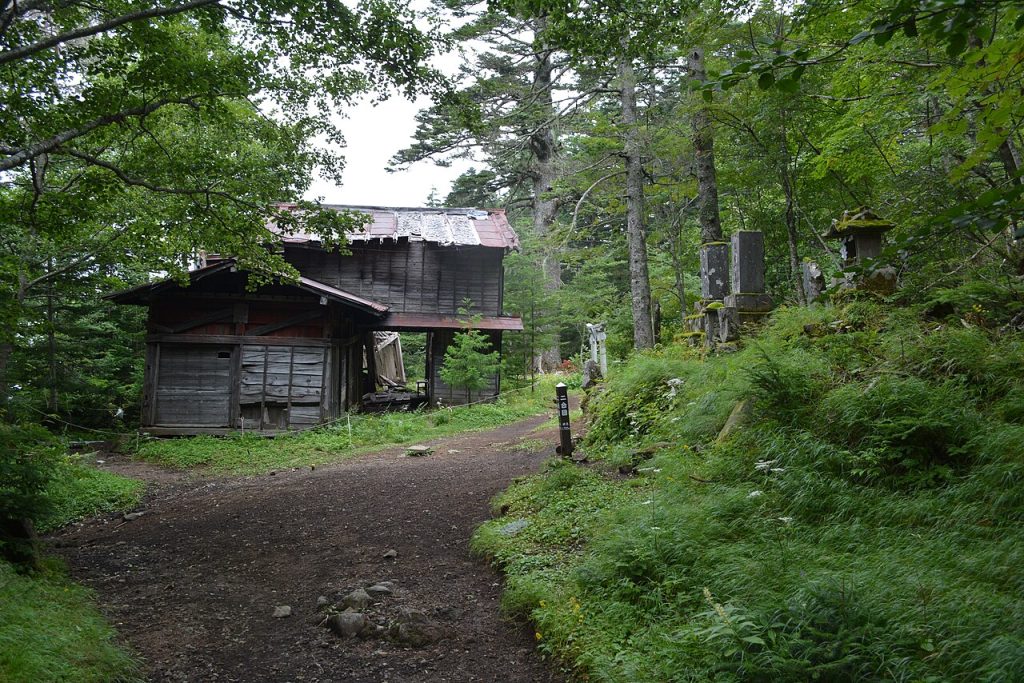
Mount Fuji’s Yoshida Trail has become a clear example of managed mountain access. For the 2025 season, officials enforced a mandatory hiking fee, a daily climber cap threshold, and nighttime gate restrictions, while signaling that 2026 reservation updates will be announced separately. The policy focus is safety, congestion control, and reduced risky overnight summit pushes.
The mountain still delivers the same awe at dawn, yet the route now operates more like a regulated corridor than an open climb-at-will space. Those arriving without a plan can be turned back by timing or volume rules, while prepared climbers move through with fewer waits.
Zion National Park, United States
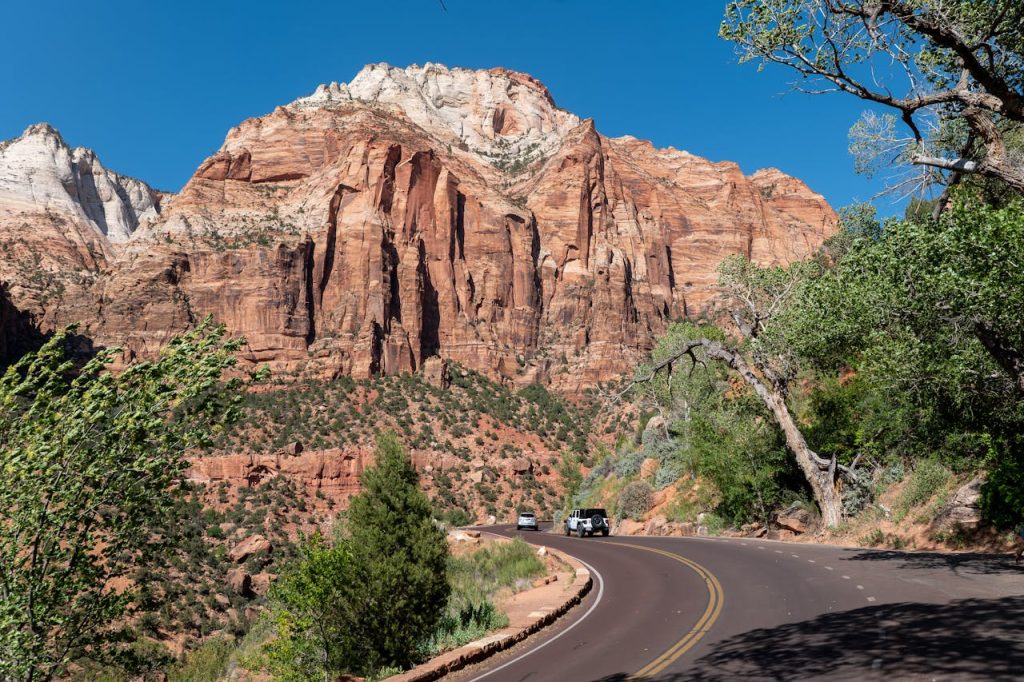
At Zion, the Angels Landing chain section is no longer a simple first-come hike. The National Park Service requires permits through seasonal and day-before lotteries, with a base application fee and a per-person permit charge for successful entries. The design is straightforward: reduce dangerous crowding on a narrow route while keeping access possible through a transparent queue.
The practical outcome is a new decision point in trip planning. Hiking legs, shuttle timing, and backup trails now hinge on permit results, not just weather. In one of America’s most famous canyon parks, risk management now shapes the emotional arc of hiking day.
Acadia National Park, United States

Acadia’s Cadillac Summit Road is managed with one of the clearest reservation systems in U.S. parks. For the 2026 season window, vehicle reservations are required on set dates, sold online, and split between advance-release inventory and short-notice inventory. A park pass is still required separately, so access now depends on two coordinated steps, not one.
That structure has changed the feel of sunrise and daytime drives. Fewer random traffic surges reach the summit, and visitors who secure slots can move with less gridlock stress. The mountain view is unchanged, but the road experience is now deliberately scheduled and paced.
Hanauma Bay, Honolulu

Hanauma Bay in Honolulu runs on explicit conservation logistics rather than beach spontaneity. The city’s system uses reservation windows that open two days ahead, with high-demand release times and mandatory educational viewing before access. Nonresident entry is paid, and operating hours are tightly defined, with weekday closures built into the preservation model.
The rules can feel strict at first glance, yet they produce a calmer shoreline and clearer visitor behavior in the water. By forcing timing decisions early, the bay reduces overload on reef habitats and on-site services. The visit begins with stewardship, then earns leisure pace.