9 Diner Traditions You’ll Only Find in a Few States Now
Classic diners still exist nationwide, but some of their most specific rituals have become regional secrets. These are the habits that grew from local farms, immigrant kitchens, and late-night work schedules, then held on in pockets while the rest of the country standardized menus. In the right state, a diner still runs like a small civic institution: coffee refills, griddle shortcuts, and side dishes treated like birthrights. These nine traditions survive because locals keep ordering them, and because the cooks behind the counter still care about doing the simple things the local way.
Pork Roll, Egg, And Cheese On A Hard Roll In New Jersey
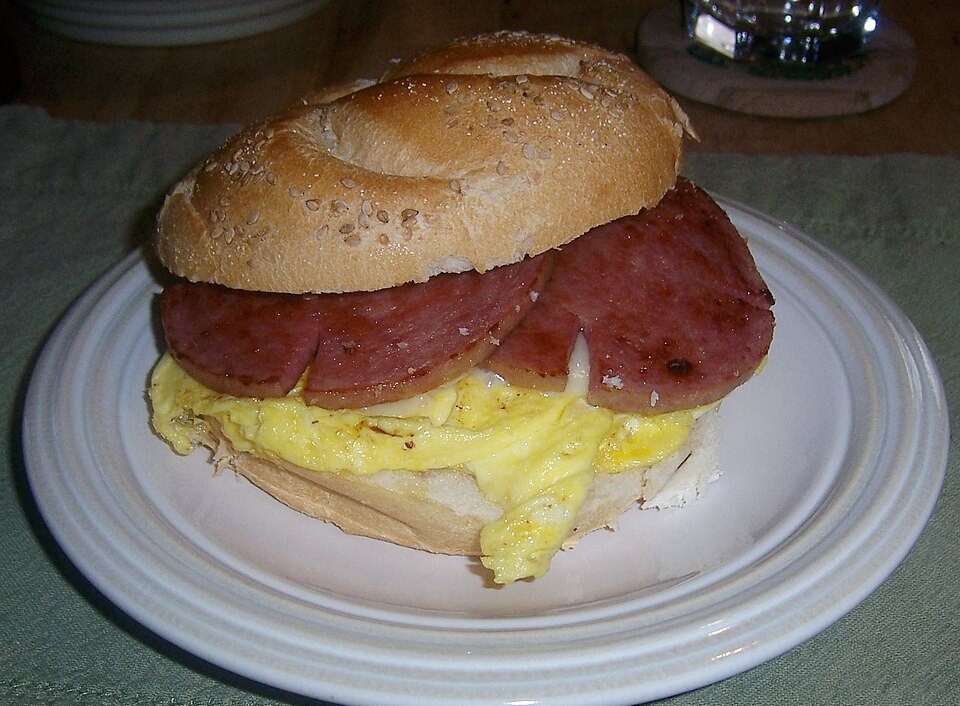
In New Jersey diners, a pork roll, egg, and cheese is not a novelty. It is a baseline order, said quickly and understood instantly. The meat hits the flat top until the edges curl, then it stacks with a soft egg and American cheese on a hard roll that can survive a commute without falling apart. Many counters ask for salt, pepper, and ketchup like it is one phrase, and the sandwich arrives wrapped tight, warm, and practical. It feels regional because it depends on a specific product and a specific breakfast rhythm: early shifts, strong coffee, and a meal that tastes like the state’s highways at sunrise.
Texas-Style Chicken-Fried Steak With White Gravy
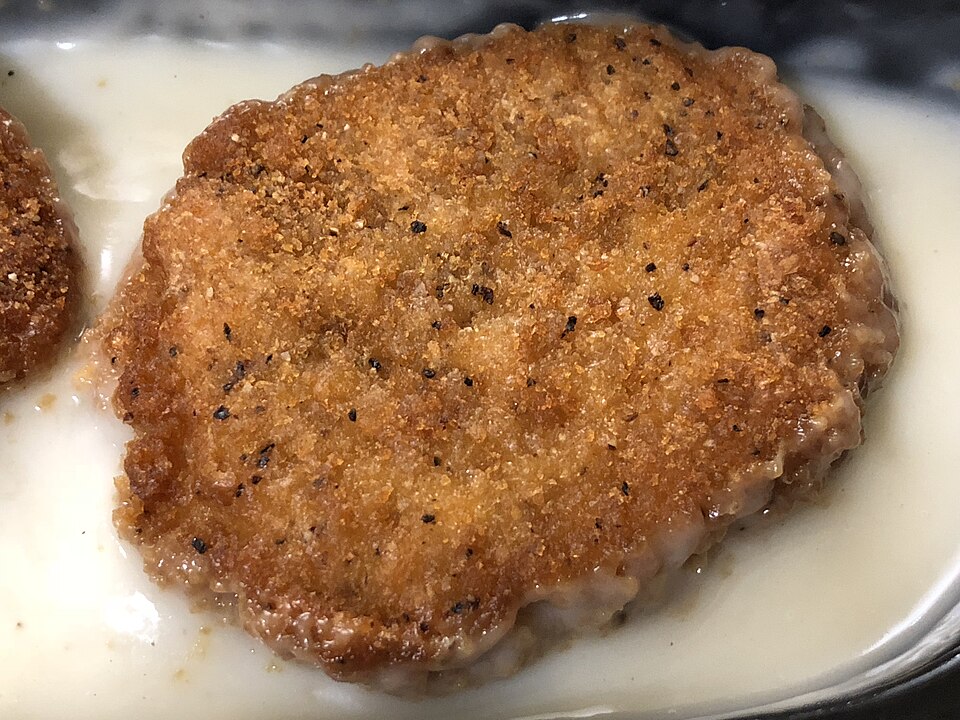
In many Texas diners, chicken-fried steak still arrives like a promise kept. A broad, crisp cutlet covers the plate, white gravy lands heavy with pepper, and the sides are built for real hunger, fries, mashed potatoes, or green beans that taste faintly smoky. It is comfort food, but it is also a working meal, shaped by cattle country and long days that require something sturdy. Outside a few states, it can feel like a special occasion item. In Texas, it is a standard measure of whether a kitchen respects basics: the crust should stay crisp, the gravy should be smooth, and the portion should feel generous without being sloppy.
Rhode Island-Style Hot Wieners With Meat Sauce
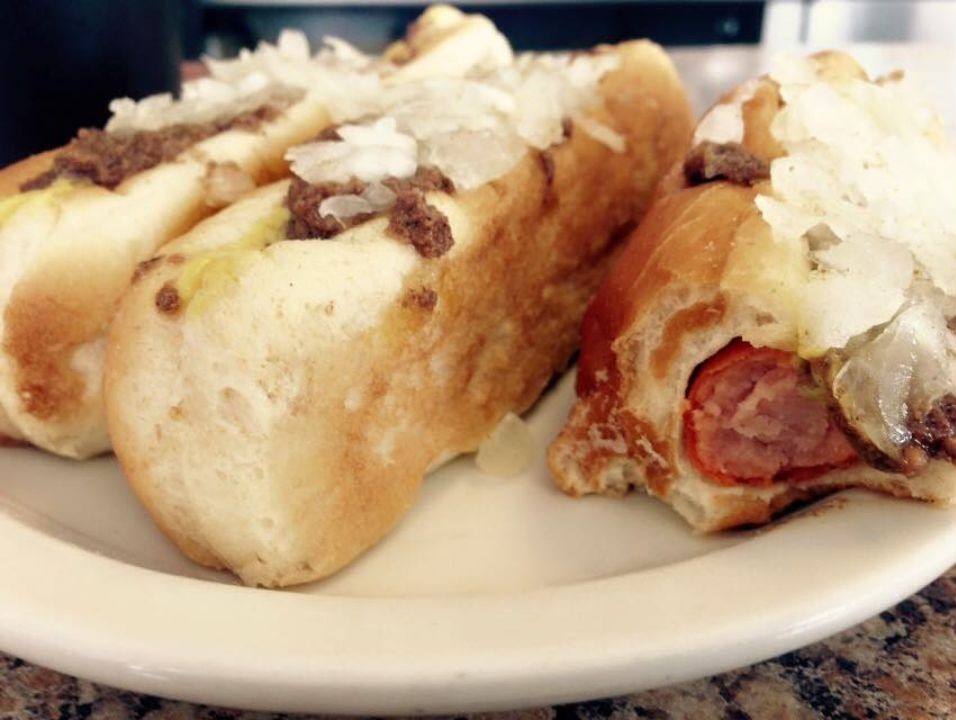
Rhode Island diners and small counter spots keep a very specific order alive: hot wieners served in soft buns, topped with meat sauce, chopped onions, mustard, and a dusting of celery salt. Locals order them in multiples without blinking, because the size is part of the ritual. It is fast, salty, and built for late nights, shift breaks, and quick stops that do not need a long menu discussion. The tradition stays regional because the sauce style is local and the language around it is local, too. Many places pair it with coffee milk or a soda, and the whole thing feels like a small-town tradition that refuses to get polished away.
Scrapple At The Counter In Pennsylvania
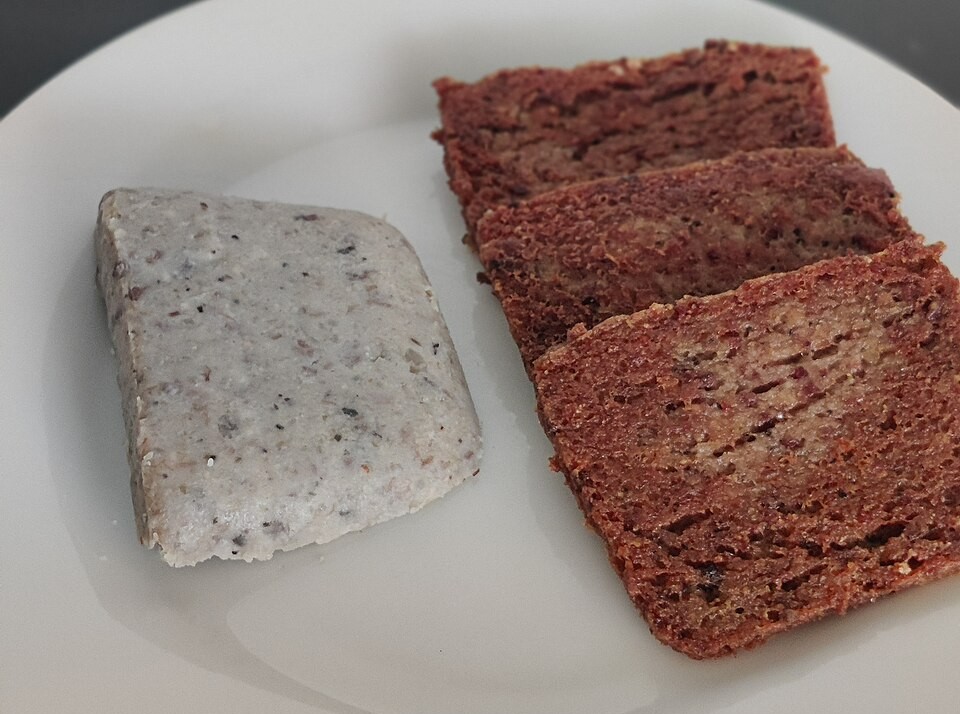
In parts of Pennsylvania, scrapple still belongs on a diner menu the way hash browns do elsewhere. Slices hit the griddle until the outside turns crisp and brown, then they arrive with eggs and toast, sometimes with apple butter, syrup, or ketchup depending on the household. The tradition comes from thrift and old butcher practice, stretching pork trimmings and grain into a breakfast that could feed a family without waste. Outside a few nearby states, scrapple is rare enough to be a curiosity. In Pennsylvania diners, it is simply another honest choice, ordered without explanation and judged by one thing: whether the cook gets the crust right.
Biscuits And Chocolate Gravy In The Ozarks
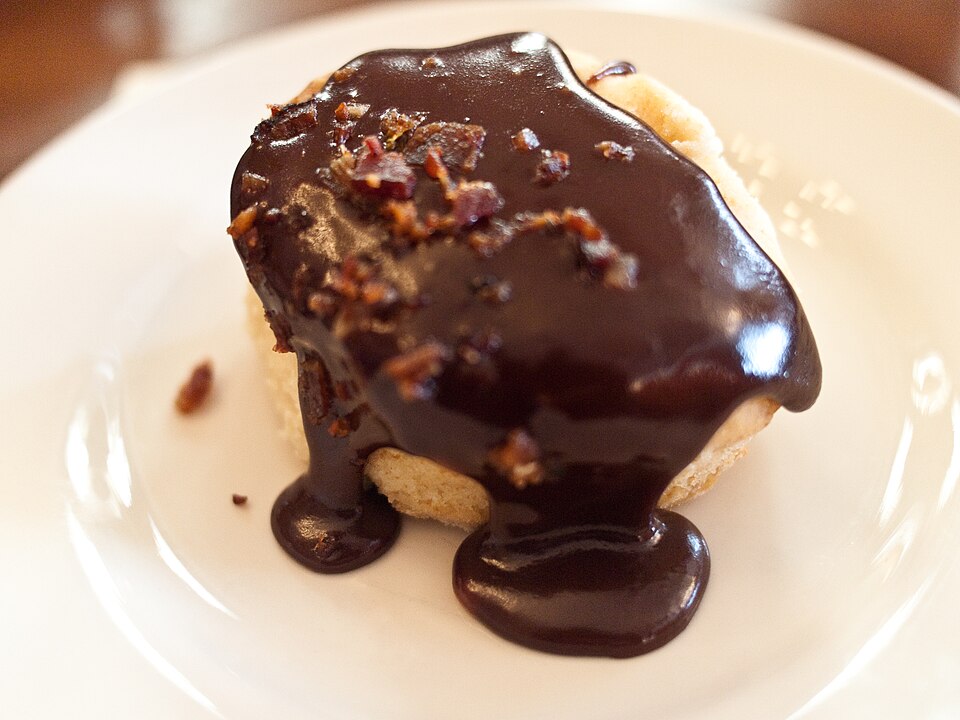
In pockets of the Ozarks, diners still serve biscuits with chocolate gravy, a cocoa-rich sauce poured over split biscuits like dessert decided to show up at breakfast. It is not hot fudge. It tastes more like a thin pudding or cocoa roux, often made with flour, milk, sugar, butter, and cocoa, and it speaks to pantry creativity in rural kitchens. The tradition survives in parts of Arkansas and Missouri because locals still crave it on cold mornings, and older diners keep it on the board even when visitors look confused. It is sweet, yes, but also practical: cheap ingredients, filling texture, and a comfort flavor that feels tied to family tables and church mornings.
Grits As The Default Side In The Deep South
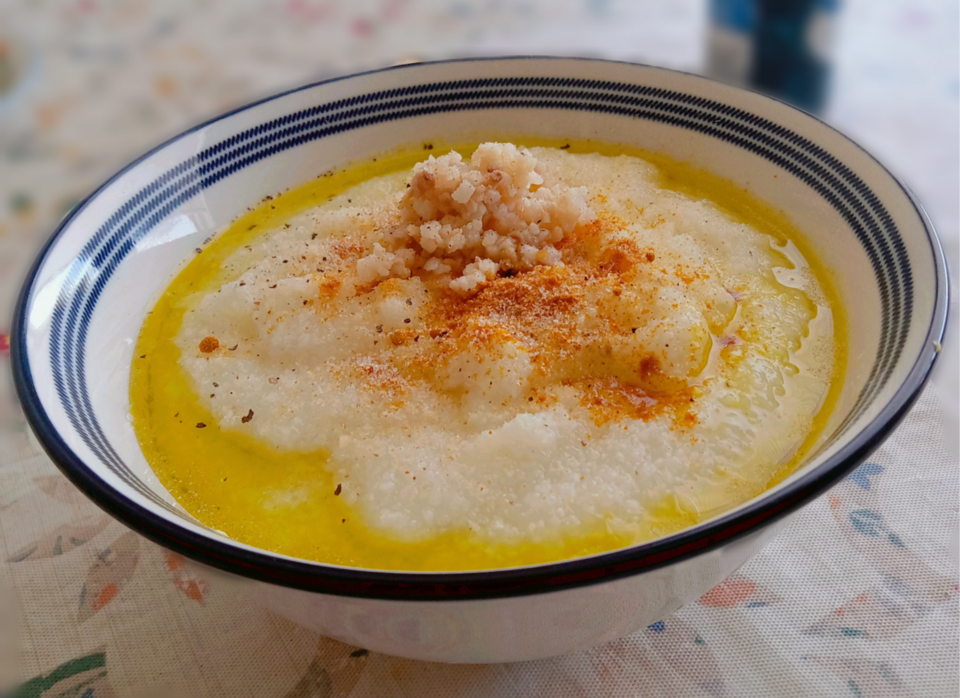
In parts of the Deep South, grits still arrive by default, not as an add-on that requires a request. A breakfast plate shows up with eggs and bacon, and the grits are already there, steaming and buttery, sometimes with cheese folded in, sometimes plain with salt and pepper waiting on the table. The ritual matters because it signals place. Grits turn a diner into something older than a trend, tied to corn, mills, and the habit of stretching a meal without making it feel small. Grits exist elsewhere, but the assumption of them, and the way locals judge texture and seasoning like it is personal, now lives in fewer states than it used to.
Green Chile Smothering In New Mexico
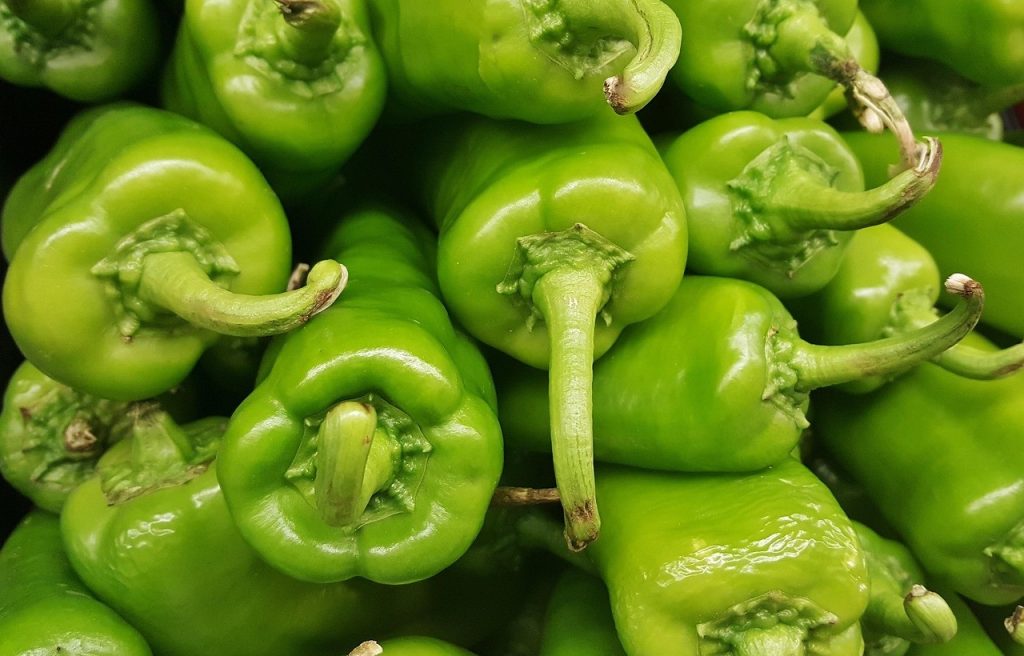
In New Mexico diners, green chile is not a garnish. It is a default way of eating, ladled over eggs, burgers, hash browns, and burritos until the plate turns glossy and fragrant. The flavor is heat, yes, but also roasted sweetness, and the tradition is tied to local roasting seasons and local pride in which chile tastes right. A diner might ask red or green, and the question is serious, not cute. Smothering turns basic diner food into something unmistakably regional, and it keeps breakfast from tasting generic. Outside New Mexico and nearby pockets, the habit of putting green chile on nearly everything is far rarer, which is why travelers remember it.
Frozen Custard Counters In Wisconsin
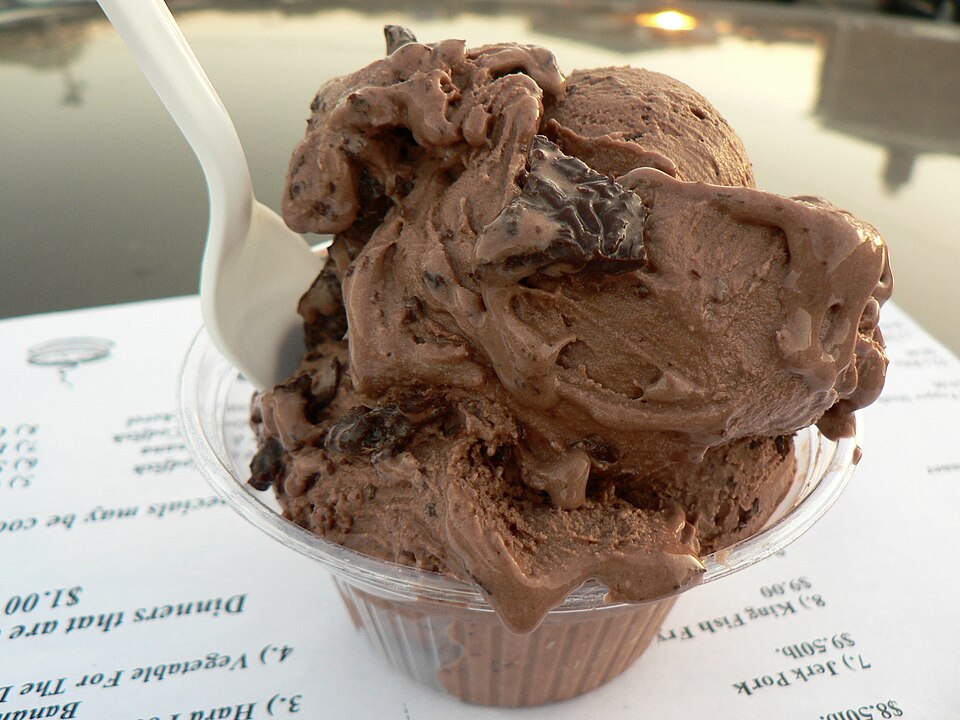
In Wisconsin, frozen custard still feels like part of the local weekly rhythm, not a rare treat. Custard’s egg-rich base makes it denser than standard soft serve, and many diners and stand-style counters rotate a flavor of the day that regulars track like weather. The tradition includes the order of operations: burgers and fries first, custard after, often eaten in the car with the radio low. It is regional because it grew alongside dairy pride and local custard culture that stayed rooted instead of scattering. Other states have custard, but fewer treat it as a routine finish to an ordinary dinner, the way Wisconsin still does.
Pie Case Culture In The Upper Midwest
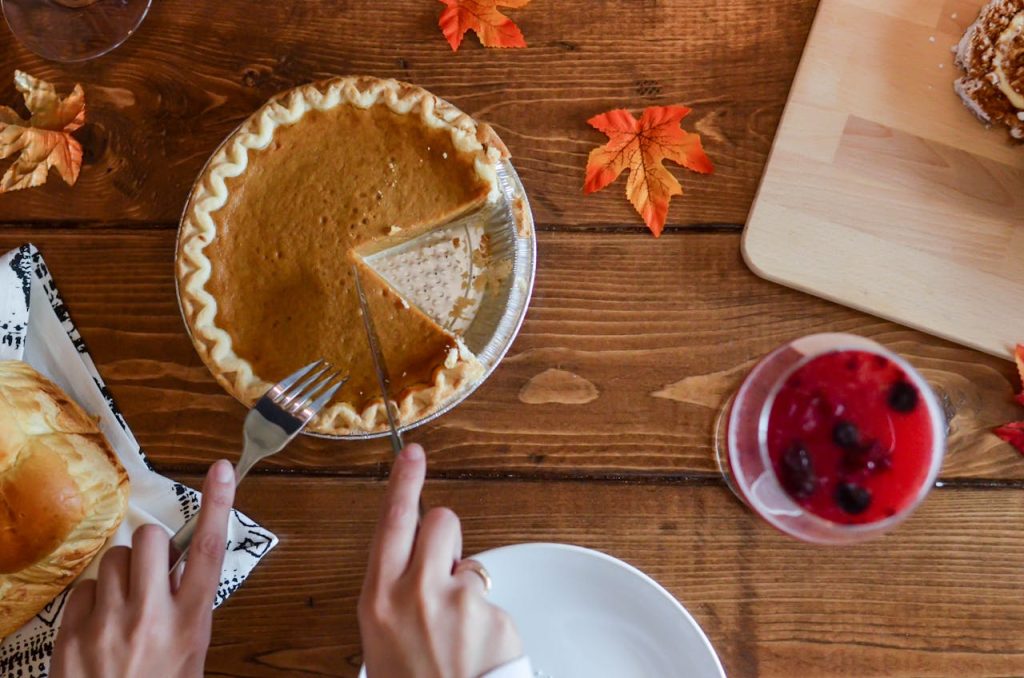
In parts of the Upper Midwest, the pie case still sits near the register like a test of local competence. Lemon meringue, banana cream, coconut cream, and fruit pies rest under glass, and dessert is treated as a normal finish, not a splurge. The tradition includes coffee refills that keep coming without ceremony and the quiet suggestion that pie is part of the visit, the way a handshake is part of greeting. Many regions serve pie, but the specific culture of a visible pie case, daily rotation, and a kitchen that still knows how to make crust flaky and sturdy at the same time now feels concentrated in fewer states. When it is done well, the pie case becomes the diner’s heartbeat.