9 European Christmas Markets That Still Feel Old-Fashioned
European Christmas markets attract travelers seeking tradition, warmth, and seasonal ritual beyond modern spectacle. Wooden stalls, candlelight, and centuries old town squares shape experiences that feel rooted in history rather than trends. While many markets now feature crowds and commercialization, some still preserve slower rhythms and regional customs. These places emphasize handcrafted goods, local foods, and familiar melodies instead of novelty attractions. Visiting them feels like stepping into inherited routines passed across generations. Across Europe, these markets continue honoring community, faith, and winter resilience, offering atmospheres that remain comforting, recognizable, and distinctly old fashioned traditions.
Nuremberg, Germany
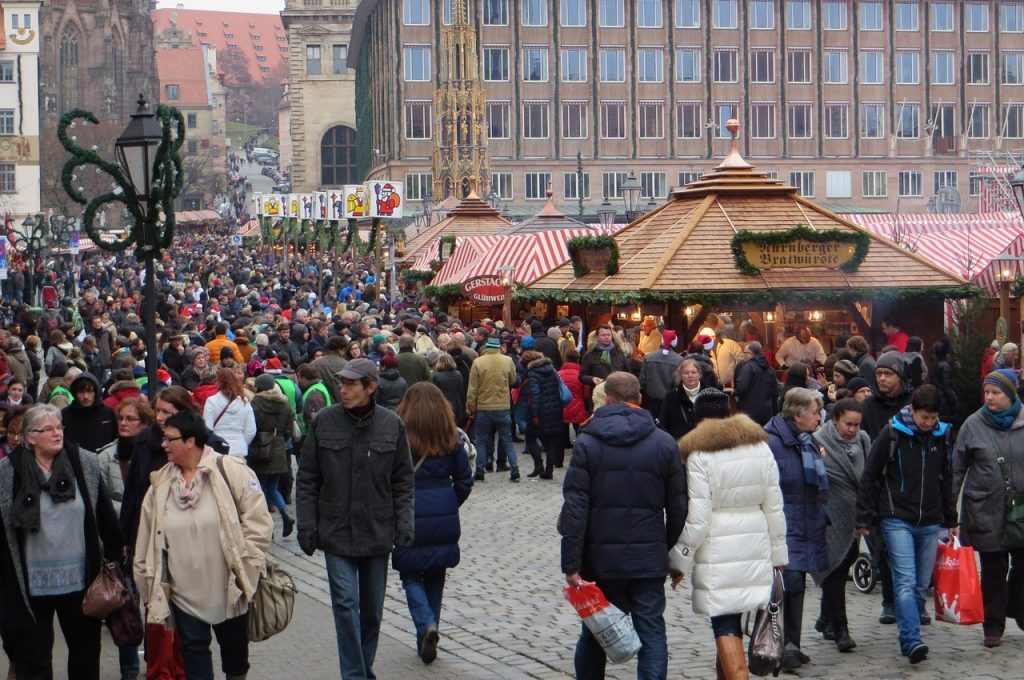
Nuremberg Christmas Market, known as Christkindlesmarkt, remains one of Europe’s most traditional. The market centers on wooden stalls, red and white cloth canopies, and strict rules governing goods sold. Vendors offer gingerbread, mulled wine, and handmade ornaments tied to Franconian heritage. Loud music and novelty items stay limited. The medieval main square reinforces historic continuity. Locals attend annually as a ritual rather than spectacle. Even with visitors present, the atmosphere stays restrained, orderly, and ceremonial. Nuremberg preserves an old fashioned balance between commerce, community pride, and seasonal reverence that has endured through centuries of celebration.
Strasbourg, France
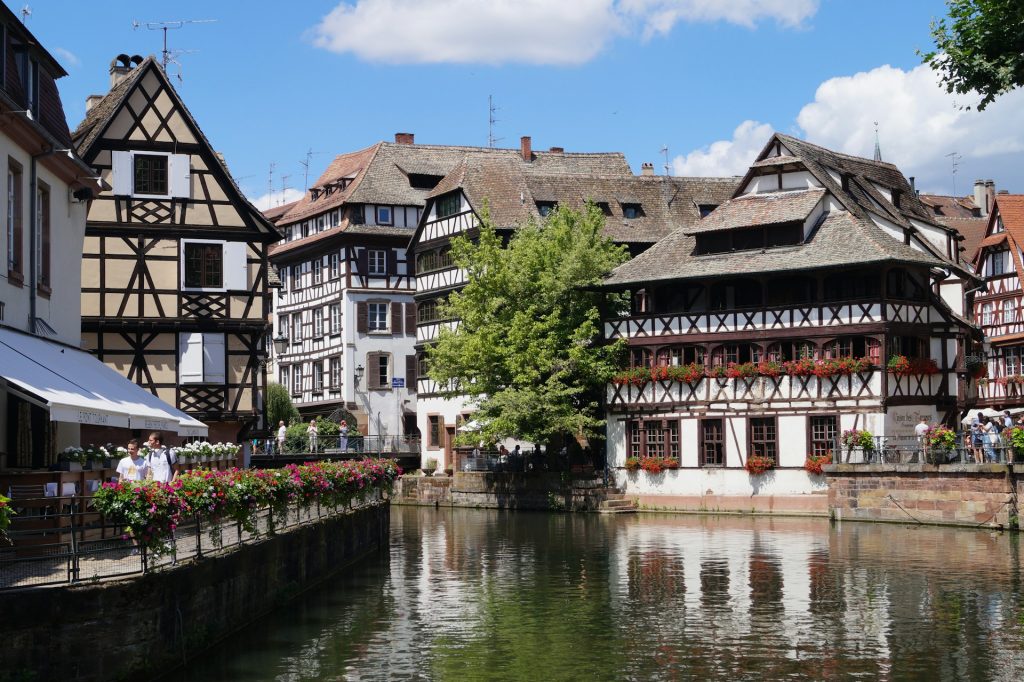
Strasbourg hosts one of Europe’s oldest Christmas markets, dating back to the sixteenth century. Timber framed buildings surround clustered stalls selling traditional Alsatian crafts and foods. Decorations emphasize lights, greenery, and religious symbolism rather than spectacle. The market spreads through historic squares, encouraging walking and lingering. Choirs and church bells replace amplified entertainment. Locals shop alongside visitors, maintaining everyday rhythms. Strasbourg’s market feels rooted in faith and regional identity. Despite popularity, it retains a calm, reverent tone shaped by long standing customs that continue guiding seasonal behavior across neighborhoods during winter evenings remain traditional always.
Vienna, Austria
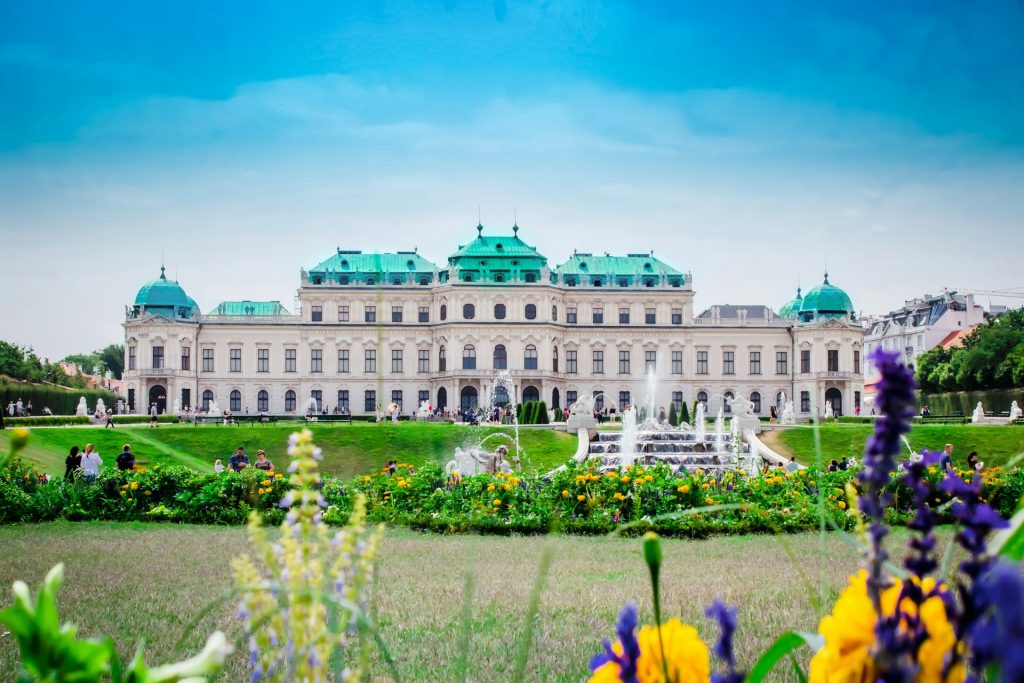
Vienna’s Christmas markets emphasize elegance and tradition over novelty attractions. Markets sit in front of palaces, churches, and municipal buildings, reinforcing imperial history. Wooden stalls sell candles, baked goods, and handcrafted gifts. Music stays classical or choral. Decorations avoid excess brightness. Families stroll slowly, treating visits as social rituals. Many markets close earlier than modern fairs. Vienna’s approach prioritizes atmosphere and continuity. The experience feels composed, reflective, and rooted in centuries of winter culture rather than loud entertainment trends shared across neighborhoods and repeated annually with careful consistency by local families who value tradition deeply.
Prague, Czech Republic
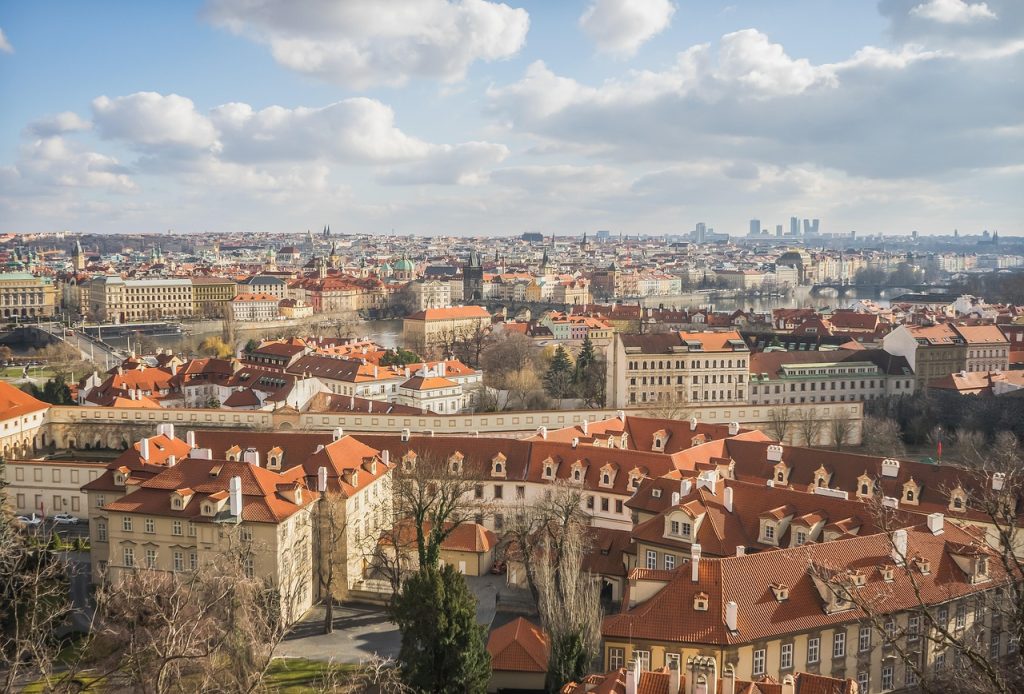
Prague’s Old Town Square Christmas market feels timeless against Gothic architecture and cobblestone streets. Stalls focus on wooden toys, ornaments, and regional food. Commercial branding remains minimal. The towering Christmas tree anchors the square as a gathering point. Performances stay simple, often featuring folk music. Crowds arrive, yet movement remains orderly. Locals treat the market as seasonal routine. Prague maintains a visual and cultural continuity that resists modernization, preserving an atmosphere shaped by history rather than contemporary tourism trends within a setting that encourages patience, observation, and communal presence throughout the winter season annually there.
Cologne, Germany
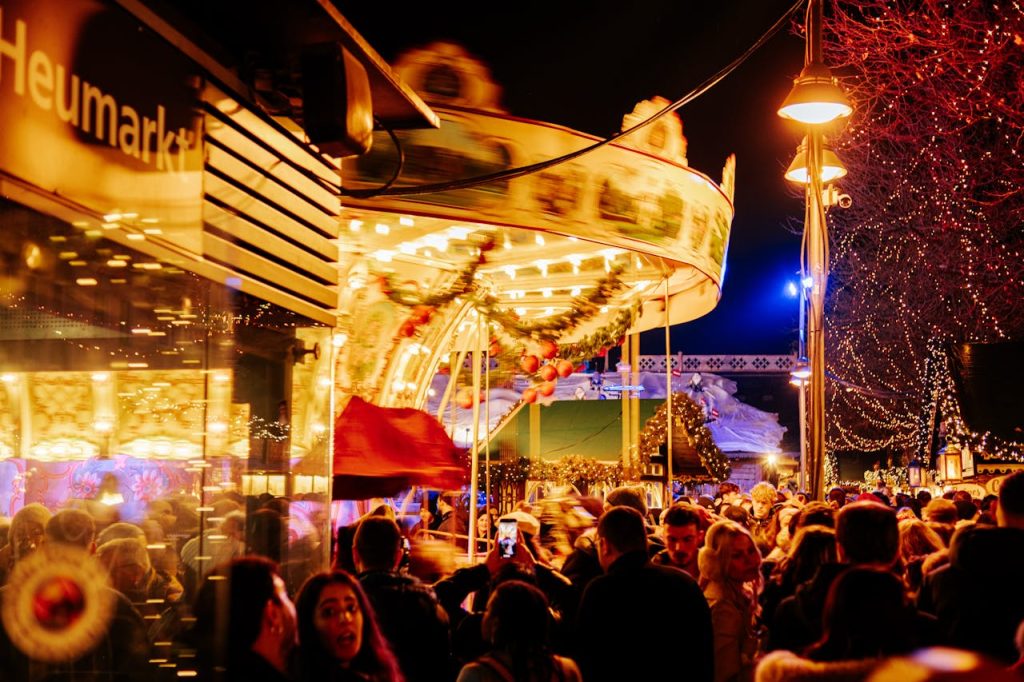
Cologne’s cathedral market preserves a traditional tone through scale and setting. The Gothic cathedral dominates the space, grounding the market in spiritual history. Stalls sell classic foods, nativity figures, and simple decorations. Modern amusements remain limited. The focus stays on gathering and warmth. Visitors move slowly beneath lights and stone towers. Cologne’s market balances popularity with restraint, creating an experience that feels ceremonial and rooted in long established Rhineland customs respected by locals who return yearly as part of tradition within familiar community rhythms during winter nights annually. Families linger peacefully, sharing mulled wine, stories, and reflection together.
Rothenburg ob der Tauber, Germany
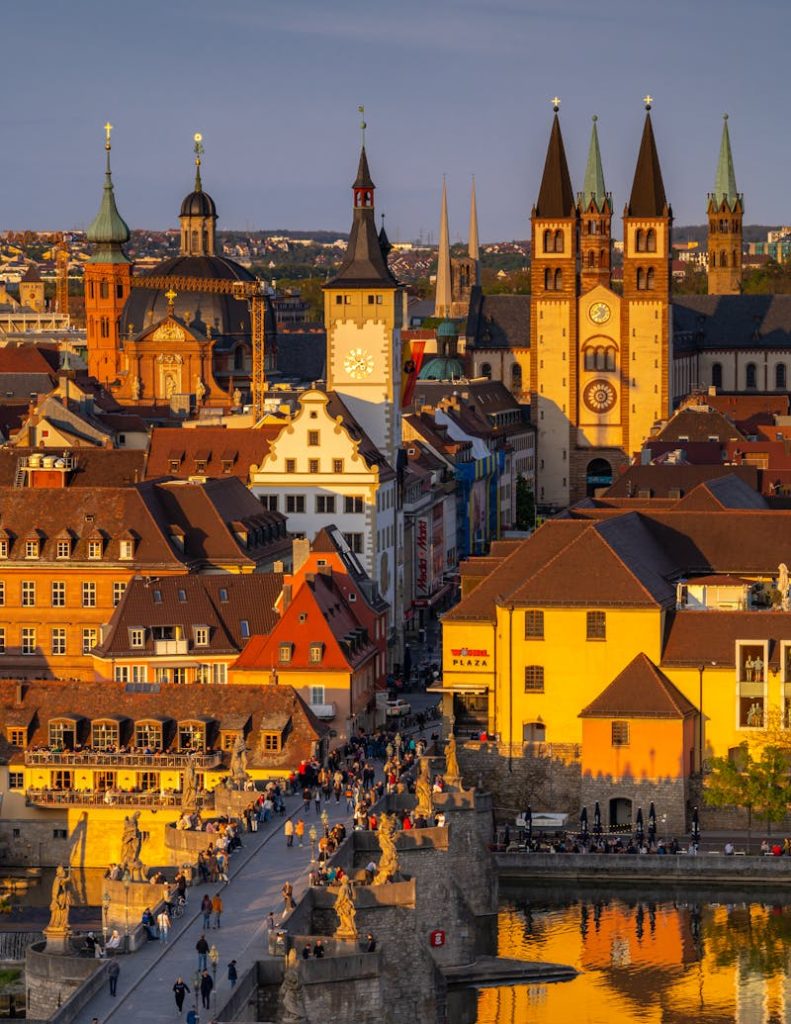
Rothenburg ob der Tauber offers a Christmas market framed by preserved medieval walls. The small scale keeps the experience intimate and slow paced. Vendors emphasize handcrafted goods, wooden figures, and traditional sweets. Decorations remain understated, matching the town’s historic character. Evening lighting feels soft rather than bright yet locals maintain routines. The market blends seamlessly into daily life. Rothenburg’s Christmas atmosphere feels inherited, as though unchanged by time or modern tourism pressures reflecting centuries of continuity celebrated quietly each winter season by residents and returning visitors alike annually there always present.
Tallinn, Estonia
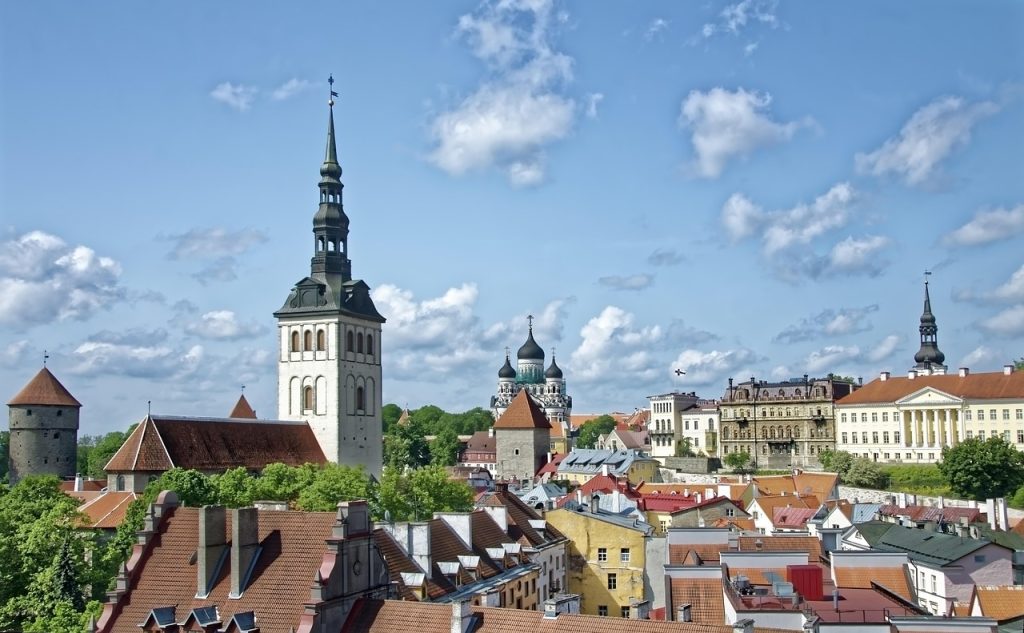
Tallinn’s Christmas market feels old fashioned due to its medieval surroundings and modest scale. The central square hosts wooden stalls selling wool goods and local foods. Snow often enhances the atmosphere naturally. Performances include folk music rather than spectacle. Locals gather after work, not just tourists. Tallinn maintains a sense of authenticity where winter darkness, history, and community converge in a quietly festive environment that reflects seasonal resilience shaped by northern geography and cultural memory shared annually by residents and families alike there still. Evenings feel intimate, encouraging lingering conversations, shared drinks, and unhurried appreciation of tradition together locally.
Bruges, Belgium
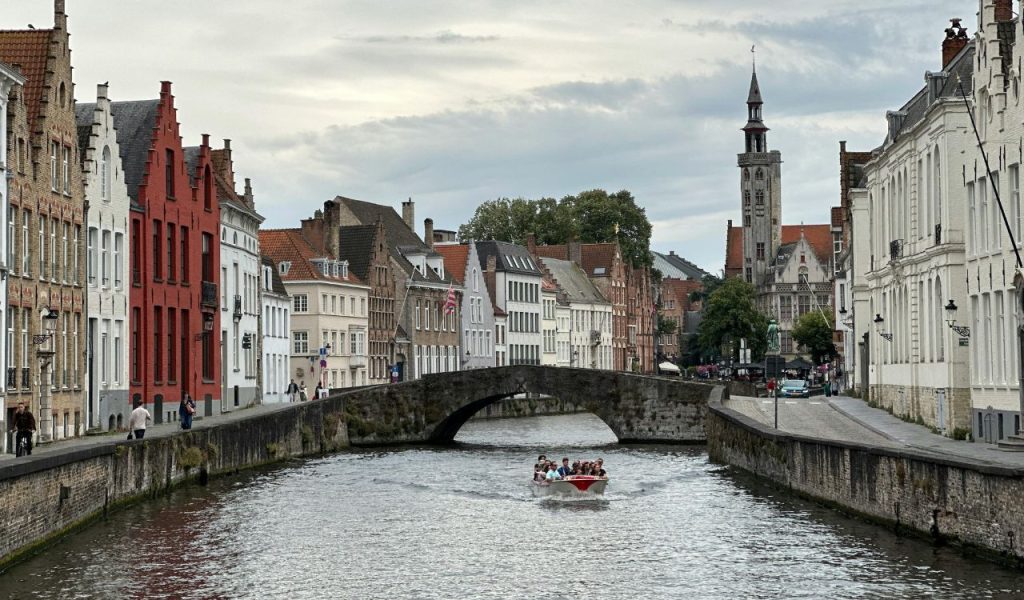
Bruges presents a Christmas market aligned with its preserved medieval charm. Canals, stone buildings, and narrow streets frame the experience. Stalls sell traditional foods, lace, and seasonal crafts. Decorations complement architecture rather than overwhelm it. Music remains gentle. The pace feels unhurried, especially at night. Locals mingle with visitors calmly. Bruges resists spectacle in favor of atmosphere. The result feels nostalgic, emphasizing winter coziness, visual harmony, and long standing community traditions that align closely with the town’s careful preservation ethos maintained through generations of local stewardship during winter festivities annually there always quietly present.
Basel, Switzerland
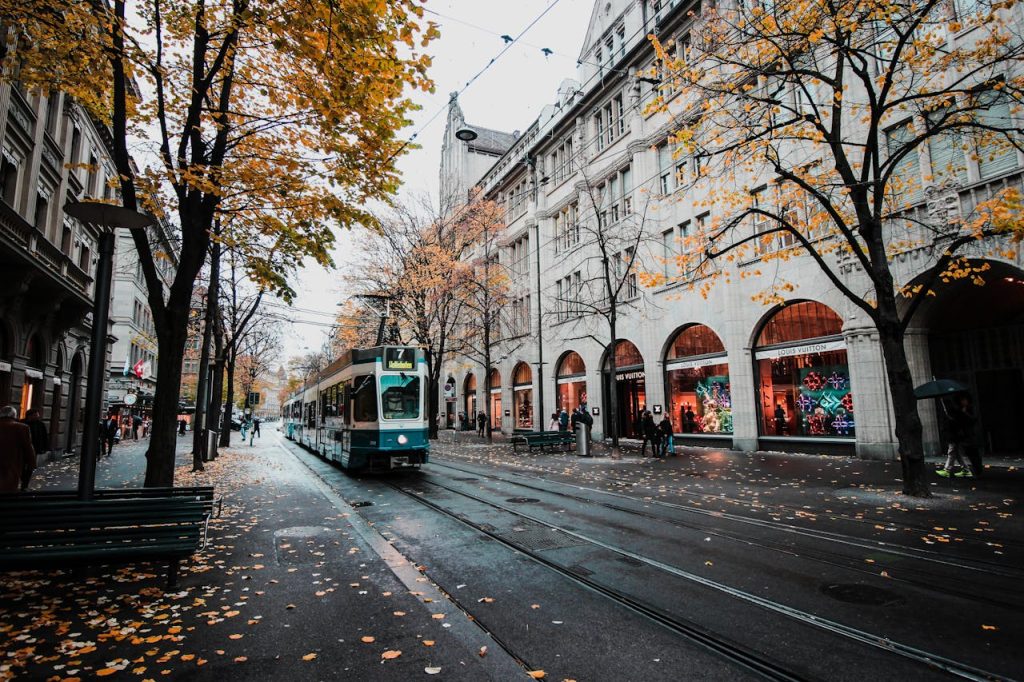
Basel’s Christmas market feels traditional through craftsmanship and restraint. Wooden chalets line historic squares and bridges. Goods emphasize handmade ornaments, candles, and regional foods. Excessive branding remains limited. Music stays classical or choral. The Rhine and old town provide atmospheric continuity. Locals shop deliberately, treating the market as seasonal routine. Basel values quality over spectacle. The experience reflects Swiss precision applied to celebration, resulting in a calm, orderly, and enduring holiday environment that prioritizes tradition, craftsmanship, and community over fleeting novelty embraced by residents each December across generations there with pride always intact today still.