9 Forgotten Ghost Towns to Explore in West U.S.
Summer road maps across the American West still promise bright overlooks and famous parks, yet some of the most memorable stops sit in towns that commerce left behind. Their streets are quieter now, but old hotels, schoolhouses, and boarded storefronts still carry the weight of work luck, and ordinary family life.
These places were built fast by mining hope, railroad ambition, and frontier grit. Many faded just as quickly when ore prices dropped, water thinned, or transport shifted away, across decades of weather.
What remains is not a theme set. It is a lived landscape of risk, resilience, and memory, preserved in wood, dust, and distance.
Bodie, California
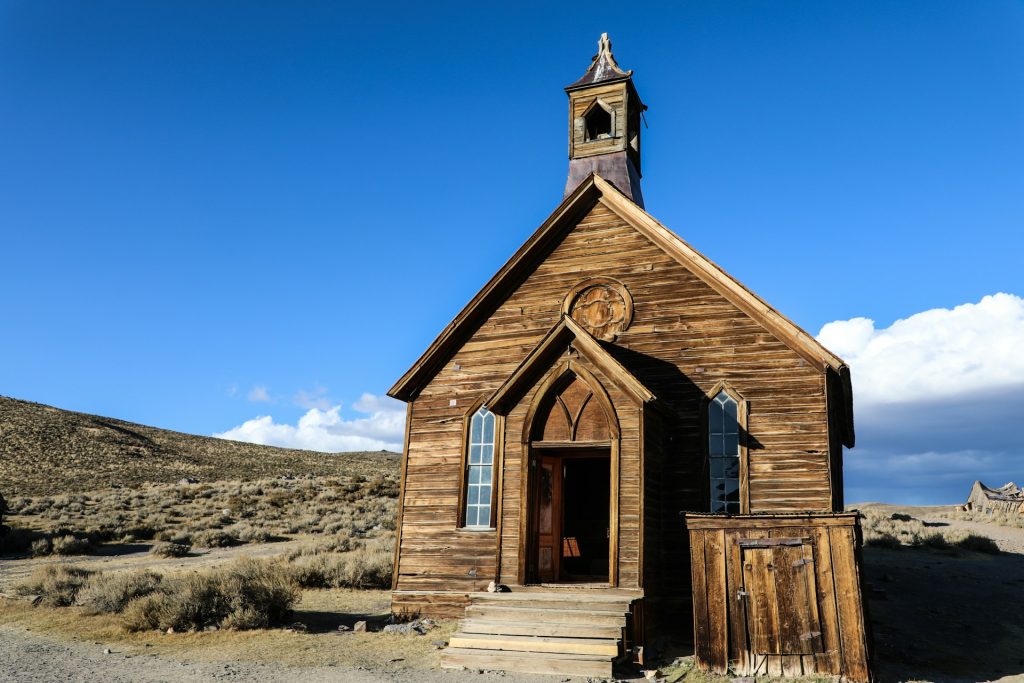
Bodie began as a mining camp after gold was found in the area in the late 1850s, then surged in the late 1870s into one of California’s loudest boomtowns. California State Parks notes a peak-era population in the thousands and preserves the site in a state of arrested decay, which explains why storefronts and homes still feel immediate rather than staged.
That realism is the draw. The road in includes a final unpaved stretch, weather can close access in colder months, and the town rewards slow walking over checklist tourism. Bodie feels less like a set piece and more like a hard-earned archive that still breathes in open air.
Rhyolite, Nevada
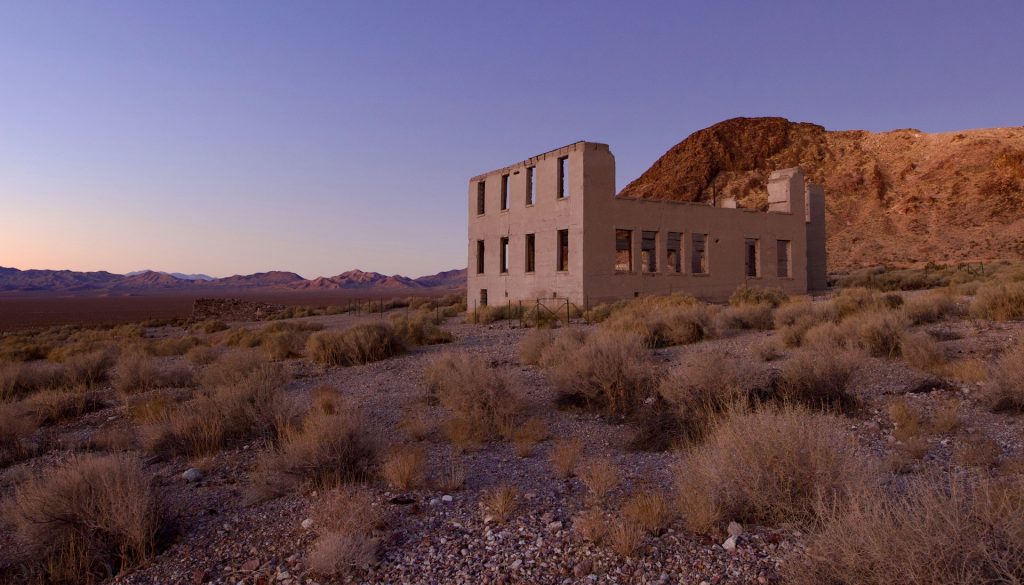
Rhyolite rose fast after prospectors found rich ore in 1904, and the National Park Service records a brief, intense boom with major buildings, a school, utilities, and a social scene that looked far bigger than a desert outpost. Then came the Panic of 1907, mine contractions, and a collapse so swift that by the mid-1910s power was shut off and most residents were gone.
What remains is startlingly legible. Bank walls, the Bottle House, and scattered foundations make the town easy to read on foot, especially when paired with nearby Beatty and Death Valley routes. Rhyolite shows how optimism can outrun geology, distance, and credit all at once.
Calico, California
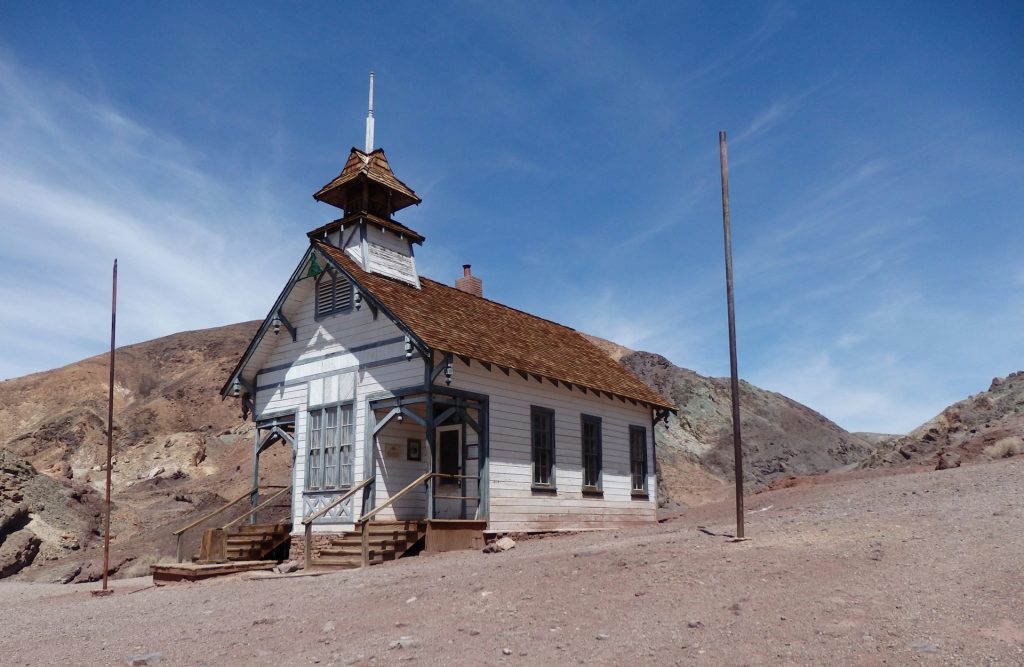
Calico was founded in 1881 during a silver boom in the Calico Mountains, and San Bernardino County records describe a strong production run before silver prices and profitability declined in the 1890s. After the exodus, much of the town deteriorated, then returned through preservation and restoration efforts linked to Walter Knott in the twentieth century.
Today, Calico balances interpretation and atmosphere. Historic exhibits, mine attractions, and panoramas make it accessible for families, yet the lesson stays clear: extraction economies can build schools, stores, and rail links quickly, then empty out just as fast when markets swing.
Bannack, Montana
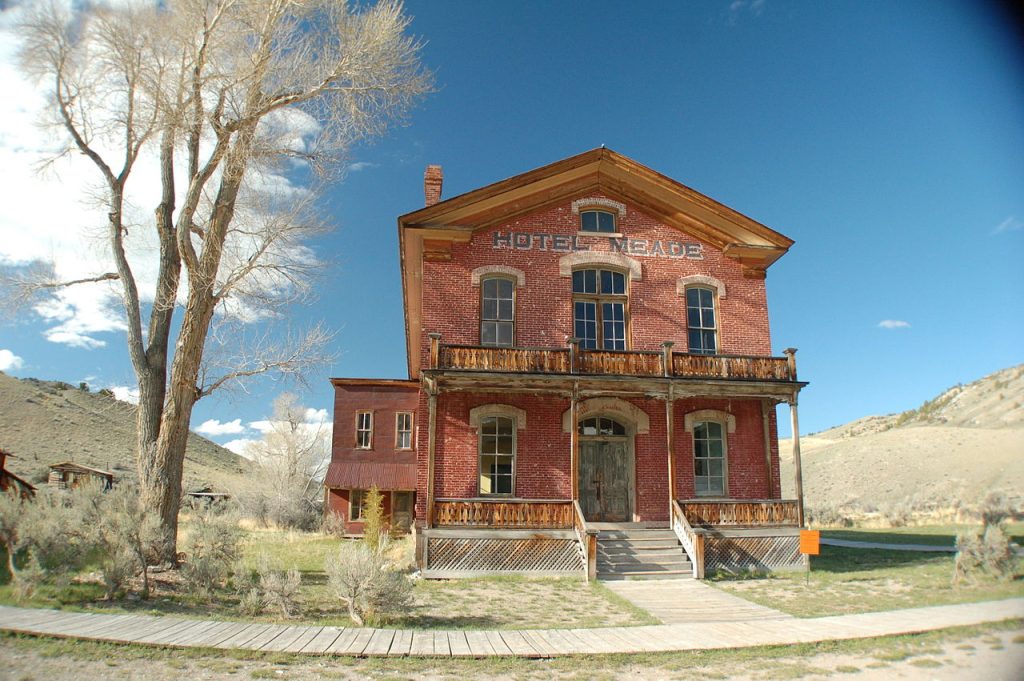
Bannack was founded in 1862 after gold discovery on Grasshopper Creek, and Montana Fish, Wildlife and Parks identifies it as Montana’s first territorial capital. More than 50 structures remain, including homes, a hotel, and civic buildings that still map the rhythms of frontier governance, commerce, and domestic life with clarity.
Its power lies in texture, not spectacle. Floorboards tilt, paint fades, and distance between buildings reveals how people balanced risk, weather, and work. Bannack is one of those places where history stops feeling abstract; the town plan itself explains how a remote camp tried to become a stable community.
Garnet, Montana
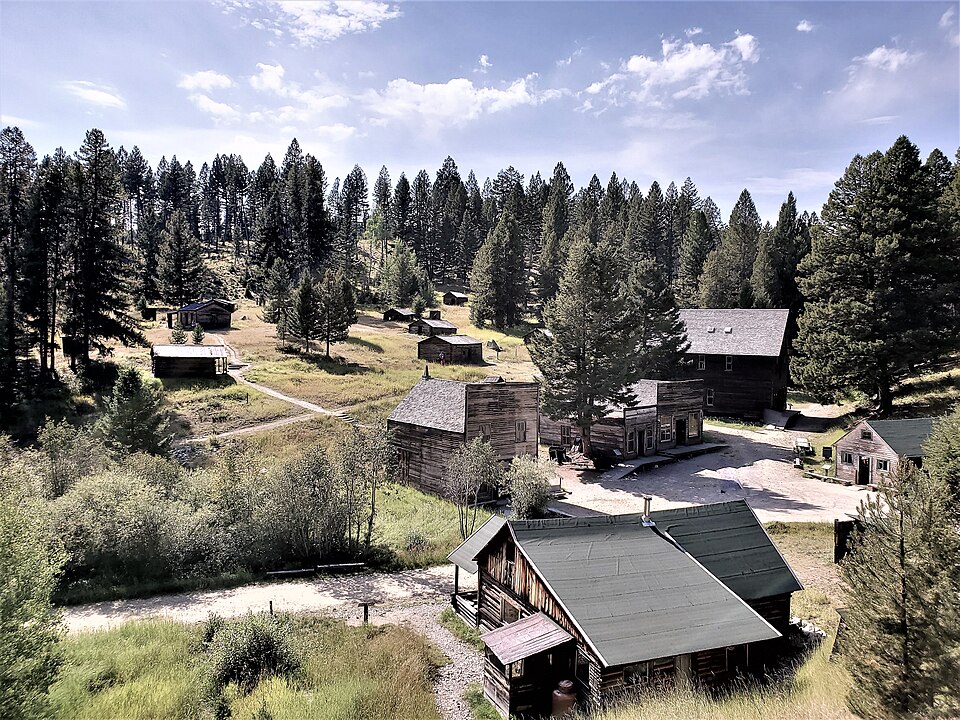
Garnet took shape in the 1890s and, according to the Bureau of Land Management, expanded rapidly after gold discoveries, with population rising sharply by the early 1900s. The site later revived during the 1930s when gold prices shifted, leaving one of the better-preserved clusters of commercial and residential structures in the region.
Because so much still stands, Garnet rewards patient pacing. Saloons, cabins, and utility remnants reveal social hierarchy, labor patterns, and daily improvisation in a high-country climate. It is less theatrical than major ghost towns, and that restraint helps the original scale and fragility come through.
Berlin-Ichthyosaur, Nevada
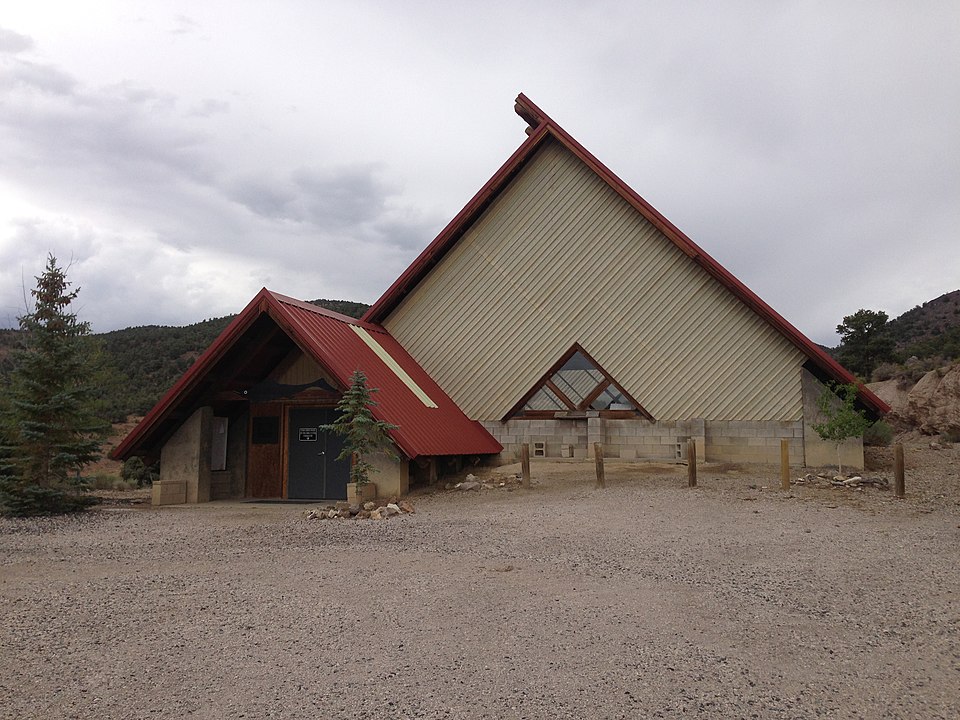
Berlin-Ichthyosaur State Park preserves a mining town from the 1890s in arrested decay, while also protecting one of the world’s richest ichthyosaur fossil concentrations, according to Nevada State Parks. That pairing creates two timelines in one stop: human extraction on the surface and ancient marine life recorded in nearby rock.
The result is visually stark and intellectually satisfying. Visitors can move from weathered structures to fossil interpretation in the same day, which resets expectations of what a ghost-town visit can offer. Berlin does not only memorialize a boom-and-bust cycle; it places that cycle against geologic time.
Miner’s Delight, Wyoming
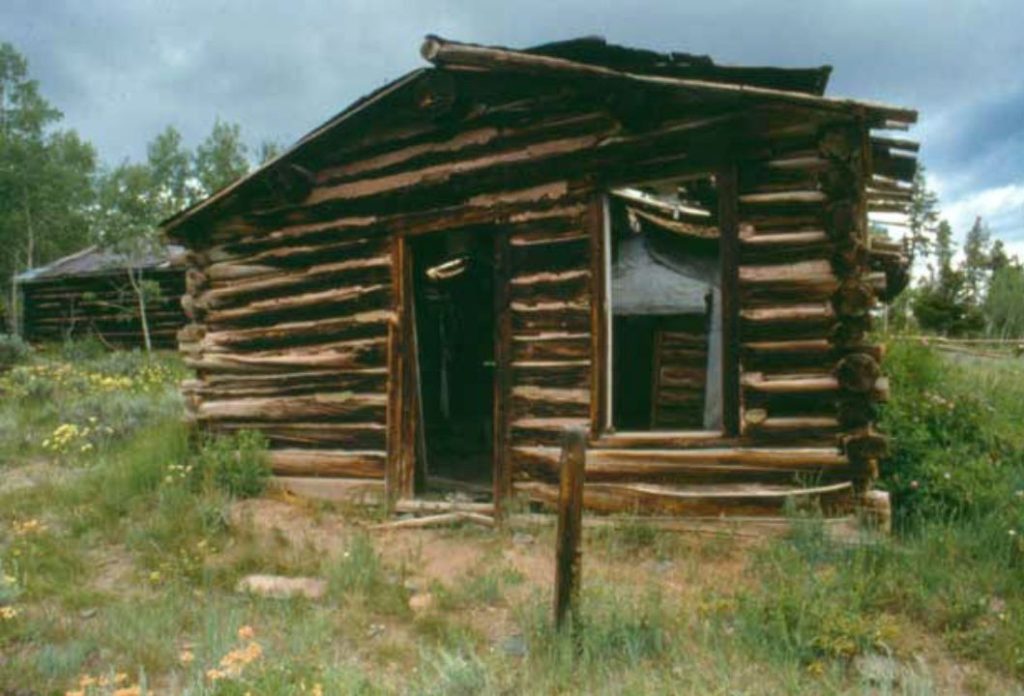
In Wyoming’s South Pass mining country, the Bureau of Land Management ties the major rush to the late 1860s, with district populations rising quickly before dropping within a few years as easy returns faded. Miner’s Delight survives inside that wider story, a quieter counterpoint to larger camps that once drew hopeful newcomers by wagon.
Its appeal is understated and honest. Rather than polished restoration, the site emphasizes landscape context and remains that reward careful attention. It suits travelers interested in process: discovery, speculation, overbuild, decline, and the long afterlife of abandoned infrastructure.
Custer, Idaho
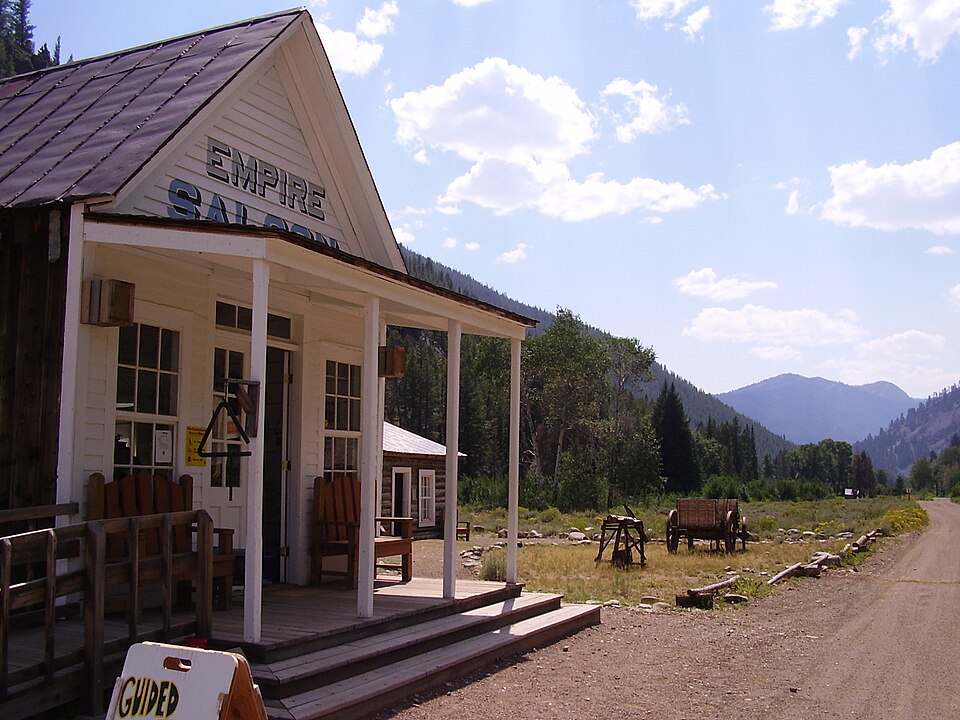
Custer, in the Yankee Fork area, developed as a service and population center during Idaho’s mining era and later emptied as production waned and residents moved on, as outlined by the U.S. Forest Service. Surviving buildings and interpretive elements in the broader historic district show how mountain settlements depended on transport, labor, and seasonal planning.
The site stands out for context. Nearby traces of mills, roads, and camps show that a ghost town was never only one street of facades; it was a regional system with dependencies. Custer’s remaining footprint makes those links visible without overproducing the experience.
Kennecott, Alaska
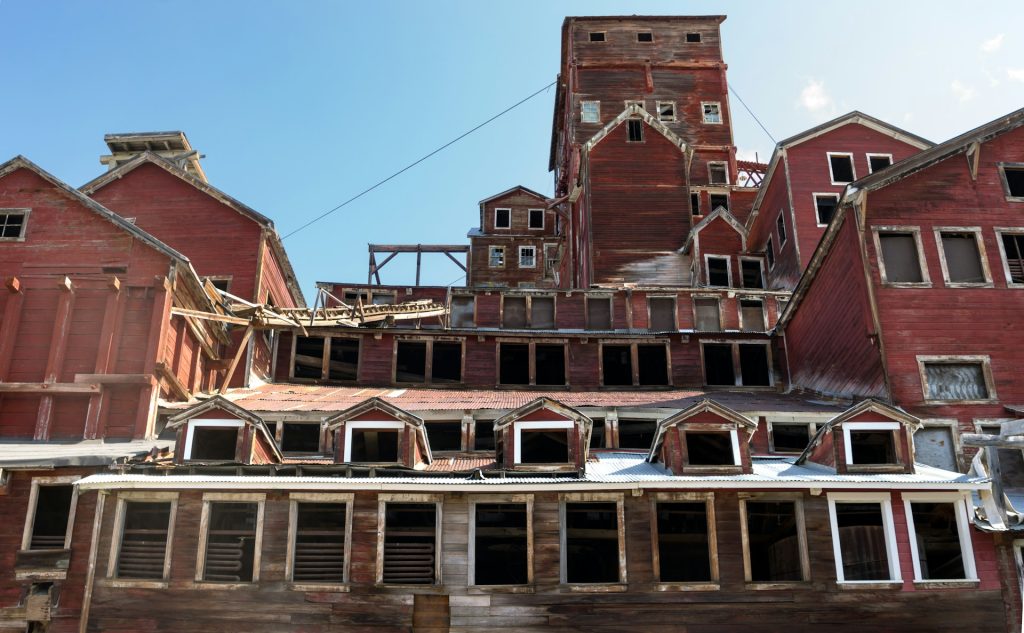
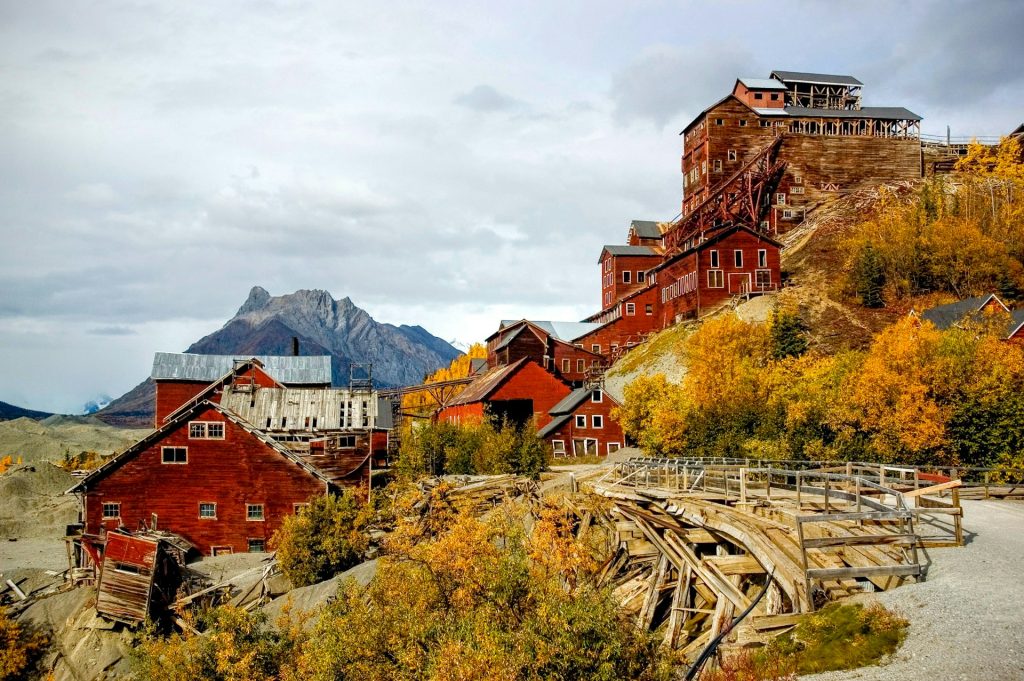
Kennecott is different in scale and engineering ambition. The National Park Service describes it as one of the best remaining examples of early twentieth-century copper mining, with ore processed from 1911 to 1938 and industrial infrastructure still visible across the mill town and surrounding claims.
Its preserved complexity changes how abandonment reads. This was a company-built environment with housing, power, logistics, and social life tied to global commodity demand. Walking Kennecott reveals a clear contrast: massive investment in a remote landscape, followed by closure when high-grade ore and margins no longer sustained the system.