9 Heritage Sites Where Americans Must Book Access In Advance
Travelers used to rely on a simple formula: show up early, wait in line, and get in. At many major heritage sites, that formula now fails. Timed entry systems, controlled capacity, and digital ticketing have moved from occasional practice to standard operating reality.
What this really means is behavior has to shift before the trip even starts. Booking windows, identity checks, fixed entry slots, and site-specific rules can determine whether the day works or collapses. The planning burden is heavier, but it usually delivers a better on-site experience.
For American visitors, the adjustment is less about complexity and more about timing discipline. The same ticketing habits that work for sports or concerts now apply to historic places that were once more flexible. If a reservation says 9:00 a.m., treat it like a flight gate, not a suggestion.
The upside is real. Better planning often means shorter queues, steadier visitor flow, and less stress at fragile sites that cannot absorb endless foot traffic. The smarter move is simple: book direct, verify rules on official pages, and build each day around the confirmed slot.
Machu Picchu, Peru
Machu Picchu now runs through an official online ticket platform managed through Peru’s public system, not a loose on-arrival model. Access depends on the ticket type and designated visit flow, so waiting until the last minute can shut out preferred options. Americans planning Peru should treat this as a pre-book destination, not a spontaneous stop.
The practical shift starts with date selection. Travelers should lock entry before finalizing trains, buses, and hotel nights in Aguas Calientes. Doing it in reverse increases the chance of mismatched logistics and rushed same-day compromises.
Once tickets are issued, the entry plan becomes route-driven, not wander-driven. That structure rewards travelers who choose circuits intentionally based on fitness, time, and priorities, instead of trying to improvise at the gate.
A strong strategy is to book the site first, then transport second, then guides last. It sounds strict, but it reduces costly rework and protects the part of the trip that matters most. At Machu Picchu, planning order is everything.
Alhambra, Spain

The Alhambra requires careful timing because spaces tied to the Nasrid Palaces operate on strict entry hours. Miss that assigned window, and the most famous interior experience can effectively disappear from your day. Official ticket terms make clear that timed access is not flexible.
American visitors often underestimate how many micro-deadlines exist in one visit. There is the main entry, the palace slot, movement time across the complex, and security delays during busy periods. Each one can consume minutes you thought you had.
The better approach is to build a buffer before the palace time, not after it. Arrive early to the complex, orient quickly, then move toward the palace zone well ahead of the checkpoint. That one habit prevents most avoidable misses.
Another useful adjustment is to keep the day uncluttered. Trying to sandwich Alhambra between other fixed activities raises the risk of a timing cascade. Give it room, and the visit feels focused instead of frantic.
Colosseum, Roman Forum, and Palatine Hill, Italy
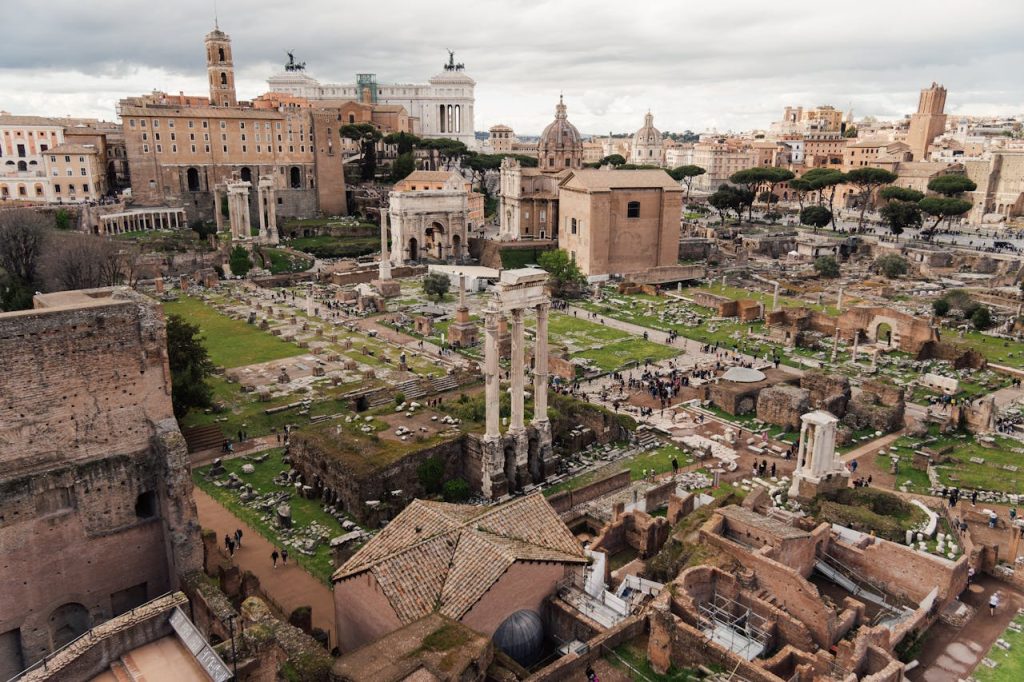
At the Colosseum, the time slot reservation is compulsory, and official sales open in a defined booking window. That alone changes trip planning: Americans can no longer treat it as a same-day line-up attraction at peak demand.
The first behavior shift is calendar discipline. Travelers should track the release window and purchase promptly for preferred hours. Waiting for “later in the week” can mean awkward time slots that break the rest of the Rome itinerary.
The second shift is entry precision. A timed ticket is not just proof of payment; it is a commitment to a specific arrival rhythm. Overstacking nearby attractions before the Colosseum often leads to late arrivals and avoidable stress.
A cleaner plan is to anchor a morning or late-afternoon block around the booked slot and keep nearby stops flexible. That approach preserves energy and minimizes missed windows. In Rome, the ticket time should drive the day.
Acropolis of Athens, Greece
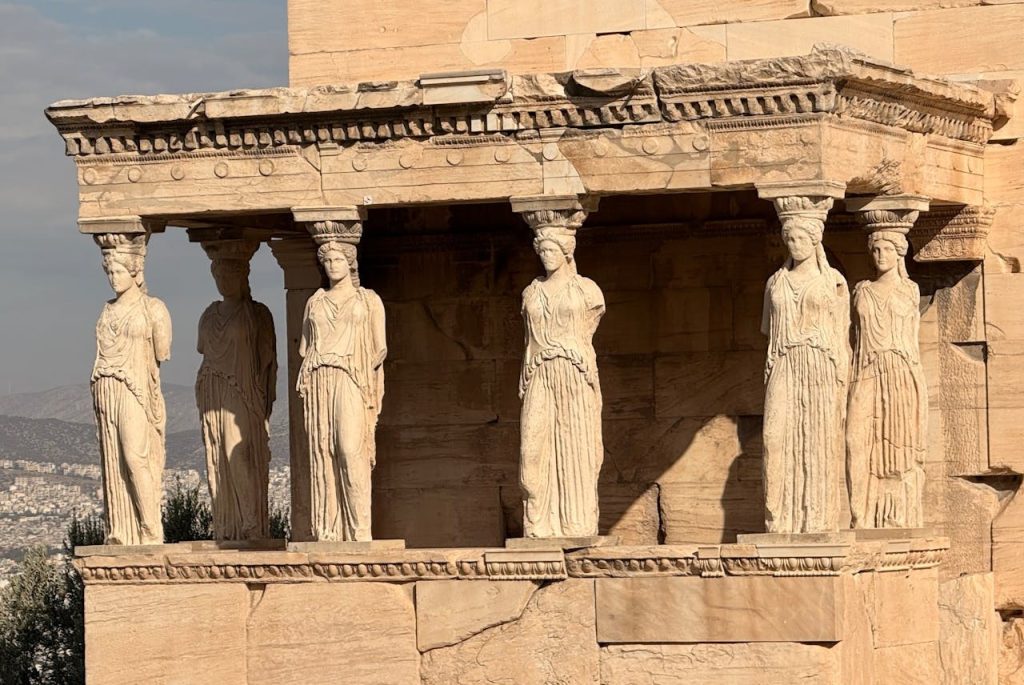
For the Acropolis, timed entry is mandatory, and access is tied to the selected slot. Greece’s official e-ticket ecosystem has reinforced this structure, making pre-booking and slot awareness central to a successful visit.
Americans who arrive expecting open-ended entry can lose valuable hours at the worst time of day. Heat, crowd surges, and rigid entry controls punish late adjustments. The best defense is to treat your slot as fixed and plan transport accordingly.
A practical habit is arriving early enough to clear routine checks without rushing. Even a small delay compounds quickly when everyone is converging on the same high-demand windows. Calm arrivals almost always outperform aggressive last-minute sprints.
It also helps to decide whether your day is site-first or museum-first. Mixing both without clear timing can force bad tradeoffs. With timed entry in place, sequence is no longer optional planning detail.
Auschwitz-Birkenau Memorial, Poland
The Auschwitz-Birkenau Memorial’s visitor guidance emphasizes advance reservation, and self-guided entry cards are tied to online booking systems. That framework exists for flow management and respectful movement through a place with profound historical weight.
Americans should approach this visit with both logistical care and emotional seriousness. Late arrivals or no-book assumptions can create avoidable access problems and undermine the tone of the day. Planning early is part of visiting responsibly.
The key adjustment is to remove uncertainty before arrival. Confirm booking details, entry type, and exact timing while still at the hotel, not on the road. A few minutes of checking can prevent a difficult on-site scramble.
This is also one destination where pace matters as much as entry. Overbooking the same day with unrelated activities can make the visit feel rushed in the wrong way. Give the site the time and attention it deserves.
Anne Frank House, Netherlands
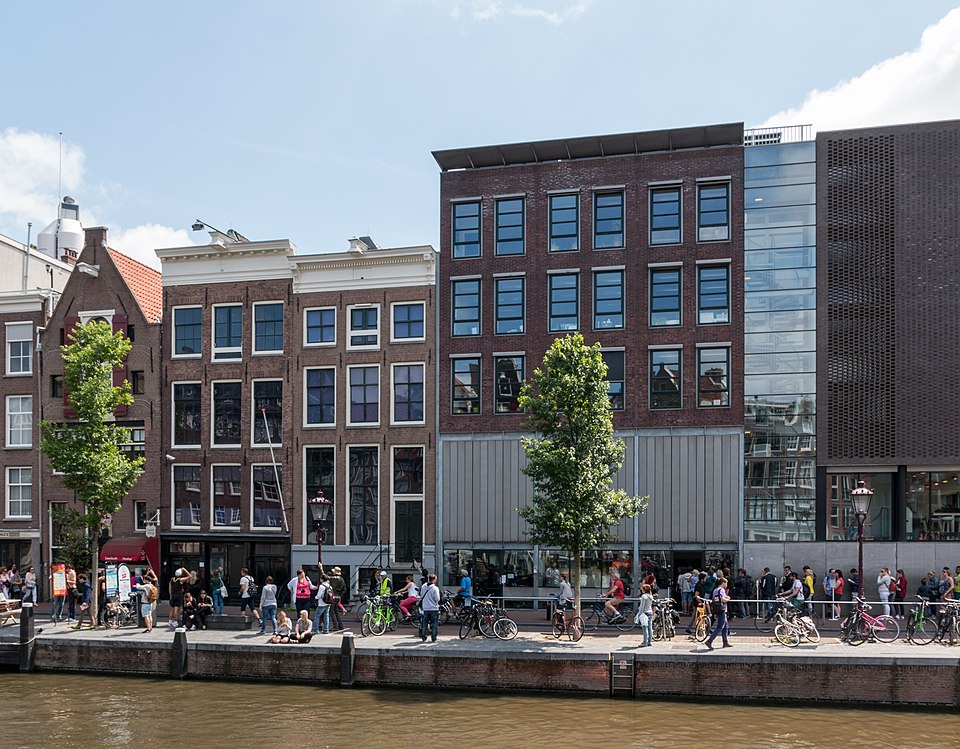
The Anne Frank House states clearly that visits are tied to online tickets for specific time slots. There is no practical substitute for pre-booking through the official channel if you want predictable entry.
For Americans in Amsterdam, this means abandoning the old habit of seeing what lines look like on arrival. Demand is steady, and flexibility is limited. If the slot is not secured, the day can close out without access.
A smarter workflow is to book as soon as travel dates are stable, then shape nearby activities around the confirmed time. Trying to force the museum into a loose, open-ended day often creates timing friction.
It also helps to build emotional space around the visit. Rushing in from one attraction and racing out to another can flatten the experience. Plan fewer things, and the visit lands the way it should.
The Last Supper at Cenacolo Vinciano, Milan
For Leonardo’s Last Supper, reservations are compulsory through official channels, with tickets released in defined cycles. Access is tightly managed because demand consistently exceeds available capacity. Americans who wait for late availability often come up short.
The first adjustment is simple: monitor release periods like a high-demand event. If Milan is a core stop, booking this should happen before restaurants and many secondary tours. Priority order matters.
The second adjustment is expectation management. This is not a place for a loose, drift-in visit model. Capacity controls are intentional, and every visitor moves within a structured timetable.
A better Milan day starts by fixing the viewing slot, then building a walkable route around it. That protects punctuality and reduces transit surprises. With this site, certainty beats spontaneity every time.
Borobudur, Indonesia
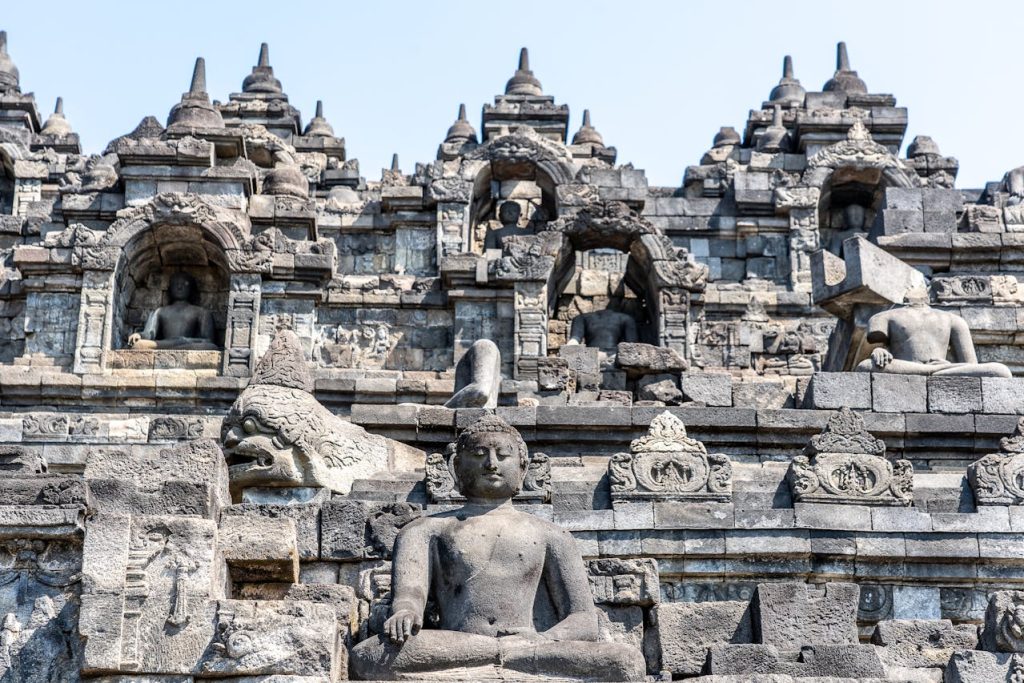
Borobudur’s official ticket ecosystem includes specialized access products, including limited sunrise offerings and regulated temple-structure entry products. That structure signals the same global pattern: sensitive heritage access is increasingly managed through controlled inventory.
American travelers should avoid assuming one ticket fits every experience. Ground access, structure access, and premium time windows can differ in availability and rules. A quick read of product details prevents costly misunderstandings.
The next behavior change is footwear, timing, and route readiness. Some entry types include specific on-site requirements and process steps that are easy to miss if you only skim confirmation emails. Read everything before arrival.
The payoff is smoother movement through one of the world’s great monuments. Book the exact experience you want, then plan transport and arrival margin around that booking. Borobudur rewards precision.
Statue of Liberty Crown, United States
Even in New York, crown access is not casual. The National Park Service states crown tickets must be reserved in advance through the authorized vendor, and day-of crown availability is not a fallback plan.
For American families hosting out-of-town relatives, this catches people off guard. Many assume any ferry ticket can be upgraded at the last minute. That assumption regularly fails and leads to disappointment at the dock.
The planning fix is straightforward: secure crown reservations first, then coordinate ferry departure timing and arrival check-in requirements. Keep IDs ready and arrive early enough to clear each step without pressure.
This site is a good reminder that heritage logistics now mirror major event logistics. Limited inventory, fixed access layers, and strict process controls are normal. The traveler who plans ahead sees more and stresses less.
Sources
- Machu Picchu Official Ticket Platform
- Alhambra Official Tickets
- Alhambra Opening Hours and Prices
- Colosseum Official Opening Times and Tickets
- Acropolis Timed Entry on Hellenic Heritage e-Ticket
- ODAP Official Ticketing Overview