9 Major Tourist Spots That Now Use AI Surveillance for Safety

In many of the world’s busiest destinations, safety teams now rely on AI tools to understand crowd patterns and act quickly when something feels off. The technology watches for unusual movement, sudden gathering, or items left behind, and the alerts help staff step in before problems grow. These systems promise faster responses and calmer public spaces even as they raise questions about privacy and long term data use. Each city adapts the tools differently, guided by local culture, laws, and the challenges that come with constant tourism.
Dubai: Downtown and Airport Biometric Corridors
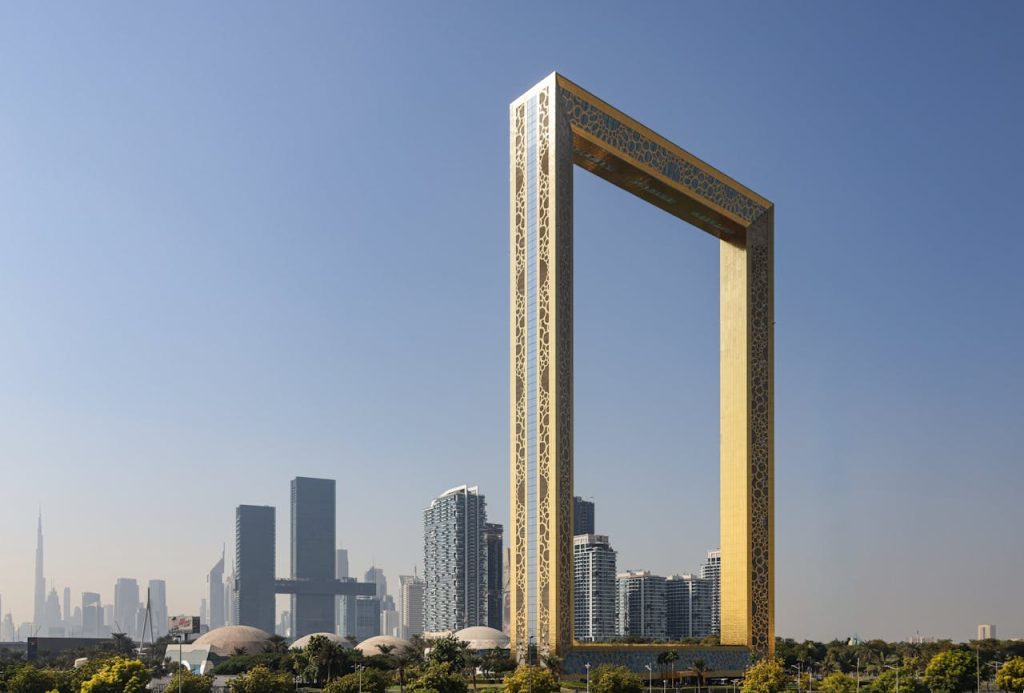
Dubai uses a mix of biometric checkpoints and AI linked cameras across terminals and downtown areas. The system studies movement patterns to ease pressure at chokepoints and sends alerts when density rises to unsafe levels. Staff can respond before a crowd becomes overwhelming, which helps families, older travelers, and anyone caught in a surge. The city highlights convenience and safety, though conversations about oversight continue. As Dubai expands attractions and events, AI becomes one more tool that keeps thousands moving smoothly each day.
Beijing: Historic Sites and Integrated Camera Networks
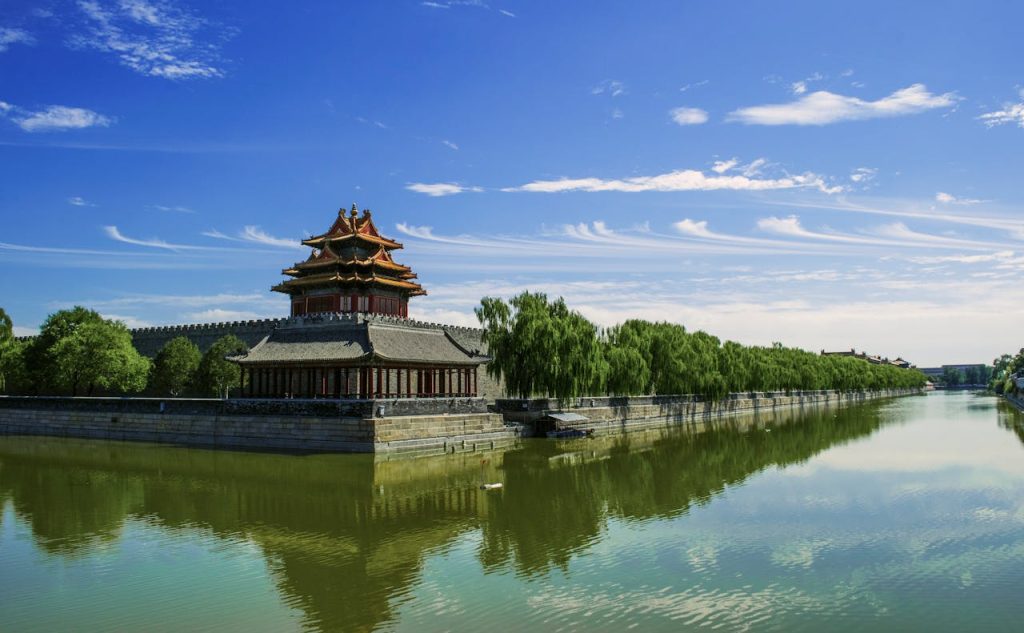
Beijing connects cameras around palaces, museums, and transit hubs to centralized platforms that help teams understand how people move through historic sites. AI tools observe posture, direction, and density to warn staff when flows begin to stall. The approach reduces bottlenecks and speeds emergency responses in places that attract heavy tourism. Operators emphasize that analytics support human judgment rather than replacing it. Visitors may not notice the technology, yet it shapes everything from how lines form to how quickly crews reach someone who needs help.
Paris: Event Era Video Analytics for Crowd Safety
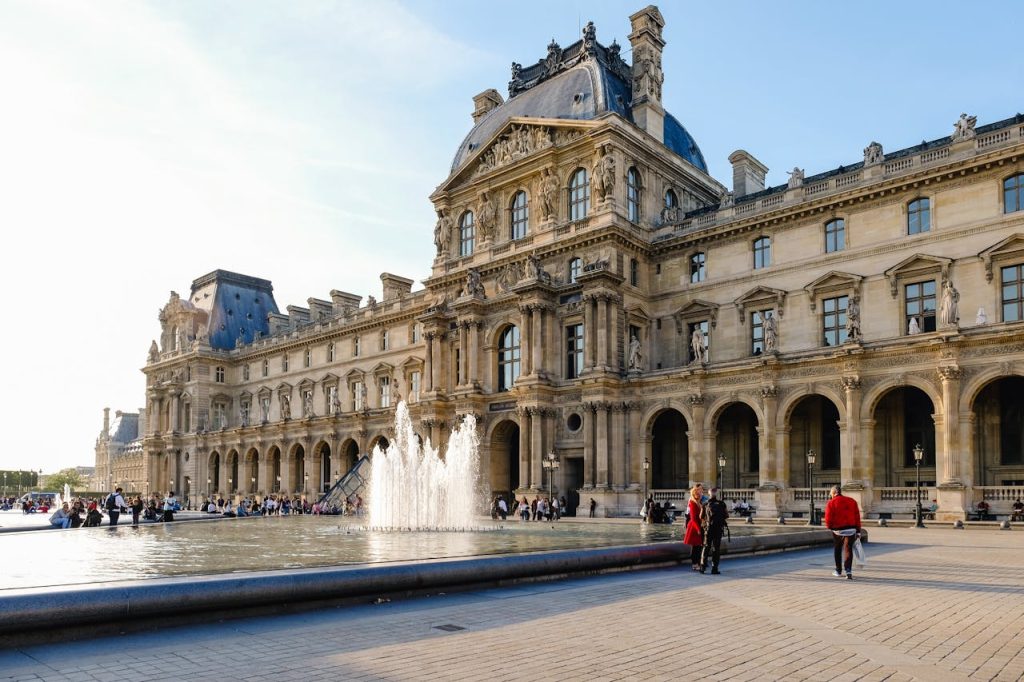
Paris introduced AI enhanced video monitoring around stadiums, plazas, and transit stations during major global events. The tools scan for sudden crowd surges, erratic movement, or items left unattended and route alerts to trained teams who verify and respond. The goal is to prevent small disruptions from turning into chaotic moments in dense public areas. After the trials, officials weighed public feedback and refined rules about how long data can be stored. The experience helped the city better understand how automated alerts can strengthen safety without overwhelming personal freedoms.
Singapore: Airports and Smart Sensors
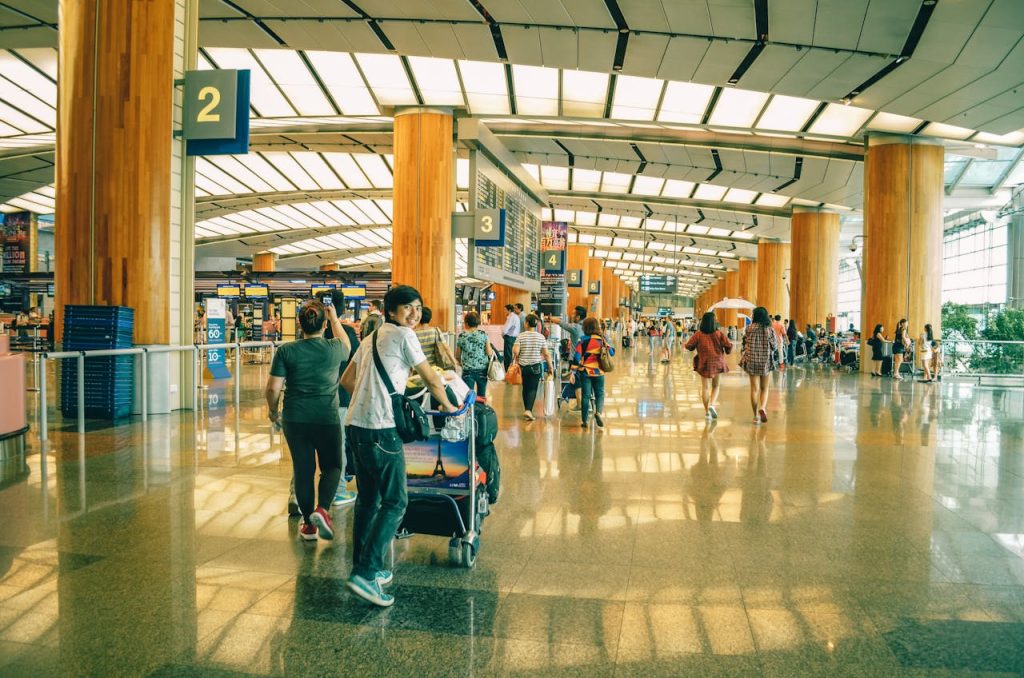
Singapore blends biometric gates, sensor grids, and AI supported cameras throughout its airport and waterfront districts to anticipate safety issues before they unfold. Systems track foot traffic volumes, detect abandoned objects, and signal staff when patterns shift unexpectedly. These insights allow teams to redirect people around congested paths or intervene during medical incidents more quickly. The city invests heavily in oversight to maintain public trust while still pushing for efficiency. Travelers often experience shorter waits and calmer transitions because of this careful balance.
New York City: Transit Platforms and Behavior Alerts
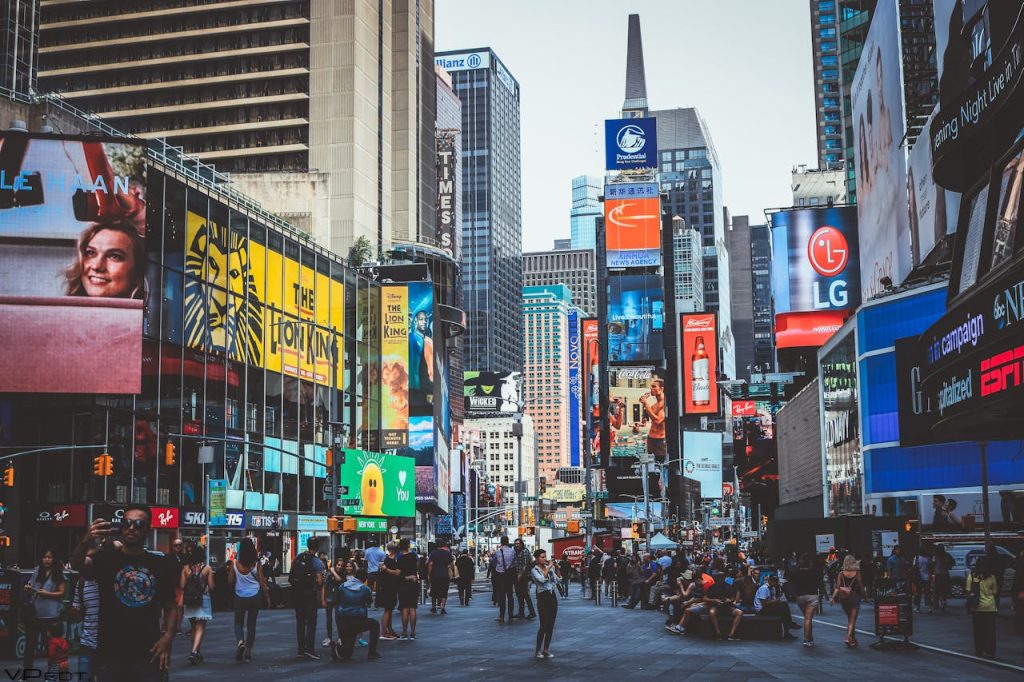
New York trials AI systems on busy platforms to spot signs of distress or sudden changes in movement that could indicate danger. The models watch for irregular posture, rapid shifts in direction, or gathering crowds and notify human monitors who decide how to respond. This support helps reduce delays and speeds assistance when someone falls or needs medical care. The tools never decide outcomes alone, and city officials work with advocates to set boundaries around storage and review. The goal is safer stations without losing the human awareness that keeps transit environments grounded.
London: Expanded Analytics Across Public Space
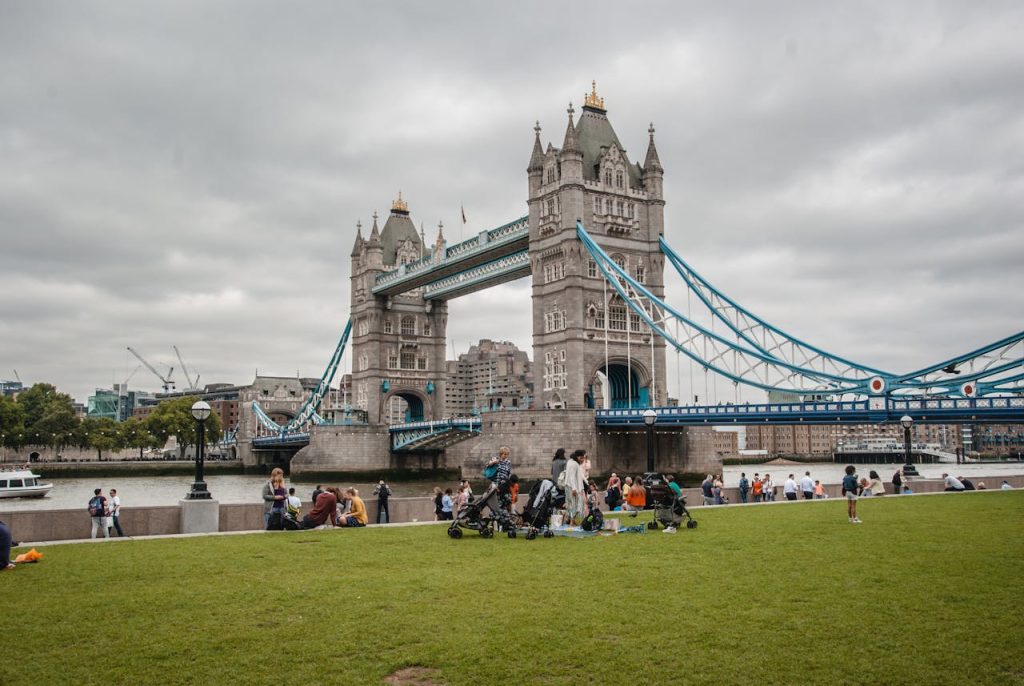
London builds on its long history of public cameras by adding AI features that read movement patterns, detect risky clustering, and help locate missing people in crowded districts. The city uses these capabilities mainly to improve coordination among safety teams rather than for broad identification. Alerts guide officers toward areas where visitors may be stuck or where unattended items require inspection. Oversight committees review practices to maintain transparency and public comfort. The technology works quietly alongside traditional patrols to steady the flow in some of Europe’s busiest tourist zones.
Hong Kong: Operational Platforms in Tourist Zones
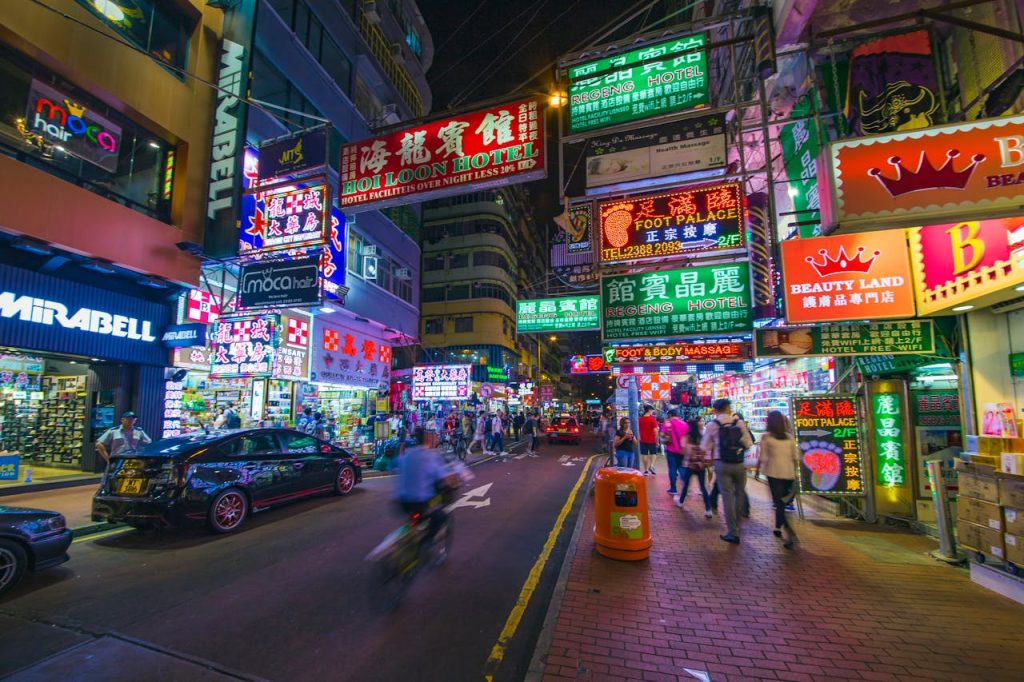
Hong Kong links cameras, transit feeds, and public sensors into control centers that use AI to help monitor waterfronts, markets, and festival areas. Analytics highlight unusual crowd buildup or movements that suggest a problem, giving teams time to clear pathways or guide people toward safer exits. These insights help operators reduce injuries during peak hours when streets tighten and visibility drops. As the system expands, residents continue to ask for transparent rules and clear accountability. Even so, the approach has improved coordination during high demand events.
Barcelona: Edge AI in High Footfall Corridors

Barcelona tests edge AI cameras that process data locally to speed alerts in tight lanes and metro areas popular with visitors. The technology spots abandoned items, crowd compression, or changes in flow that could strain public spaces. Local processing limits the movement of raw footage, addressing some privacy concerns while still giving staff faster information. These pilots help the city refine routes, adjust transit timing, and send teams toward hotspots before pressure builds. The result is smoother movement in streets that carry heavy seasonal demand.
Cruise Ships and Major Ports: Onboard and Dockside Monitoring

Cruise lines and ports use AI supported monitoring to manage the constant movement of thousands of passengers through terminals and ship corridors. Systems detect unusual clustering, restricted area access, or urgent incidents that require quick attention. Crews receive alerts in real time and can redirect people or reach a passenger who needs help long before a situation worsens. Ports use similar tools to improve boarding and reduce congestion at busy gates. The technology adds a protective layer in environments where large groups rely on shared pathways.