9 Moments While Traveling That Women Say Felt Unexpectedly Emotional

Travel psychologists and behavioral researchers report that the act of moving through unfamiliar geography often triggers significant shifts in the internal landscape of the female traveler. According to experts at the intersection of tourism and mental health, the removal of daily domestic or professional routines creates a psychological vacuum that is frequently filled by intense and sudden clarity. This phenomenon is often described as a temporary dissolution of the ego where the individual becomes highly receptive to the environment, leading to breakthroughs that stayed buried under the pressures of life at home.
Clinical therapists and sociologists emphasize that these emotional peaks are rarely tied to traditional tourist milestones like visiting a famous museum or landmark. Instead, they occur during quiet and unscripted intervals when the traveler realizes their own resilience or feels a profound connection to the broader human experience. These moments represent a departure from the curated version of a vacation, offering a raw and authentic encounter with the self that many describe as the true purpose of the journey.
Reaching A High Summit Solo
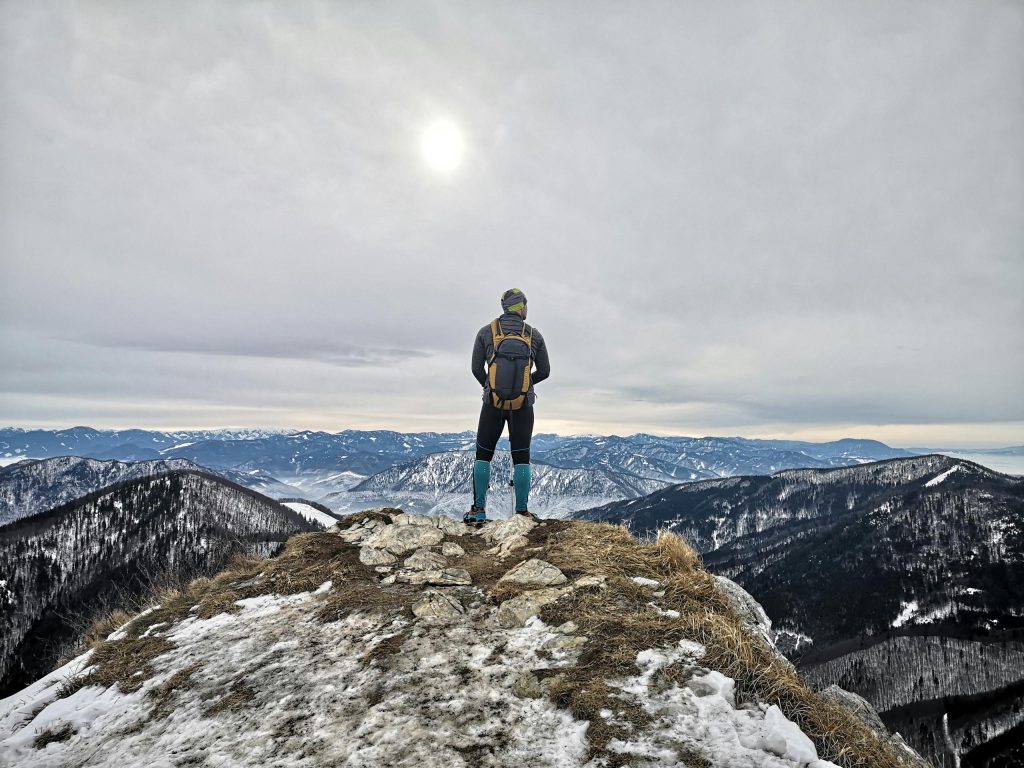
National Park Rangers and wilderness therapists frequently observe an intense emotional release in women who complete a difficult mountain ascent alone. This moment of standing at the peak is often the culmination of hours or days of physical struggle, during which the mind is forced to focus entirely on breath and movement. Experts explain that the resulting surge of endorphins combined with the dramatic vertical perspective creates a sense of profound agency. The realization that the body is capable of overcoming significant physical barriers often translates into a newfound confidence in navigating complex life transitions.
Psychological researchers note that the silence at the top of a mountain acts as a powerful auditory catalyst for reflection. Without the ambient noise of a city or the chatter of a group, the individual is left with their own thoughts against a backdrop of immense natural scale. This juxtaposition of the small self against a massive landscape often leads to a cathartic shedding of trivial anxieties. Rangers suggest that travelers who linger at the summit often report a feeling of having left a version of their former selves on the trail below, replacing it with a quiet and durable strength.
The experience of the summit is also a visual anchor for personal triumph that remains vivid for years. According to experts in memory and cognition, the brain stores these high stakes physical experiences with exceptional clarity because of the heightened state of awareness required to reach them. When a traveler looks out over a horizon they reached through their own effort, the image becomes a permanent internal resource. This mental snapshot serves as a reminder of capability during future periods of doubt, making the climb much more than a simple outdoor activity.
Sharing A Table With New Acquaintances

Cultural anthropologists and hospitality consultants observe that breaking bread with strangers in a foreign setting frequently results in an unexpected sense of communal belonging. In many cultures, the act of invitation into a home or a local eatery is a sacred gesture of trust that transcends language barriers. Experts explain that when the traditional roles of host and guest are enacted with sincerity, the resulting warmth can be overwhelming for a traveler who has spent several days in solitude. These communal meals often become the emotional center of a trip because they remind the individual of the universal human need for connection.
Sociologists studying global tourism trends note that these dinners often involve a level of vulnerability and openness that is rarely found in the digital world. Without the ability to rely on shared cultural references, people must communicate through direct eye contact, gestures, and the appreciation of the food itself. This simplified form of interaction strips away social pretenses and allows for a genuine exchange of spirit. Experts suggest that the emotional weight of these moments comes from the realization that despite vast differences in geography and history, the basic rhythms of life and family remain consistent across the globe.
The sensory details of these meals, such as the smell of wood smoke or the texture of a handmade tortilla, further engrave the experience in the heart. Experts in sensory branding and cultural immersion explain that the brain associates these tastes and smells with safety and acceptance. For a woman traveling alone, being welcomed into a local social circle for a few hours provides a profound sense of validation. It confirms that the world is generally welcoming and that strangers are often just friends who have not yet been introduced.
Witnessing Rare Wildlife In A Natural Habitat

Wildlife biologists and conservationists report that encounters with rare or majestic animals in their natural environments often leave women feeling deeply moved by the fragility of the planet. Catching sight of a pod of orcas or watching a family of elephants move through a savanna creates a visceral connection to the living world that goes beyond intellectual understanding. Experts explain that this experience often triggers a sense of cosmic perspective, where the individual realizes their small but integral place in a vast biological tapestry. The sheer presence of a wild being that is completely indifferent to human concerns is both humbling and exhilarating.
Environmental psychologists note that these encounters often lead to an immediate and intense desire to protect the species and their habitats. The emotional impact is rooted in the recognition of a shared life force that exists outside the confines of human civilization. According to researchers at leading conservation institutions, the direct gaze of a wild animal can be a life altering event for a traveler. It breaks down the perceived wall between humanity and nature, replacing it with a feeling of kinship and stewardship that often influences lifestyle choices long after the traveler returns home.
The unpredictability of wildlife sightings adds to the emotional charge of the moment. Unlike a planned museum visit, seeing a rare species requires patience, luck, and a quiet presence, making the eventual discovery feel like a rare gift. Experts suggest that this element of chance creates a sense of wonder that is increasingly rare in a managed and predictable world. When the animal eventually retreats back into the brush or the deep ocean, the observer is left with a sense of gratitude for the brief intersection of their two paths.
Achieving Navigational Autonomy In Foreign Cities

Urban sociologists and behavioral psychologists observe that the first time a traveler successfully navigates a complex foreign transit system or finds a hidden location without a digital map, it triggers an unexpected wave of pride. This realization of navigational autonomy is a powerful marker of independence and adaptability. Experts explain that the process of decoding signs in another language and understanding the underlying logic of a new city builds cognitive resilience. The moment the individual stops feeling lost and starts feeling like they belong to the movement of the city is a significant psychological milestone.
Psychological researchers studying female solo travel note that this sense of mastery over the environment often leads to a broader feeling of empowerment. Navigating a bustling market in Marrakech or the subway in Tokyo without assistance proves that the individual can rely on their own problem solving abilities in any context. Experts suggest that this mastery is particularly emotional for women who may have been taught to be cautious or to rely on others for direction. The tangible proof of their own competence provides a lasting boost to self esteem that carries over into professional and personal spheres.
The emotional depth of this moment also comes from the intimacy gained with the city itself. When a traveler walks the streets with confidence, the city stops being a series of sights to be seen and becomes a lived environment to be experienced. Experts in urban design explain that active navigation requires a person to notice the small details of life, from the way people queue to the specific smell of a neighborhood bakery. This sensory engagement creates a personal map of memories that feels far more significant than any prepackaged tour.
Visiting A Significant Ancestral Site
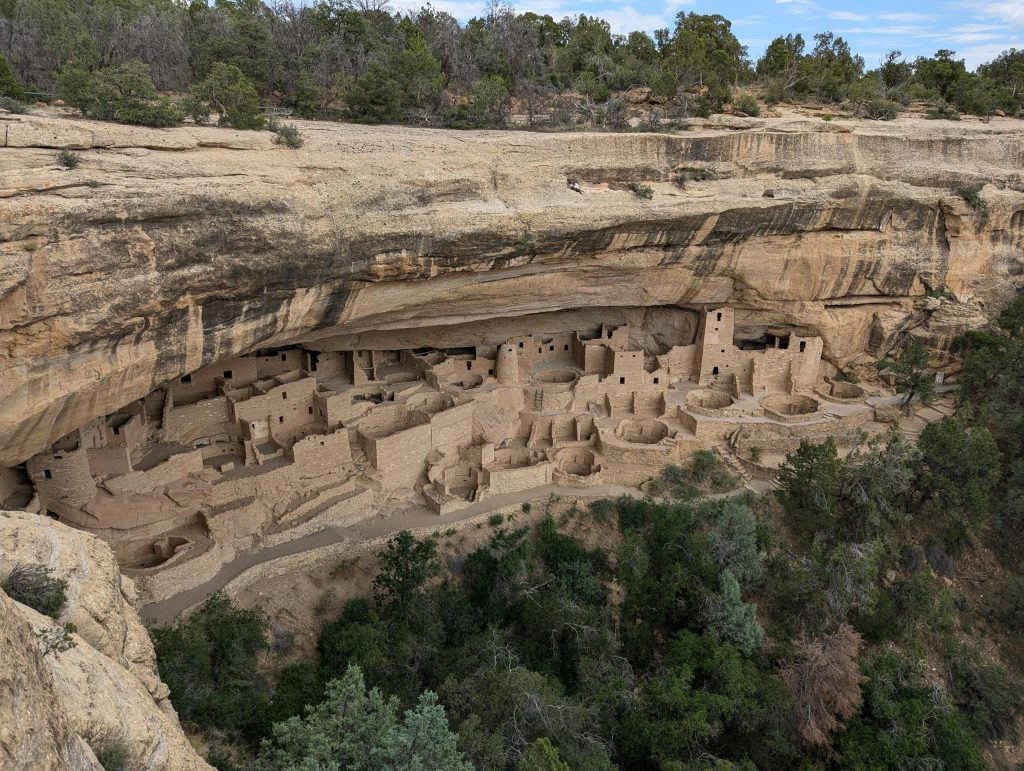
Genealogists and cultural historians report that standing on the soil of one’s ancestors often evokes a profound sense of temporal belonging. For many women, visiting a remote village or a family burial ground in a distant country closes a generational loop that has existed only in stories. Experts explain that this physical connection to the past provides a stabilizing sense of identity that roots the individual in a larger historical narrative. The realization that they are the living continuation of a lineage that endured through time and space can be deeply overwhelming and grounding.
Historians note that these visits often involve a mixture of grief and celebration. There is a sadness for the struggles the ancestors faced and a joy in the fact that their legacy survives. According to experts in heritage tourism, the simple act of touching a stone wall or walking a path that a great grandparent once trod can trigger an immediate and visceral emotional response. It is a moment where the abstract concept of family history becomes a tangible and present reality. This connection helps the traveler understand the cultural and genetic forces that have shaped their own personality and values.
The experience often sparks a desire to preserve and share these family stories with future generations. Experts suggest that these ancestral pilgrimages serve as a vital link in the maintenance of cultural memory. By visiting these sites, the individual becomes a guardian of the family legacy, ensuring that the names and stories of those who came before are not lost to time. This sense of purpose adds a layer of meaning to the travel experience that transcends mere sightseeing, turning the trip into a sacred mission of discovery.
Experiencing The Final Sunset Of A Solo Journey

Travel therapists and life coaches observe that the final sunset of a solo trip is often a moment of intense reflection and quiet sadness. It marks the transition from the expanded version of the self that existed on the road back to the routine of daily life. Experts explain that this transition period is when the traveler begins to integrate the lessons of the journey into their identity. Watching the sun go down on a successful solo expedition provides a space to acknowledge the challenges overcome and the growth achieved during the time away.
Behavioral scientists note that this specific interval is often when the individual feels most connected to themselves. The solitary nature of the sunset mirrors the solitude of the trip, creating a bookend of peace and autonomy. According to experts in transitional psychology, the emotional weight comes from the realization that the journey is ending, but the internal changes are permanent. There is often a quiet vow made in these moments to maintain the perspective gained, even when faced with the distractions of home.
This final evening also provides an opportunity to reflect on the beauty of the world without the need to share it or document it for others. Experts in mindfulness and wellness explain that this purely internal experience is a rare and valuable commodity. The silence of the dying light allows the traveler to sit with their accomplishments and their memories in a way that is profoundly intimate. It is a celebratory moment of self discovery that needs no outside validation, serving as a powerful reminder of the individual’s inner richness.
Encountering Familiar Sounds In Remote Environments

Ethnomusicologists and behavioral psychologists report that hearing a familiar song or sound in a completely unexpected place can cause an immediate and jarring emotional response. Whether it is a childhood melody playing in a rural market or the sound of a specific bell that mimics one from home, these auditory triggers bridge the gap between the familiar and the foreign. Experts explain that music and sound are processed in the parts of the brain deeply linked to memory and emotion, making these encounters particularly visceral. The sudden arrival of the familiar in the middle of the unknown can make a traveler feel both comforted and intensely nostalgic.
Psychological researchers note that these moments often highlight the interconnectedness of global culture. Seeing how a piece of one’s own world has traveled across oceans to reach a remote village can be a surprising and moving realization. Experts suggest that these sounds act as emotional anchors, providing a brief moment of stability in an environment that may otherwise feel overwhelming. This auditory bridge allows the traveler to feel a sense of safety and continuity, reminding them that no matter how far they roam, the echoes of home are never truly gone.
The experience also encourages a deeper listening to the sounds of the new environment. Once a familiar sound is identified, the traveler often becomes more attuned to the unique auditory landscape of their current location. Experts in acoustic ecology explain that this heightened awareness leads to a more profound immersion in the destination. The emotional resonance of the familiar sound serves as a gateway to appreciating the beautiful and strange sounds of the new world, creating a layered and rich sensory memory of the journey.
Standing Before A Masterpiece Of Human Creativity
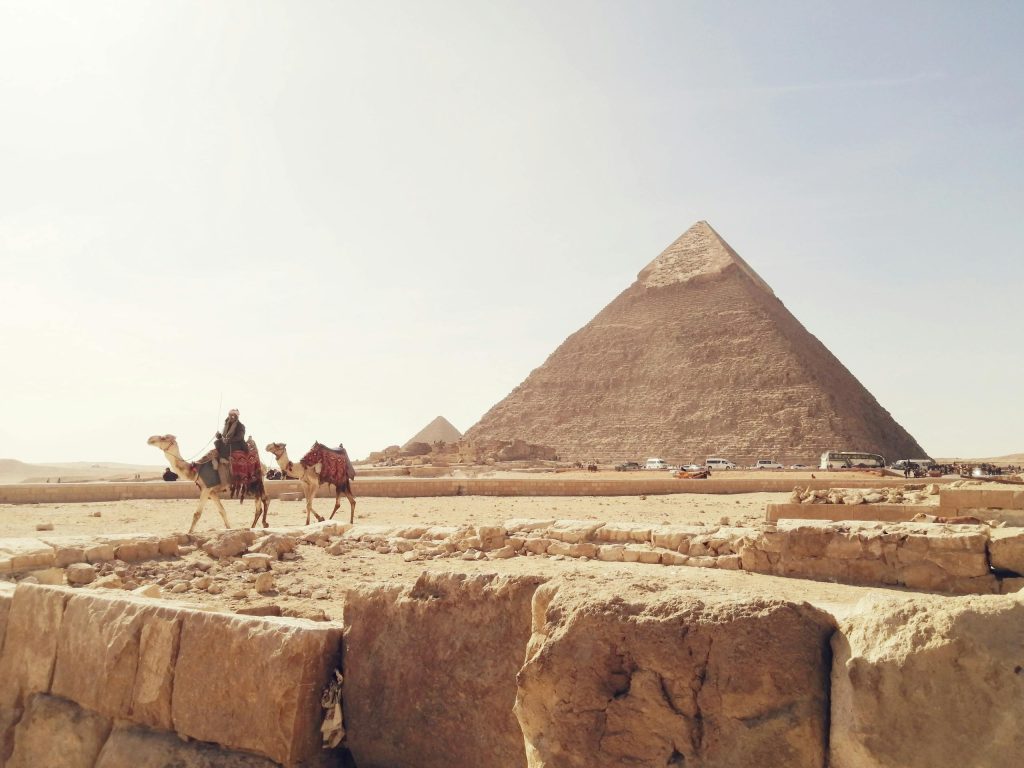
Art historians and museum curators observe that standing in front of a monumental work of art or an ancient structure often leads to an unexpected feeling of awe. This emotional response is rooted in the recognition of the immense time, effort, and vision required to create something that outlasts its creator by centuries. Experts explain that the scale of a cathedral or the intricate detail of a Renaissance sculpture can make the individual feel part of a long and noble human tradition. The realization that human beings are capable of such profound beauty and ingenuity provides a hopeful perspective on the human condition.
Curators note that these encounters often involve a sense of personal dialogue with the artist. Despite being separated by hundreds of years, the viewer can feel the intent and the passion embedded in the work. According to experts in art therapy, this connection can be particularly moving for women who find their own experiences reflected in the creative output of others. The museum or the historic site becomes a place of sanctuary where the individual can commune with the best aspects of humanity, away from the cynicism and noise of the modern world.
The physical presence of the artwork adds a level of impact that digital images cannot replicate. Experts in visual perception explain that the texture, the scale, and the way light interacts with the surface of a masterpiece create a unique and non transferable experience. Standing in the presence of greatness requires a person to be fully present and attentive, leading to a state of flow that is both meditative and emotionally charging. These moments of artistic immersion stay with the traveler as a reminder of the enduring power of the human spirit.
Participating In A Local Community Tradition

Sociologists and social impact analysts report that being invited to witness or participate in a local community tradition often results in a profound feeling of humanity. Whether it is a town festival, a religious ceremony, or a simple community work day, these events offer a glimpse into the collective soul of a destination. Experts explain that witnessing the strength of community bonds and the shared commitment to tradition can be deeply moving for travelers who may feel isolated in their own lives. These moments provide a tangible example of social cohesion and mutual support that is both inspiring and humbling.
Experts in cultural exchange note that these experiences often break down the barrier between the tourist and the local. By participating in a shared activity, the individual becomes part of the community fabric for a short time. This level of engagement fosters a deep empathy and understanding of the challenges and joys faced by the local population. According to researchers in sustainable tourism, these genuine interactions are the most effective way to build global understanding and respect. The emotional impact comes from the realization that at the most basic level, all people strive for the same goals of safety, belonging, and celebration.
The memory of these shared traditions often becomes the most cherished part of a trip. Experts suggest that the feeling of having been part of something larger than oneself is a powerful antidote to the alienation of modern life. When the traveler leaves the community, they take with them a piece of that collective spirit, which often informs their own approach to community building back home. This cross cultural connection is a vital part of the global human story, proving that the bridges built through travel are among the most durable and significant.