9 Myths About Traveling With Firearms That Get Owners in Trouble
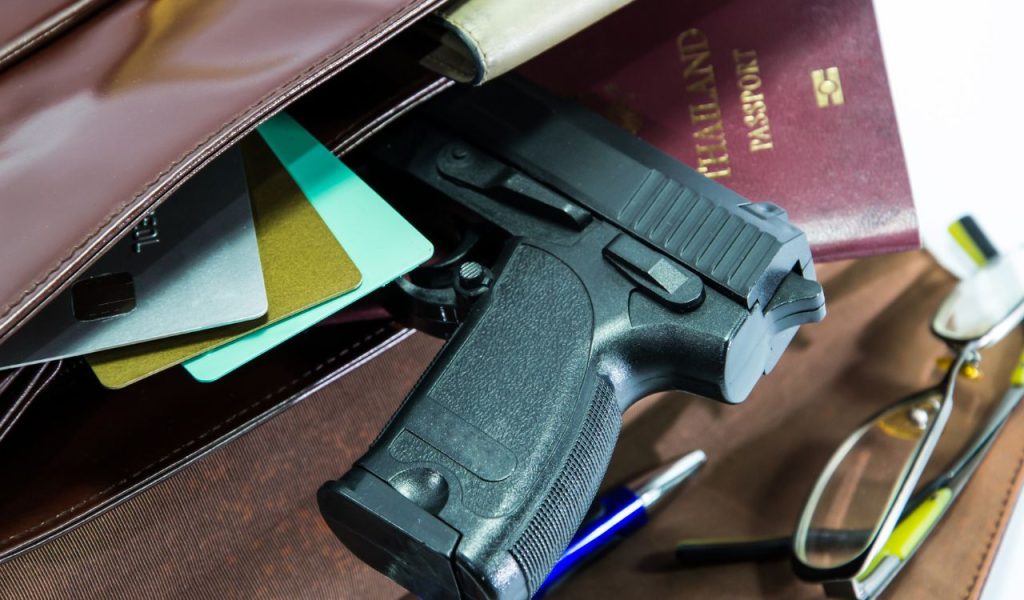
Many firearm owners assume federal rules cover every situation, but travel laws vary widely and misinformation can lead to arrest, confiscation or federal violations. Misunderstood airline requirements, state transport laws and reciprocity limitations create common traps for otherwise responsible owners. These myths highlight where travelers often slip up and why professionals warn that relying on assumptions instead of written regulations remains one of the biggest risks for lawful gun carriers.
Believing Your Home State Permit Works Everywhere
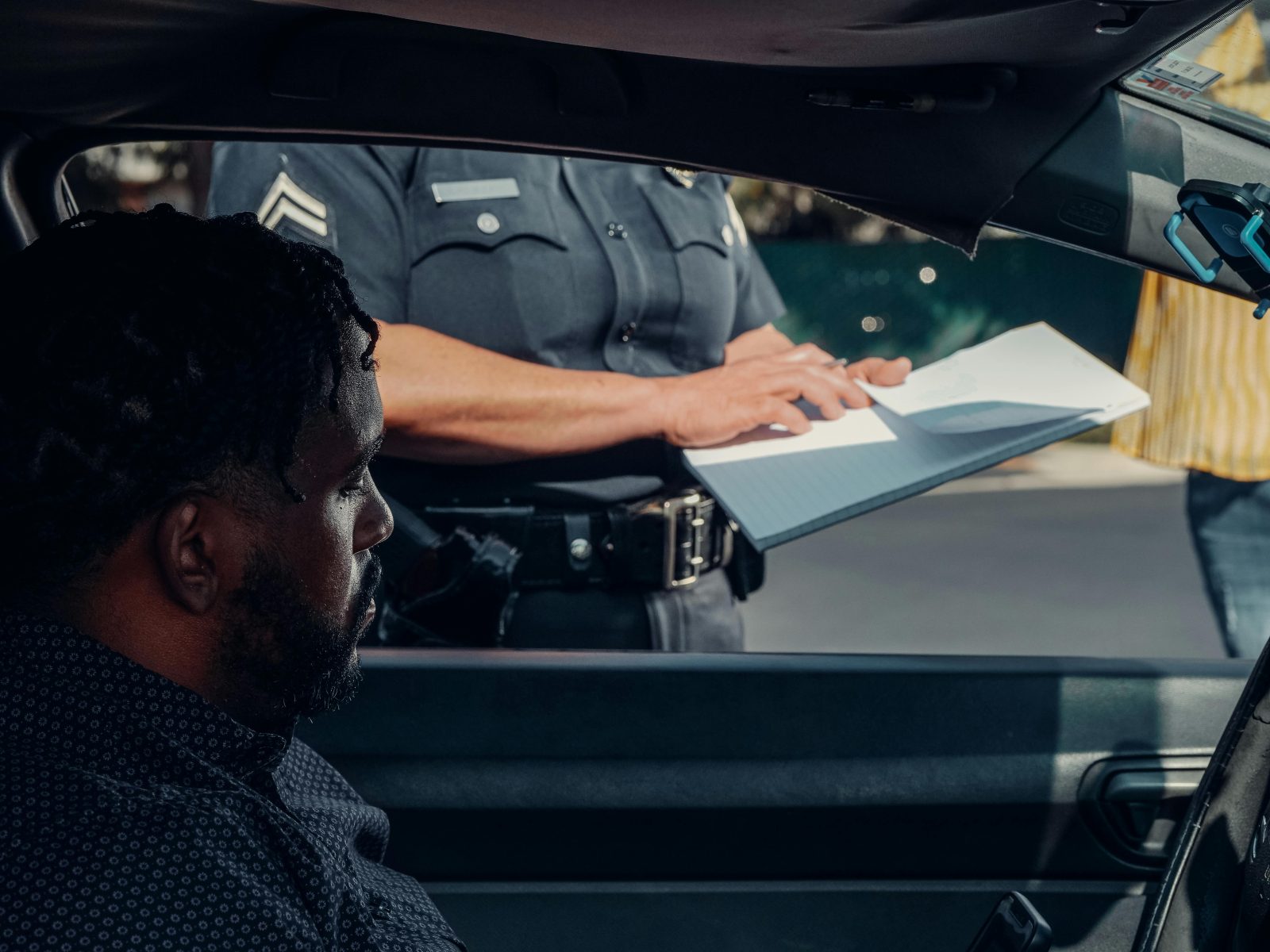
Some travelers assume their concealed carry permit is valid nationwide, but reciprocity agreements vary widely and several states recognize no outside permits at all. Firearms instructors warn that carrying with an invalid permit can result in immediate criminal charges even if the traveler legally owns the gun. Professionals consistently advise verifying each state’s recognition rules before crossing any border, since permit reciprocity is not standardized and changes frequently.
Thinking Federal Safe Passage Covers Every Situation

Many travelers assume federal safe passage protections apply automatically, but professionals stress that protection only applies when the firearm is unloaded, locked and inaccessible and the traveler is passing through without unnecessary stops. If a traveler diverts from the direct route or stays overnight in certain jurisdictions, safe passage may no longer apply, leaving the owner subject to strict local rules that can lead to arrest or firearm seizure.
Assuming You Can Fly With a Loaded Magazine
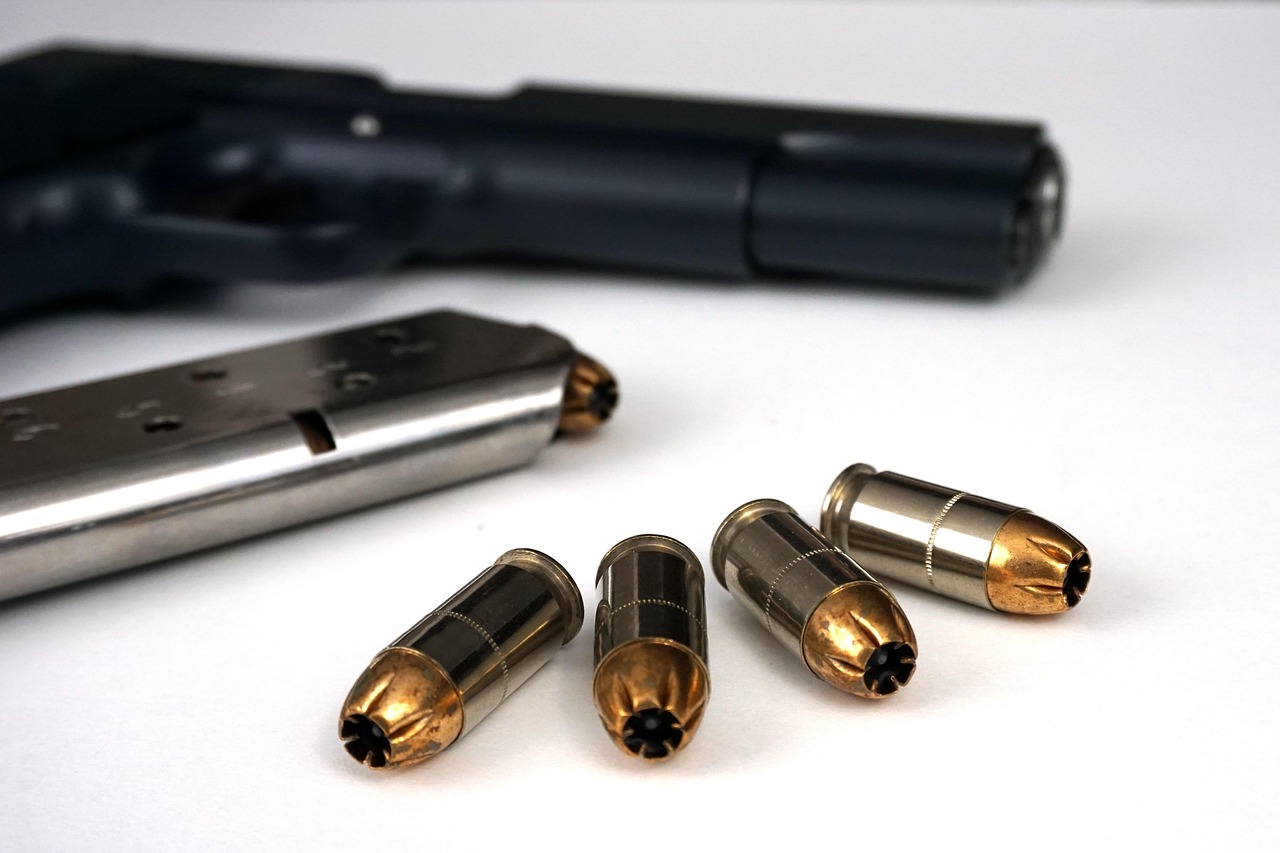
A common myth is that magazines can remain loaded if stored separately, but aviation security rules require all ammunition to be secured properly in approved containers, and many airlines require magazines to be empty. TSA guidance and airline policies differ, so relying on a general rule can cause delays or confiscation. Firearm safety instructors emphasize checking both federal requirements and airline specific policies before traveling to avoid violations.
Believing a Locked Trunk Always Meets Legal Transport Rules
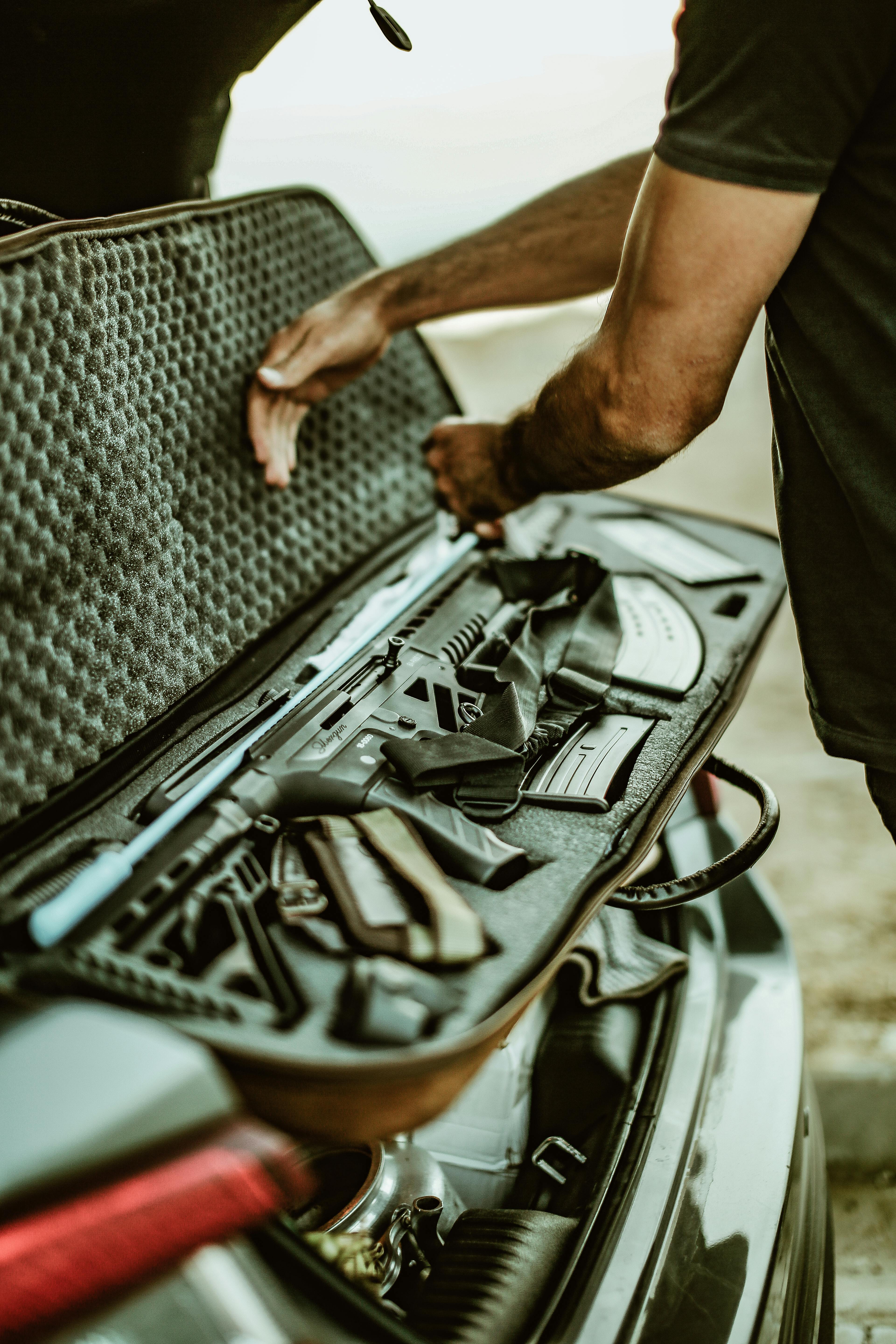
Some firearm owners assume that storing a gun in a locked trunk is universally compliant, yet several states require the firearm to be secured in a specific type of locked case regardless of the trunk. Law enforcement officials note that failure to use a dedicated locked container can lead to charges even when the firearm is unloaded. This misconception often surprises travelers who assume vehicle design alone determines compliance.
Thinking You Can Carry in State or National Parks Without Limits

While federal law allows firearms in national parks based on state laws, professionals stress that buildings and visitor centers remain governed by federal restrictions. Many travelers mistakenly assume open areas grant full carry permission. State parks also vary widely in their rules. This confusion has resulted in numerous citations for carrying in prohibited facilities where posted signs alone may not cover all restricted zones.
Assuming Rental Cars Follow the Same Rules as Personal Vehicles

Some travelers believe firearm transport laws apply identically in rental cars, but professionals warn that rental agreements may prohibit firearms entirely regardless of state law. Violating these terms can lead to fines or contract termination. Additionally, if traveling across multiple states, the renter must still meet each jurisdiction’s transport requirements. Misunderstanding this can place lawful owners at risk even when they comply with general vehicle transport laws.
Believing Ammunition Has No Special Transport Rules
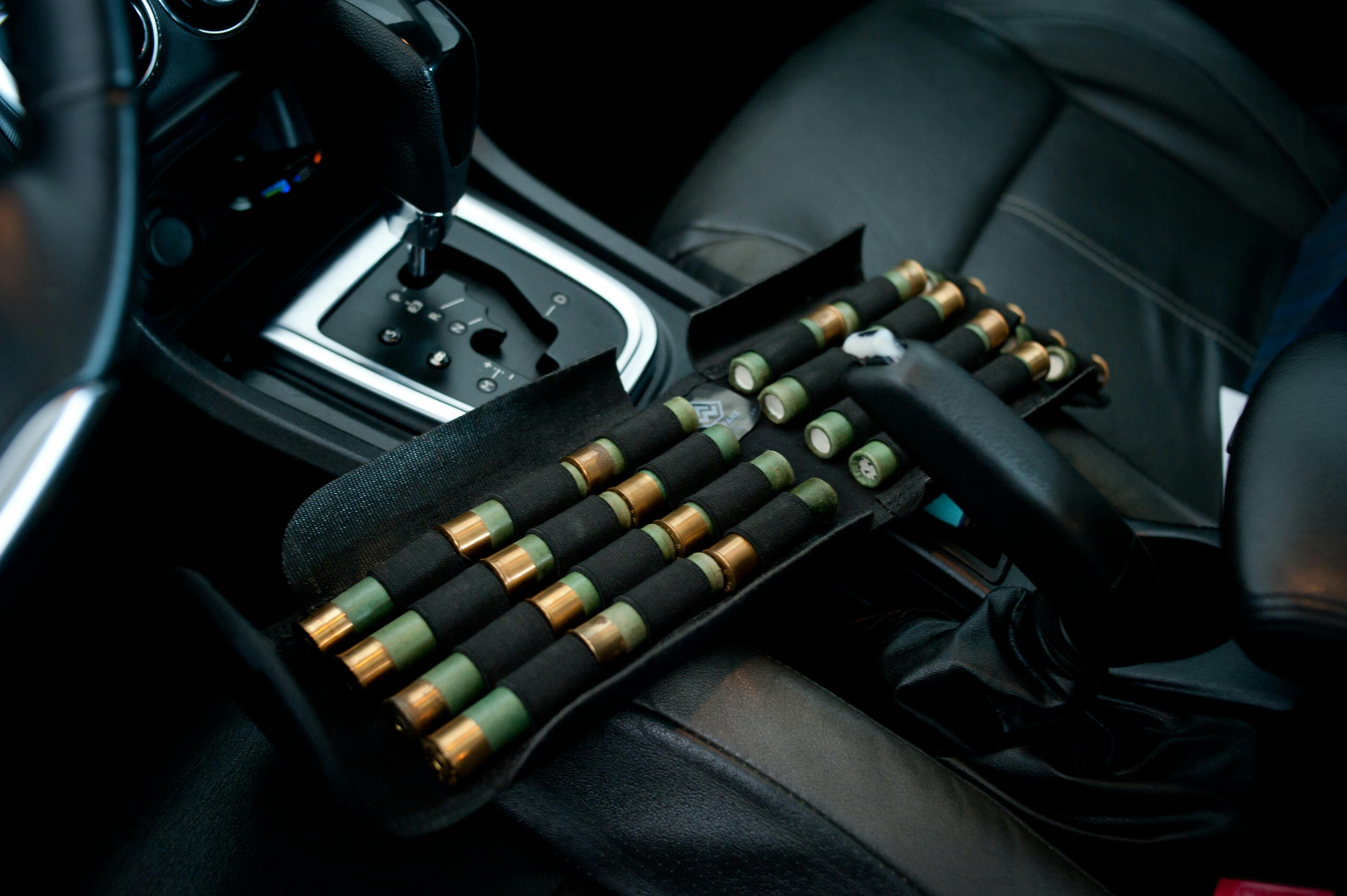
A common misconception is that only the firearm itself is regulated, but ammunition transport rules can be just as strict. Airlines require ammunition to be stored in secure packaging, and some states restrict specific types such as armor piercing rounds. Firearms instructors report that travelers are often stopped not for the gun but for improperly stored or prohibited ammunition, proving that ammo rules must be checked as carefully as firearm rules.
Thinking You Can Declare a Firearm at Any Airport Counter
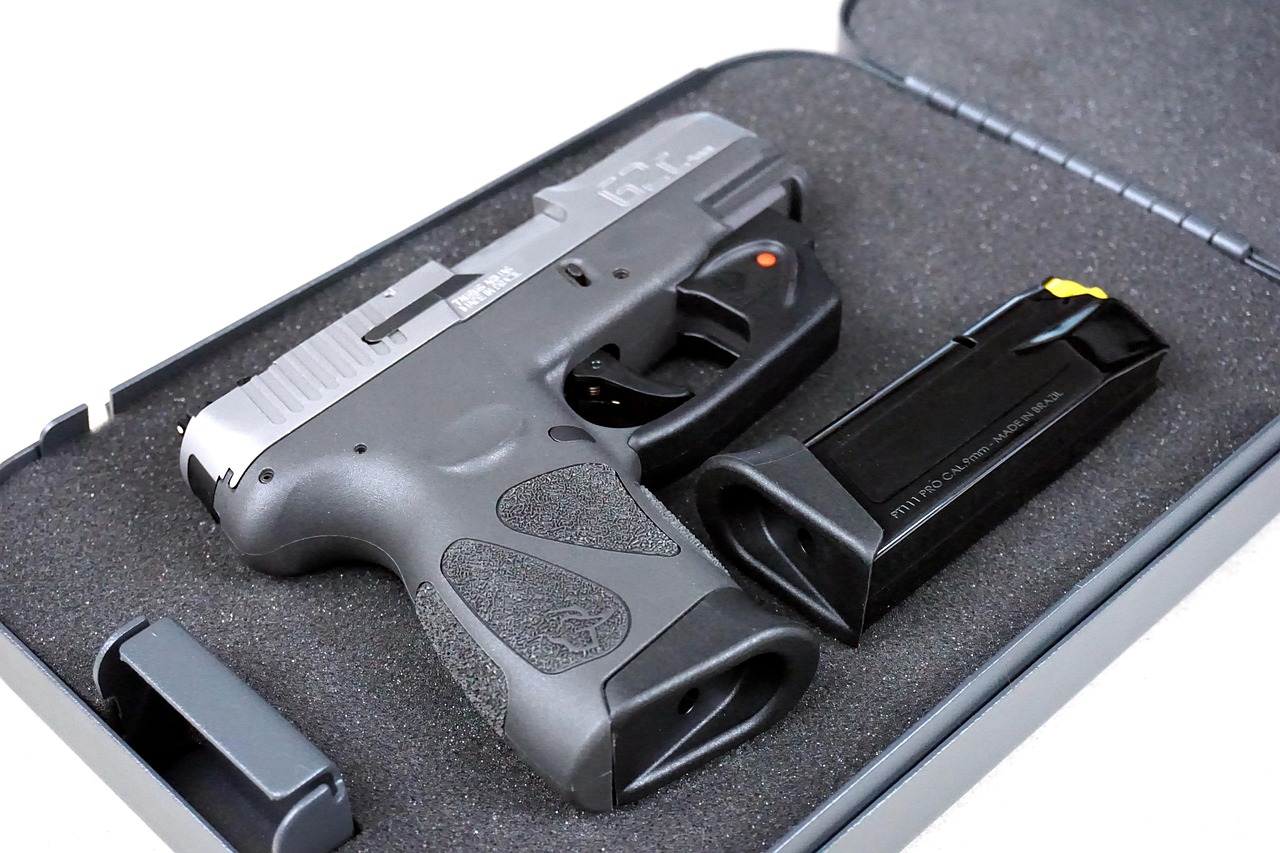
Travelers often believe that simply telling any airline agent is enough, but firearms must be declared at the designated check-in counter and follow mandatory inspection steps. Failure to follow airline protocol can result in missed flights or security intervention. Aviation security professionals consistently remind travelers that procedures differ between carriers, so assuming a universal process is one of the fastest ways to encounter avoidable problems.
Assuming Local Law Enforcement Will Offer Leeway for Honest Mistakes

Some gun owners believe explaining ignorance of local rules will protect them, but professionals emphasize that most firearm transport violations are strict liability offenses. Officers may confiscate the weapon or issue charges even when the traveler shows no malicious intent. Relying on verbal explanations instead of documented compliance has led many owners into legal trouble, especially in states with zero tolerance for transport errors.