9 Paddleboard Spots Windy With Wave Wipes
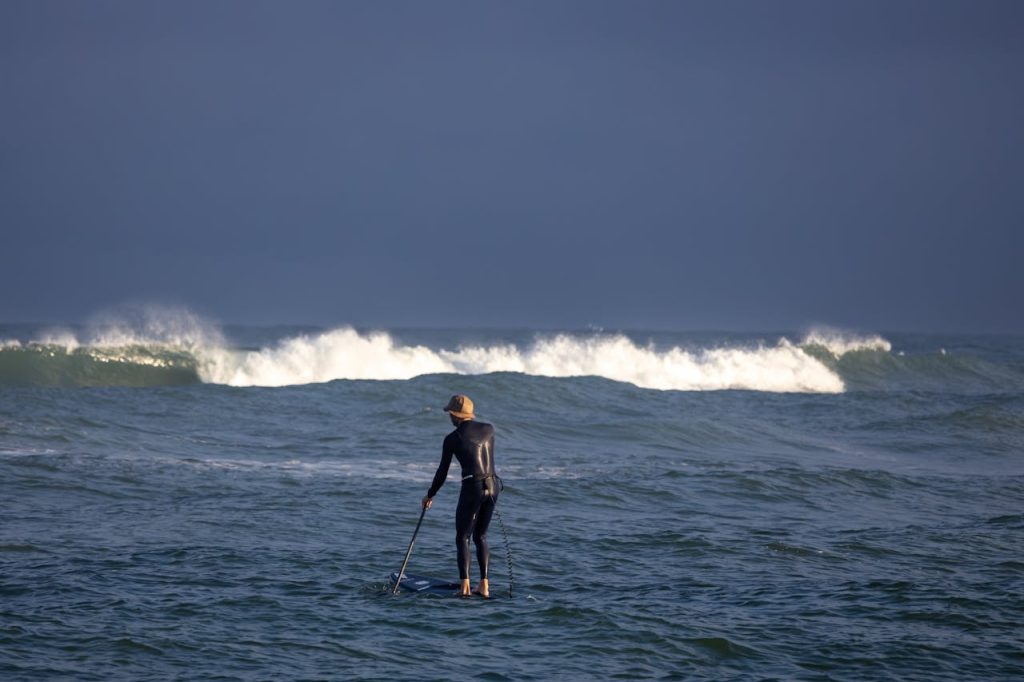
Some paddleboard mornings start calm, then a breeze draws dark lines across the water and the mood shifts. A flat launch can turn into a sideways shuffle.
In wind-prone places, timing runs the show. A sheltered pocket can stay friendly while open water turns into short, choppy steps that tap the rails. Locals watch flags, tide swings, and the first whitecaps, because the return can turn slow fast.
These nine locations are loved for big skies and lively water, where wind sports and paddlers share shoreline etiquette. Each has quiet windows, yet each is known for sudden spray, balance checks, and beach landings that end in laughter.
The Hook, Hood River, Oregon
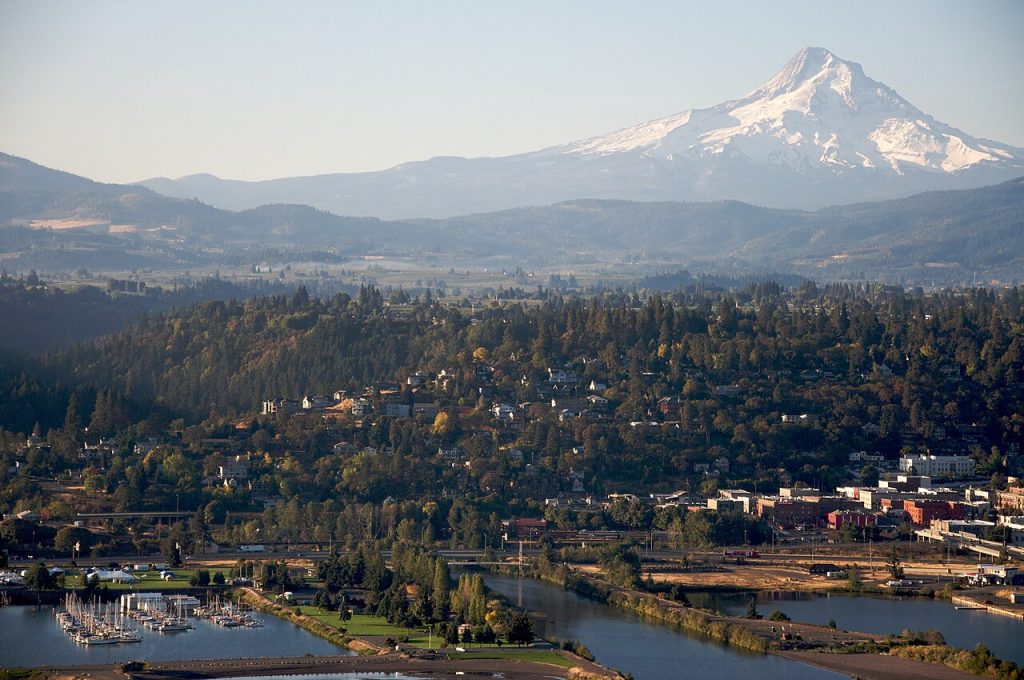
In Hood River, the Columbia River Gorge often flips from smooth to restless as afternoon thermal winds funnel between ridges. Cool river water and warm air help keep that breeze reliable through summer. The Hook offers a sheltered pocket near town, which is why it stays busy on bright days.
At the seam where protection ends, gusts stack short, steep chop and add a sideways tug that makes boards yaw and feet shuffle. Boat wakes and fast wind sports bring extra angles, so simple drills turn into balance practice. Locals keep routes tight to easy exits and treat morning laps as the calm half of a day that rarely stays calm for long.
Viento State Park, Oregon
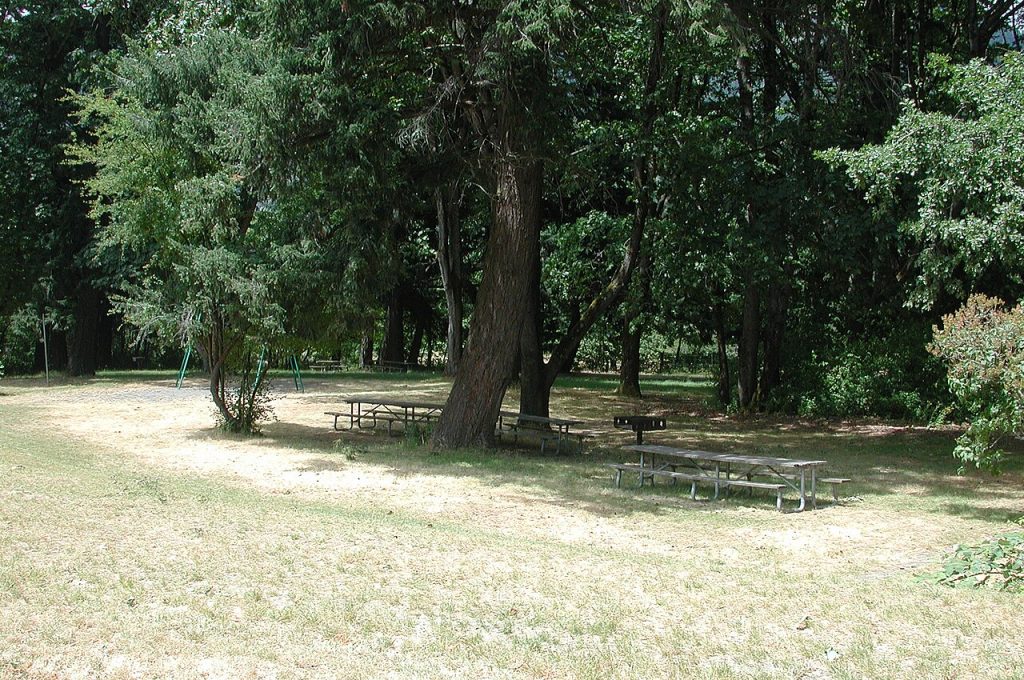
Viento State Park sits in the heart of the Gorge, where steady wind can run down the river and write long lines of swell. From shore it may look playful, but the surface rarely holds still once the breeze settles in. The wide launch keeps regrouping simple.
Wind bumps arrive in rows, then crossing wakes slice through and turn the pattern into skittery cross-chop that splashes rails and knees. Downwind stretches can feel smooth and quick, yet any turn back can become a slow push against moving water and air. Regulars watch cloud cover and temperature shifts, launching when the texture is readable and calling it early when it turns hectic.
Crissy Field, San Francisco, California
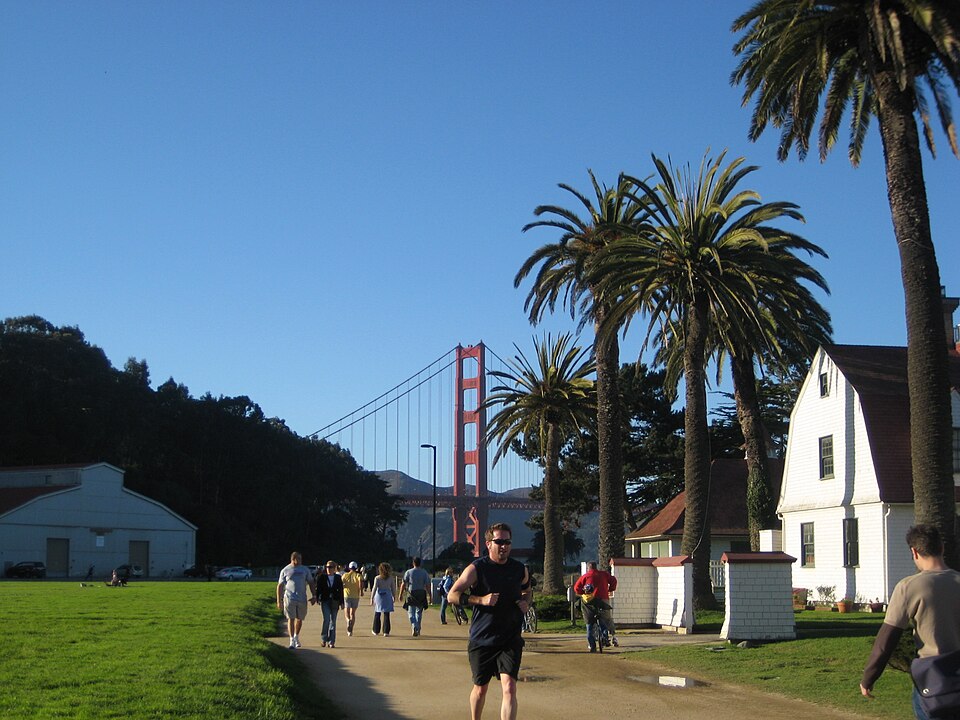
Crissy Field often starts gentle, then the Bay wakes up as afternoon wind pours through the Golden Gate and spreads across the flats. Summer breezes are common here, and they arrive with a clean, steady push. The view stays postcard-pretty, even when the water turns busy.
Short chop slaps the nose, tide currents pull toward deeper channels, and ferry wakes cut diagonally across the wind texture. Fog and wind shadows near the bluffs can change conditions in a few minutes, which makes routes feel strategic. Speed matters less than a steady stance, so locals favor tight laps near the sand and keep exits easy when the surface gets noisy.
Pamlico Sound, Outer Banks, North Carolina
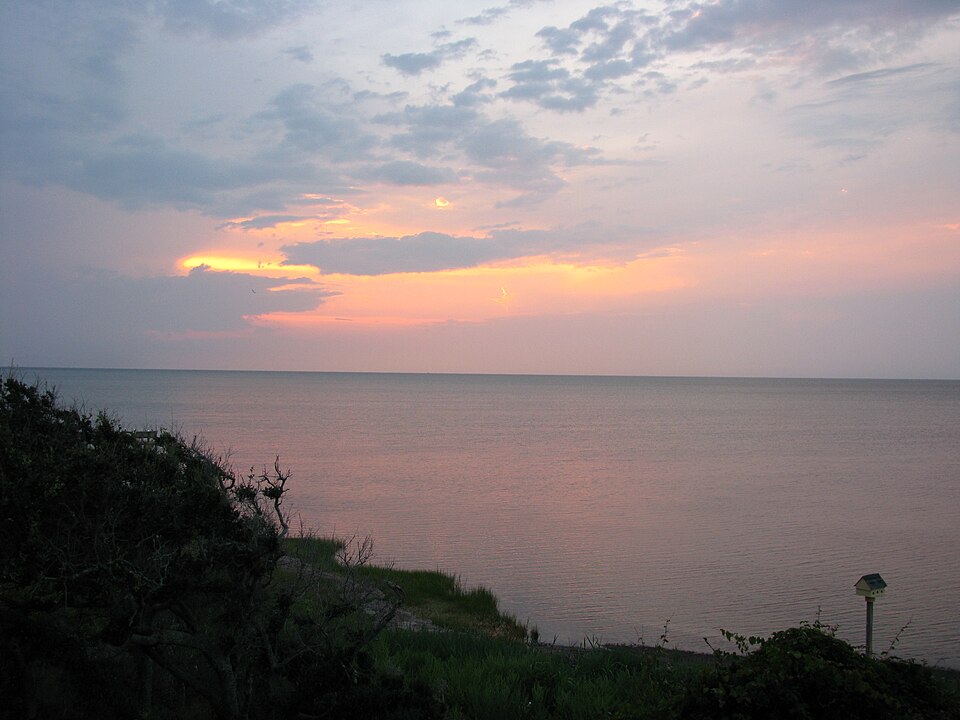
Pamlico Sound can look calm and endless, with shallow flats and a horizon that feels more like open sea than a bay. Marsh edges and quiet creeks offer brief shelter, then the open fetch takes over again. That openness gives wind room to build texture across the water.
When a steady breeze sets in, short chop stacks quickly and turns each stroke into small corrections rather than pure glide. Near bridges and deeper cuts, tidal flow adds a second push, and sandbars can redirect wavelets into a lumpy side pattern. Grass beds hide just under the surface, so locals keep routes flexible and favor lee shores when the breeze keeps building.
Holland State Park, Lake Michigan, Michigan
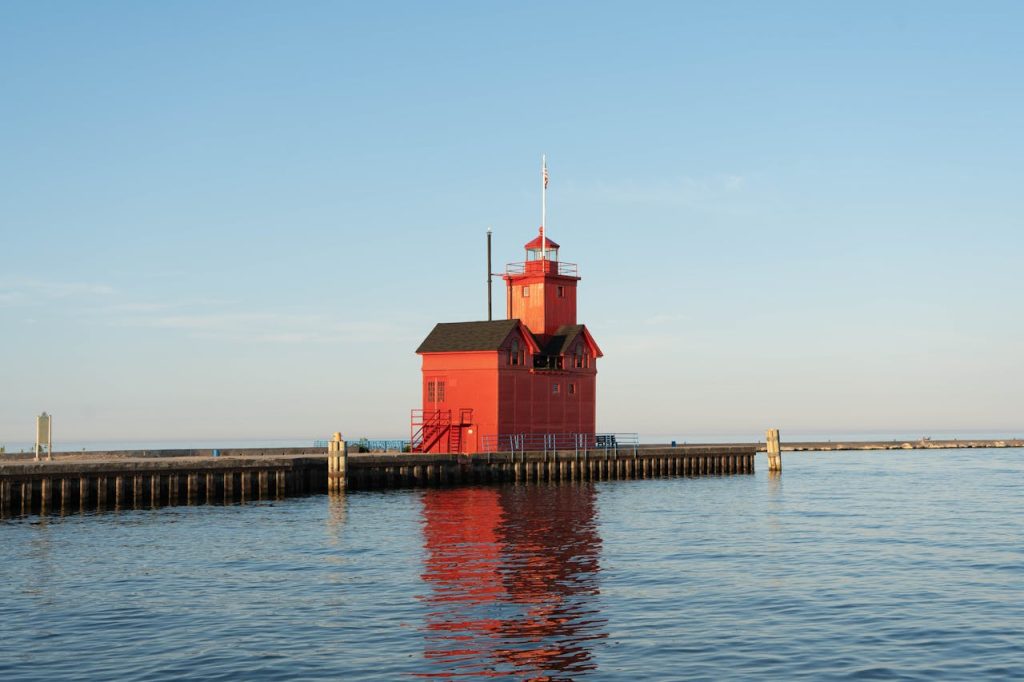
Holland State Park faces Lake Michigan, which behaves like an inland sea when wind has open water to work with. Prevailing westerlies stack waves along the beach, and the horizon hides how fast conditions build. A mild forecast can still turn into sets by mid-session.
Wave trains arrive in pulses, with smooth gaps that tempt longer laps before the next run of steeper faces rolls through. Near the piers, reflected waves can cross and scramble the surface, and colder months make spray feel sharp. Many paddlers use the channel for steadier water, then venture out only when the lake settles, keeping return options simple when wind shifts.
Malcesine To Torbole, Lake Garda, Italy
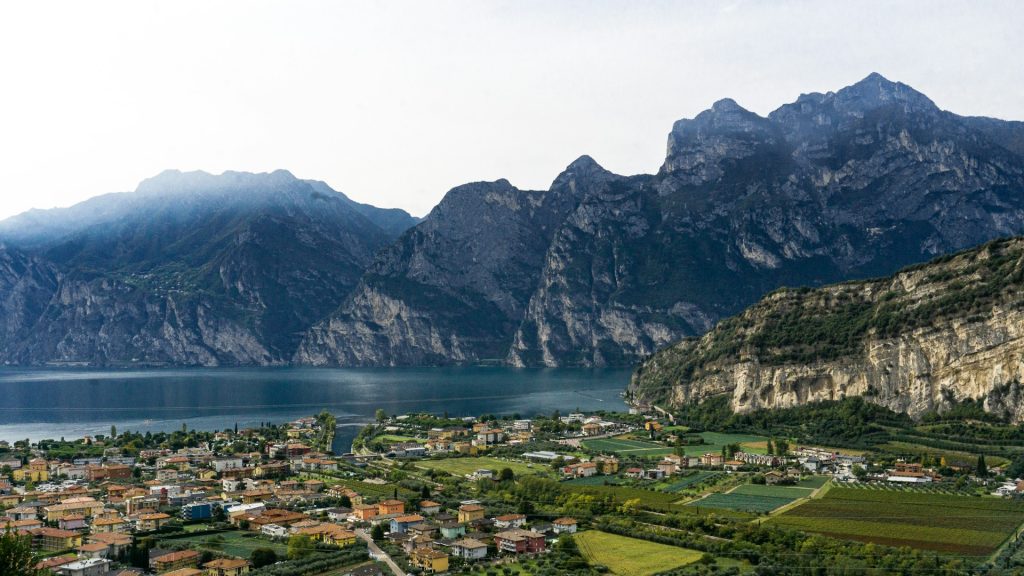
Lake Garda is known for regular winds that locals treat like a daily timetable, shaping launch times from Malcesine to Torbole. Mountains funnel air along the lake’s narrow axis, so calm water can change quickly. Even a bright day can feel sporty by late day.
Mornings often bring a north wind, while afternoons can flip to a south push that tightens the surface into angled chop. Cliffs create pockets of lull and sudden gust, and summer boat traffic lays wake lines across the wind texture. Paddlers who know the pattern keep sessions early or close to shore, using the changing breeze as a cue to shorten routes and end on a calm note.
Los Lances, Tarifa, Spain
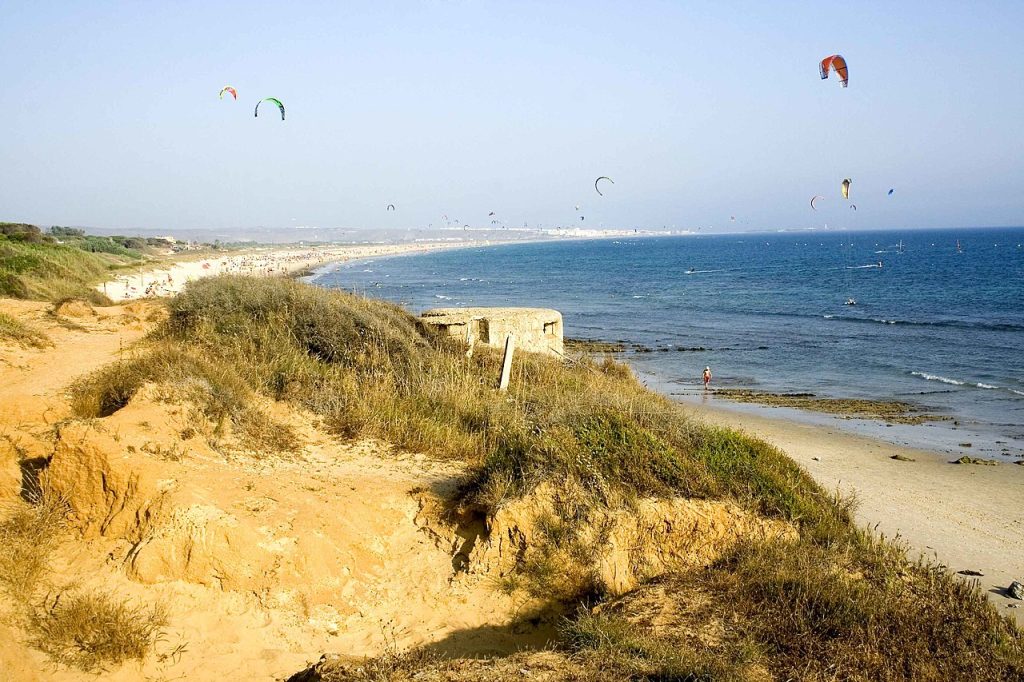
Tarifa sits near the Strait of Gibraltar, where strong winds are routine and the forecast sets the town’s pace. Kites and sails often fill the sky, and SUP plans follow the same rhythm. Los Lances offers open water with little shelter once the breeze commits.
When Levante or Poniente blows, boards drift sideways and low wind waves arrive in uneven trains, sometimes sharpened by shifting sandbars. Cross patterns form when currents and wind disagree, making the surface feel jumpy even close to shore. Local paddlers favor early starts and simple routes, because a calm window can close fast, leaving choppy water that suits short, tidy sessions.
Kanaha Beach Park, Maui, Hawaii
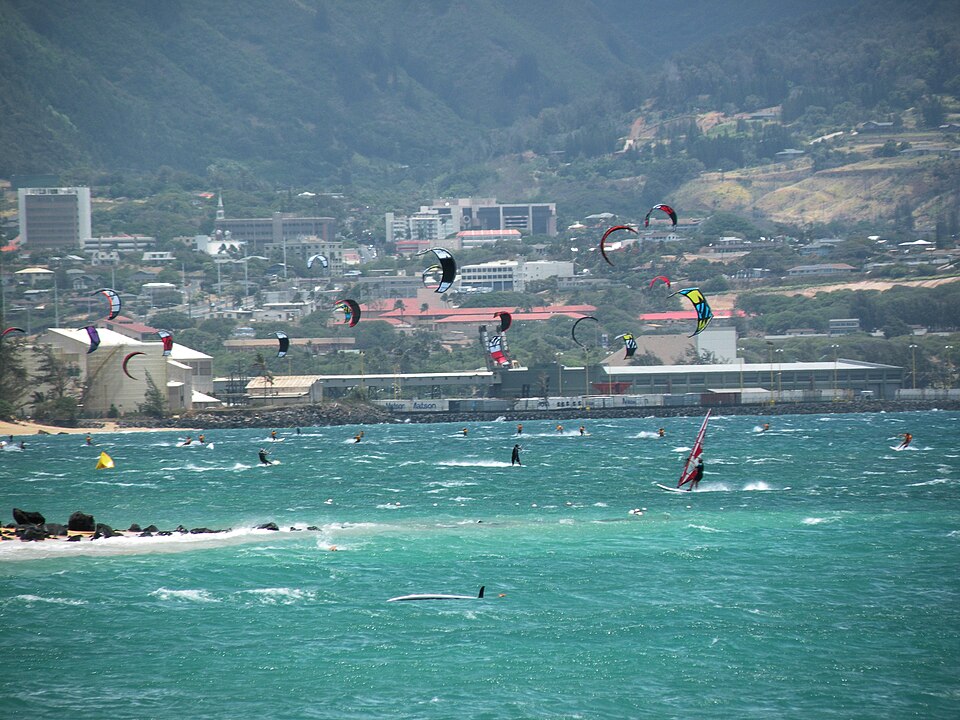
Kanaha Beach Park on Maui’s north shore can look calm in the morning light, then trade winds switch on and the water starts to chatter. Warm air and steady breeze make the bay feel energetic rather than quiet. The area is famous for wind sports, and that energy shows up on a paddleboard.
As the breeze builds, small swells arrive at angles and nudge boards off line, turning steady strokes into quick corrections and braced pauses. Shorebreak can thicken in sets, and passing craft add wake lines that stack on top of the chop. Even in warm water, the constant texture tires legs, so many paddlers keep routes short and favor tucked-in edges.
Dakhla Lagoon, Western Sahara, Morocco
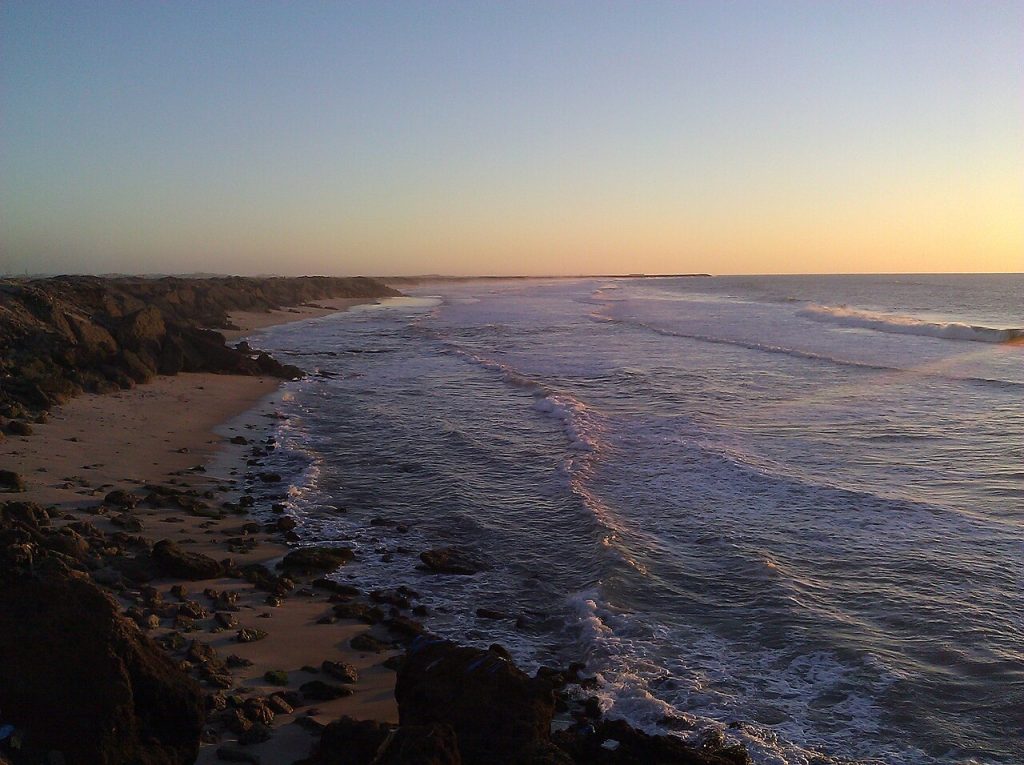
Dakhla Lagoon pairs desert stillness with persistent wind, and the light can make choppy water look smoother than it feels. Shallow flats and calm pockets sit beside open reaches that let the breeze build texture. The scene stays serene, even when the surface refuses to settle.
Inside the lagoon, chop stays smaller than the ocean side, yet gusts can stack sharp bumps that trip a board on side hits. Near exposed points, the wind accelerates and turns forward progress into diagonal sliding with salty spray in the air. Local sessions often target softer hours, then retreat as the breeze thickens, keeping routes close to sheltered corners.