9 Places That Feel More Local During the Off-Season
Traveling during the off-season often reveals how destinations function beyond tourism, when everyday routines replace crowds and spectacle. Familiar places slow down, allowing local patterns to shape the experience rather than visitor demand. Streets feel calmer, cultural spaces operate at steady rhythms, and interactions feel grounded. Seasonal weather shifts may alter activities, yet they frequently enhance atmosphere and authenticity. Reduced demand often improves access and affordability, encouraging longer stays and deeper observation. These nine destinations consistently feel more local outside peak months, offering insight into community life, traditions, and daily continuity when seasonal pressure fades.
Venice, Italy

Venice during the off-season feels rooted in daily life rather than constant movement. With fewer visitors crossing bridges and canals, residential rhythms become visible throughout the day. Morning deliveries, school commutes, and evening conversations shape the streets naturally. Vaporetto travel feels calmer, and neighborhoods regain familiarity for residents. Cooler weather and winter fog add atmosphere without disrupting access. Shops and cafes operate at a steady local pace. Revisiting Venice outside peak season reveals how residents adapt to fragile infrastructure while sustaining long established traditions beyond tourism driven demand, preserving community through routine, and careful stewardship of shared spaces.
Kyoto, Japan

Kyoto, Japan in the off-season offers a quieter balance between tradition and routine. Reduced tourism allows temples, shrines, and residential districts to feel contemplative rather than crowded. Cooler months support long walks through historic neighborhoods where daily life continues uninterrupted. The gardens remain meticulously maintained, and seasonal cuisine reflects local agricultural cycles. Many public transportation operates smoothly, and cultural etiquette feels easier to observe. Revisiting Kyoto outside peak travel highlights craftsmanship, ritual, and landscape, showing how heritage integrates seamlessly into everyday living without performance or scheduling pressure.
Lisbon, Portugal

Lisbon outside peak season feels guided by residents rather than visitor flow. Hills and neighborhoods become easier to navigate as crowds thin and temperatures cool. Trams operate smoothly, and viewpoints offer uninterrupted cityscapes. Local bakeries and cafes serve regular patrons, maintaining familiar rhythms. Cultural sites remain active, while lodging demand eases noticeably. Revisiting Lisbon during off-season months emphasizes texture, sound, and routine, from tiled facades to neighborhood conversations. The city’s layered history feels accessible when exploration unfolds without congestion or urgency, allowing everyday life to shape experiences more clearly through habit, familiarity, and local interaction.
New York City, New York
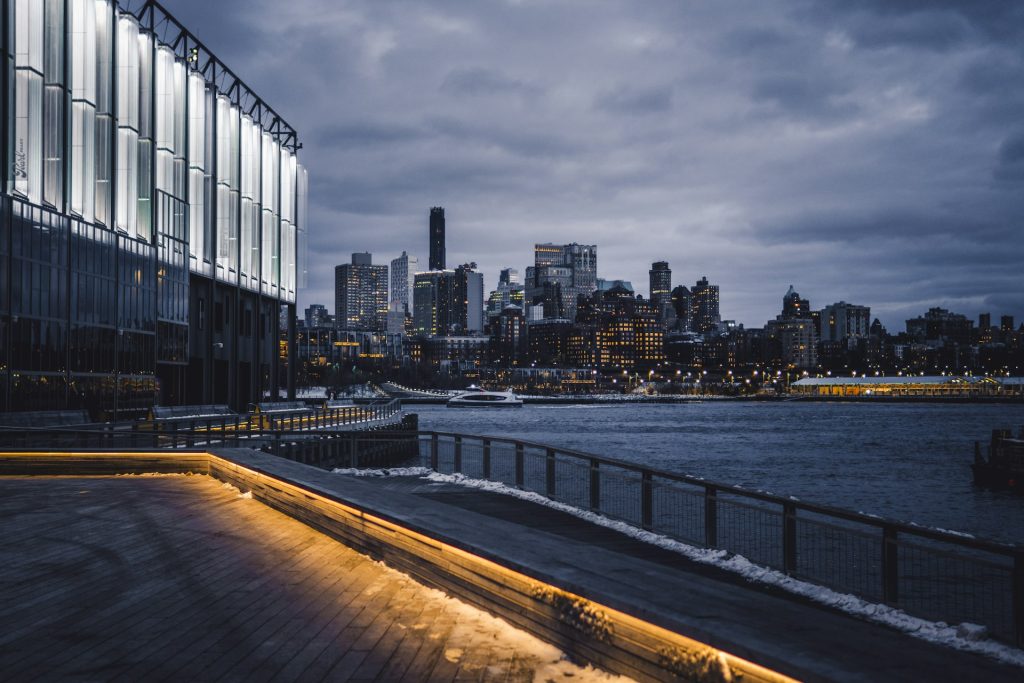
New York City during the off-season highlights neighborhood identity over constant spectacle. Winter months reduce tourist presence, easing access to museums, theaters, and restaurants across boroughs. Residents reclaim sidewalks, and districts feel more distinct in daily routines. Cultural calendars remain full, supporting year round creativity. Cold weather sharpens architectural contrast and encourages indoor discovery. Revisiting New York outside peak travel shifts focus from landmarks to lived experience, revealing how communities sustain momentum through work, art, and shared public spaces, where resilience, creativity, and collaboration define everyday life beyond seasonal visitor cycles.
Barcelona, Spain
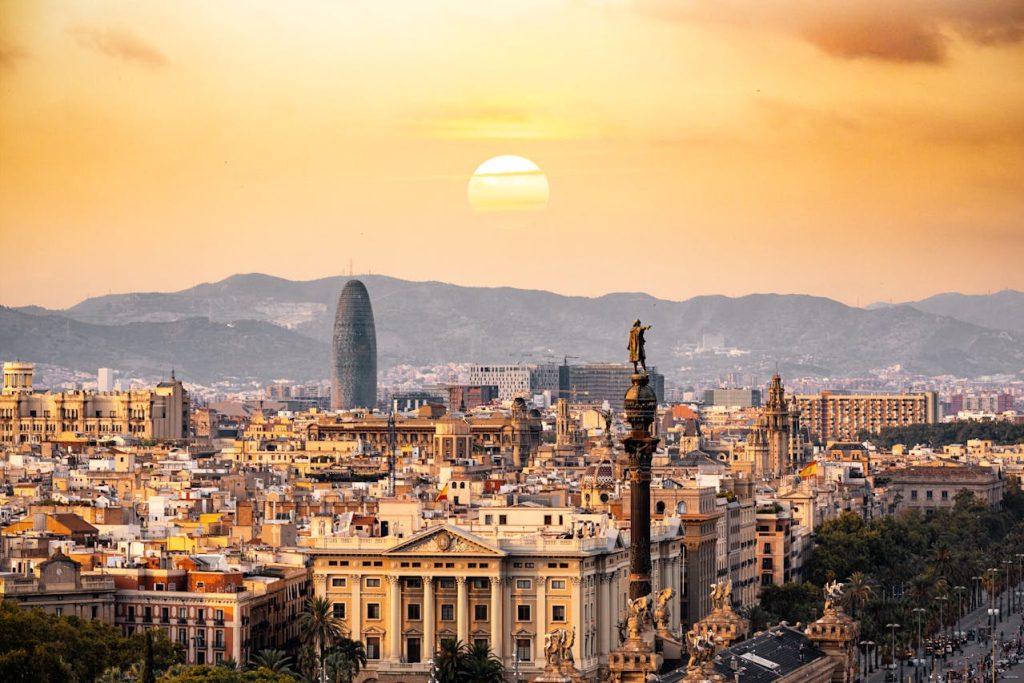
Barcelona off-season places emphasis back on local rhythm and design. Cooler temperatures make walking through historic quarters and along promenades comfortable. Markets and cafes operate steadily, serving residents without congestion. Architectural landmarks remain impressive without overwhelming queues. Restaurants focus on regional cooking rather than seasonal tourism trends. Revisiting Barcelona during quieter months highlights Catalan culture and routine. Social life unfolds naturally across neighborhoods, offering clearer insight into how the city balances heritage, and coastal setting when summer intensity fades, allowing traditions, schedules, and community interactions to guide everyday experiences more visibly.
Reykjavik, Iceland
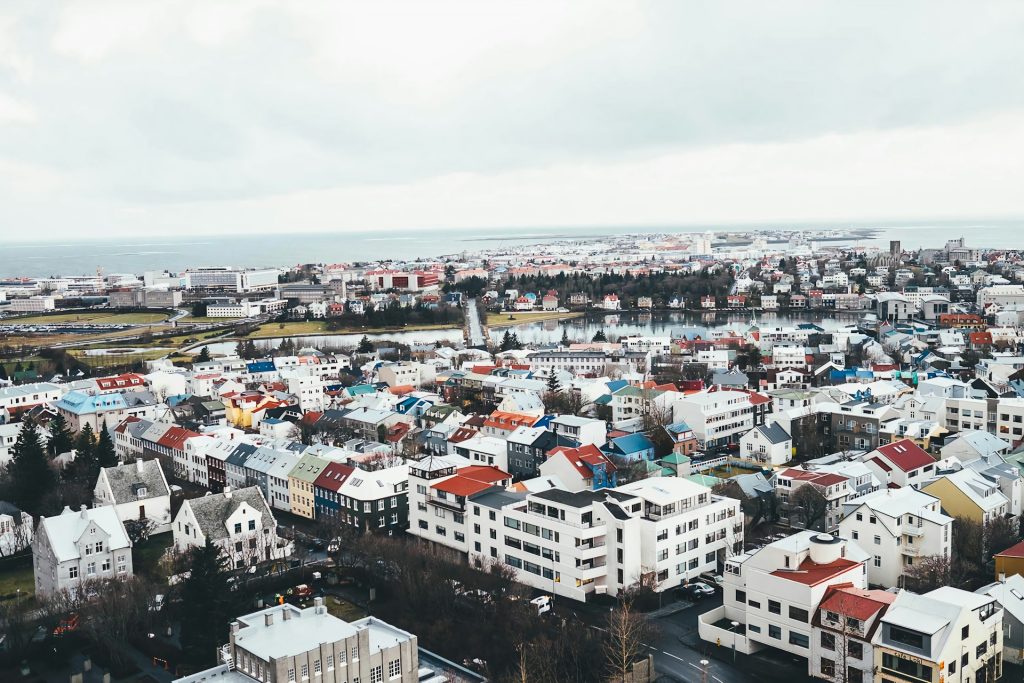
Reykjavik during the off-season offers a closer look at Icelandic community life shaped by environment and season. Reduced visitor numbers make cultural venues, swimming pools, and local events easier to access. Short daylight hours emphasize indoor gatherings, music, and conversation. Northern Lights viewing becomes possible without heavy competition. Travel requires preparation, yet rewards include quiet streets and still landscapes. Revisiting Reykjavik outside summer encourages engagement with local rhythms, showing how residents adapt routines to weather, light, and shared seasonal experience, strengthening social bonds and reinforcing resilience through collective adaptation to changing conditions.
Prague, Czech Republic
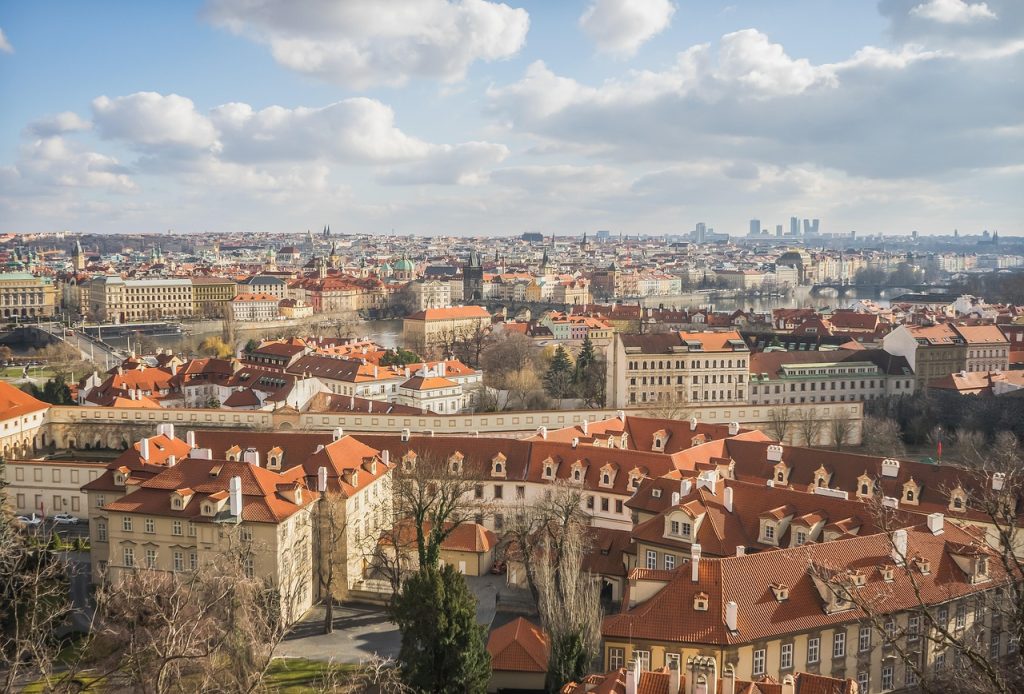
Prague off-season restores calm to a city known for dense history and architecture. With fewer tour groups, streets and squares feel navigable, allowing unobstructed views of Gothic towers and Baroque facades. Cafes and concert halls continue hosting cultural life indoors. Cooler weather supports slower exploration and reflection. Revisiting Prague outside peak months emphasizes atmosphere over spectacle. Everyday routines regain prominence, revealing how residents coexist naturally within preserved historic settings while maintaining a modern and functional urban pace, balanced by quiet streets, and enduring architectural presence, which together reinforce a lived in atmosphere shaped by continuity rather than tourism cycles.
Amsterdam, Netherlands

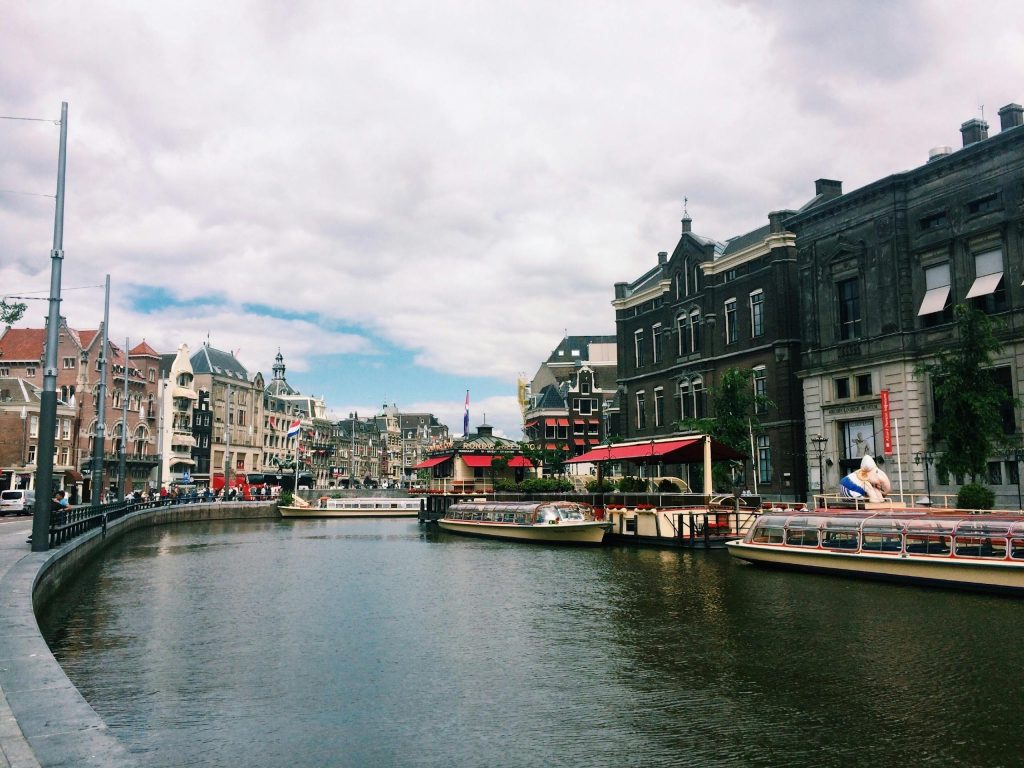
Amsterdam outside peak season reflects everyday urban balance rather than constant motion. Canal paths open space for walking and cycling, and museum entrances shorten noticeably. Neighborhoods feel residential again, shaped by routine instead of turnover. Cultural institutions maintain full programming year round, supporting steady creative output. Cafes invite lingering conversation, and public spaces feel measured. Revisiting Amsterdam during quieter months highlights how water, architecture, and community interact daily, offering insight into long term livability beyond seasonal tourism demand, where consistency, design, and habit quietly define the city’s enduring character.
Santa Fe, New Mexico

Santa Fe off-season emphasizes regional identity and artistic continuity without festival crowds. Cooler temperatures suit walking historic streets, while galleries and museums remain active throughout the year. The high desert landscape feels expansive and quiet, shaping a reflective mood. Local markets and restaurants operate steadily, serving community needs year round. Revisiting Santa Fe outside peak travel highlights continuity across architecture, Indigenous influence, and creative tradition. The city’s slower pace allows cultural layers to emerge naturally without interruption from seasonal tourism pressure, encouraging deeper connections with place, people, and long established local traditions.