9 Places Where Back-to-School Travel Changes Pricing
Back-to-school season is one of travel’s quiet reset buttons. When family calendars tighten, demand shifts fast, and pricing follows. The change is not only cheaper rooms. It shows up in shorter minimum stays, easier upgrades, and the return of normal weekday rates in places that felt stretched all summer. Late Aug. into Sept. also brings a calmer mood, when restaurants stop operating at peak pressure and tours loosen their schedules. These destinations tend to show the shift clearly, making shoulder season feel like a practical advantage instead of a compromise.
Orlando, Florida

Orlando pricing often drops right after school starts because the city’s demand is heavily family-driven. Hotels that ran full in summer begin offering midweek deals, shorter minimum stays, and occasional perks like breakfast credits or parking bundles, especially at chain properties outside the most premium zones. Theme park tickets stay steady, but the trip math improves when lodging and car rentals soften and dining reservations loosen. The value is clearest Tuesday through Thursday, when pools feel calmer and hotels compete harder for occupancy. A multi-night stay becomes easier to justify, and upgrades are more likely to appear without paying peak summer rates.
Coastal Maine

Coastal Maine changes tone after Labor Day, and pricing tends to follow that exhale. Summer rates in places like Bar Harbor, Camden, and Kennebunkport often cool once school is back, even though the coast still has crisp mornings, good light, and uncrowded waterfront walks. Some seasonal businesses reduce hours, but the trade is real: more room availability, fewer minimum-night rules, and better odds of landing an ocean-view stay without peak premiums. Inns feel less rushed, and restaurants feel more welcoming, so the savings is paired with a calmer experience. A simple itinerary of lighthouses, hikes, and seafood lunches becomes the point.
Napa And Sonoma, California
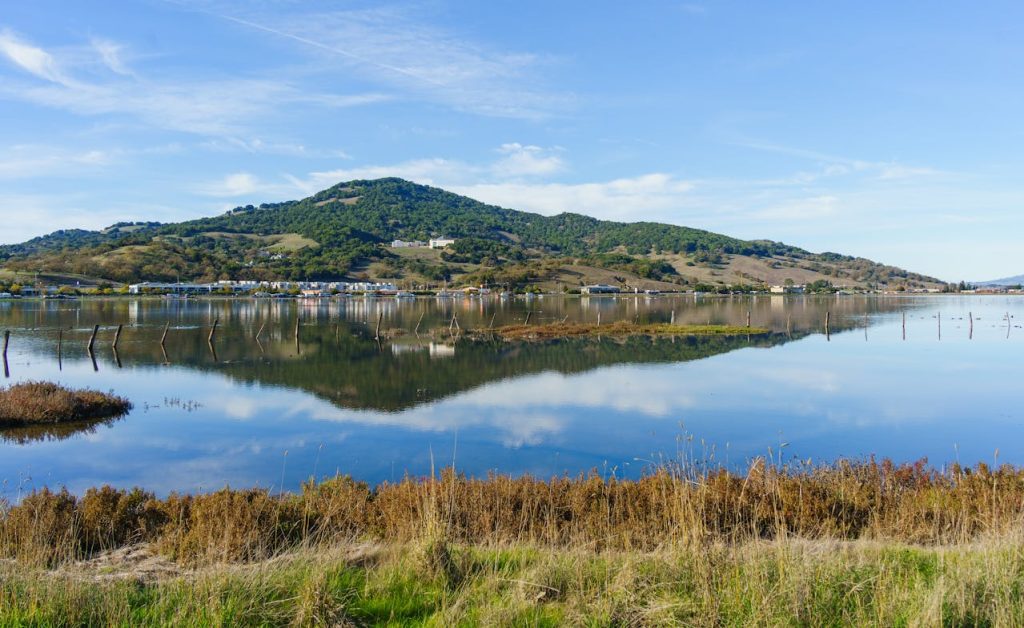
Wine country pricing often breathes after the summer rush, especially once family travel drops and weekday calendars open up. Late Aug. and Sept. can still feel lively around harvest energy, yet lodging deals and midweek flexibility become more common, and tasting appointments are easier to schedule without stacking every stop weeks in advance. The savings is not always dramatic at the highest-end resorts, but the overall cost often gets easier: smaller inns compete harder, restaurants have more open tables, and private drivers and tours can be booked with less surge pricing. The trip starts feeling smoother, not just cheaper.
Paris, France
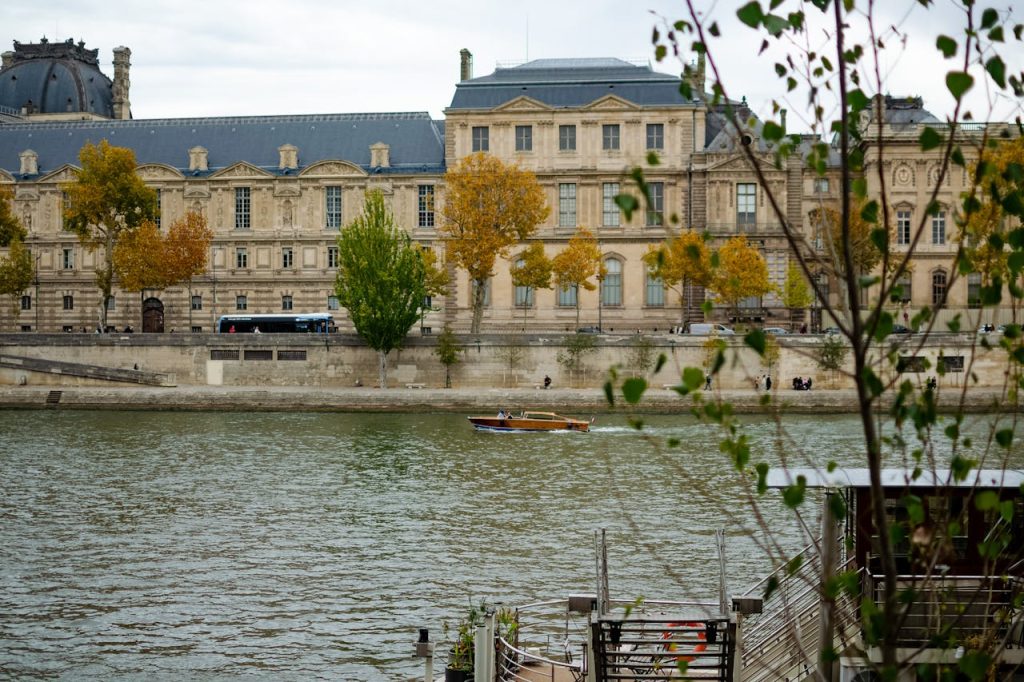
Paris sees a clear pivot as late Aug. turns into September, when vacation waves fade and the city returns to routine. That shift can show up in hotel pricing and availability, especially in mid-range stays where summer demand is driven by families and tour groups. Weather can still be warm, but the city feels less strained, and the value is often in what becomes possible: better neighborhoods for the same budget, fewer minimum stays, and a stronger chance of finding a well-located room without paying panic pricing. Museums and restaurants also loosen, so the savings shows up as time and ease, not only a lower number.
Barcelona, Spain
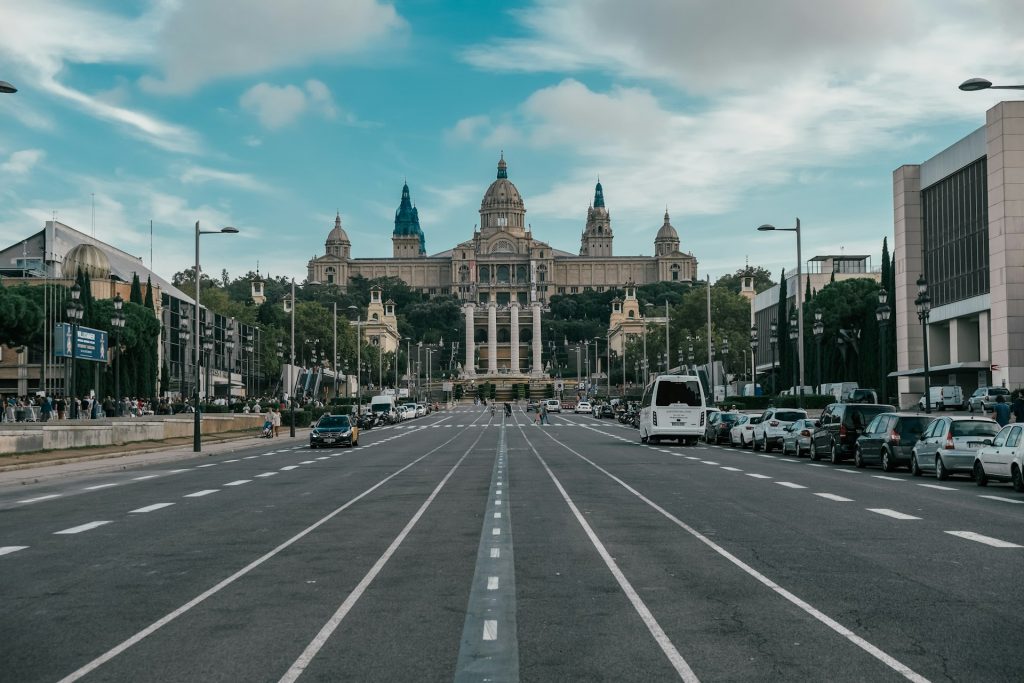
Barcelona’s summer premium often eases once school routines return, and hotel rates can soften quickly, especially away from beach-front properties. Early fall still offers swim-friendly days, but the city stops charging like every week is a festival, and midweek stays can look noticeably better than July and August. The advantage is both price and friction: easier restaurant bookings, fewer packed metro moments, and more choice in neighborhoods like Gràcia or Sant Antoni without the highest seasonal markup. It becomes easier to build a trip around food, architecture, and evening walks, with less pressure to reserve everything early and more freedom to follow the city’s pace.
Vancouver, British Columbia
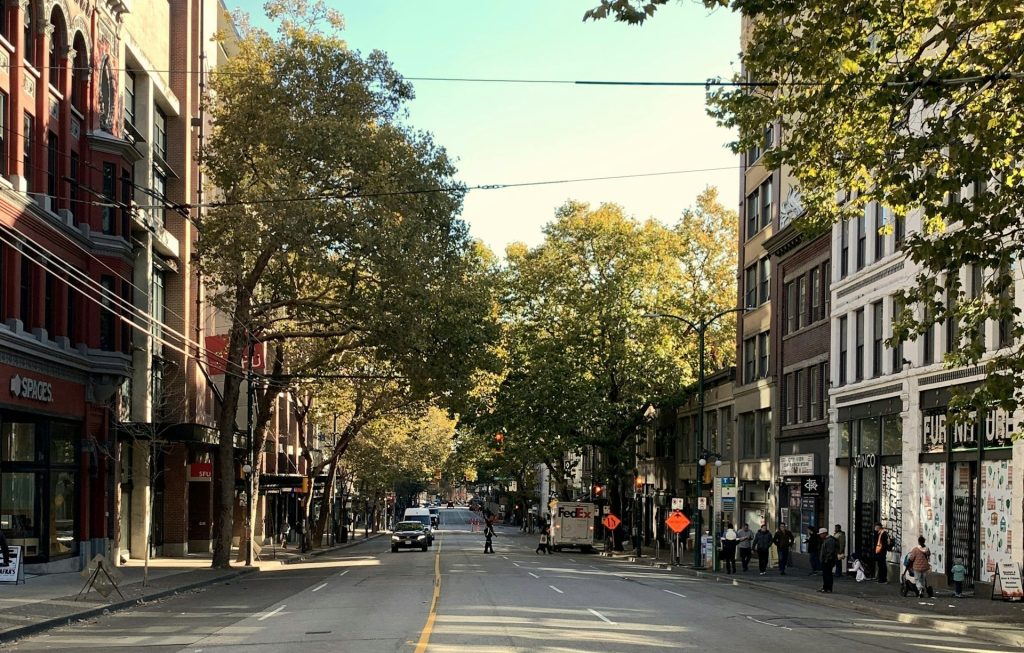
Vancouver pricing often softens after the summer surge, when family travel slows and the city shifts into early fall routines. Hotels in central areas can become easier to book midweek, and the big win is flexibility: fewer minimum-night rules, better room selection, and more options in walkable neighborhoods without paying peak pricing. The weather can still support seawall rides, parks, and day trips to Squamish or Whistler, but demand relaxes, which can also help with rental cars and popular excursions. Value here shows up as ease, not only lower rates, because fewer crowds make transit, dining, and outdoor plans feel smoother.
Tokyo, Japan
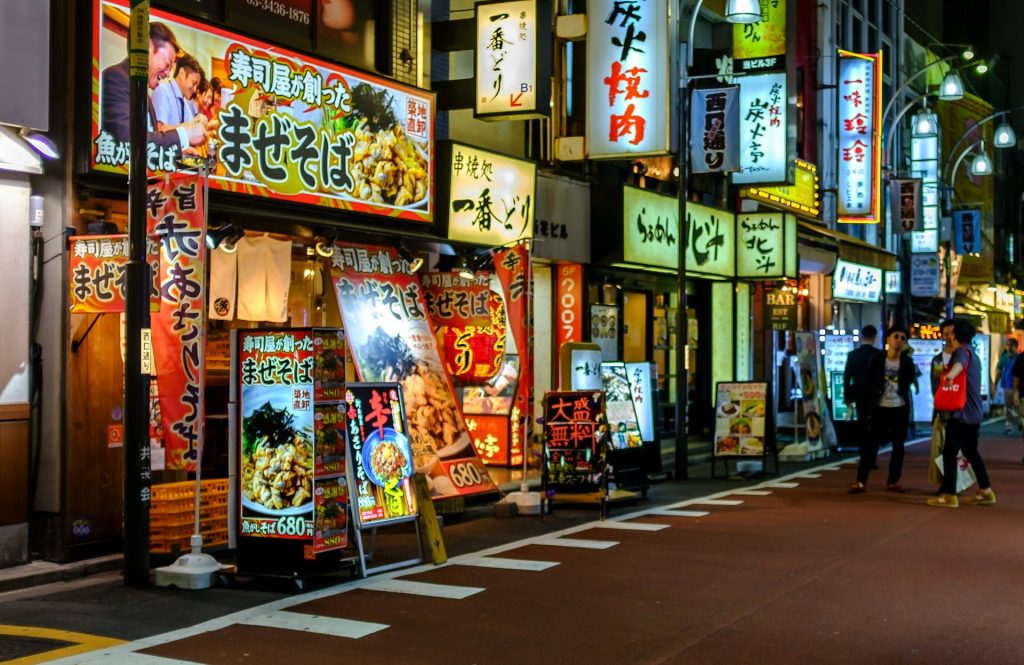
Tokyo pricing is complex, but back-to-school season can bring a noticeable shift in availability, especially for mid-range hotels that fill with summer family travel. Late Aug. into Sept. often offers better room choice, and weekday rates can look more reasonable than peak holiday weeks, even though the city stays active year-round. The value is in planning freedom: fewer sold-out nights, more chances to stay near a preferred train line, and less pressure to lock every meal early. With typhoon risk still possible, travelers who build indoor-friendly days often find the shoulder season works well, pairing calmer pricing with a city that always has something open and worth doing.
Cancun And The Riviera Maya, Mexico
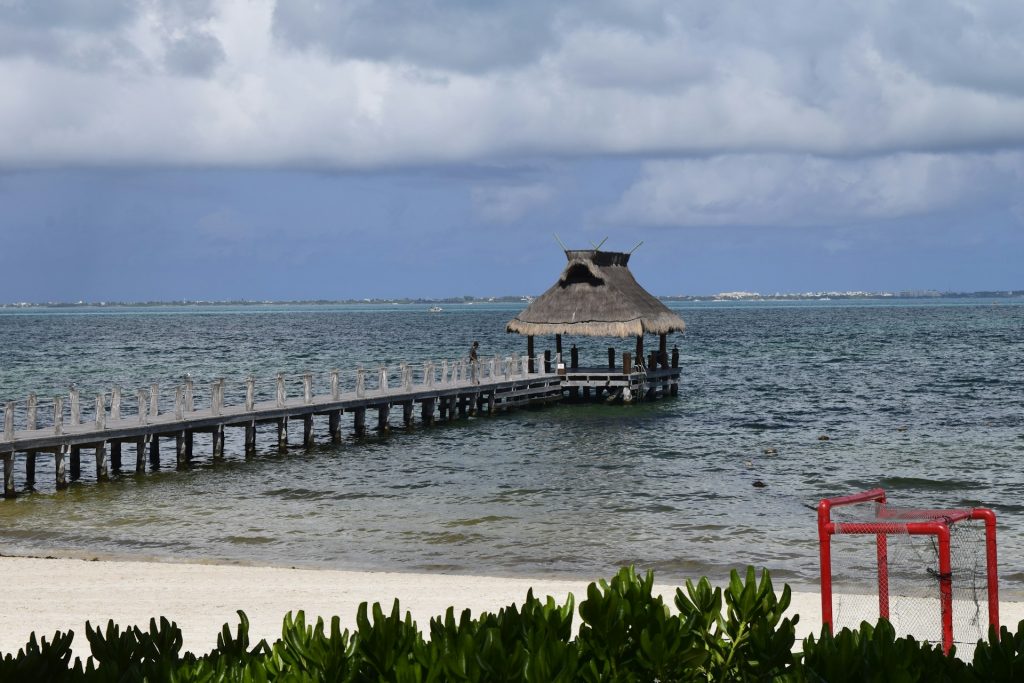
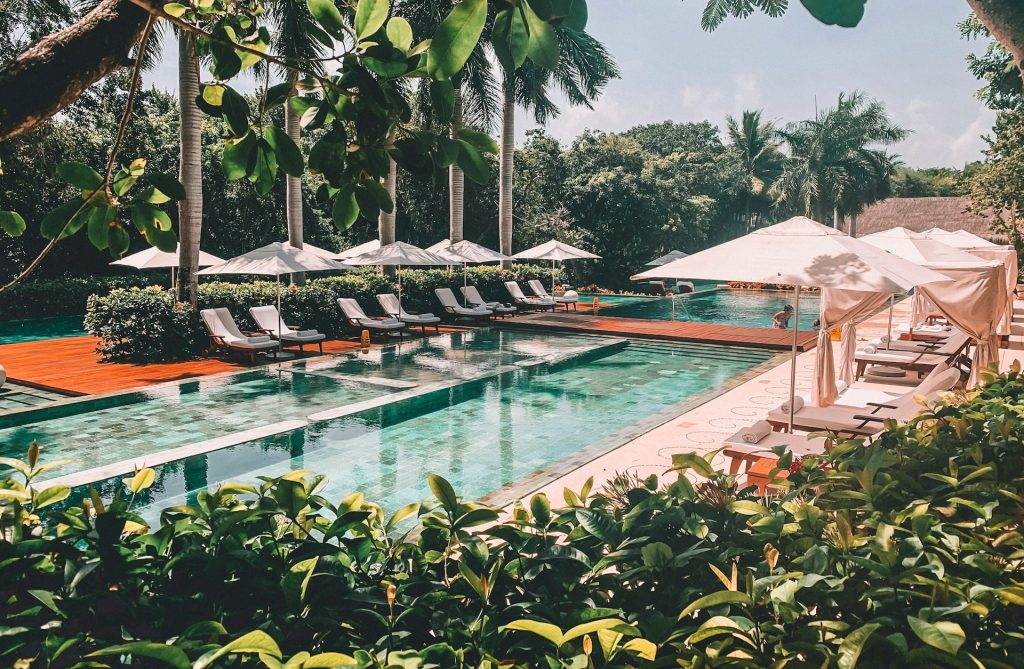
The Riviera Maya often shows a back-to-school pricing dip because resort demand is strongly tied to family schedules. Once school starts, some properties lower rates, open more room categories, and run more visible promotions, even while the water stays warm. Weather can be mixed, so the value fits travelers who can stay flexible, swapping beach hours for cenotes, food stops, and indoor attractions when clouds roll in. When the timing works, the overall cost of an all-inclusive stay can look meaningfully better than summer, and upgrades become easier to land because occupancy pressure drops. The trip can feel both cheaper and less crowded at the same time.
Tuscany, Italy
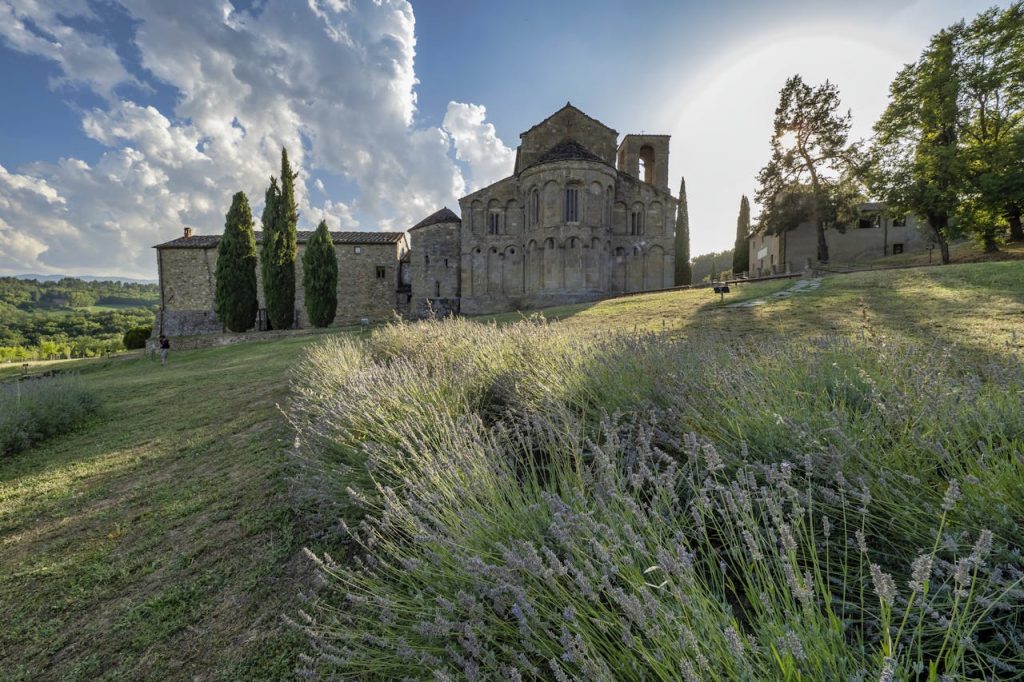
Tuscany’s summer pricing can stay high through August, then soften as September progresses and the family-travel crush fades. Harvest season keeps the region lively, but the experience becomes less competitive: more availability in agriturismi, fewer minimum-night rules, and a better chance of booking a countryside stay without locking every detail far in advance. The weather often improves for driving and walking, and the savings pairs with comfort, which is rare. Small towns feel calmer, wineries have more breathing room for tastings, and meals stretch longer, making the trip feel richer while the budget feels less strained.