9 Places Where Back-to-School Travel Feels More Affordable
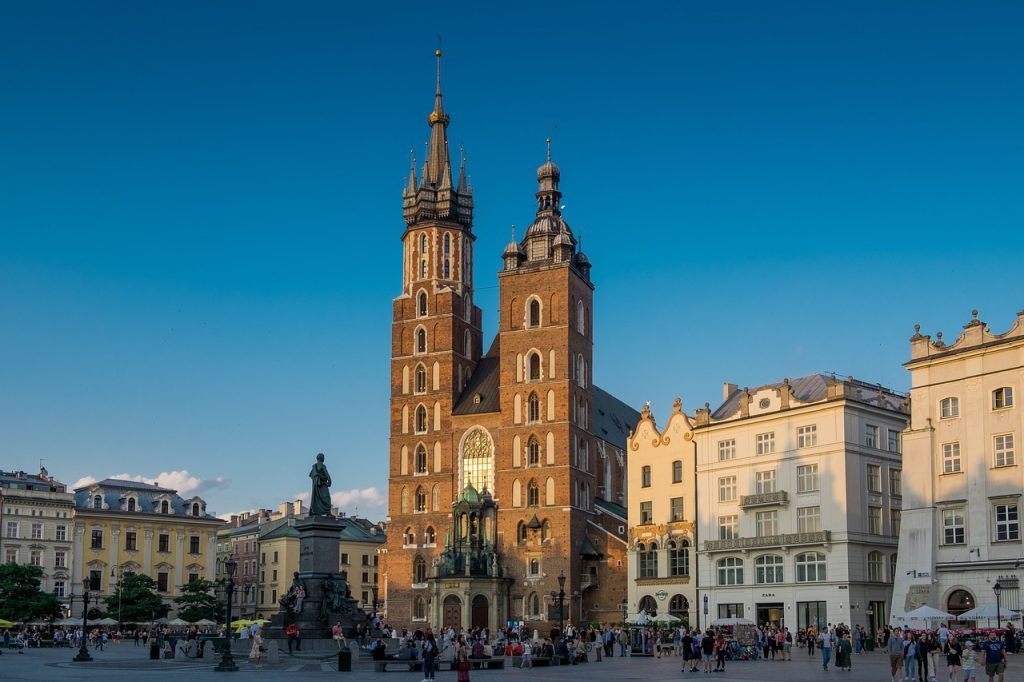
Back-to-school season often brings a quiet shift in travel economics. As late Aug. turns into Sept., family calendars tighten, crowds thin, and many destinations stop charging their summer peak for every room and reservation. Weather can still cooperate, especially in cities built for walking, transit, and long café breaks, where the experience does not depend on pricey extras. Airfares still swing, but the overall trip math often improves: better neighborhoods, simpler logistics, and more value per day. These places tend to feel generous right when budgets need a breather.
Lisbon And Porto, Portugal
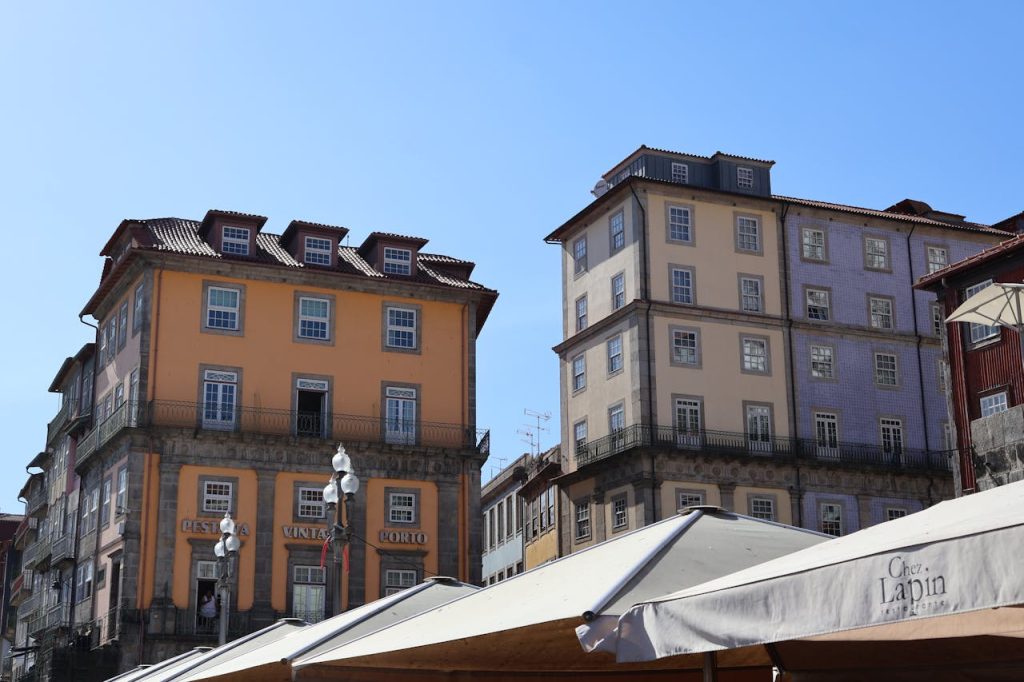
Portugal’s river cities feel calmer once the school-year rush returns, and that calm shows up in prices and pacing. Lisbon’s miradouros, tiled lanes, and ferries along the Tagus cost little, while Porto’s waterfront strolls, bookshops, and café breakfasts keep days full without constant spending. Early fall light stays golden, but the summer premium fades, so apartment stays and small hotels often drop minimum nights, include simple extras, and make side trips to Sintra, Cascais, and the Douro feel practical by train, commuter rail, or a modest group tour booked midweek without last-minute pressure.
Budapest, Hungary
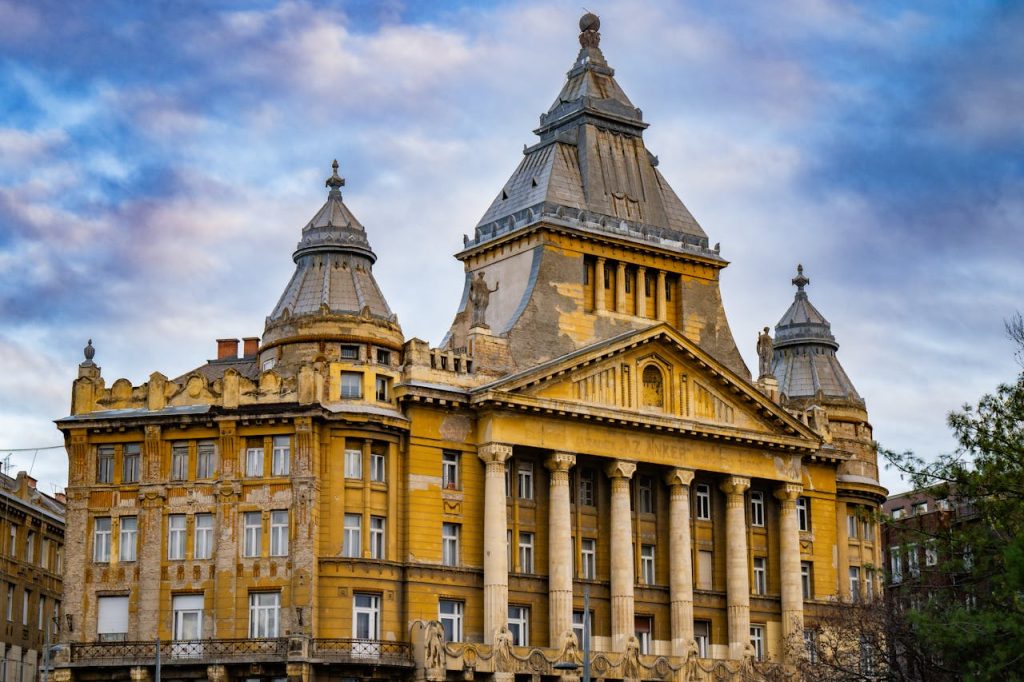
Budapest delivers grand architecture on a day-to-day budget that rarely feels tight, especially once summer crowds thin. Thermal baths, riverside walks, and café culture fill a schedule without nonstop ticket buying, and the metro and trams keep rides cheap and predictable from Castle Hill to Margaret Island and the Great Market Hall. By Sept., central rooms are easier to book without surge pricing or awkward minimum stays, and evenings still belong to the Danube, with bridges lit up, quiet viewpoints, late pastry shops, and fixed-price dinners that feel generous, not fussy, even in touristy neighborhoods.
Kraków, Poland
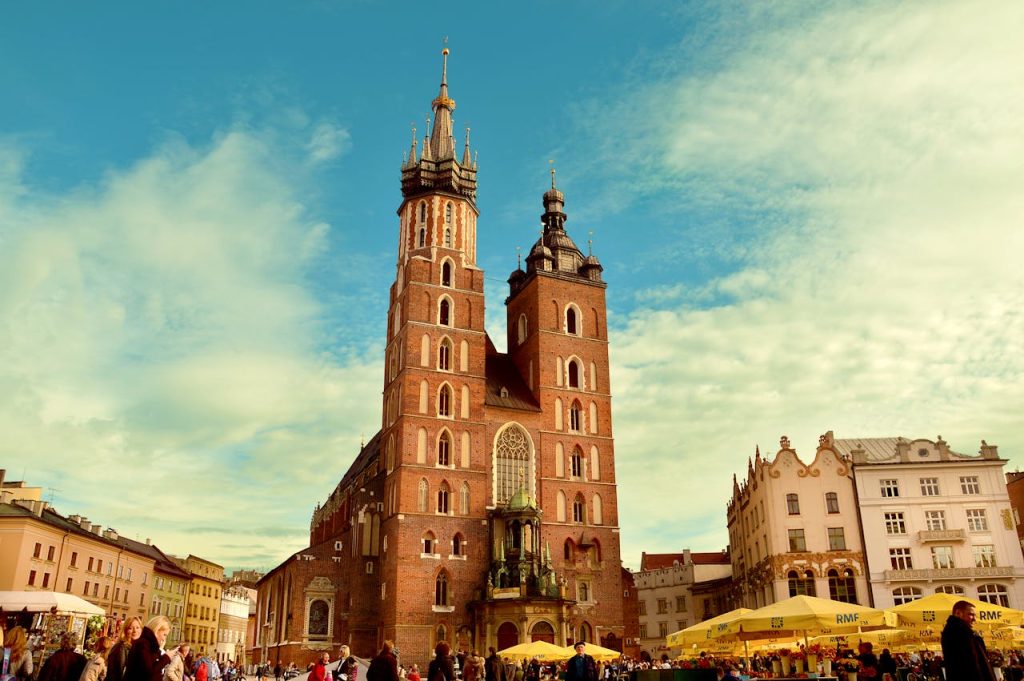
Kraków’s charm is how much history fits into a compact, walkable footprint, which quietly keeps costs under control. The Old Town, Kazimierz, and riverside paths connect with minimal transit, and meals stay affordable through milk bars, bakeries, and pierogi counters that locals and students actually use. After Aug., lodging near Planty Park and Wawel often becomes easier to snag, and day trips to the Wieliczka Salt Mine, Zakopane, or nearby castles book with less stress, leaving room for museums, churches, free walking tours, and courtyard cafés that add depth without turning every hour into a purchase.
Split And The Dalmatian Coast, Croatia
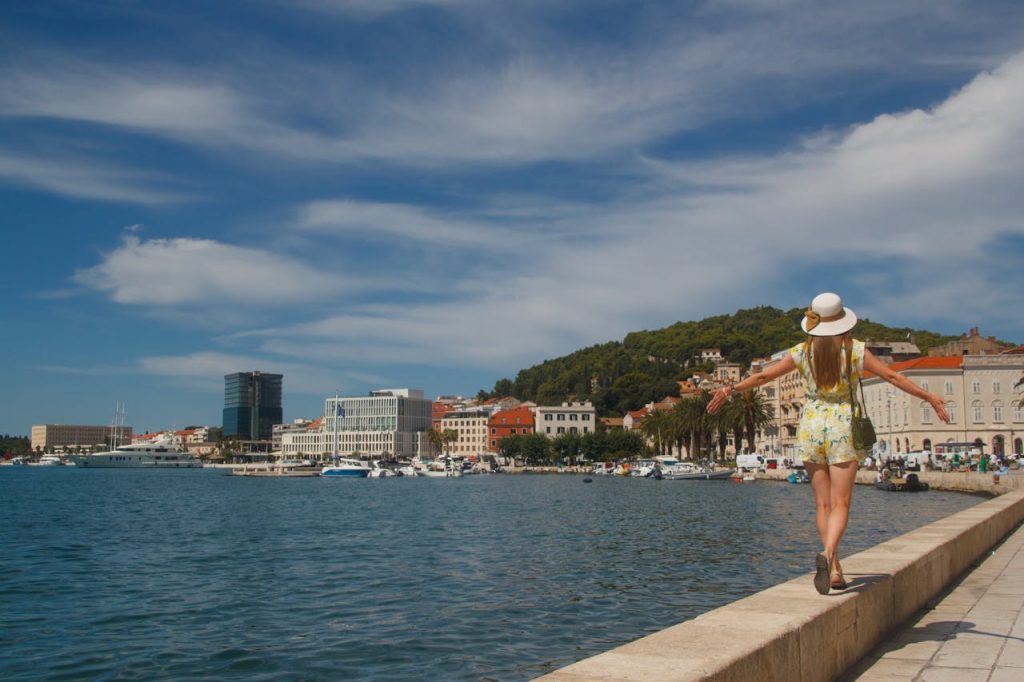
Split feels most affordable when it is not competing with peak-summer pressure, yet the sea still looks like summer. The stone core around Diocletian’s Palace stays cinematic, but early fall brings breathing room on promenades, ferries, and café terraces, while apartments just outside the center make grocery runs and bakery lunches an easy cost-control habit. After August, prices often soften, the Adriatic stays swimmable, and nearby stops like Trogir, Krka, and Šibenik feel less rushed, with island hops to Bra? or Hvar available without the high-season markups for seats, shade, and simple waterfront tables.
Mexico City, Mexico
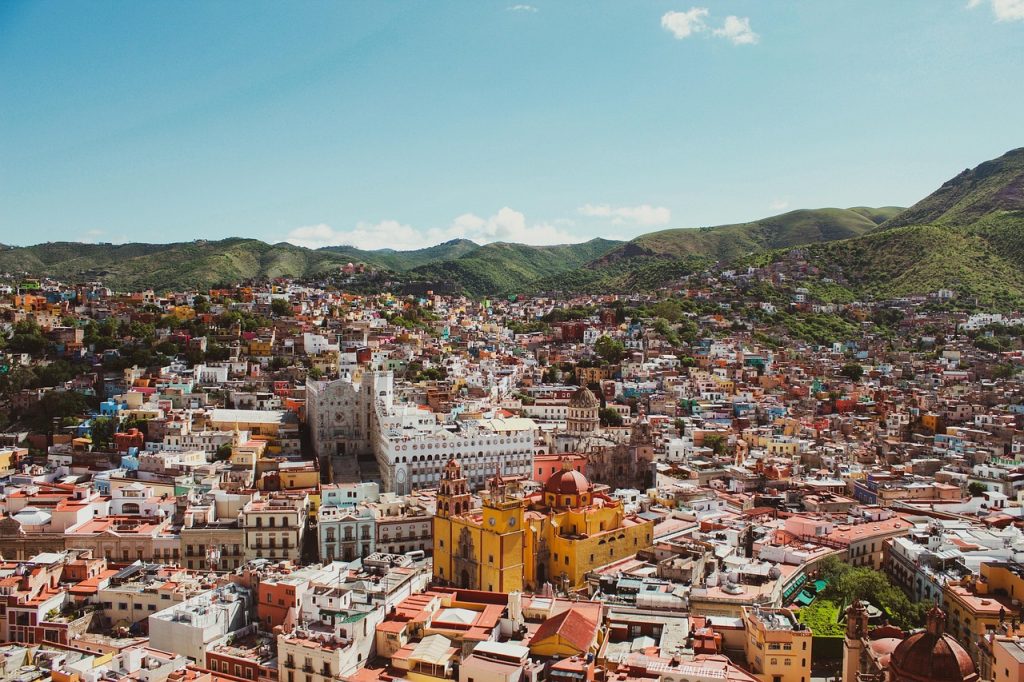
Mexico City stretches a budget through range, not compromise, and the back-to-school lull can make that range easier to access. Markets, street food, and museum-heavy afternoons build full days at modest cost, and the metro makes cross-town plans realistic without turning every outing into a rideshare bill. As summer travel slows, midweek hotel rates often ease in neighborhoods like Roma, Condesa, Centro, and near Chapultepec, so good bases feel less out of reach, and the city’s best moments stay simple: pan dulce at breakfast, a shaded park bench, Sunday street life, and an unhurried gallery stop.
Oaxaca City, Mexico
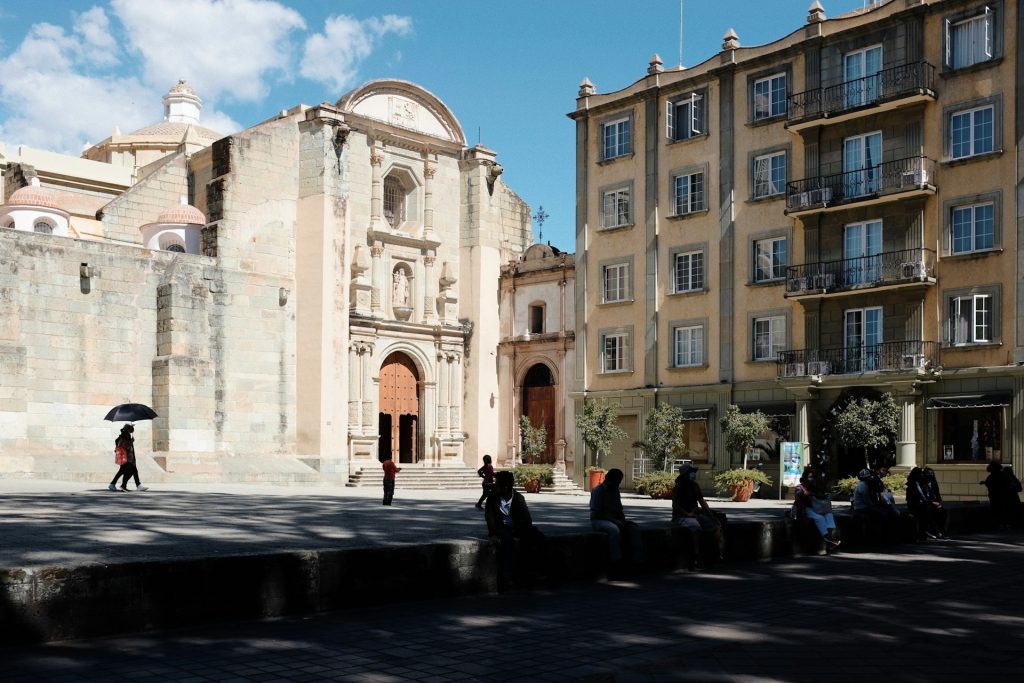
Oaxaca City pairs serious craft culture with everyday affordability, and early fall timing can make stays feel less inflated. Markets, mezcal tastings, and mole-rich meals can be paced without becoming a splurge, especially when mornings start with tlayudas, fresh fruit, and coffee from a neighborhood counter. With a compact center, galleries and courtyards fill the walk between major sights, and after the high-season rush, boutique inns often become more attainable, leaving room for a half-day at Monte Albán and a village visit for weaving or pottery, reached by shared rides and modest tours that value time over flash.
Montreal And Quebec City, Canada
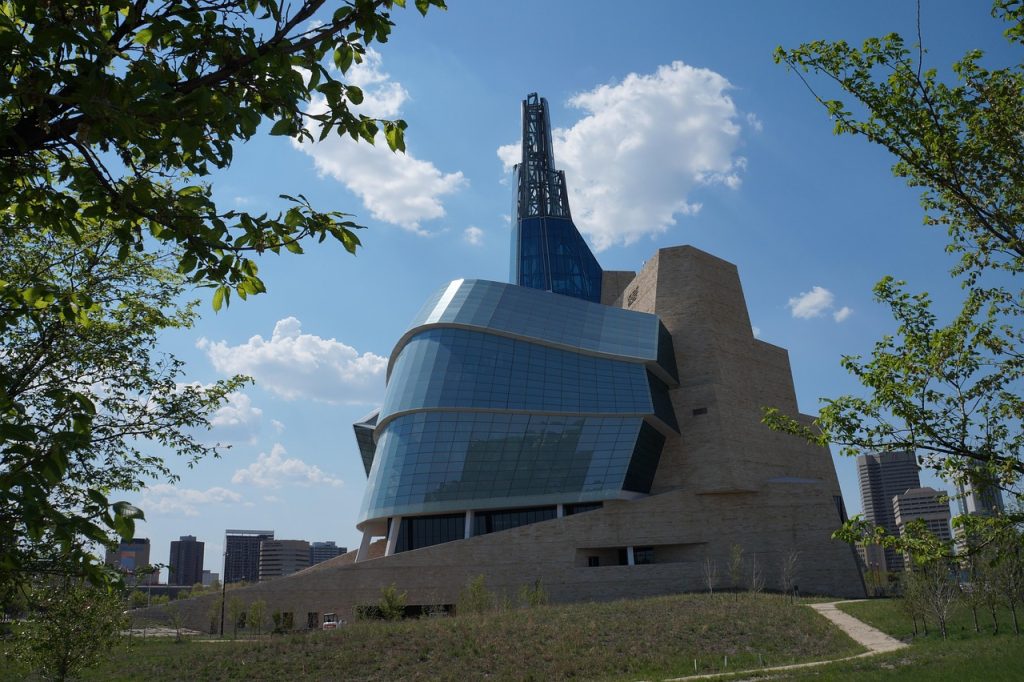
Late summer in Canada’s French-speaking cities feels like a reset, with long light, cooler evenings, and less pricing strain overall. Montreal rewards wandering from Jean-Talon Market to the Lachine Canal and mural-lined streets, while Quebec City’s old lanes and St. Lawrence viewpoints deliver atmosphere that does not demand paid attractions. As Sept. arrives, some lodging rates soften, especially midweek, and trains between the two cities keep a two-stop plan clean and simple, leaving room for small pleasures like a pastry, a terrace coffee, and live music that drifts onto patios without a cover.
Hanoi, Vietnam
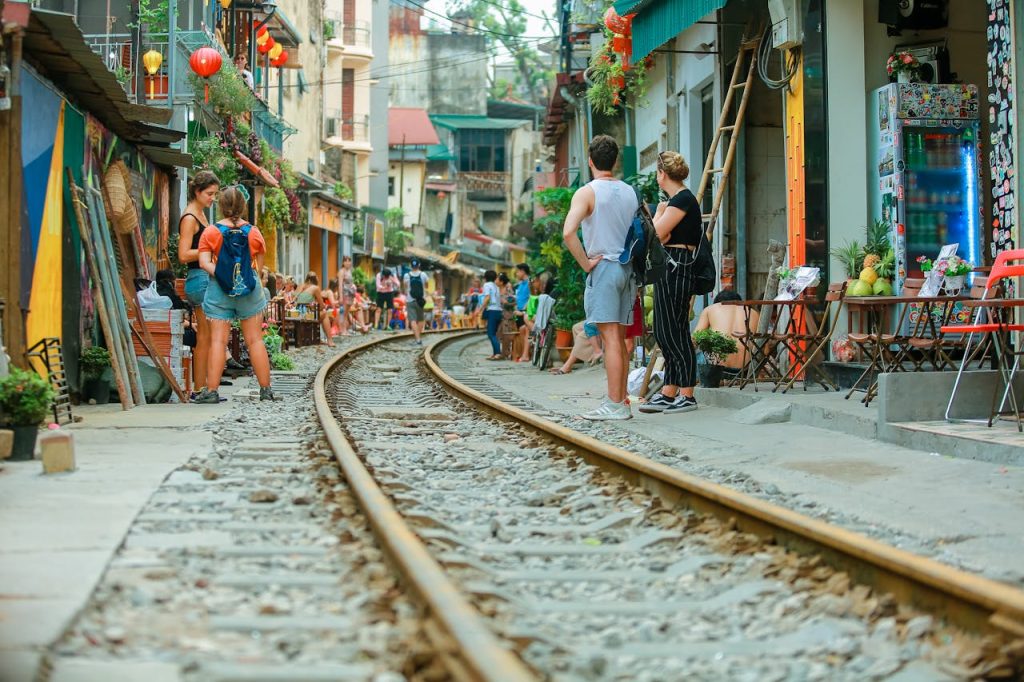
Hanoi is a capital where the daily rhythm stays affordable almost by default, which makes the back-to-school window feel like a bonus. Coffee culture, lake loops, temples, and street-side meals build full days with small totals, and short rides keep plans flexible without a transit learning curve. Sept. rain can roll through, but it often opens better hotel deals and easier bookings for guided day trips, while the Old Quarter stays dense enough for long walks, even at night, leaving savings for a cooking class, a water puppet show, or a few nights toward Ha Long Bay when a splurge finally makes sense.
Marrakesh, Morocco
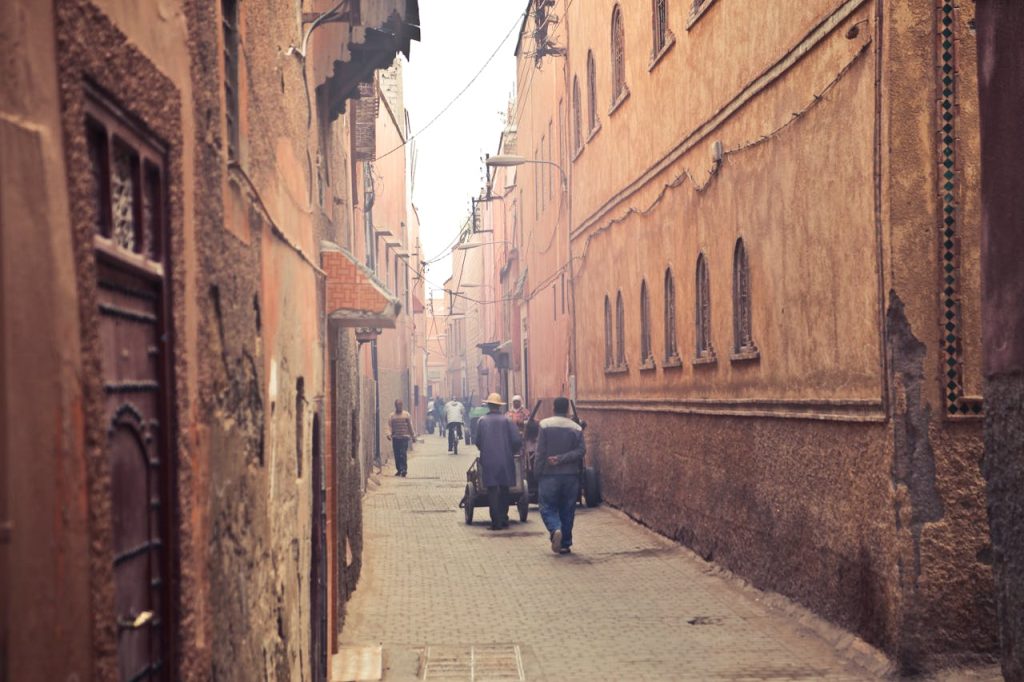
Marrakesh feels more comfortable when the heat softens and the medina slows down, which often lines up with better value. Riads tend to price more competitively outside the summer peak, and days can revolve around low-cost pleasures: mint tea, fresh juice, souk browsing, and rooftop sunsets that never require a ticket. Gardens and small museums add calm pauses between market lanes, and rail or car trips to Essaouira or the Atlas foothills bring cooler air and fresh scenery without luxury spending, while bargaining also feels calmer when streets are less packed and conversations can take their time.