9 Places Where Back-to-School Travel Is More Practical
Back-to-school travel works when a destination stays enjoyable without peak-season crowds. As families return to routines, prices often soften, lines shrink, and service steadies, yet weather can still be generous. The most practical places share a few traits: compact layouts, reliable transit, and enough variety to keep plans flexible when timing is tight. Early fall also brings better light, calmer airports, and days that feel easier to manage from breakfast to bedtime. In these nine spots, the trip feels less like competing for space and more like moving through a city at its natural pace.
Washington, D.C.
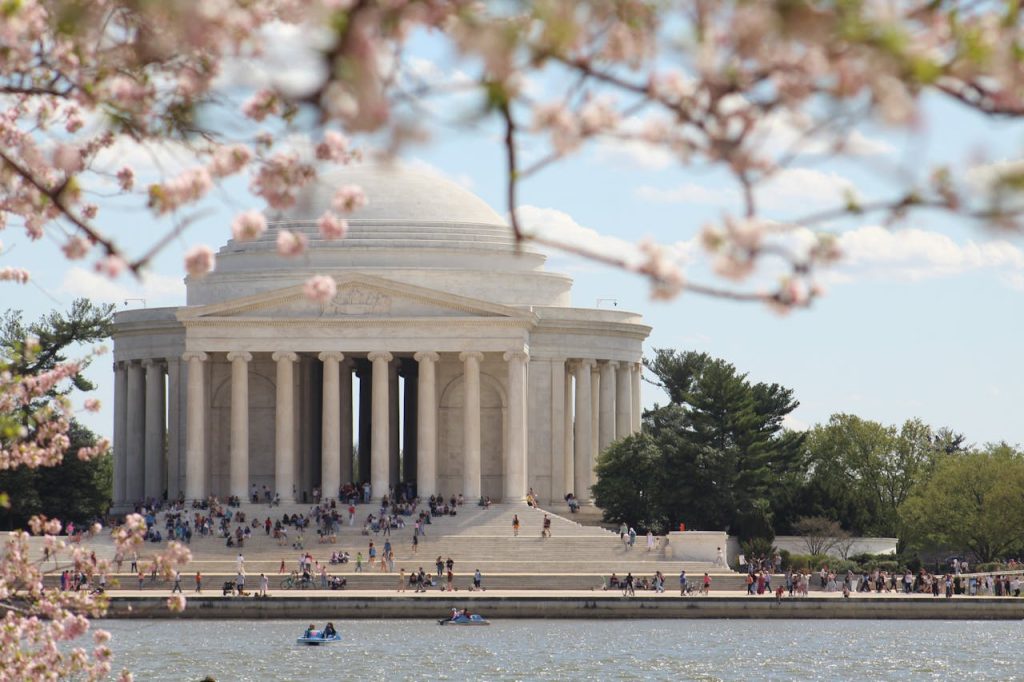
Washington, D.C. becomes noticeably easier once the late-summer rush fades, yet the city stays fully active and open. Free Smithsonian museums keep the budget predictable and offer an easy backup for hot afternoons, while the National Mall feels calmer for monument loops and gallery hopping. Metro access reduces the need for a car, and neighborhoods like Capitol Hill and Georgetown reward simple walking plans with cafés and parks. With lighter crowds, timed entries and security lines tend to move faster, and evenings can shift smoothly from a quiet museum hour to a riverside dinner without feeling like a scheduling contest.
San Diego, California
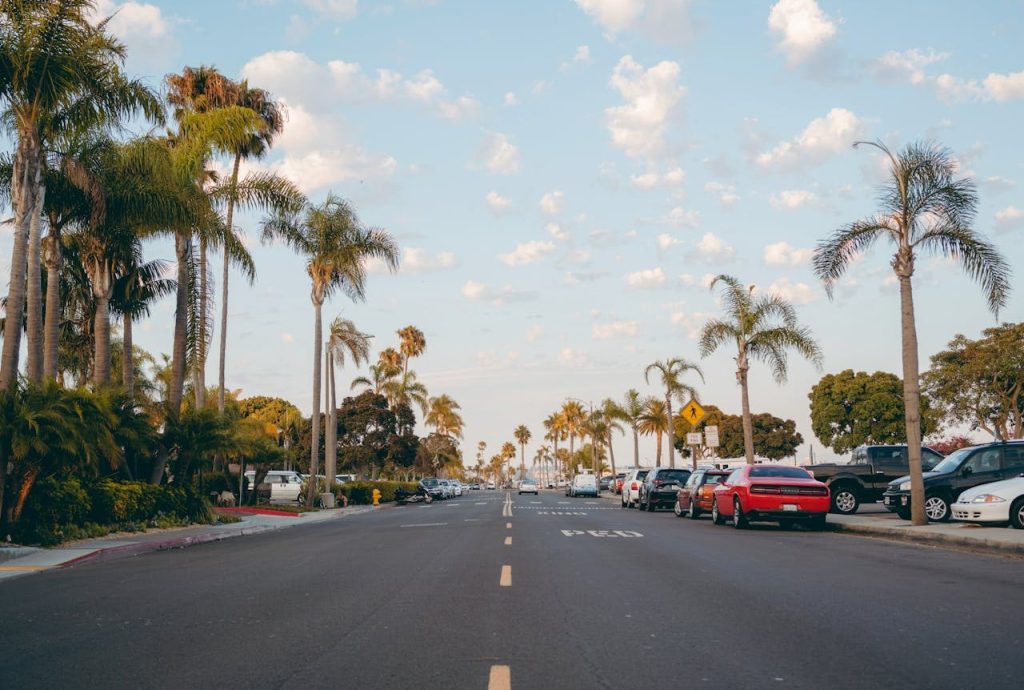
San Diego’s back-to-school window keeps the ocean mood intact while dropping much of the summer pressure. Hotel inventory loosens, parking becomes less of a daily battle, and places like La Jolla, Balboa Park, and the Embarcadero feel more relaxed, especially on weekday mornings. The city stays practical because it mixes outdoor time with easy indoor options, from aquariums to small museums, and the highlights sit close enough to stack without long drives. A well-paced day can include tacos, a coastal walk, and an early dinner with ocean air, without lining up for everything or chasing reservations.
Chicago, Illinois
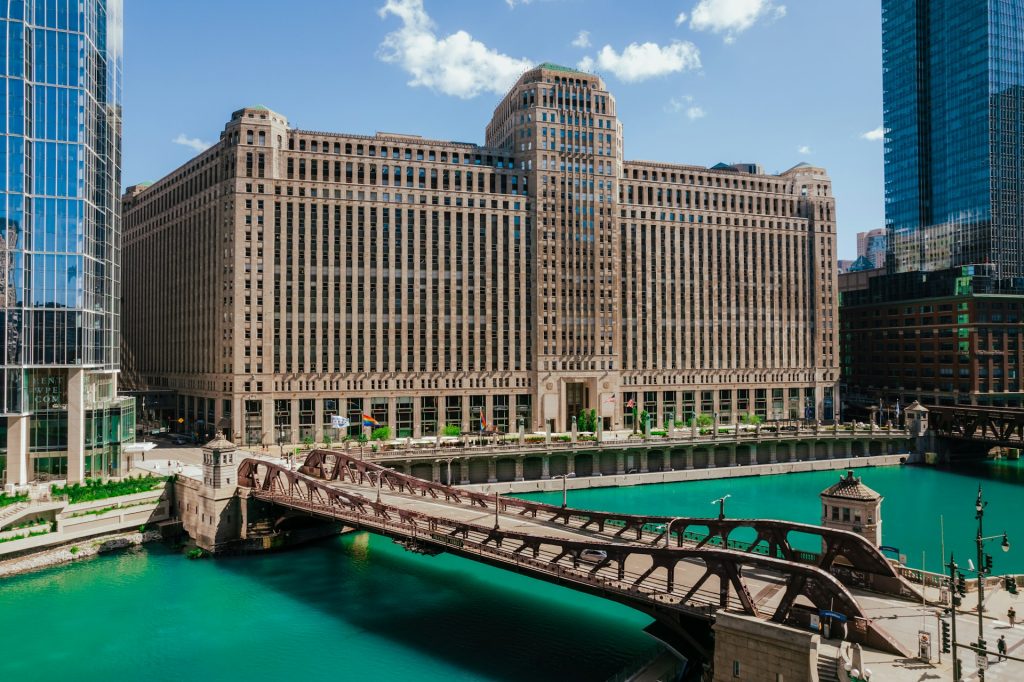
Chicago turns more workable after late August, when the lakefront stays lively but the city stops feeling stretched. Architecture cruises, museum visits, and Riverwalk evenings become easier to schedule, and neighborhoods like Logan Square and Hyde Park feel calmer for bookstores, jazz clubs, and casual meals. Transit and the street grid keep days efficient, so time goes into exploring, not figuring out logistics. Early fall air makes long walks and outdoor patios more comfortable, and a simple plan can pair the Art Institute, a skyline view, and a deep-dish stop without needing a complex itinerary or constant booking.
Quebec City, Quebec
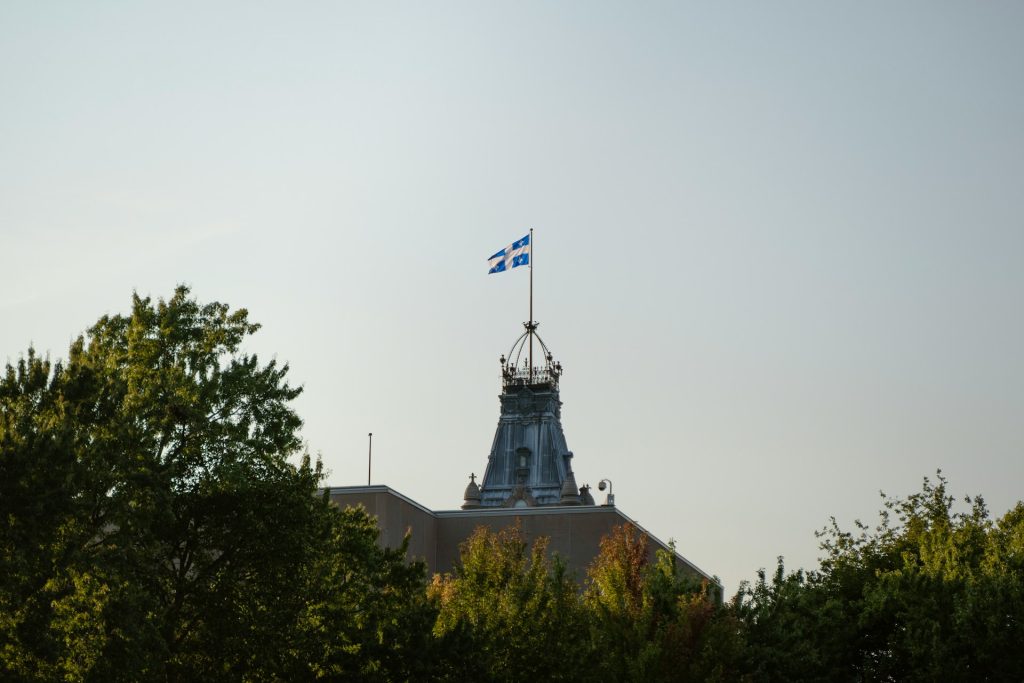
Quebec City rewards back-to-school timing with cooler air, fewer tour groups, and a historic core built for walking. Old Town streets feel more breathable, and patios often linger into early September, making it easy to alternate between river views, café stops, and small museum visits without rushing. Practicality comes from density: bakeries, galleries, and scenic overlooks sit close together, so transit is rarely the focus. With lighter crowds, hotel check-ins feel calmer, dinner plans are easier, and evening strolls near the Château Frontenac and along the fortified walls can stay quiet enough to actually hear footsteps and street music.
Lisbon, Portugal
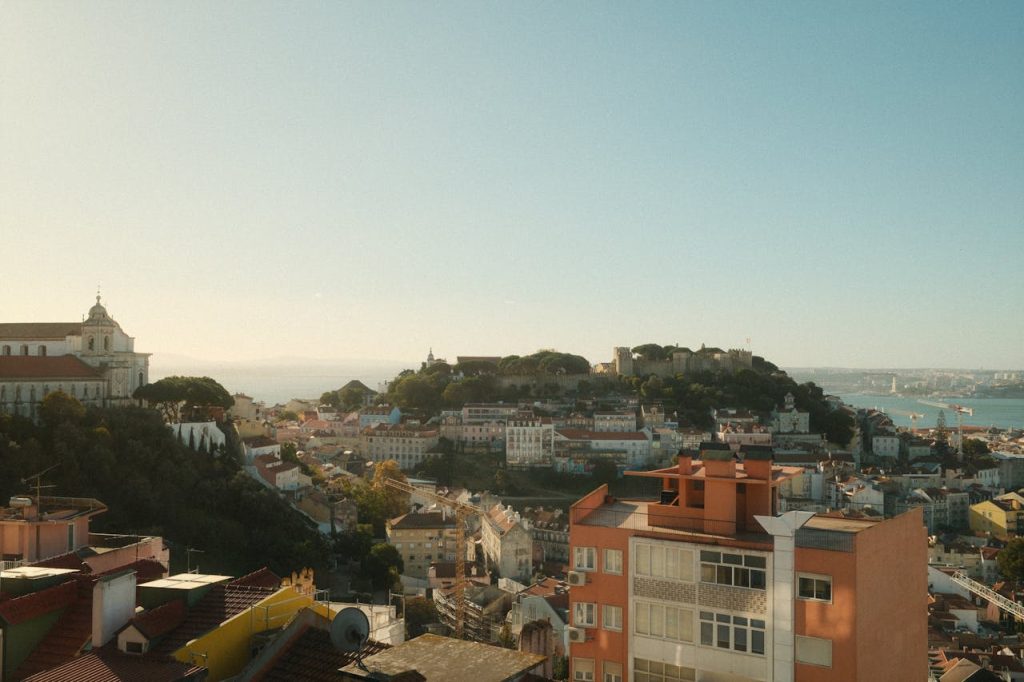
Lisbon becomes easier in early September, when the heat softens and the city’s viewpoints and trams stop feeling packed from morning to night. Day trips to Cascais or Sintra still work, but the real advantage is how flexible the city becomes: walkable neighborhoods, frequent transit, and casual dining that rarely requires weeks of planning. Mornings can be active in Alfama and Baixa, afternoons can slow down along the Tagus, and evenings can still deliver live fado and late pastries without a long commute back. With fewer crowds, even popular miradouros feel like places to linger, not places to escape.
Barcelona, Spain
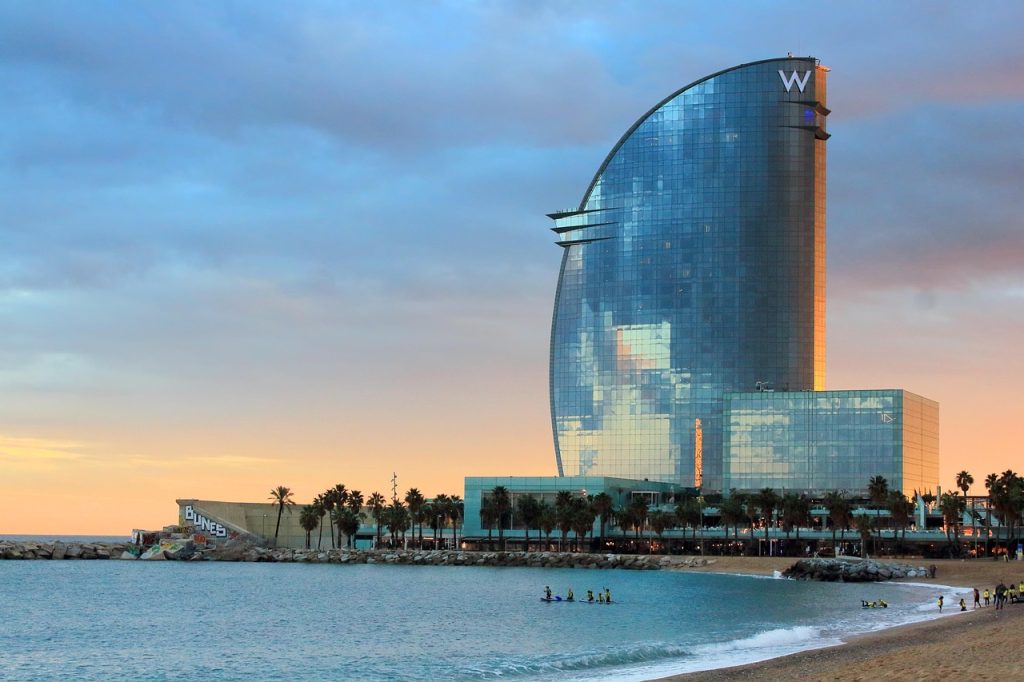
Barcelona’s back-to-school stretch brings a better balance between beach time and city life, with thinner crowds after August peaks. The Gothic Quarter and waterfront promenades become easier to move through, and sea temperatures often stay inviting enough for a swim or a long sit by the sand after lunch. The city remains practical because it runs on walkability and transit, offering quick wins from tapas counters to museum visits without long drives. It also becomes easier to book a good meal in Eixample, secure timed-entry tickets, and still end the night with a calm paseo, instead of navigating constant lines and packed sidewalks.
Copenhagen, Denmark
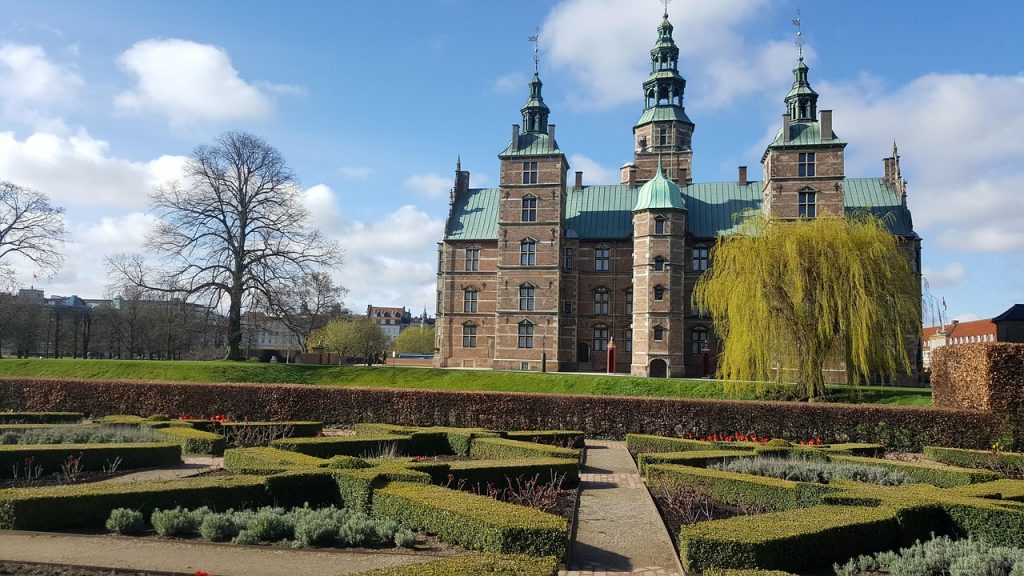
Copenhagen in early September is practical in a simple way: the city stays outdoorsy while shifting into comfortable sweater weather. Bike lanes and clean transit make it easy to move between canals, food halls, museums, and design shops without wasting time, and even Tivoli nights feel less crowded. The shoulder-season pace helps with restaurant tables and day trips, so plans feel less like a race. Evenings suit long coffees, harbor walks, and calm dinners that start early and end without friction, because the city’s compact layout keeps everything close, and getting back to a hotel rarely becomes a project.
Edinburgh, Scotland
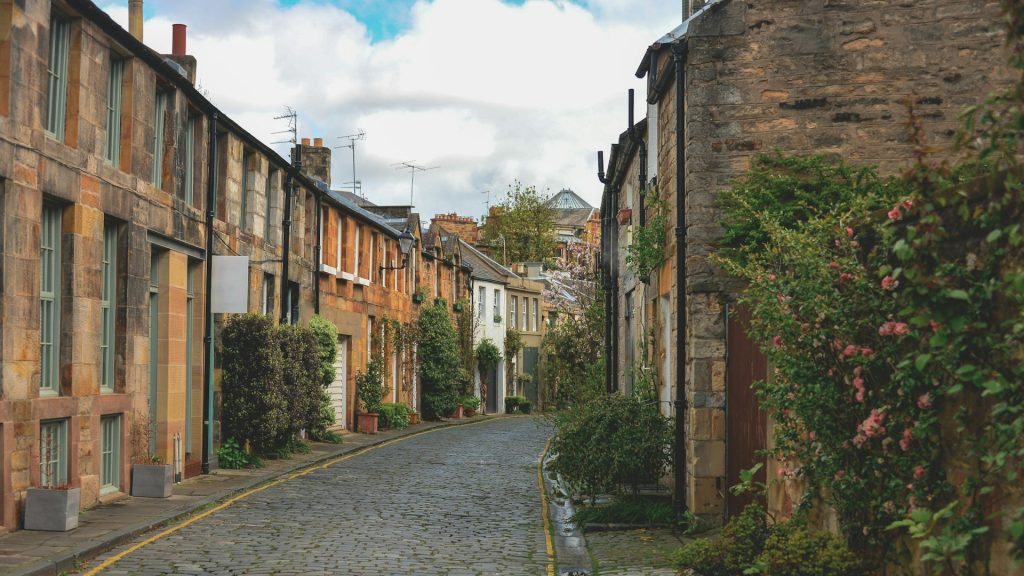
Edinburgh becomes far more manageable after August, when festival crowds drop and the city returns to its steady, everyday rhythm. Old Town and New Town are easy to cover on foot, and early fall weather suits Arthur’s Seat hikes, museum afternoons, and pub dinners that do not require weeks of planning. Trains and buses make day trips straightforward, whether it is a coastal escape to North Berwick or a short Highlands route. With lighter foot traffic, the Royal Mile feels calmer, viewpoints are easier to enjoy, and the city’s mix of history, food, and warmth fits neatly into shorter travel windows.
Vancouver, British Columbia
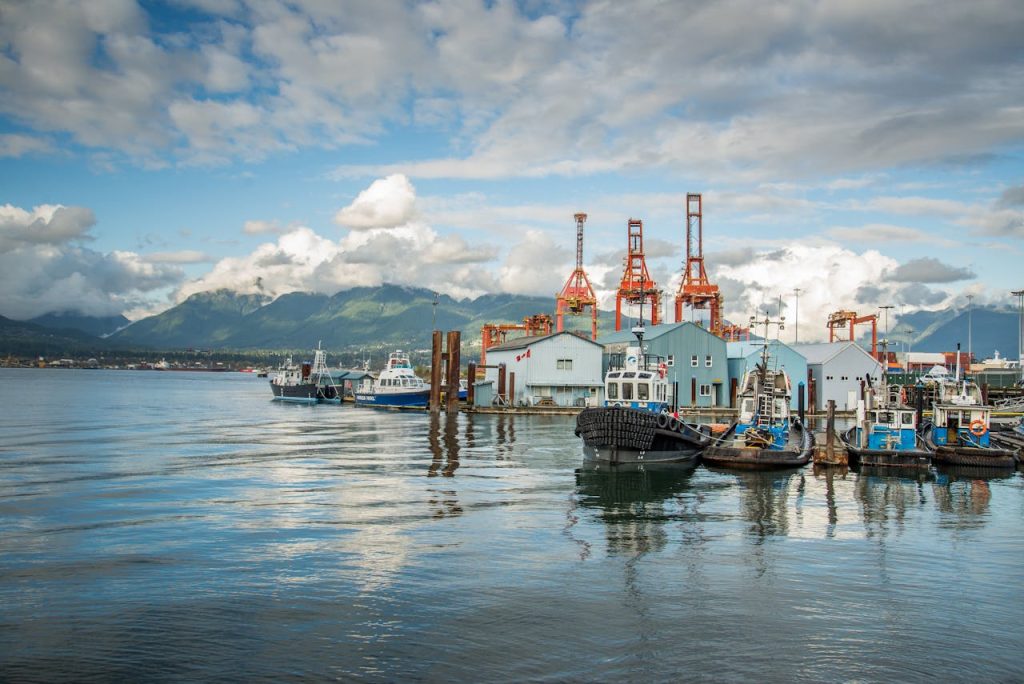
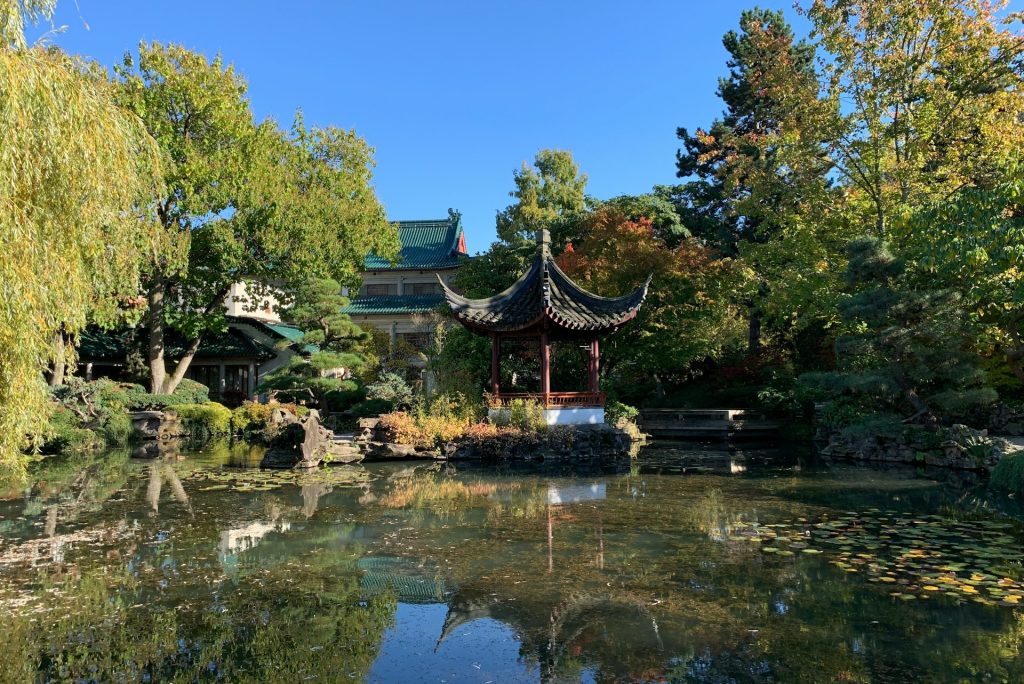
Vancouver’s back-to-school season brings calmer hotels and a steadier pace while keeping late-summer beauty on display. Stanley Park rides, seawall walks, and neighborhood food spots feel less crowded, and transit makes it easy to pair downtown with quick escapes to beaches and the North Shore without building the day around traffic. Practicality comes from variety in a tight radius: rain-friendly markets and galleries, outdoor time when skies cooperate, and simple day trips that do not require heavy planning. With fewer crowds, even popular viewpoints feel easier, and meals become more spontaneous, which is often the difference between a good trip and a tiring one.