9 Places Where Seasonal Travel Prices Drop Without Warning
Travel prices rarely fall in a clean, predictable line. In many places, rates drop suddenly when a festival ends, school schedules restart, or weather shifts just enough to scare off crowds. The destination is still beautiful, but hotels blink, flights soften, and tour operators quietly sweeten offers to keep rooms and seats filled. These are the moments that reward flexible dates and fast decisions. The secret is not chasing “cheap.” It is catching the calm right after peak demand breaks, when the same streets and views feel easier, and the numbers on the booking page drop without warning.
Paris, France
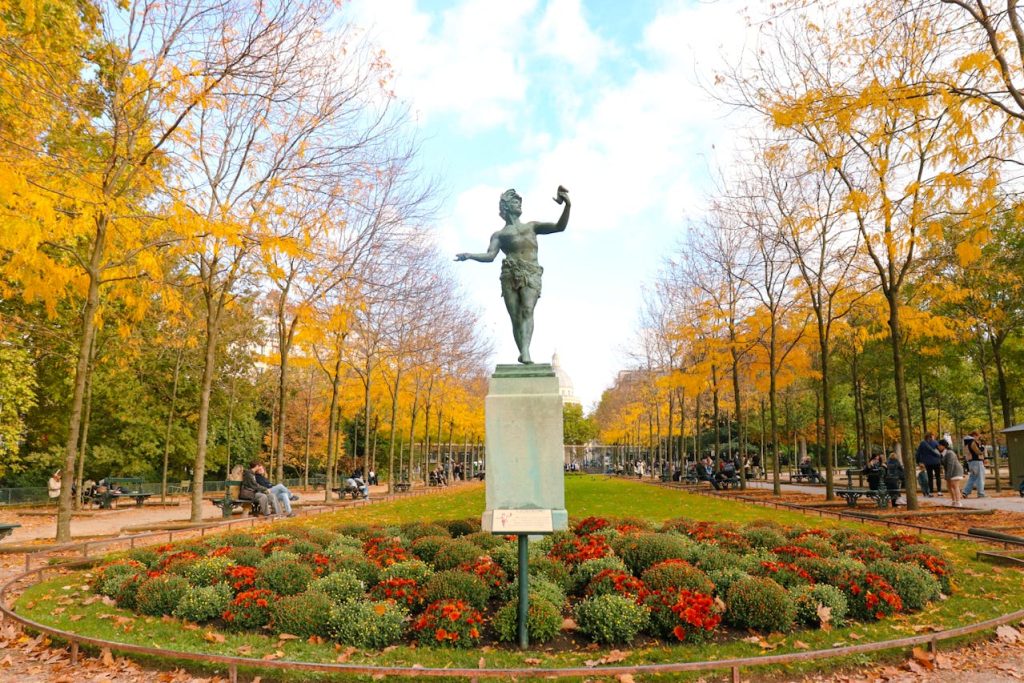
Paris can dip unexpectedly right after peak summer and again after the holiday rush, when demand cools and hotels quietly adjust to fill rooms. Late Aug. into Sept. often softens once many Europeans return to work, and Jan. can reset the city after year-end travel, with more availability in central neighborhoods and fewer crowds leaning on weekends. The city still feels alive, but reservations get easier and some midweek stays suddenly look reasonable. These drops tend to be brief because fashion weeks, school breaks, or major conventions can push rates back up fast, so travelers who can shift dates by a few days often catch the best window.
Bali, Indonesia

Bali’s pricing can slide quickly when holiday waves pass and the calendar tips into quieter weeks. Late Jan. through March, and again in Oct. to early Nov., often brings better hotel deals, especially outside the most crowded beach pockets. Rain may show up, but many days still hold bright stretches, and the island’s comforts, spas, cafés, temples, and cooking classes, keep the trip feeling full even when showers roll through. Villas and resorts sometimes discount without fanfare to keep occupancy steady, so bargains can appear midweek and disappear once a festival, school break, or flight promotion sparks a fresh surge.
Santorini, Greece
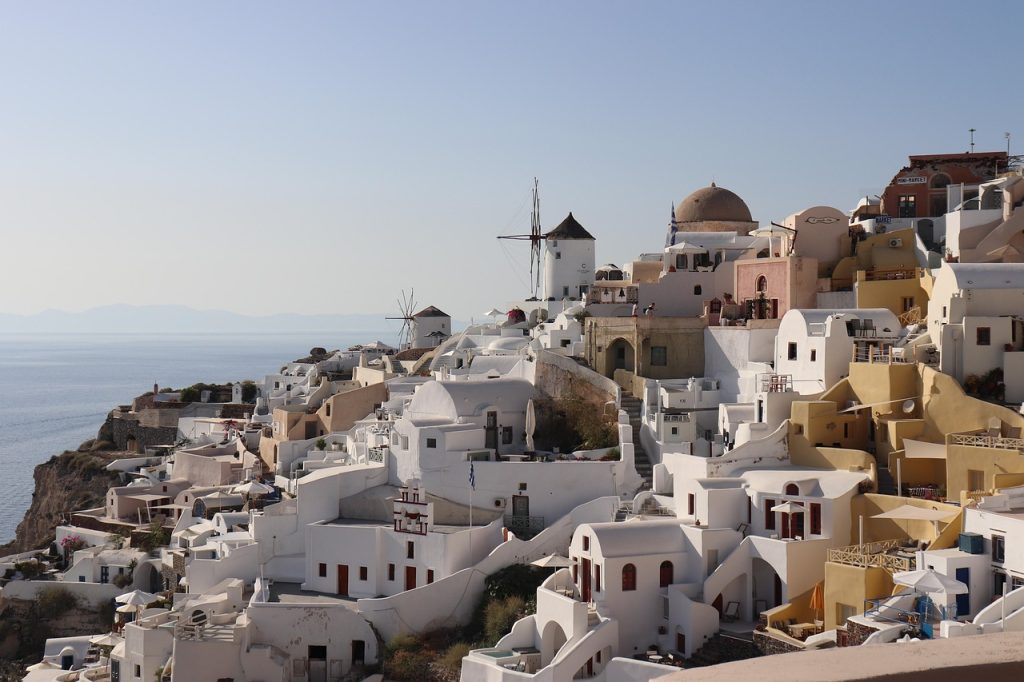
Santorini’s prices can fall abruptly at the edge of the season, when the island shifts from peak summer frenzy to a calmer pace. Late Sept. and Oct. often keep warm water and softer light, yet rates drop once the big crowds thin and ferry schedules start tightening. The island still delivers its views, but dining is easier to book and sunsets feel less contested, which changes the whole experience. The value windows are often short, especially midweek, because the market can bounce back when a late-season weekend spike hits or when travelers rush to book “last chance” stays before businesses close for winter.
Cancun And The Riviera Maya, Mexico
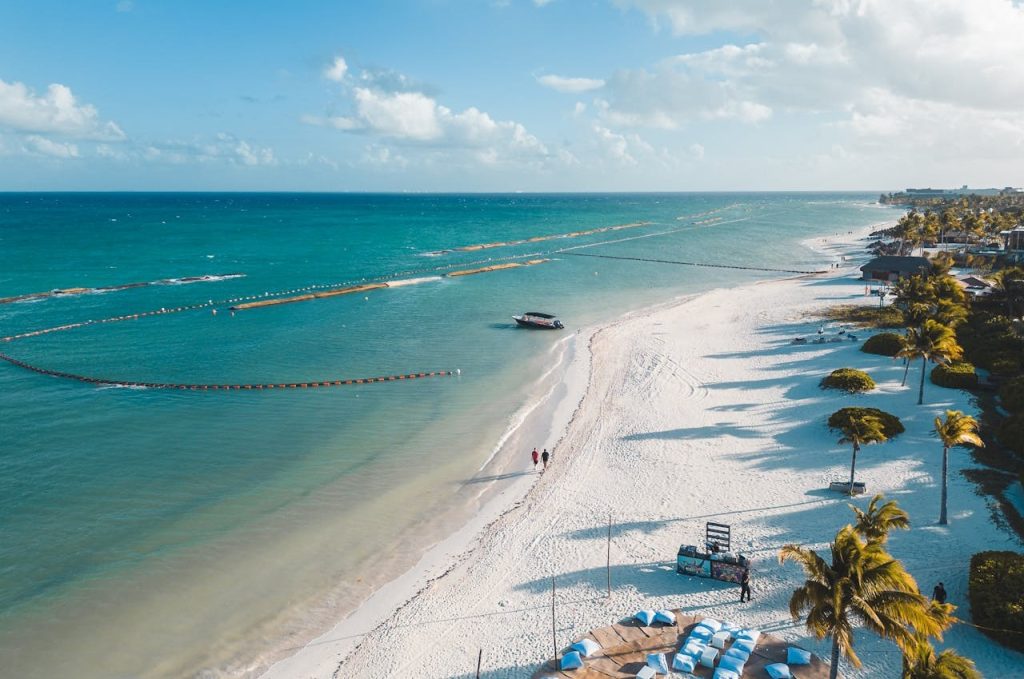
Cancun and the Riviera Maya can see sudden price drops right after major peaks, when resorts adjust quickly to keep rooms full. Late April to early June often softens once spring break ends, and Sept. into early Oct. can dip again as summer demand fades. Storm season is the obvious trade-off, but many days still stay warm and usable, and all-inclusive pricing can become unusually competitive. Deals often show up as flash sales or quiet package discounts, then vanish when a holiday weekend, airline promotion, or a burst of good weather pushes demand back up. The easiest wins come from flexible dates and refundable bookings.
The Maldives

The Maldives can surprise travelers with quick price drops when monsoon season begins and demand softens, even though many days stay sunny between short rain bursts. May through Sept. often brings better resort offers, including meal-plan upgrades, longer-stay perks, or discounts that appear without big announcements. Water stays warm, snorkeling remains strong, and the experience is still built around quiet, which does not require perfect skies every hour. These deals can be sudden because resorts compete to keep occupancy steady, and they often reward last-minute bookers most. When holiday periods approach, the window closes fast, and rates snap back to peak levels.
Banff, Alberta, Canada
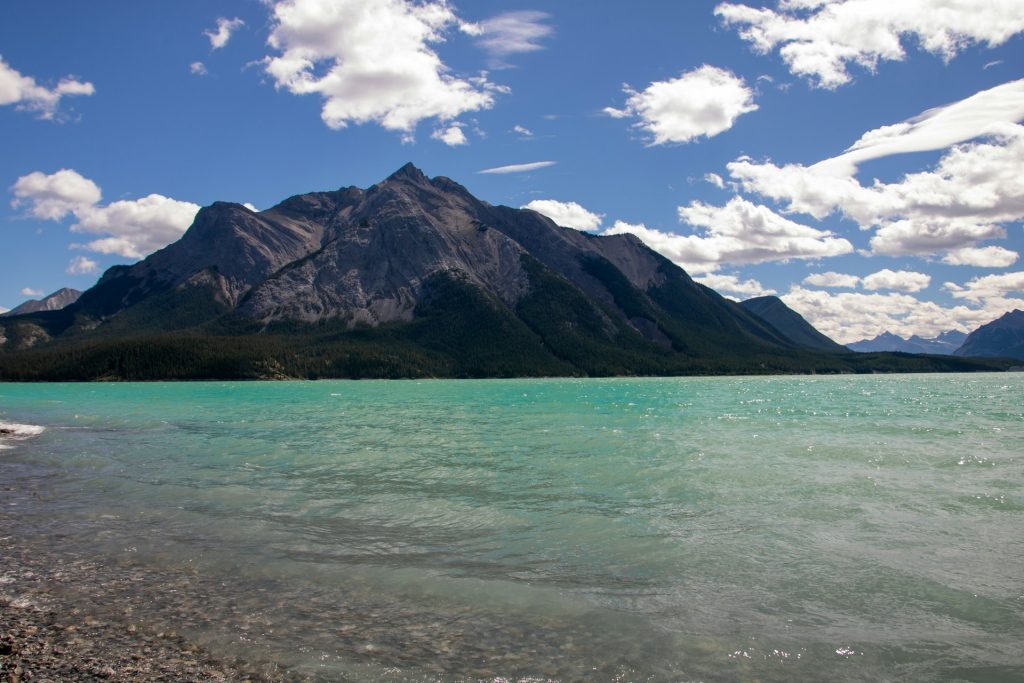
Banff can dip sharply during shoulder weeks when summer hikers leave and ski demand has not fully arrived. Late Sept. into Oct., and again in April, often brings quieter trails, crisp air, and more hotel availability, especially midweek, as the town resets between seasons. Some attractions reduce hours, but the scenery stays dramatic, and dining and parking feel easier without peak crowds. Rates can fall quickly when weather cools or when a week of rain scares off casual travelers, then climb again for holiday weeks or the first big snow. The best bargains favor visitors who can pack layers and treat changing skies as part of the trip.
Charleston, South Carolina
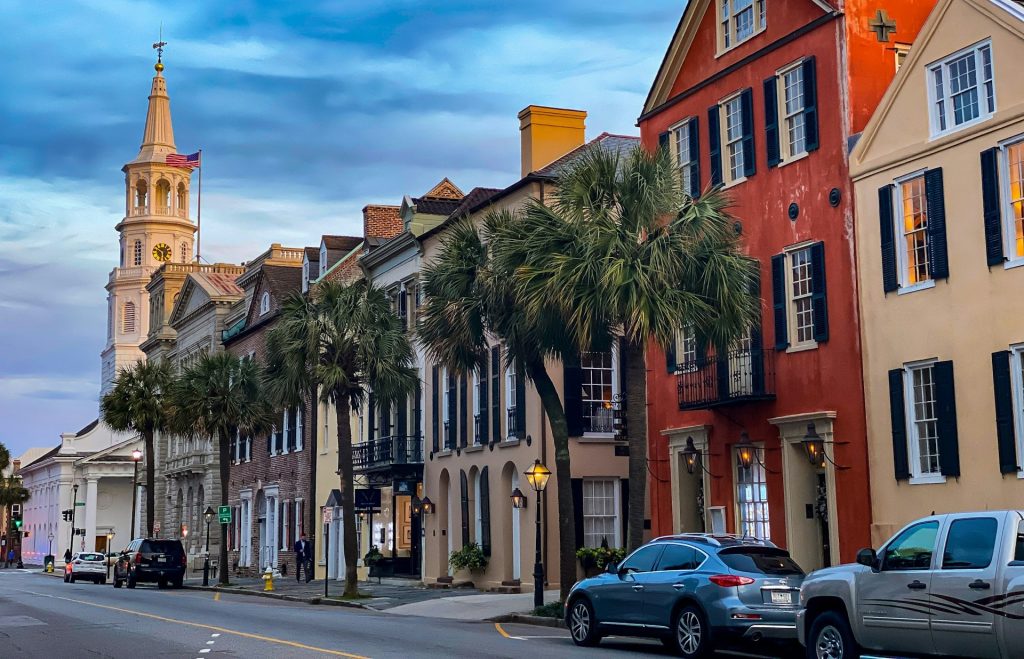
Charleston’s prices can ease when peak heat and peak crowds drop off, and the city slides into a calmer rhythm. Late Aug. and Sept. sometimes bring softer hotel rates as summer travel slows, even though early fall can still feel beautiful, with warm evenings and fewer restaurant waits. Hurricane season is the risk factor, but it also drives quick discounts and flexible cancellation offers from hotels trying to protect occupancy. When the weather cooperates, the payoff is strong: beach access is easier, courtyards feel more comfortable, and the city’s porch-and-walk pace returns. The best deals often appear midweek, then disappear once a popular weekend fills.
Reykjavik, Iceland
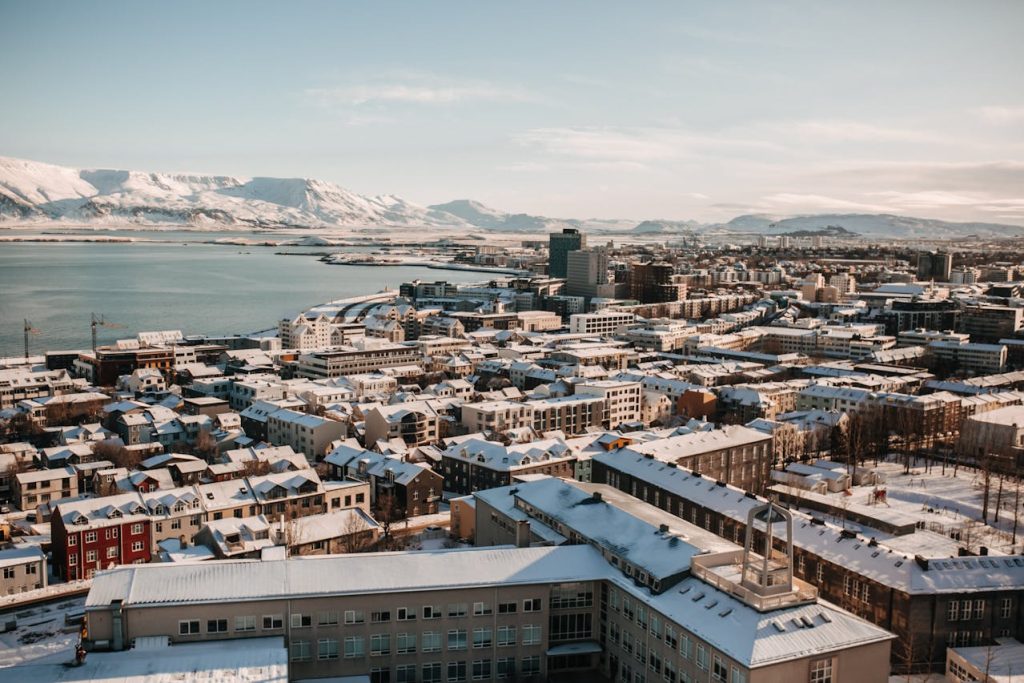
Reykjavik and wider Iceland can see quick drops after the summer surge, when daylight shrinks, tour buses thin, and demand resets almost overnight. Sept. and Oct. often hit a sweet mix: roads are usually workable, crowds are lighter, and nights return enough to make aurora viewing more realistic. Hotels and tours sometimes lower rates quietly to fill gaps, especially midweek or last minute, and flights can soften once school schedules restart. Weather can change quickly, but that shoulder-season mood is part of the appeal, with hot springs, cafés, and cozy evenings balancing out stormy hours. The bargains arrive suddenly, then fade as winter holiday demand builds.
Marrakech, Morocco
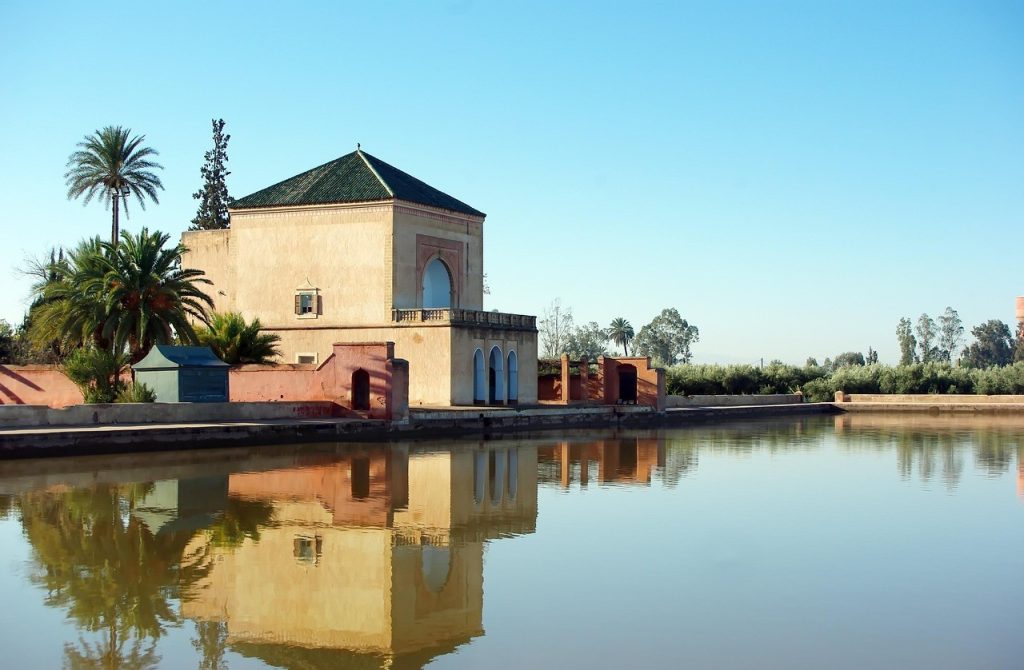
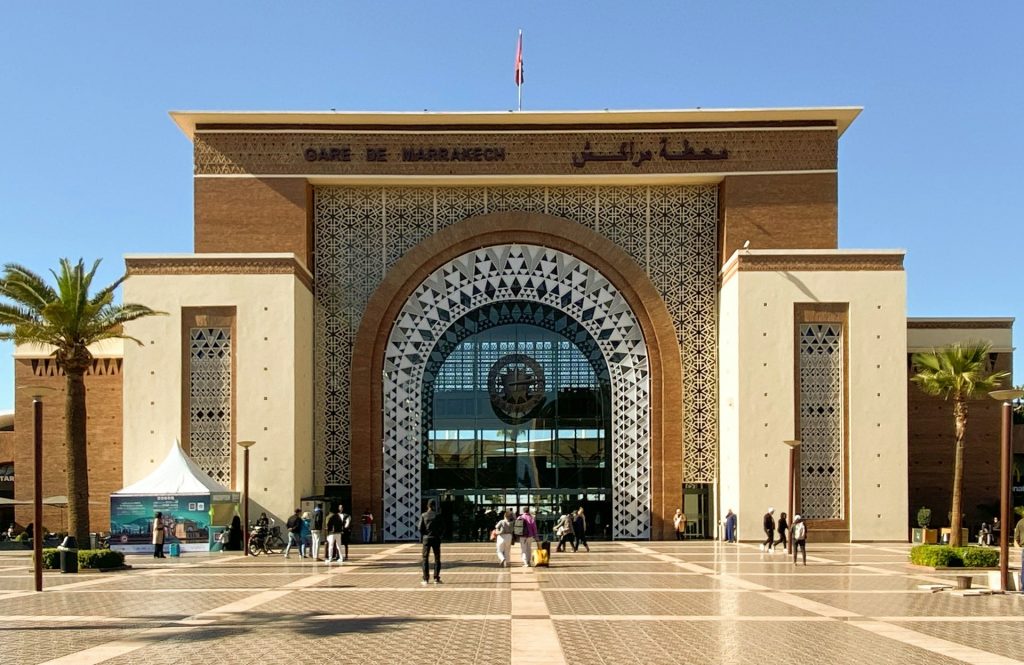
Marrakech can deliver sudden deals when weather and demand shift quickly, especially between peak spring and peak fall travel. Late summer often brings lower hotel rates because heat keeps some visitors away, and short windows in Nov. or early Dec. can soften again before holiday travel ramps up. Riads and hotels may discount quietly to fill rooms, and guided day trips can be easier to book on short notice. The trade-off is planning around temperature swings and local events, but the reward is a city that feels less crowded, with calmer souks and easier dinner reservations. When nights turn comfortable, rooftop tea and late walks feel like the main event.