9 Places Where Tourist Movement Is Carefully Managed

Tourism pressure no longer shows up only as long lines. It now appears in trail erosion, neighborhood fatigue, wildlife stress, and transport bottlenecks that pile up by the hour. That is why more destinations have moved from passive crowd control to active movement design, using permits, timed windows, caps, and route-based entry systems.
These systems are not all built the same. Some are price-based, like Venice’s access model. Some are policy-based, like Bhutan’s fee-and-visa gatekeeping. Others are operational, including timed park entries in the U.S. and fixed circuits at Machu Picchu.
What connects them is intent. Authorities are trying to keep places visitable over the long term instead of letting peak seasons damage the very experience people came for. Even where rules feel strict, the stated goals usually center on reducing congestion, dispersing demand, and protecting fragile sites.
The practical outcome is simple: movement is now part of the ticket. Travelers who understand the control layer early tend to have smoother trips, while people who treat these destinations like open-access spaces usually lose flexibility fast. The shift is not temporary anymore; in many places, it is becoming the default model.
Venice, Italy
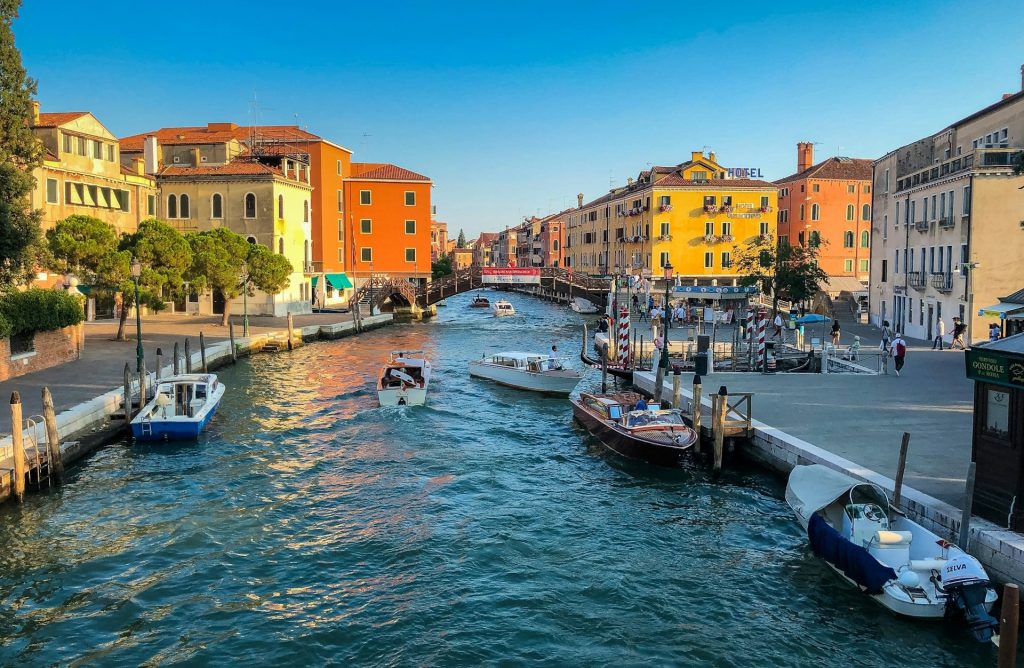
Venice has formalized day-trip management through scheduled access days and time windows rather than open, unrestricted entry to the historic center. For 2026, the city portal already lists application dates beginning in early April, with access windows shown from 8:30 a.m. to 4:00 p.m.
The pricing logic is built to shape behavior, not just collect revenue. Reporting on the program shows lower pricing for earlier booking and higher pricing for closer, late decisions, creating a clear incentive to plan rather than surge in at the last minute.
The official access platform frames payment as mandatory for visitors entering on active days unless an exemption applies. That turns movement rules into a pre-trip admin task, not something handled casually at arrival.
In practice, Venice is signaling that old-style spontaneous day tripping into the core city is being replaced by scheduled presence. Travelers can still go, but the system now asks when, under what category, and with what proof in hand.
Bhutan
Bhutan uses a policy gate rather than a gate on a trail. Most visitors need a visa, and the official tourism portal states that the visa process includes a Sustainable Development Fee of US$100 per day per adult plus a one-time US$40 visa application fee.
The process is intentionally centralized. Applications run through the official channel, and the framework makes clear that entry is structured before arrival, with limited exceptions for specific neighboring nationalities under separate processes.
That structure does something important to movement patterns. It reduces impulsive volume, nudges longer-considered itineraries, and gives the destination more control over carrying capacity without using a blunt quota headline.
Bhutan’s model is a reminder that “managed movement” can start at border policy, not at a ticket booth. By the time a traveler lands, the pace and shape of the trip have already been influenced by design.
Machu Picchu, Peru
Machu Picchu has moved decisively toward route governance. Official visitor information emphasizes circuits and routes, which means entry is tied to specific movement paths rather than free roaming across the sanctuary.
Ticketing has also been standardized through the Peruvian state platform for cultural visits, which pulls access decisions into a controlled digital flow instead of fragmented informal channels.
For travelers who miss online inventory, in-person fallback exists but under clear limits. Official information notes daily in-person sales of 1,000 tickets at Machupicchu Pueblo, reinforcing that backup access still operates within a hard cap.
The result is a destination where choice still exists, but improvisation has tighter boundaries. Visitors get a better outcome when they pick their circuit strategy first and treat entry slots as fixed commitments, not loose suggestions.
Galápagos Islands, Ecuador

The Galápagos system combines fees, transit control, and on-site behavior rules. Ecuador’s official communications raised the foreign visitor park entry fee to US$200 starting August 2024, signaling firmer management of tourism pressure.
Entry logistics are layered. Visitors are also required to carry a Transit Control Card, which adds another checkpoint in the movement chain before they even reach protected zones.
Once inside, movement remains guided by conservation rules: visitors are expected to stay on marked trails, keep distance from wildlife, and in many visitor contexts move with authorized naturalist guidance.
This is one of the clearest cases where mobility control and ecosystem protection are inseparable. The journey works best when travelers accept that the “freedom” on offer is curated, not unlimited.
Mount Fuji, Japan
On Fuji’s most traveled route, management is explicit. Official guidance for the Yoshida Trail sets a mandatory passage fee and uses a daily cap to prevent unmanaged crowd buildup.
The same rule set includes a gate schedule that restricts late access on the trail unless hikers can show mountain hut reservations, directly targeting risky overnight climbing patterns.
Reservation mechanics also matter: official guidance notes same-day reservation closure once the daily cap is reached. That means timing errors are not easily recoverable after arrival.
Fuji’s message is straightforward: iconic status does not mean open throughput. The mountain is still accessible, but entry now sits inside a managed safety-and-capacity frame.
Antarctica Landing Sites

Antarctica has some of the strictest field movement rules in global tourism. Visitor guidelines aligned with Antarctic governance state that only one ship may visit a site at a time.
Passenger limits are equally direct: vessels carrying more than 500 passengers do not make landings, and only up to 100 passengers may be ashore at one time unless tighter site guidance applies.
Operations are controlled at the ground level too, including guide-to-passenger ratios and layered wildlife protection directives that define how close, how fast, and where visitors can move.
There is very little ambiguity here. Antarctica is not organized around convenience; it is organized around minimal impact, and movement is treated as an environmental responsibility.
Angels Landing, Zion National Park, USA
Angels Landing is a high-profile example of route-specific permitting. The National Park Service states that permits are required at all times to hike any portion of Angels Landing, 24/7, year-round.
Access is distributed through lotteries rather than first-come trail crowding. Official and recreation channels describe seasonal advance lotteries and day-before opportunities, both handled online.
The permit framework is intentionally tied to crowd and resource management, with time slots and controlled starts designed to reduce bottlenecks on a narrow, high-exposure route.
For hikers, this changes planning math: the trail itself is still there, but eligibility is now part of the itinerary. The best strategy is permit-first, logistics-second, not the other way around.
Arches National Park, USA

Arches has used timed entry windows to shape arrival flow during busy seasons. Official park guidance has specified reservation-required periods and daytime arrival windows rather than unrestricted peak-hour entry.
The system is not static across every date, which is exactly the point. Park managers have adjusted implementation windows based on observed visitation patterns, including periods where requirements were paused and then resumed.
Operationally, this approach addresses a familiar problem in desert parks: road queues, parking spillover, and compressed crowding at signature viewpoints when everybody arrives in the same band of hours.
Travelers who treat Arches as a managed-arrival destination generally have better outcomes than those who assume open access all day. The park is still highly visitable, but the timing layer is now part of the experience design.
Cadillac Summit Road, Acadia National Park, USA
Acadia applies movement control to one of its most in-demand drives. Official information describes required vehicle reservations for Cadillac Summit Road during the core season window, with set operating periods for controlled access.
The system also separates sunrise and daytime access into distinct reservation products, preventing one-demand pattern from swallowing total capacity. That preserves availability across different visitor intentions.
Rules around timing and frequency further shape flow, including clear statements about when reservations are required and constraints on how often a vehicle can book certain slots.
Cadillac shows how movement management can be very targeted. Instead of restricting an entire park, managers can focus on one choke point and still protect both visitor experience and site integrity.