9 Places Where Tourists Are Accidentally Breaking Local Customs

Travel opens doors to new cultures, but unfamiliar traditions can lead to unintentional missteps. Many tourists break local customs without realizing the social weight behind everyday behaviors. These moments rarely involve malice, yet they can cause discomfort or offense. Cultural norms often differ in subtle but meaningful ways, from gestures to greetings. Understanding these expectations helps foster respect and smoother interactions. The following places highlight where visitors most commonly misunderstand local customs. Each example reflects real cultural practices shaped by history and social values. Awareness transforms travel into a more thoughtful and rewarding experience for everyone involved globally.
Japan
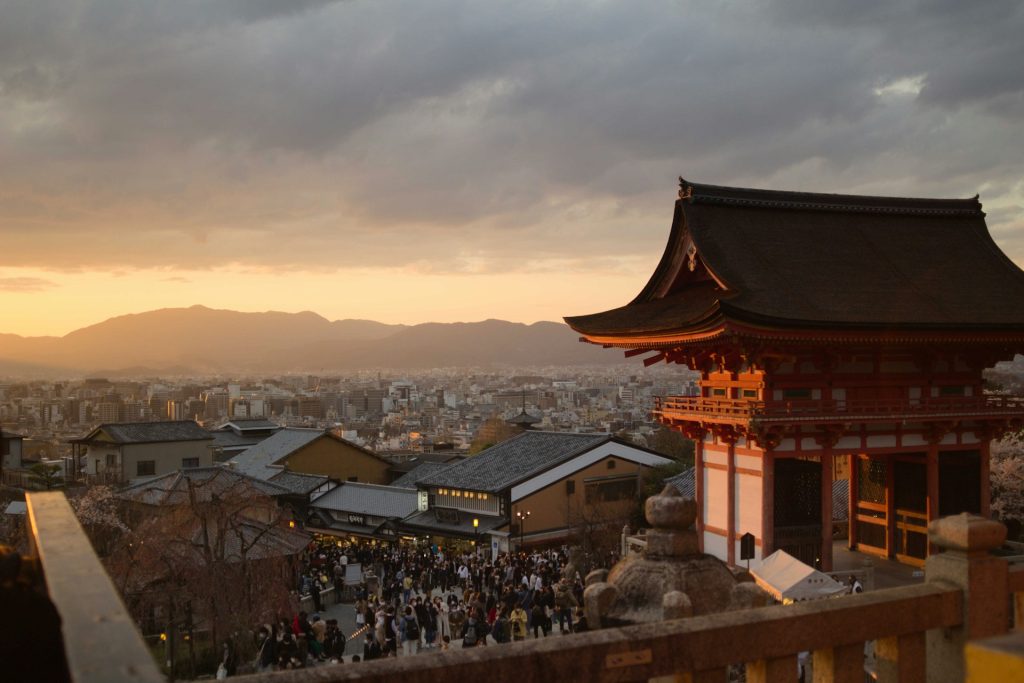
In Japan, public behavior emphasizes quiet consideration for others. Tourists often speak loudly or take phone calls on trains, which locals view as disruptive. Public transportation functions as shared space. Silence shows respect for collective comfort. Eating while walking also draws disapproval. Shoes worn indoors violate household and traditional building norms. Cash handling follows specific etiquette. These behaviors reflect cultural emphasis on harmony. Visitors may overlook these expectations unknowingly. Understanding Japanese social courtesy helps travelers blend respectfully into daily life, avoiding awkward moments while appreciating a society built around mutual consideration and subtle, deeply rooted social awareness.
Thailand

Thailand’s customs reflect deep respect for hierarchy and spirituality. Tourists often touch children’s heads casually, unaware the head is considered sacred. Feet are viewed as the lowest part of the body, so pointing them at people or religious objects causes offense. Disrespect toward images of the monarchy carries serious consequences. Dress codes matter at temples. Loud or aggressive behavior disrupts social harmony. These customs stem from Buddhist beliefs and cultural values. Visitors unfamiliar with these norms may offend unintentionally. Learning these practices allows travelers to show proper respect and experience Thailand with greater cultural sensitivity and understanding throughout daily interactions.
Italy.

Italy blends living culture with history, creating rules visitors sometimes ignore. Tourists frequently sit on monuments, fountains, or church steps, especially while eating. Many cities restrict this behavior to protect landmarks. Entering churches in revealing clothing violates dress expectations. Loud behavior in quiet historic spaces draws criticism. Mealtime customs also matter, including ordering cappuccino late in the day. These practices reflect respect for shared heritage. Visitors may not realize rules exist until fined. Understanding Italian customs helps travelers navigate cities thoughtfully, appreciating history while avoiding behaviors locals view as careless or disrespectful to cultural spaces still actively used.
United Arab Emirates

Social customs in the United Arab Emirates emphasize modesty and discretion. Tourists sometimes engage in public displays of affection, unaware these actions violate social norms. Clothing expectations extend beyond religious sites into public areas. Alcohol consumption remains regulated outside licensed venues. Gestures or language acceptable elsewhere may offend here. These customs reflect cultural and religious values rooted in Islamic tradition. Visitors may misinterpret the relaxed atmosphere of resorts as universal. Understanding distinctions between tourist zones and public spaces matters. Respecting local customs ensures smoother experiences and demonstrates cultural awareness in a region balancing modern tourism.
Germany
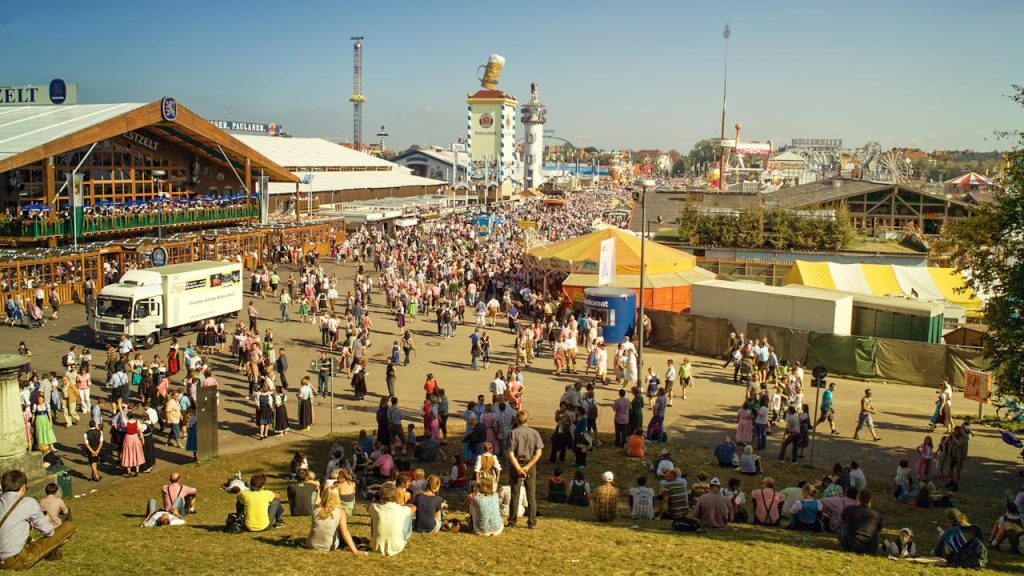
Germany values order, rules, and social responsibility. Tourists often cross streets against pedestrian signals, even when traffic is absent. Locals view this behavior as irresponsible, especially around children. Recycling rules also confuse visitors. Quiet hours restrict noise during evenings and Sundays. Direct communication styles may feel abrupt to outsiders. These customs reflect respect for structure and community consideration. Understanding German social norms helps travelers avoid appearing careless while appreciating a culture that prioritizes efficiency, safety, and collective responsibility through everyday actions often overlooked by those accustomed to looser social rules elsewhere.
India

India’s customs vary regionally but share common etiquette themes. Tourists often use the left hand to give items, unaware it is traditionally associated with hygiene. Public displays of affection may draw attention or disapproval. Dress expectations remain modest in many areas. Shoes removed before entering homes and temples matter greatly. Loud behavior in sacred spaces causes offense. These customs reflect respect, purity concepts, and religious practice. Visitors unfamiliar with these traditions may offend unintentionally. Understanding Indian etiquette allows travelers to interact respectfully, navigate social situations smoothly, and appreciate the cultural depth shaping everyday behavior across diverse regions nationwide.
France

In France, politeness begins with acknowledgment. Tourists frequently enter shops without greeting staff, which locals consider rude. Saying “bonjour” establishes respect before requests. Loud voices in cafes draw disapproval. Meal etiquette follows structured timing. Customer service interactions differ from tourist expectations. These customs reflect cultural emphasis on courtesy and personal dignity. Understanding these norms improves interactions significantly. Simple gestures create goodwill. Respecting French social customs helps travelers feel more welcome while appreciating a society that values manners, language, and interpersonal respect as foundations of daily life rather than optional formalities.
South Korea

South Korean dining customs emphasize respect and group awareness. Tourists often pour their own drinks, unaware it is customary to pour for others. Elders receive priority seating and service. Using both hands when giving items shows respect. Loud or overly casual behavior toward seniors appears disrespectful. These practices reflect Confucian values deeply embedded in society. Visitors may overlook these norms during social meals. Understanding these customs helps travelers navigate group settings gracefully. Respecting age hierarchy and shared etiquette allows visitors to experience Korean hospitality more fully while avoiding misunderstandings rooted in differing cultural expectations around respect, status, and social interaction.
Greece

In Greece, gestures carry strong meaning. Tourists sometimes display an open palm toward others, unaware the gesture known as the moutza is insulting. Public behavior values warmth but also respect. Dress codes apply at religious sites. Loud or aggressive gestures can escalate tensions. These customs trace back centuries in Greek culture. Visitors unfamiliar with local gestures may offend accidentally. Understanding nonverbal communication matters greatly. Respecting Greek customs allows travelers to engage positively with locals while appreciating a culture where expression, history, and social interaction intertwine closely in everyday life beyond spoken language alone.