9 Places Where Travel Paperwork Shapes The Entire Trip

Immigration lawyers and travel logistics consultants report that the era of open-border spontaneity has given way to a new reality where the quality of a trip is determined long before the traveler leaves home. While passports were once the only necessary key for global mobility, experts emphasize that specific destinations now require a complex portfolio of permits, medical clearances, and government authorizations. These documents do not merely grant entry but fundamentally dictate the itinerary, the duration of the stay, and the permitted activities.
Border policy analysts and visa expediters note that this shift is driven by a desire to manage overtourism, protect fragile ecosystems, and ensure national security. In these highly regulated zones, the paperwork serves as a script for the journey. Travelers who fail to secure the correct stamps or digital approvals often find themselves turned away at the gate or restricted to a fraction of the experience. Understanding the bureaucratic architecture of these nine locations is the first and most critical step in the planning process.
Bhutan

Tourism Council officials in the Himalayan kingdom enforce a “High Value, Low Volume” policy that is legally codified through the Sustainable Development Fee. This mandatory daily levy serves as the backbone of the visa application process and dictates the budget and length of every visit. Economic development experts explain that the fee is collected to fund free healthcare and education for citizens which transforms the act of paying for a visa into a direct contribution to national social welfare.
Travel to Bhutan is further shaped by the requirement that most visitors book their trip through an authorized local provider who arranges the necessary visa clearance. Logistics coordinators note that this paperwork creates a guided experience where the itinerary is fixed in advance to ensure compliance with local regulations. The visa itself is only issued once the full payment for the trip and the tax has been verified by the national bank.
Tibet Autonomous Region

Regional travel specialists and political analysts advise that visiting the “Roof of the World” requires navigating a dual layer of bureaucracy that includes both a Chinese visa and a separate Tibet Travel Permit. Security officials stipulate that the permit can only be applied for by a registered travel agency and must list every destination the traveler intends to visit. This document effectively freezes the itinerary weeks before arrival as deviating from the approved route is strictly prohibited.
The permit requirement also mandates that travelers be accompanied by a licensed guide and a private driver for the duration of their stay. Logistics experts warn that independent travel using public transportation is not an option for foreign visitors under current regulations. The paperwork acts as a constant chaperone ensuring that the movement of tourists aligns perfectly with state-approved corridors and timelines.
Antarctica

Expedition leaders and medical officers emphasize that the paperwork for an Antarctic journey is primarily focused on safety and biosecurity rather than political borders. Travelers must complete extensive medical questionnaires that are reviewed by physicians to ensure they are physically capable of enduring the remote conditions. Emergency evacuation specialists note that a failure to disclose a pre-existing condition on these forms can lead to a denial of boarding at the port of departure.
Biosecurity officers also enforce strict adherence to the protocols established by the Antarctic Treaty System. Visitors must sign affidavits confirming that their gear has been decontaminated to prevent the introduction of invasive species. This administrative process underscores the fragility of the ecosystem and forces travelers to view their presence on the continent as a privilege granted only to those who demonstrate rigorous preparation.
The Galapagos Islands In Ecuador
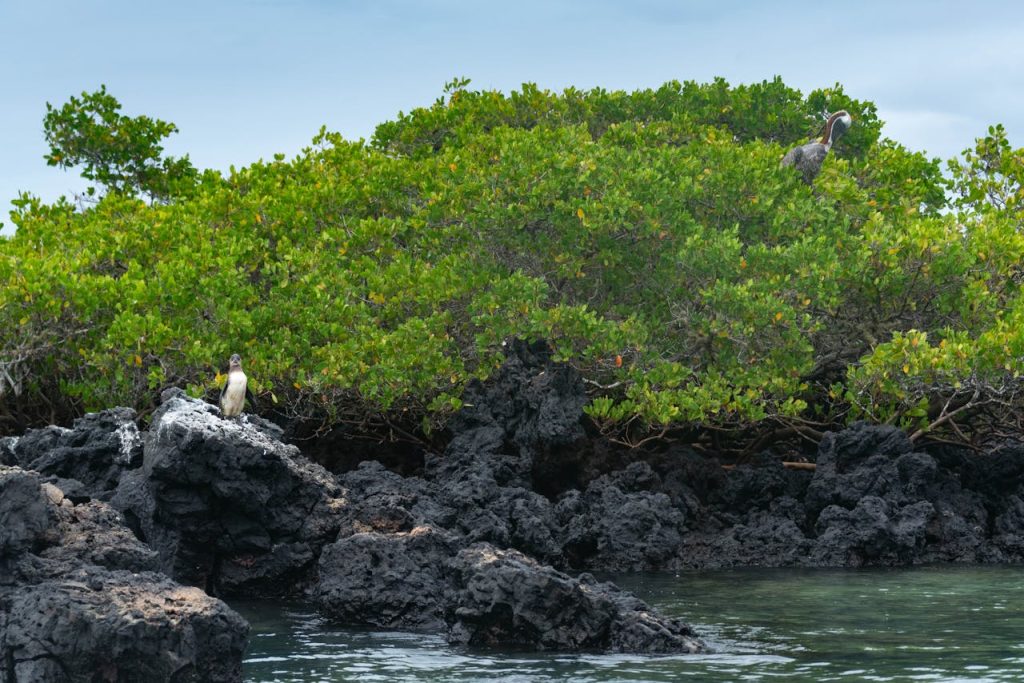
National Park rangers and biosecurity inspectors manage access to the archipelago through the mandatory Transit Control Card. This document functions as a digital gatekeeper that tracks the movement of visitors in and out of the protected marine reserve. Environmental monitors explain that the card is linked to a pre-screening process that ensures travelers are not bringing prohibited organic materials that could threaten the unique biodiversity of the islands.
Aviation logistics experts highlight that the card must be purchased at the airport on the mainland before checking in for the flight. This step is integrated with a rigorous luggage inspection that separates safe cargo from potential biological threats. The paperwork serves as the first line of defense for the ecosystem reminding every visitor that they are entering a highly monitored biological laboratory.
Mount Athos In Greece

Monastic authorities and Byzantine scholars describe the entry process for the “Holy Mountain” as one of the most restrictive in the Western world. Male visitors must obtain a special permit known as the Diamonitirion which serves as both a visa and a reservation for monastery accommodation. Religious history experts note that the permit is valid for only four days and dictates exactly which monasteries the pilgrim is expected to visit.
The Bureau of Pilgrims enforces a strict daily quota for entry which requires applicants to submit their requests months in advance. Cultural anthropologists emphasize that the permit is non-renewable and strictly strictly strictly enforced by port police upon arrival and departure. The paperwork reinforces the spiritual nature of the visit ensuring that the peninsula remains a place of prayer rather than a destination for casual tourism.
Turkmenistan

Central Asian logistics consultants and visa experts identify Turkmenistan as having one of the most complex entry procedures in the world based on the Letter of Invitation. To obtain a tourist visa, travelers must first secure an approved invitation from the State Migration Service which typically requires booking a full tour with a licensed agency. This document dictates the exact dates of entry and exit and the specific border crossings that must be used.
The itinerary listed on the invitation becomes legally binding once the traveler enters the country. Security analysts note that visitors are often required to stay in the specific hotels listed on their paperwork and must be accompanied by a guide when moving between cities. The entire trip is essentially a performance of the approved plan where the paperwork serves as the script that cannot be improvised.
Lord Howe Island In Australia

Island board administrators and environmental planners manage a strict cap of four hundred visitors at any one time to preserve the World Heritage status of the island. This limit is enforced through a requirement that travelers must secure a confirmed accommodation booking before they can purchase a flight. Travel agents explain that the “bed tax” and the flight manifest are linked to ensure the cap is never exceeded.
This regulatory framework means that the paperwork for lodging is the primary key to access. Conservation biologists note that this system prevents the overtourism that plagues other destinations and ensures that the human footprint remains within sustainable limits. The planning process is defined by the availability of a legal bed rather than the availability of a seat on a plane.
Upper Mustang In Nepal

High-altitude trekking guides and permit officers enforce a Restricted Area Permit for the Upper Mustang region that is significantly more expensive and complex than standard trekking permissions. The Department of Immigration requires a minimum of two hikers to issue the permit which effectively bans solo travel in the region. Adventure tourism experts note that the high daily fee acts as a filter to limit the number of visitors to this culturally sensitive area.
The permit is checked at various police posts along the trail to ensure that hikers remain within the valid dates and approved route. Cultural preservationists explain that the revenue from the paperwork is intended to support local development and conservation efforts. The document transforms the trek into an exclusive expedition where the cost and administrative hurdles ensure that only committed travelers gain access.
Rapa Nui In Chile

Provincial officials and indigenous leaders on Easter Island have implemented a Single Entry Form to manage the flow of visitors and protect the island’s resources. Under the Law of Residence and Stay, tourists must present a return ticket and a reservation at a registered accommodation certified by the National Tourism Service. Legal experts note that this paperwork is checked before boarding the flight from Santiago to ensure compliance with the thirty-day maximum stay.
Local hosts play a crucial role in this bureaucratic web as their formal invitation or booking confirmation is required for entry. Heritage managers emphasize that these measures are designed to prevent illegal overstays and demographic pressure on the isolated territory. The paperwork ensures that every person stepping onto the island has a verified place to sleep and a confirmed date of departure.